
GEM Warns of Deer Collision Risk as Autumn Rut Peaks


- Deer-vehicle collisions in Britain climb sharply from October to December as the rutting season meets darker evenings.
- GEM Motoring Assist and National Highways both tell drivers to slow down and never swerve hard if a deer runs into the road.
- Insurer Zurich UK puts the average repair bill from a deer strike at £4,317, and the British Deer Society estimates up to 74,000 collisions happen each year.
Why the Next Ten Weeks Are the Riskiest for Deer on the Road
Deer-vehicle collisions climb every autumn in Britain, and this year’s peak lines up with the clocks going back on 25 October. GEM Motoring Assist has issued its annual warning to drivers, timed to the rut, the breeding season for red, sika and fallow deer that runs through October, November and into early December. Rutting bucks move more, travel further and cross roads at times they would normally avoid, and they do it at dawn, dusk and in the hours around sunset, exactly when commuter traffic is heaviest and light is worst.
GEM head of road safety James Luckhurst said the pattern is one drivers can prepare for even on roads they know well: “The next few weeks bring a predictable seasonal risk, but it is one that can catch drivers out on even familiar roads. Deer can emerge from cover with very little warning, and darker evening journeys reduce the time available to react. We want drivers to recognise the risk, reduce speed where deer may be present and keep scanning the road and verges ahead.”
National Highways backs the same message every year the clocks change. Jeremy Phillips, the organisation’s head of road user safety, said: “This time of year we see an increase in the number of deer collisions and our advice is to take care while driving and look out for deer.” The two organisations rarely disagree on the basics: slow down near deer warning signs and wooded stretches, use full beam where the road allows it, and dip the lights the moment a deer appears, as a deer caught in bright light tends to freeze rather than move.
Scale of the Problem
Numbers here vary by source, but they point the same direction. The British Deer Society estimates that the number of deer killed or injured on UK roads each year tops 40,000, and puts the true figure closer to 74,000 once unreported and delayed-death cases are included. Britain’s deer population now stands at roughly two million, the highest total in a thousand years, so more animals are moving through more places drivers pass through every day. Collisions cause real harm beyond the animal involved. GEM puts the human cost at hundreds of injuries and up to 20 deaths a year from deer-related crashes.
There is a cost angle too. Insurer Zurich UK recorded an average repair bill of £4,317 for a deer-strike claim in 2024, up from £2,683 five years earlier, and it expects the figure to keep climbing. RAC head of policy Simon Williams has pointed out that warning signs only cover known hotspots: “While signs are positioned in known danger areas, the sheer prevalence of deer means they could be encountered anywhere in the countryside.” That is the reason both GEM and National Highways push blanket vigilance instead of relying on signage alone.
What to Do If a Deer Runs Into the Road
GEM’s advice runs against instinct. A driver’s first impulse on seeing an animal in the road is often to swerve. GEM says don’t. Luckhurst was direct about it: “If a deer runs into your path, your priority must be to remain in control. Brake firmly if it is safe to do so, but avoid a sudden swerve. A sharp change of direction can put you into the path of an oncoming vehicle, take you off the road or lead to a much more serious collision.” A car that leaves the road or crosses into oncoming traffic tends to cause more serious injuries than a straight-line strike on an animal.
The second piece of advice is about numbers, not direction. Deer rarely travel alone in rutting season. “And if you see one deer, assume there may be more,” Luckhurst said. “Deer often travel in groups, so the first animal may not be the last to cross.”
After any collision, the priority shifts to people. Stop only where it is safe, switch on hazard lights, and call emergency services if anyone is hurt. Neither GEM nor the British Deer Society want members of the public approaching, moving or trying to treat an injured deer themselves: that is a job for the police or a dedicated deer management team. The British Deer Society asks drivers to log collisions through its Deer Map app, which feeds into where local authorities place warning signs and manage roadside vegetation.
Where the Risk Is Highest
Rural roads through wooded areas carry the most risk, especially in the South East, South West and parts of Scotland where deer populations run highest, but GEM’s point stands: deer turn up on roads far from obvious cover too. The safest approach for drivers over the next ten weeks is the boring one: treat every dusk and dawn drive on a country road as a potential deer encounter, slow down near tree lines and warning signs, and keep both hands ready to brake rather than steer sharply. The rut peaks through October and November before tailing off in December, with a smaller second spike around the deer’s May birthing season. For anyone driving rural routes regularly between now and Christmas, that is roughly ten weeks where the habits above are worth the extra concentration.

Leave a Comment
More in News

What a Coolant Warning Light Means Before It Costs You a £1,000 Repair
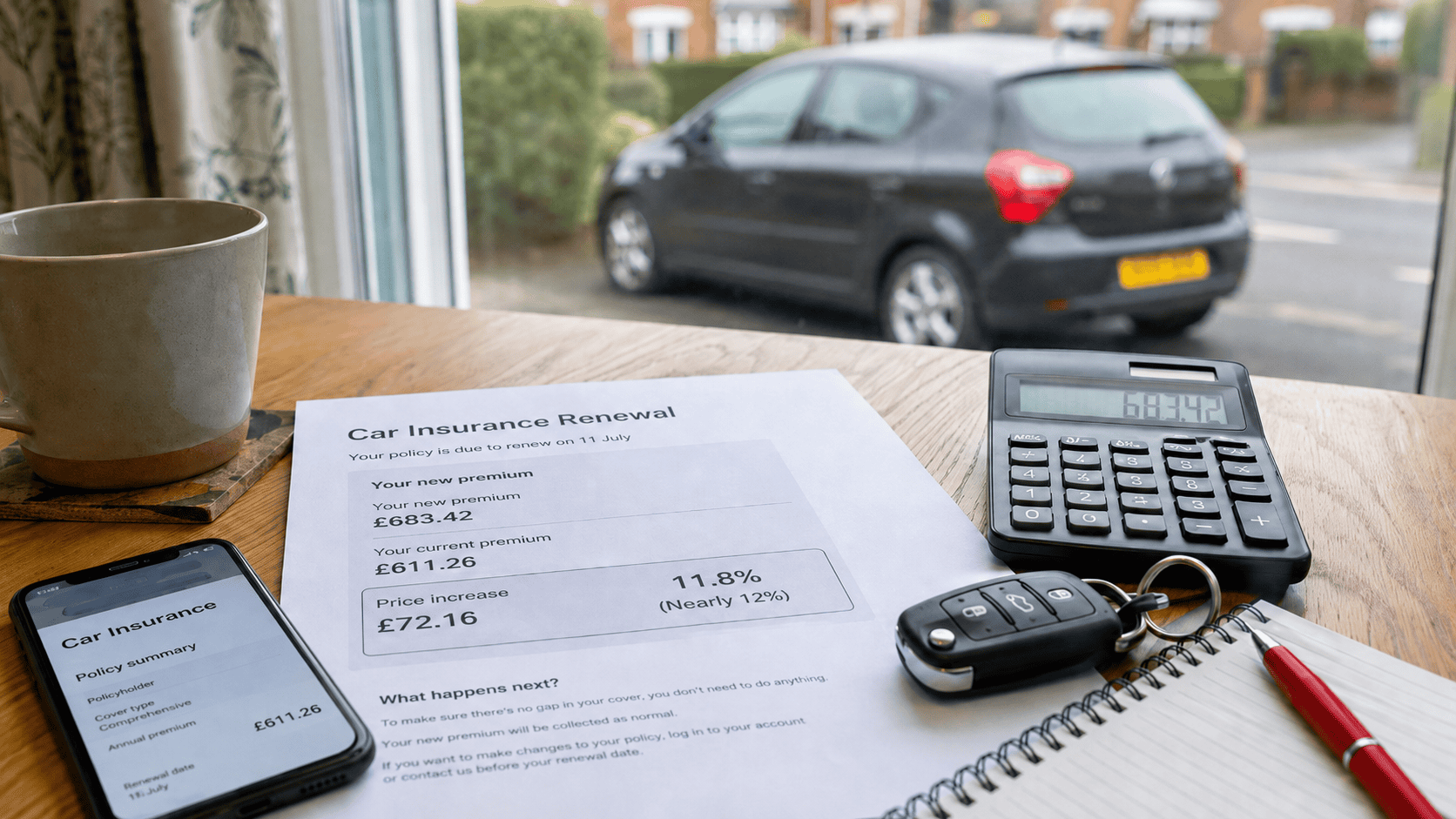
Progressive’s Profit Fell 3 Percent Even as It Added 1.4 Million Car Insurance Policies

NHTSA Picks 23 Vehicles for 2027 Crash Tests and Adds a New Pedestrian Safety Score

GAP Insurance Paid Back Just 6 Percent of What Drivers Paid, FCA Figures Show

A £4,300 Vauxhall Made Hagerty’s List of Classic Cars Worth Watching in 2026
Trending on Motoring Chronicle
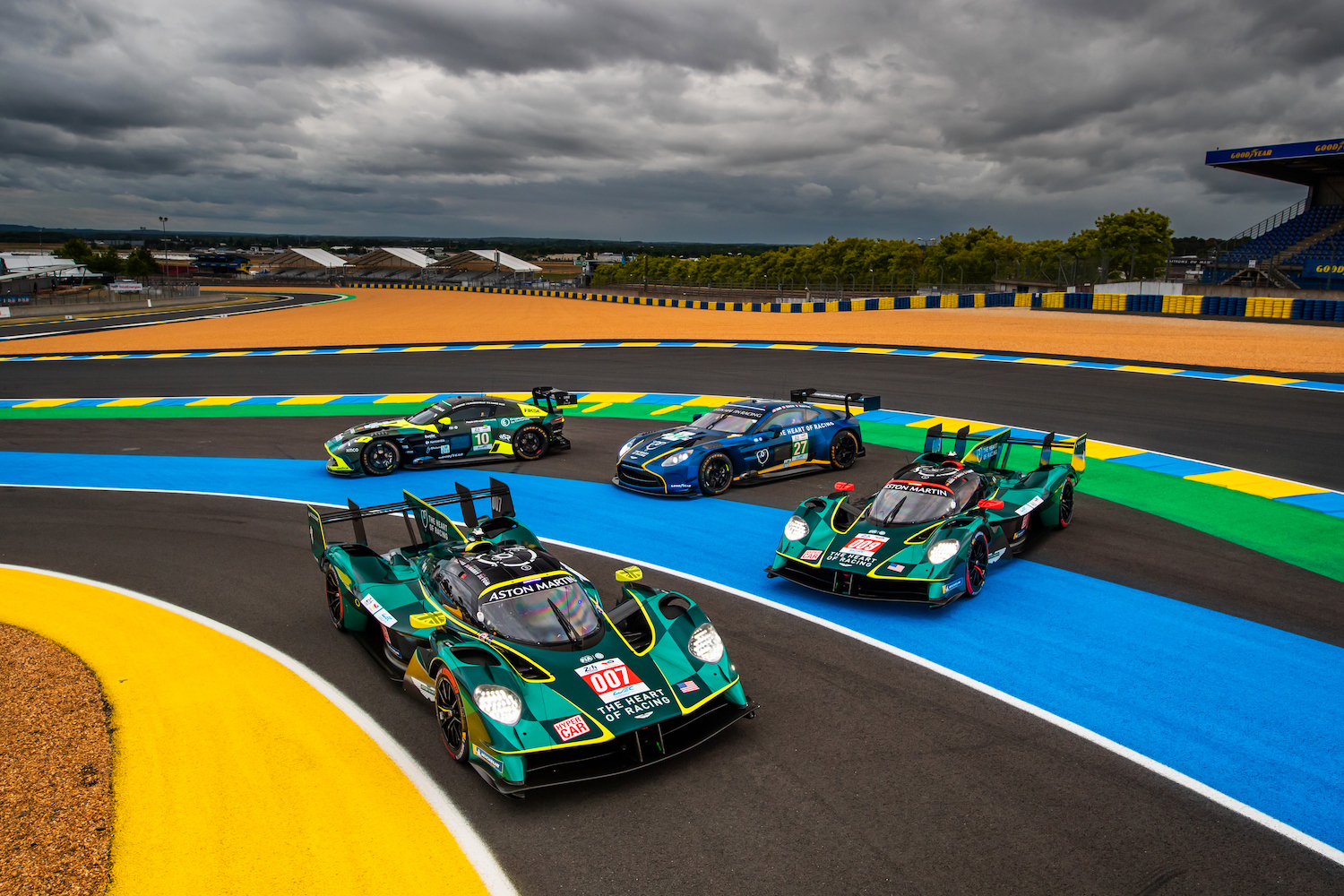
Aston Martin Valkyrie ready for its moment of destiny in the 24 Hours of Le Mans
Which One Is the Brake in a Car?
Small Cars and Sports Cars Have the Highest Driver Death Rates, IIHS Finds

Mercedes-AMG A 45 S Final Edition Priced From £67,965 as Send-Off Special
