Driving Makes List Of ‘Top 10 Most Important Life Skills’


Whilst claims have long been made that there are fewer learner drivers on our roads, new research has revealed that people still rate driving as one of the most important life skills someone can have.
When pre-17 driving experts Young Driver asked 1,000 members of the general public* to rank the top five practical life skills they felt everyone should be able to do, driving came joint second, behind cooking and tied with swimming. Being able to command a vehicle came ahead of using a computer, administering first aid, DIY and knowing how to use an iron.
Young Driver’s research revealed the top 10 life skills to be:
1 – Being able to cook (51% put this in their top 5 choices)
2 = Being able to drive (36%)
2 = Being able to swim (36%)
4 – Being able to administer first aid (32%)
5 – Being able to use a computer/mobile phone (28%)
6 – Being able to do basic DIY (28%)
7 – Being able to use a washing machine (27%)
8 – Being able to read a map (18%)
9 – Being able to clean a toilet (18%)
10 – Being able to iron (14%)
Other suggestions put forward, which didn’t make the top 10, included riding a bike, being able to change a tyre, lighting a fire, car maintenance and restarting a Wi-Fi router.
More women than men chose driving as one of their top five life skills (38% to 34%). The figure rose even higher, to 44%, for those respondents with children over the age of 18.
Three quarters (75%) of adults over the ages of 17 in the UK hold a driving licence. According to government figures, 85% of people aged 17 to 24 expect to be driving regularly in the future, despite only 56% doing so now. This research also comes on the back of comments from Jeremy Clarkson on the substantial number of job applications for Diddly Squat Farm he has to decline because the candidate hasn’t learnt how to drive.
Sue Waterfield is head of marketing at Young Driver, which is the UK’s largest pre-17 driving school. It operates at 70 venues across the UK and has delivered over 1.4 million lessons. She said: “Whilst there has been talk that less youngsters are interested in learning to drive, that’s certainly not our experience. And this research backs that up, as many of us continue to see driving as a key life skill. For those living in rural locations, or anywhere outside of a major city, driving can be a necessity as public transport can’t be relied upon.
“So much of our life is done digitally, and when we recently questioned more than 3,500 parents of our pupils, 94% of them were concerned that their youngsters spent too long online and on devices. A fairly conclusive 99% felt it was important to take teens away from the virtual world and into the real world to learn real skills. Driving can be a huge boost in terms of confidence and independence, as well as opening up new opportunities in employment, education and socially. But of course it’s vital that new drivers are taught well, so they keep themselves and others safe on the roads.”
Research shows that teaching young people how to drive from a younger age can reduce the accident risk for newly qualified drivers. Typically, in the UK, one in five will have an accident within six months of passing their test, but for Young Driver past pupils, this reduced to less than one in 25. Operating at private venues across the country, Young Driver teaches pupils in dual controlled cars with fully qualified driving instructors on mocked up road systems. They learn to brake, steer, change gear and perform manoeuvres as they would on the road at 17, giving them additional time to master important skills away from the pressures of a real road.
*Young Driver commissioned an independent survey of 1,000 members of the general public through Censuswide in April 2024.
If you enjoyed this article, be sure to follow us on Microsoft Start.

Leave a Comment
More in News

Why a Grinding Noise From Your Wheel Could Cost You £250 and Fail Your MOT
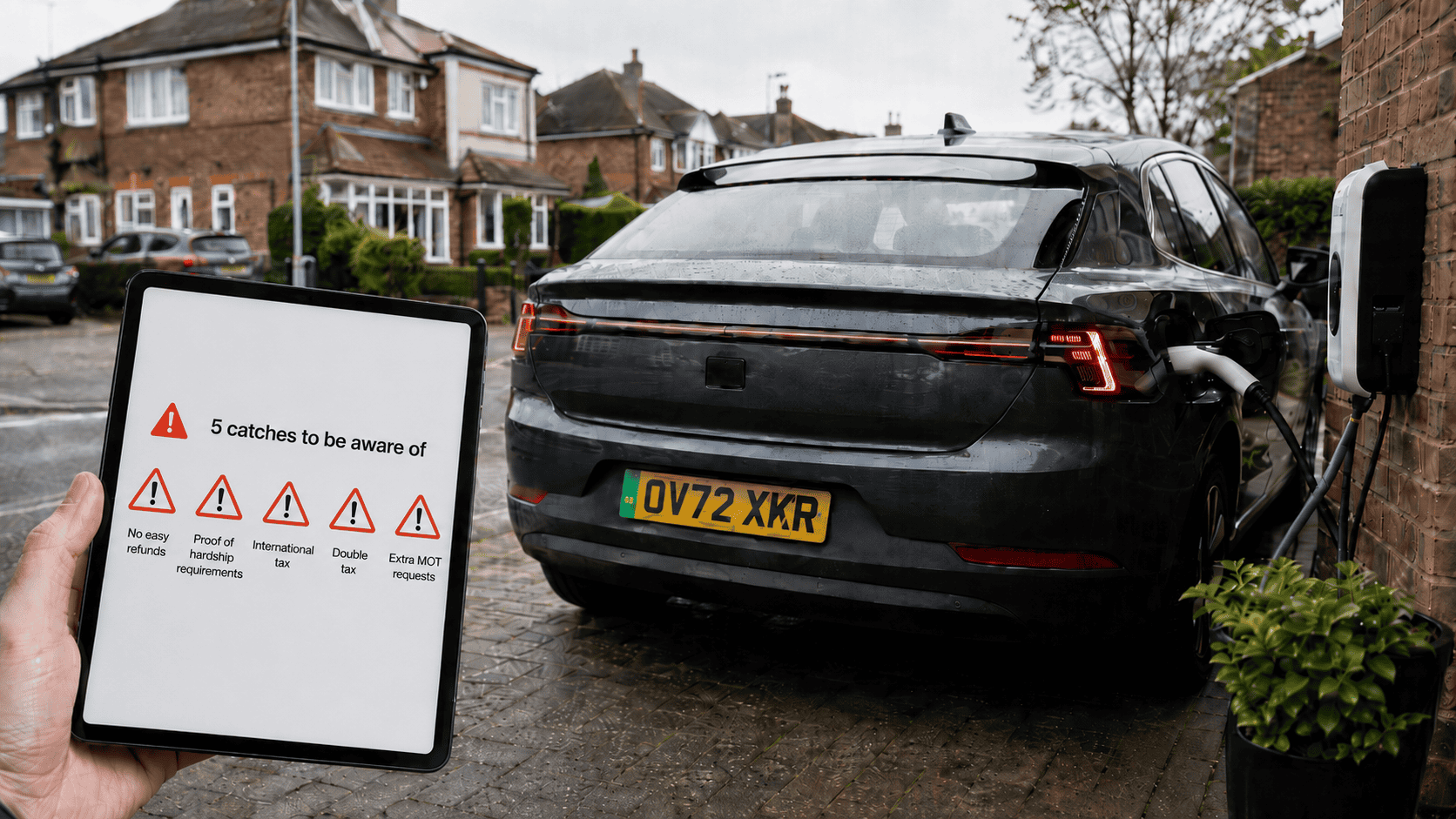
What a £10 Per Kilogram Car Tax Could Cost Drivers if Treasury Adopts It
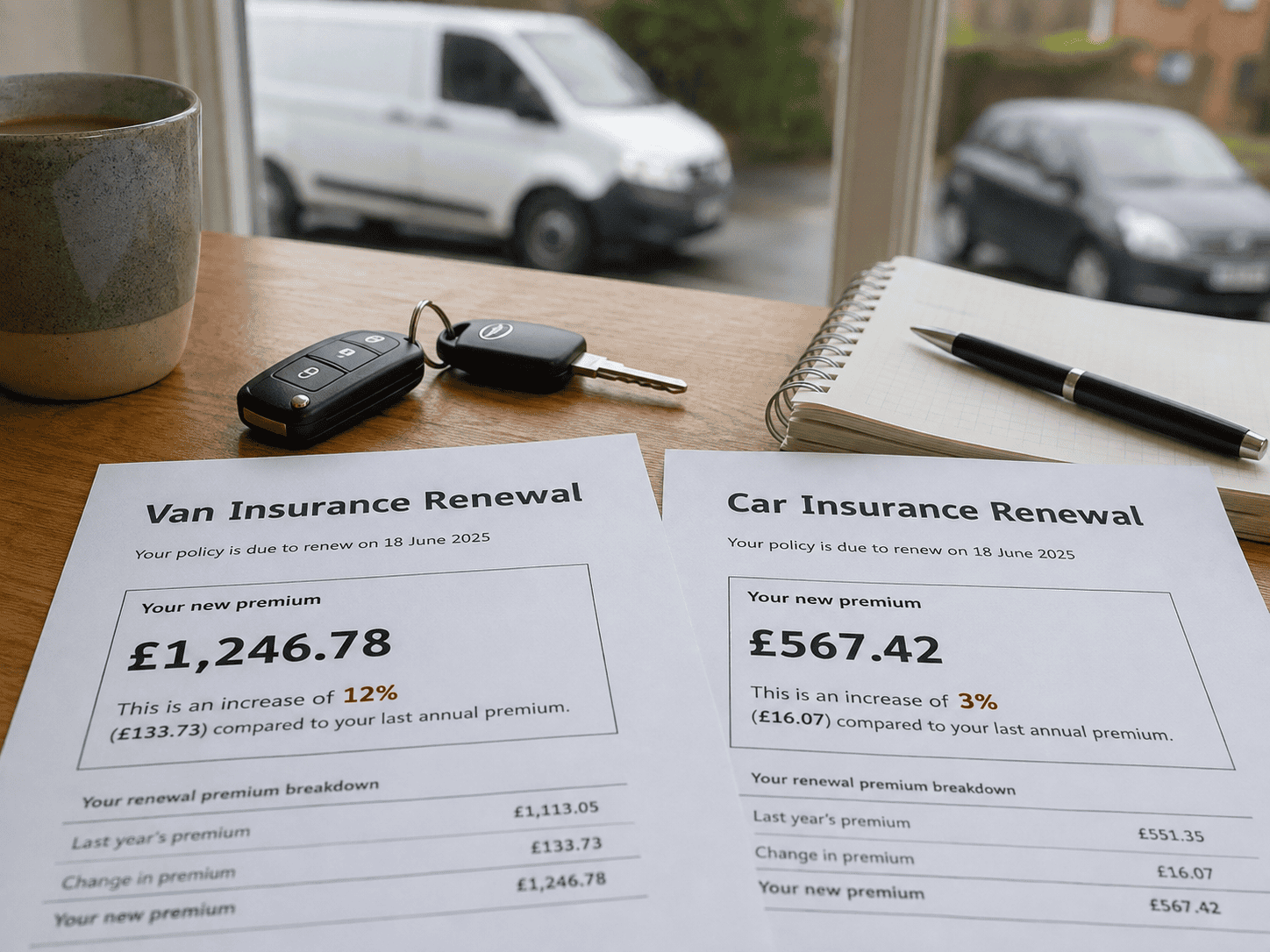
What the Frozen £40,000 Car Tax Threshold Means for Almost a Million UK Drivers
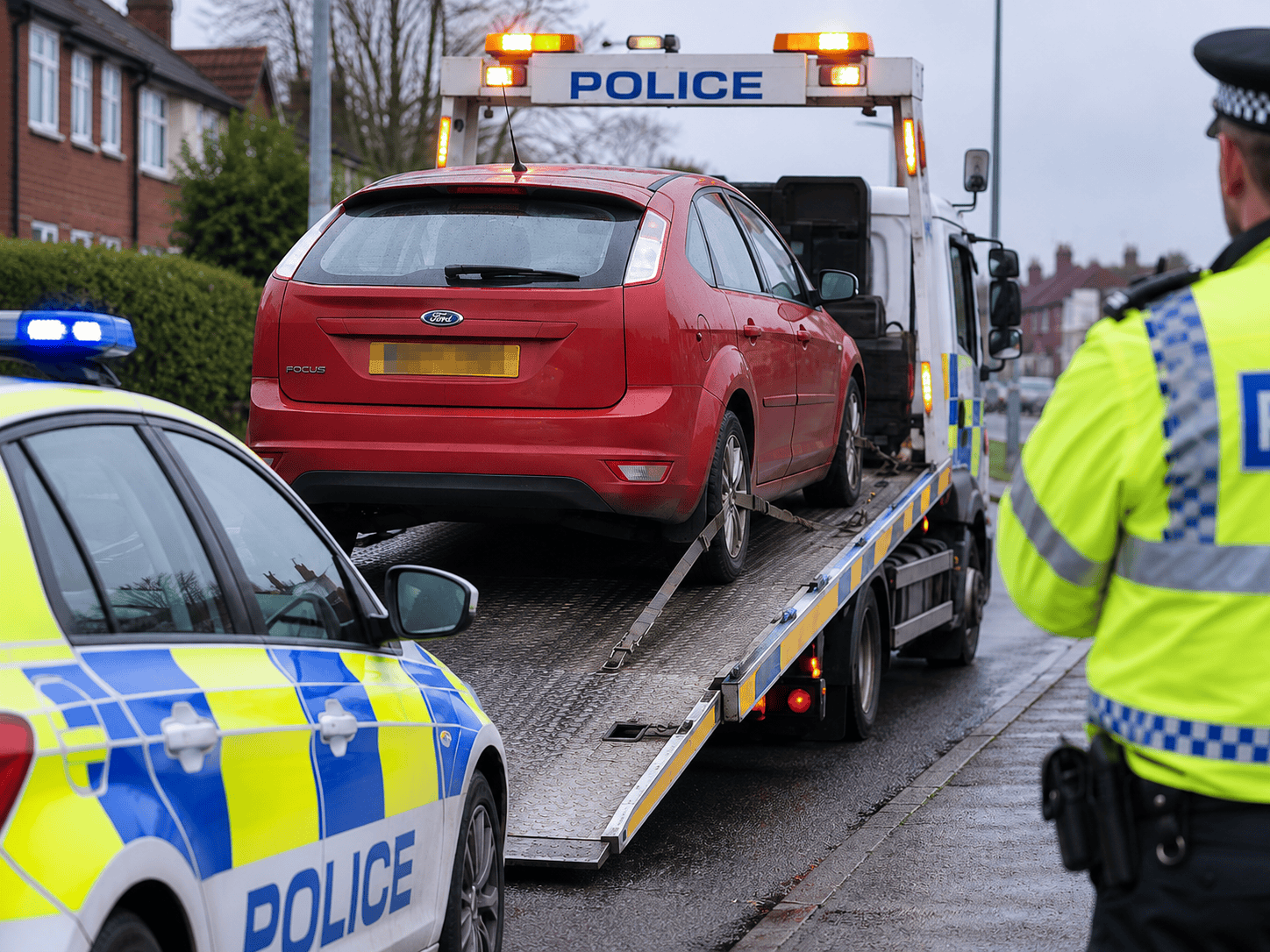
DfT Asks Whether Fake Number Plates and Untaxed Cars Should Mean Points and Seizure

Every Driver Faces Higher Crash Risk After Clocks Go Back as AA Claims Jump 8%
Trending on Motoring Chronicle
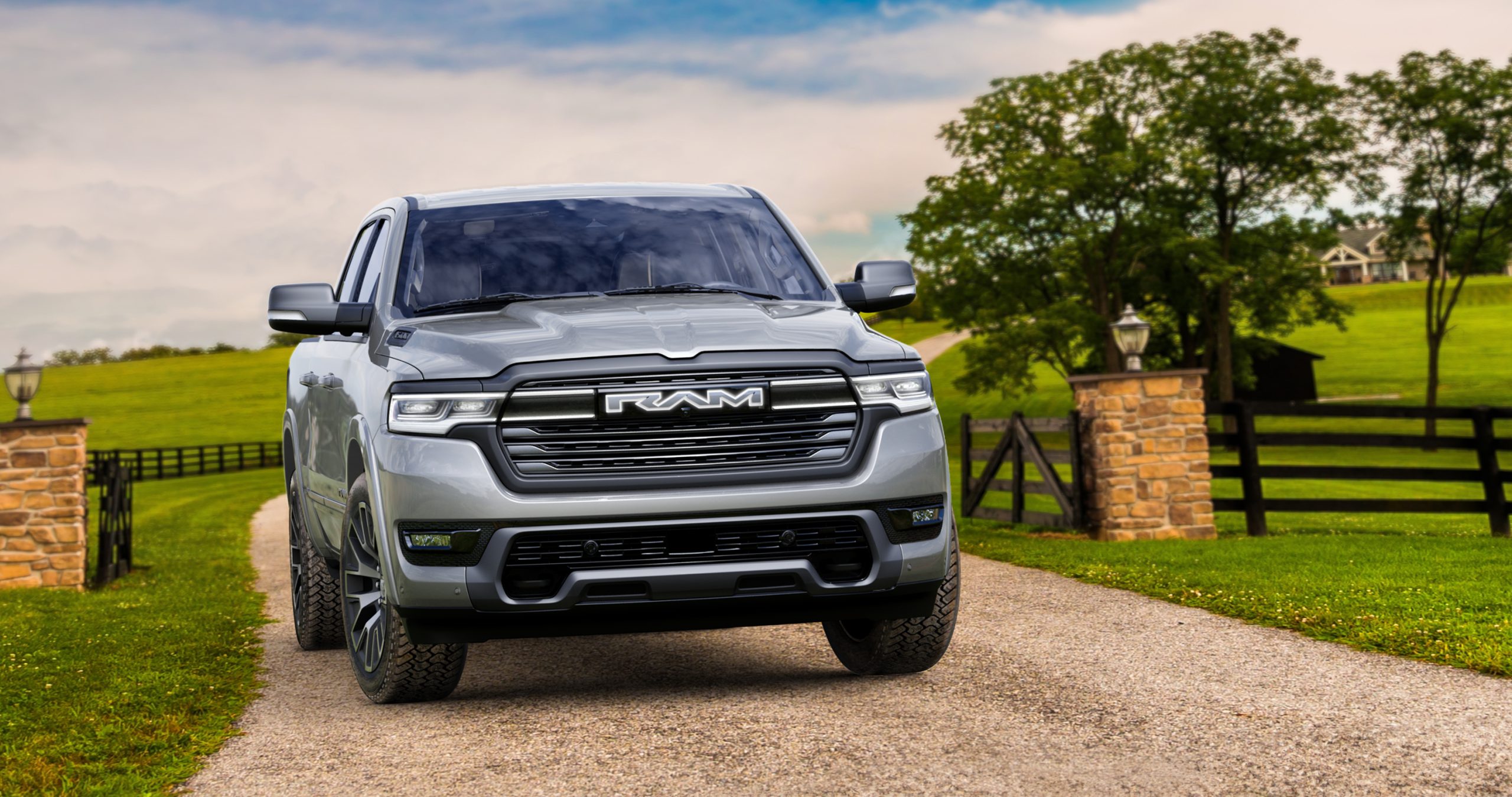
How Taller Truck and SUV Hoods Are Killing Hundreds of US Pedestrians a Year

A historic meeting of Bugatti trailblazers on the track – the Type 35 and the 100-year anniversary Bolide [Photo Gallery]

Rolls-Royce ‘Makers of the Marque’: Eric Platford

Aston Martin Vanquish – an icon returns to reign supreme [Photo Gallery]