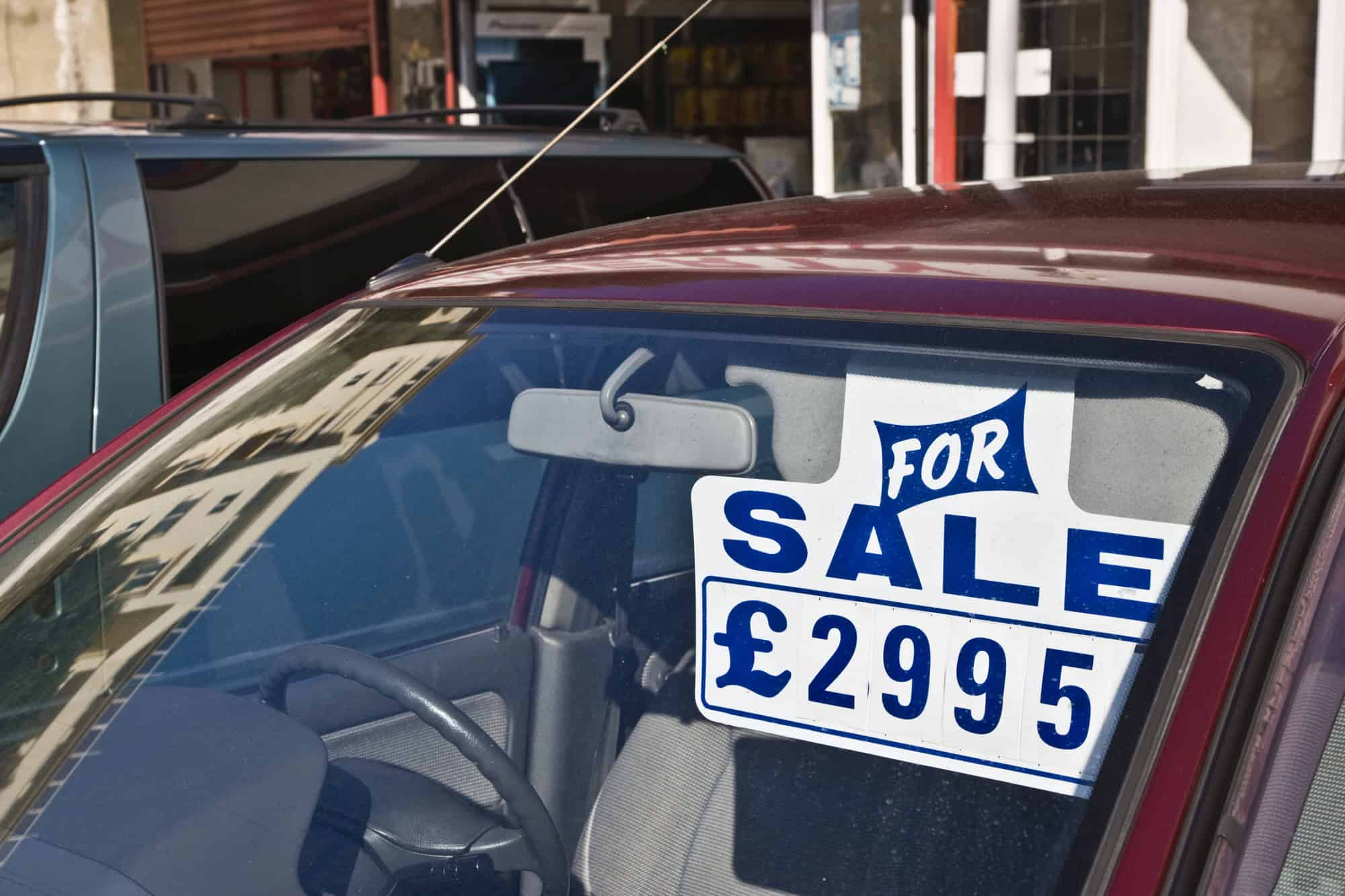
Car Insurance Premiums Nearly Triple After 75 And It Is Pushing Older Drivers Off The Road


Between the ages of 66 and 70, drivers in the UK pay some of the lowest car insurance premiums of any age group. Decades of experience, clean driving records, and lower annual mileage combine to make this the sweet spot for affordable cover, with average premiums sitting around £261 to £405 depending on the provider and data source. It is the reward for a lifetime of safe driving.
That reward does not last. After 70, premiums begin to climb. By 75 to 84, the average rises to around £417. After 85, it can spike by as much as 78 per cent to £700 or more. And for drivers in their late eighties and nineties, the problem is not just the cost. It is finding an insurer willing to offer a quote at all.
For older drivers on fixed incomes who depend on their car for independence, medical appointments, and social contact, the annual insurance renewal is becoming one of the most stressful moments of the year. Combined with rising fuel costs, the increase in Vehicle Excise Duty, and the prospect of mandatory eyesight testing at licence renewal, car insurance is one part of a broader financial squeeze that is pushing some older motorists off the road not because they are unfit to drive, but because they can no longer afford to.
The Numbers Behind The Increase
The overall UK average car insurance premium currently sits at around £550 to £580, depending on which index you use. The ABI recorded an average of £551 in the third quarter of 2025, and the Quotezone Car Insurance Price Index places the 2026 figure at £579. These averages cover all age groups and mask the enormous variation that exists at either end of the age spectrum.
Young drivers aged 17 to 24 pay the highest premiums of any group, often exceeding £1,500 or more for comprehensive cover. Premiums then fall steadily through the thirties, forties, and fifties as drivers accumulate experience and no-claims bonuses. The lowest point arrives in the late sixties, where a combination of experience, lower mileage, and statistical evidence of fewer claims produces the cheapest quotes.
After 70, the curve reverses. Insurers begin to factor in age-related risk: slower reaction times, the increased likelihood of medical conditions that can affect driving, and crucially, the higher cost of injuries sustained by older people in collisions. A minor impact that a 40-year-old walks away from can result in hospitalisation for an 80-year-old, and it is the cost of those injury claims, not the frequency of accidents, that drives the premium increase.
By the time a driver reaches their mid-eighties, the pool of insurers willing to provide cover shrinks dramatically. Mainstream comparison sites may return very few results, and the quotes that do appear can be two or three times what the same driver was paying a decade earlier. Some drivers report being refused cover entirely, particularly if they have a medical condition that the DVLA requires them to declare, even if that condition does not prevent them from holding a valid licence.
Why Insurers Price It This Way
The insurance industry’s position is that premiums reflect risk, and the data supports the claim that older drivers, while involved in fewer accidents per mile driven, are involved in accidents that cost more to settle. The injury severity factor is the primary driver. Older bodies are more fragile, recovery times are longer, and the likelihood of ongoing care or rehabilitation is higher. From an actuarial standpoint, a policy covering an 82-year-old carries a higher expected claims cost than one covering a 62-year-old, even if the 82-year-old drives fewer miles.
The rising complexity and repair cost of modern vehicles adds another layer. Cars built in the last five years increasingly feature aluminium body panels, advanced driver assistance systems with radar and camera units embedded in bumpers and windscreens, and sophisticated electronics that must be recalibrated after even minor bodywork repairs. A low-speed car park collision that would have cost £500 to repair a decade ago can now generate a bill exceeding £2,000. These costs feed into premiums across all age groups, but they hit older drivers particularly hard because they compound with the age-related risk loading.
Some insurers now require older drivers to accept a telematics box, a device fitted to the car that monitors driving behaviour including speed, braking, cornering, and time of day. For low-mileage drivers with good habits, telematics can actually reduce premiums by proving to the insurer that the driver is lower risk than their age alone would suggest. But many older drivers are uncomfortable with the surveillance element, and for those who are not technologically confident, the requirement can feel like an additional barrier.
The Triple Squeeze
Car insurance is not the only cost rising for older motorists. Vehicle Excise Duty increased in April 2026, with the standard rate now sitting at £200 per year and first-year rates on new vehicles roughly doubling across most bands. For older drivers on pre-2017 registered cars, the annual VED bill is permanent and band-dependent, with some paying over £300 per year.
Fuel costs remain volatile, and while they have stabilised somewhat from the peaks of recent years, they are still significantly higher than the levels most retired drivers budgeted for when they planned their retirement income. A driver covering 5,000 miles a year in a car averaging 35 miles per gallon is spending roughly £1,000 annually on fuel alone at current pump prices.
The government’s ongoing consultation on mandatory eyesight testing for drivers over 70, as we covered in our piece on the biggest shake-up of driving laws in years, adds a further dimension. While the proposal is aimed at improving road safety, the practical effect for older drivers is another layer of scrutiny, another potential cost, and another point at which their right to drive could be challenged.
Add it all together and the picture for a driver in their late seventies or early eighties looks like this: insurance that has doubled or tripled from its lowest point, VED at £200 or more, fuel at £1,000 a year, servicing and MOT costs, and the looming possibility of mandatory medical or eyesight checks at renewal. For someone living on a state pension of roughly £950 per month, these costs consume a significant proportion of their income.
As our research into why giving up driving can feel like losing your identity explored, the decision to stop driving is rarely just about transport. For many older people, their car represents independence, social connection, and the ability to live on their own terms. Being priced off the road achieves the same outcome as being medically disqualified, but without any assessment of whether the driver is actually unfit. It is a financial judgement, not a safety one.
How To Keep Your Premiums Down
The single most effective step any older driver can take is to never auto-renew. Insurers routinely increase premiums at renewal for existing customers, relying on inertia to retain policyholders who do not shop around. Comparison sites such as MoneySupermarket, Compare the Market, and GoCompare will show what is available, but older drivers should also check specialist providers directly. Saga, Ageas, and LV all offer policies specifically designed for older drivers, and their quotes may not always appear on mainstream comparison platforms.
Consider telematics if you are a low-mileage driver. A black box policy that records your actual driving behaviour can work in your favour if you drive carefully and cover relatively few miles. The data replaces the insurer’s assumptions about your age with evidence about your actual risk, and for many older drivers, the result is a lower premium.
If you are eligible for the Motability Scheme, the insurance included in that package covers up to three drivers and is not subject to the same age-based pricing as the open market. For drivers receiving the enhanced rate of the mobility component of PIP, this can represent significantly better value than arranging cover independently, though as we covered in our piece on the seven things Motability insurance does not cover, it is important to understand the exclusions.
Check your voluntary excess. Increasing the amount you are willing to pay in the event of a claim can reduce the annual premium, though this needs to be balanced against your ability to actually pay the excess if needed. For a driver who has not made a claim in decades, a higher excess may be a reasonable trade-off.
Finally, review your cover level. Many older drivers carry comprehensive cover on vehicles that have depreciated to the point where the car’s market value is less than a year’s premium. In some cases, switching to third-party, fire and theft cover for a low-value vehicle can reduce the annual cost significantly, though this means accepting that damage to your own car will not be covered.
The cost of insuring an older driver is unlikely to fall. But understanding how premiums are calculated, knowing which providers specialise in this market, and refusing to accept the first renewal quote you receive can make the difference between staying on the road and being forced off it.
Sources
What Happens to Car Insurance Premiums as You Get Older (Rest Less) How Much Does Car Insurance Cost in 2026 (Brumble) Average UK Car Insurance Cost 2026 (Quotezone) Age and Motor Insurance (ABI) Do Older Drivers Really Pay More for Car Insurance (Which?)

Leave a Comment
More in News

How to Remove Moisture From Inside Your Headlight Before It Costs You £500
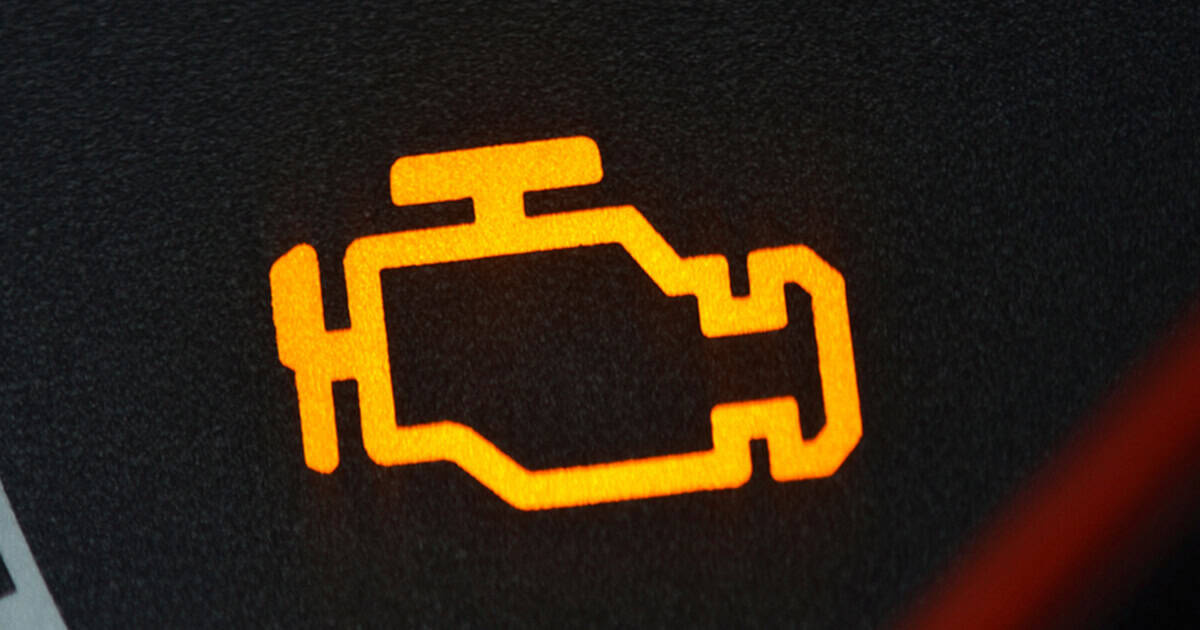
What Red and Amber Warning Lights Actually Mean (and Which Fail an MOT)

How to De-Ice Your Windscreen Fast Without Cracking It (and Staying Legal)

New Cars Face Euro 7 Rules From 29 November With a £264 Price Rise
What the Traffic Penalty Tribunal’s 33 Percent Success Rate Means for Every Driver
Trending on Motoring Chronicle

DENZA Z Supercar Confirms UK Pricing From £142,900 With 1,604PS

Why Every Learner Driver Needs to Know About the June 9 Test Booking Rule

It Is Now Illegal for Your Instructor to Book Your Driving Test: What Changed on 12 May

Introducing Toyota’s Bold New Side-by-Side Concept, the Scion 01