Birmingham’s Clean Air Zone Has Now Raised £57 Million From Non-Compliant Drivers
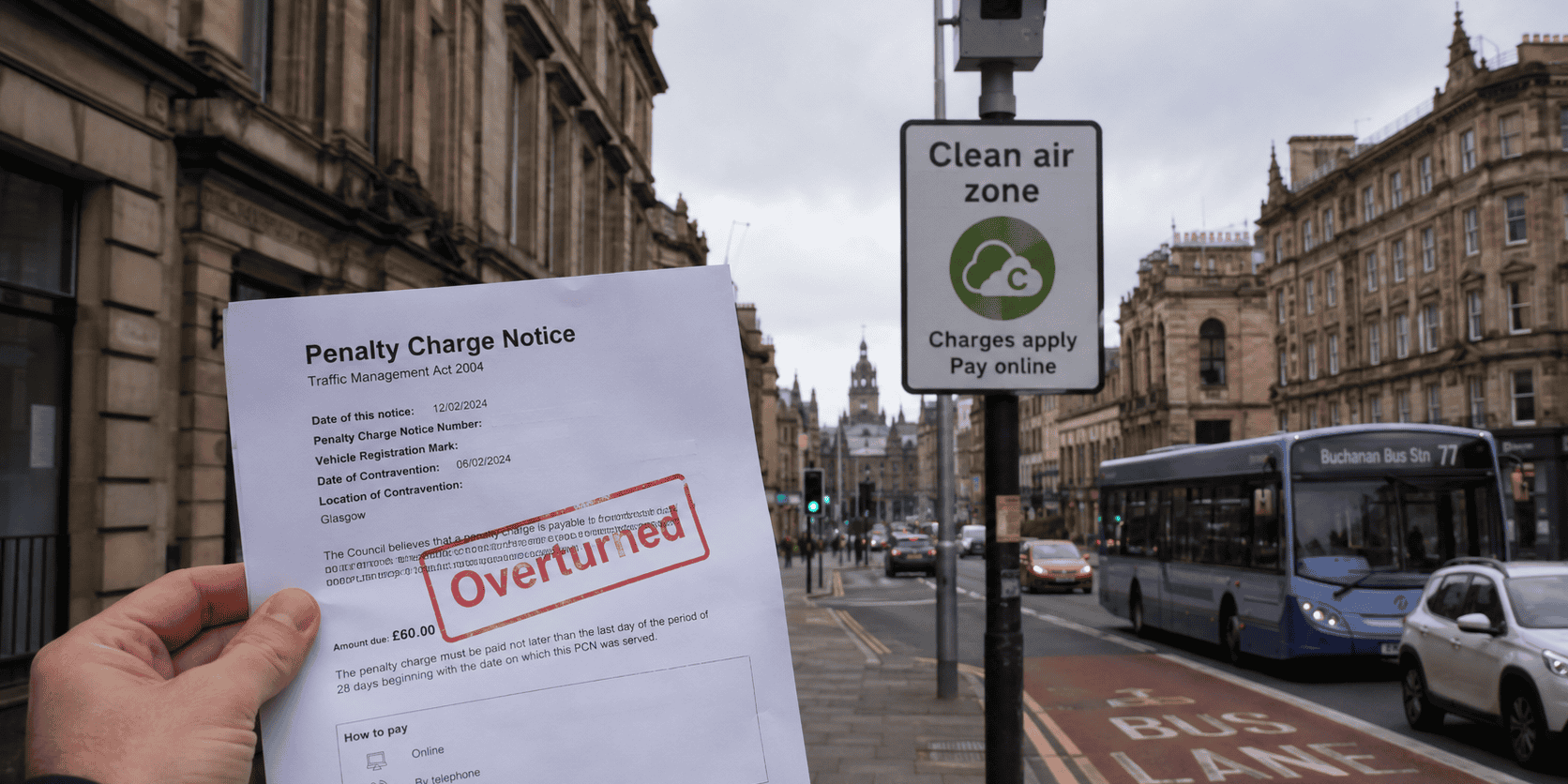
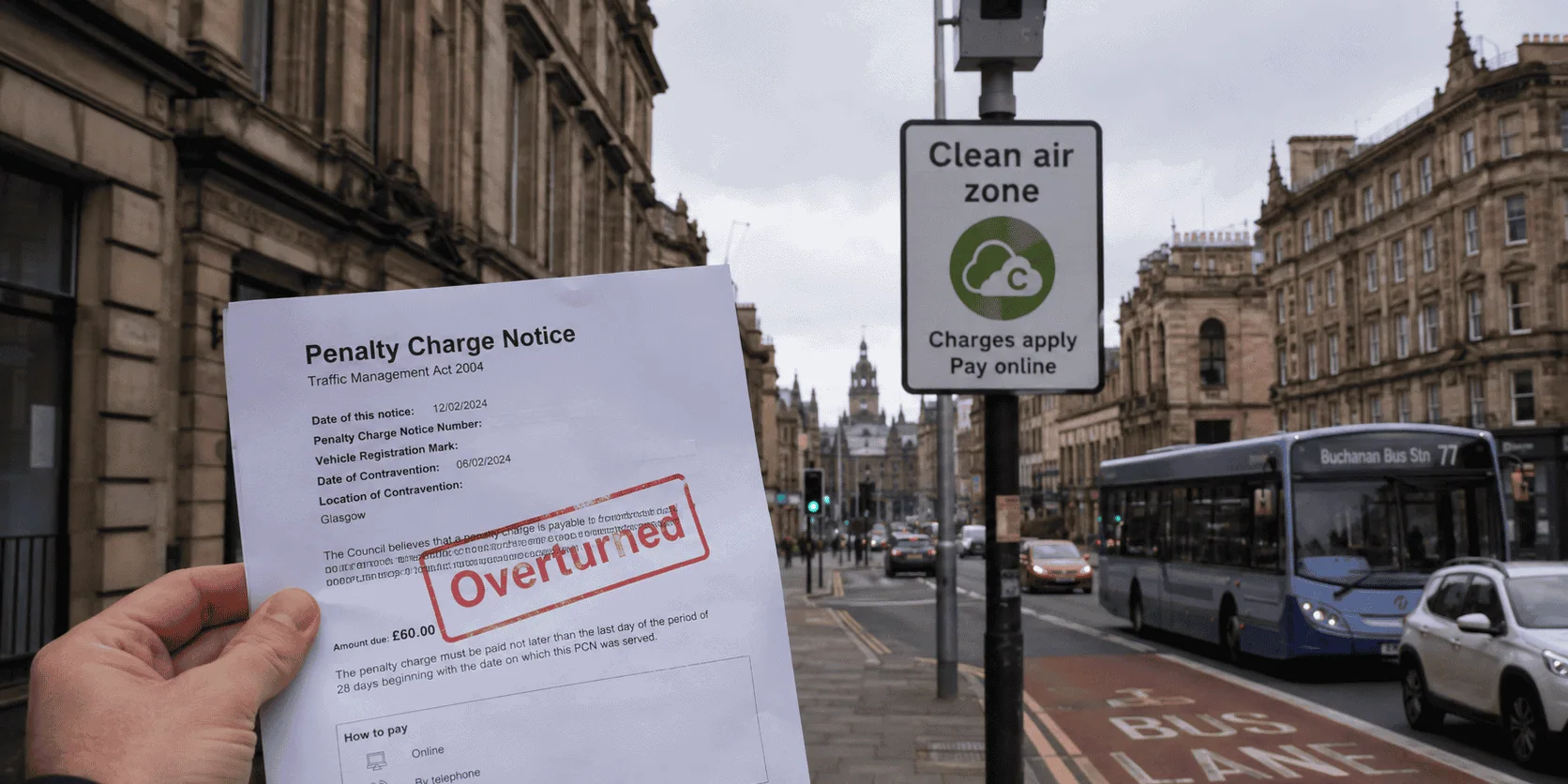
- Birmingham City Council has allocated more than £57 million in net surplus revenue from its Clean Air Zone in the years following the scheme’s 2021 launch.
- Drivers of non-compliant cars and vans pay £8 a day to enter Birmingham’s zone and £9 a day in Bristol, with unpaid charges escalating to a £120 penalty, cut to £60 if settled within 14 days.
- The share of non-compliant vehicles entering Birmingham’s zone has fallen from 15.2 percent in June 2021 to 3.8 percent in August 2025, even as the charge keeps raising money from those who remain.
Birmingham and Bristol are the only two English cities that charge ordinary private car drivers to enter a Clean Air Zone, and the money has added up fast. Birmingham City Council’s own figures show it has now allocated more than £57 million of net surplus revenue from the zone, dating back to when it went live in June 2021, funding projects that range from a trial of hydrogen buses to upgrades at University railway station. The council’s draft Statement of Accounts for 2025/26 was signed off by its finance director on 30 June 2026 and is now with external auditors Grant Thornton, formalising the latest year of income from a scheme that was never meant to turn a profit but has generated a large and growing surplus regardless.
The charge itself is simple and easy to overlook until it lands. Anyone driving a non-compliant car or light van into Birmingham’s zone pays £8 for every day they are inside it. Bristol charges £9 a day for the same category of vehicle. Miss the charge and it escalates into a Penalty Charge Notice worth £120, which drops to £60 if a driver pays within 14 days. For a driver who commutes into either city daily in a car that fails the standard, that is £40 to £45 a week, or somewhere between roughly £2,000 and £2,340 across a working year, before a single missed payment turns into a fine.
Neither council publishes the charge in a way that makes the scale of it obvious at a glance. It appears as a daily figure on a payment page, not as an annual cost, which is part of why so many drivers underestimate what regular non-compliant journeys into either city actually add up to over twelve months. A driver who enters the zone only occasionally, for a weekly shop or a one-off appointment, faces a far smaller bill, but the daily rate applies in full regardless of how long the vehicle is inside the boundary that day, whether that is ten minutes or ten hours.
Compliance is rising, but the charge is not going anywhere
The zones are working in the narrow sense of changing driver behaviour. Birmingham’s own data shows the proportion of vehicles entering the zone that fail to meet its emissions standard has fallen from 15.2 percent in June 2021, shortly after the scheme began, to 3.8 percent by August 2025. That is a genuine shift, driven by a mix of drivers upgrading to compliant vehicles, avoiding the zone altogether and taking up the financial support the council offers toward cleaner cars.
What has not changed is the charge itself, or the council’s reliance on it. Bristol’s council has set out fee changes for the zone that its own projections say will cost the scheme between roughly £400,000 in 2026/27 and £1.2 million in 2027/28 in reduced surplus, an indication of how closely tied the zones’ finances are to the volume of non-compliant traffic still passing through them. Seven Clean Air Zones now operate across England, covering Bath and North East Somerset, Birmingham, Bradford, Bristol, Portsmouth, Sheffield and Rotherham, and Tyneside, but Birmingham and Bristol remain the only two that apply the daily charge to ordinary private cars rather than just to buses, taxis, vans and heavier commercial vehicles.
By rule, every pound the zones raise beyond their running costs, which cover the cameras, signage and administration needed to operate them, has to be reinvested in local transport or in helping affected drivers upgrade. Birmingham has put its surplus toward transport schemes including a hydrogen bus trial and station works, while historic figures reported in local media put the zone’s income at well over £100 million in charges and fines across its first three years of operation, more than £73 million of that from fines alone. The scale of that early fine total, much of it from drivers who did not realise or did not act on the fact that their vehicle no longer qualified, is part of why council enforcement and public awareness of the scheme have both grown more prominent in the years that followed.
Neither council presents the zones as a source of general funding, and the accounting rules mean they cannot legally be run for profit. What the figures do show is that a scheme built to change driving habits is still collecting a substantial and rising sum each year from the minority of drivers whose vehicles fall short, a minority that is shrinking in percentage terms but has not disappeared.
Can you avoid it
The most direct way to avoid the charge is to know, before you drive in, whether your vehicle is compliant. Both councils run free online vehicle checkers where a driver can enter their number plate and get an immediate answer. As a rule of thumb, petrol cars and vans need to meet the Euro 4 emissions standard, which covers the large majority of petrol vehicles registered from 2006 onward, while diesel vehicles need to meet the stricter Euro 6 standard, which generally means diesels registered from around September 2015. Anything older than those thresholds is likely to be charged, though the only way to be certain is to check the specific vehicle.
Both Birmingham and Bristol offer financial support schemes to help drivers of non-compliant vehicles upgrade, including grants and finance support that have been used to fund cleaner replacement vehicles rather than leaving drivers to absorb the daily charge indefinitely. Certain vehicle categories are exempt regardless of compliance status, including some vehicles used by disabled drivers with the right benefit or badge, agricultural vehicles, and specialist vehicles such as showman’s vehicles, though exemptions vary between the two councils and need to be checked individually rather than assumed.
For drivers who only pass through occasionally, planning a route around the zone boundary, which both councils publish as an interactive map, avoids the charge entirely without needing to change the vehicle at all. Anyone who has already been charged in error, where a compliant vehicle was not correctly recorded on the system, for example, can apply for a refund directly through the council’s website rather than simply paying and moving on. The single costliest mistake is doing nothing: letting an unpaid daily charge run on for weeks is how an £8 or £9 charge turns into a £120 penalty notice for drivers who never intended to enter the zone in a non-compliant vehicle in the first place.
Visiting drivers unfamiliar with either city are especially exposed: most in-car route finders do not automatically flag a Clean Air Zone boundary the way they flag a speed limit. Anyone planning to drive into Birmingham or Bristol from outside the area, including for a one-off event, a hospital appointment or a family visit, is better off checking the vehicle against the relevant council’s checker before setting off rather than discovering the charge applies after the fact. The charge itself must be paid by midnight on the sixth day after the journey at the latest; miss that window and the Penalty Charge Notice becomes the only way to settle it, at double the highest daily rate before any early payment discount is applied.
Sources: Birmingham City Council, Draft Statement of Accounts 2025 to 2026, signed 30 June 2026, and Clean Air Zone progress reporting (Brum Breathes, January 2026 update, non-compliance rate June 2021 to August 2025); Bristol City Council, Clean Air Zone charges and Penalty Charge Notices revenue, bristol.gov.uk, and Bristol Clean Air Zone fee change projections for 2026/27 to 2028/29.

Leave a Comment
More in News

Will Cracked Tyres Fail an MOT? The Line the Tester Works To

Home Charging Saves EV Drivers £1,240 a Year Over Diesel, Ofgem Cap Shows

How to Open a Frozen Car Door Without Breaking the Handle or Seal
Diesel Drivers Covering 10,000 Miles Now Pay £2,020 in Fuel, RAC Data Shows

What Your Car Service Actually Includes (and Which One You Need)
Trending on Motoring Chronicle
AION V Lands in UK With Eight-Year Warranty and Servicing Package Worth £2,900
Why The Toyota C-HR Has Just Overtaken The Ford Fiesta As Britain’s Most Stolen Car
The Government Wants To Test Your Eyes At 70, Fit Breathalysers To Cars And Lower The Drink Drive Limit

Every Driver’s Car Insurance Could Rise 3 Percent More Before Christmas, Data Shows