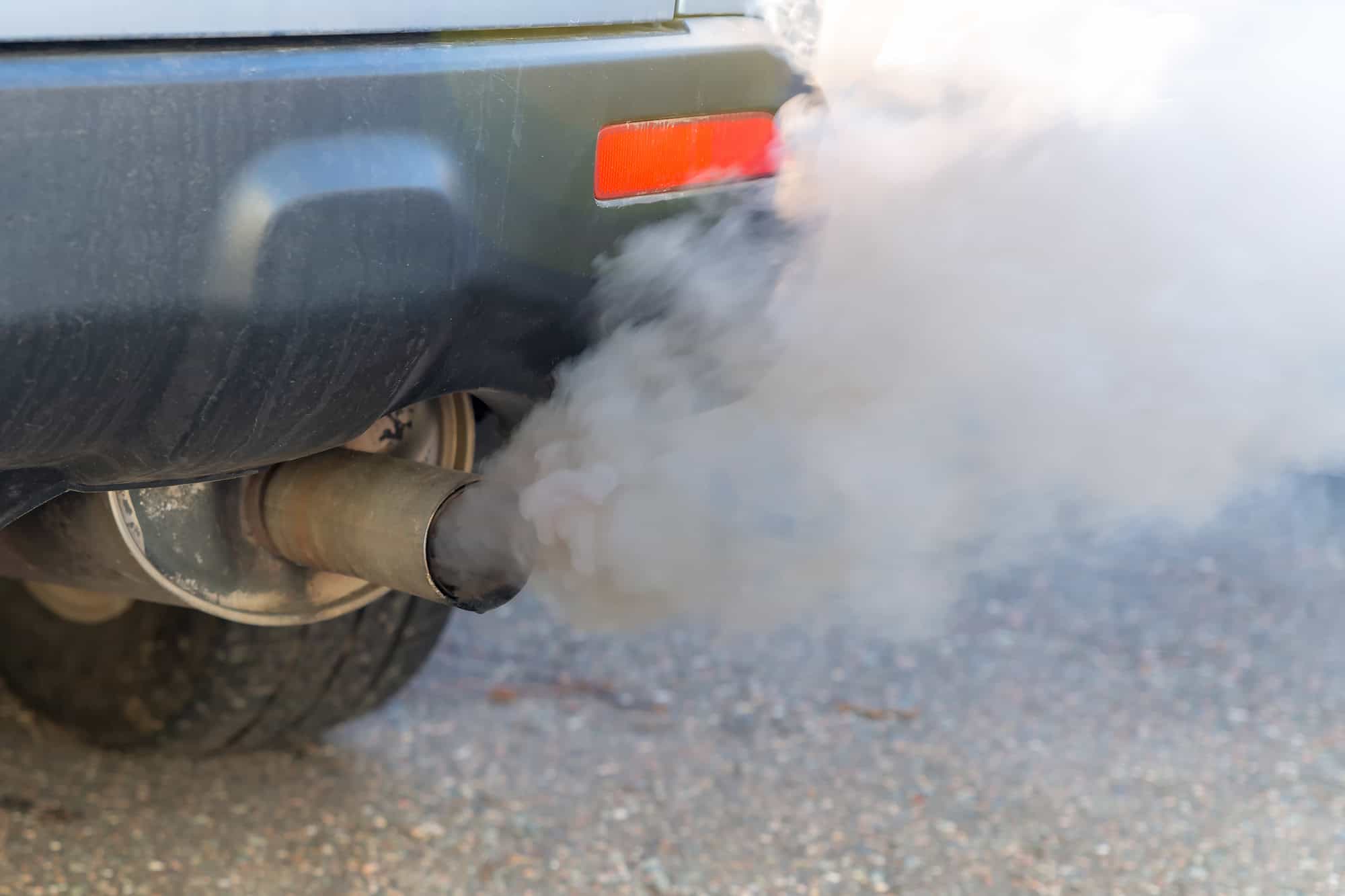
- Vehicles driven in certain French mountain regions between 1 November and 31 March must be fitted with winter tyres or chains, and drivers without them can be fined.
- A UK photocard licence needs no international driving permit in France, Austria or the rest of the EU, while a paper licence holder might need to update it or buy a permit for 5.50 pounds.
- Austrian motorways need a vignette sticker inside the windscreen, and a UK number plate without the Union flag identifier needs a UK sticker on the rear.
The Paperwork That Decides Whether the Trip Starts at the Hire Desk or the Border
A family Christmas in the Alps depends on a handful of small items that cost little and take minutes to check. A missing sticker, an out of date licence or a set of summer tyres in the wrong region turns that trip into a fine or a refused rental. The government’s driving abroad guidance lists exactly what to carry, and the Foreign Office travel advice for France and Austria adds the rules that catch winter drivers.
The France page was updated on 22 October 2026, so its winter tyre rule is current. The period it covers runs from 1 November to 31 March, which means it is already in force. Vehicles driven in certain mountain regions in that window must be fitted with winter tyres or chains, and a driver without them could be fined. Which regions, which vehicles and which type of tyre or chain are set out on the French public services website, which the Foreign Office page points to in English.
That makes the first job a check on the map rather than on the car. Find the resort, find the roads leading to it, and read the French rule for that area before the car leaves the driveway. A hire car adds a second question for the desk, and the guidance makes the hirer responsible for checking the car has the equipment the country requires.
What the Licence, Insurance and Documents Rules Say
Every driver carries a current driving licence from Great Britain or Northern Ireland. The guidance tells drivers to check it is still valid and to renew it online if it has expired or is about to. A lost, stolen, damaged or destroyed licence has to be replaced before leaving. An online application should bring the new licence within 5 days, and a postal application takes longer, so a replacement left to the last week is a gamble.
The licence format decides who needs extra paper. A photocard licence needs no international driving permit (IDP) in the EU, Switzerland, Norway, Iceland or Liechtenstein, and the IDP table lists France and Austria among them. Paper licences are where the trouble starts, along with licences from Gibraltar, Guernsey, Jersey or the Isle of Man. Those holders might need an IDP in some EU countries and in Norway, and the guidance tells paper licence holders to update to a photocard or get a permit. The France page says a paper licence holder might need to do either. The Austria page says an update to a photocard might be needed.
An IDP costs 5.50 pounds and comes in person from certain shops with a PayPoint terminal. The applicant must live in Great Britain or Northern Ireland, hold a full UK licence and be 18 or over. The IDP table lists the 1968 type for both France and Austria, and a driver crossing several countries might need more than one type. Two drivers with paper licences sharing the wheel to Austria, each needing a permit, would pay 11.00 pounds between them.
Insurance is simpler. All UK vehicle insurance gives the minimum third party cover in the EU, Ireland included. No green card is needed in the EU, Andorra, Bosnia and Herzegovina, Iceland, Liechtenstein, Norway, Serbia or Switzerland, but the cover itself must be valid. Austria’s page adds that drivers must carry insurance and vehicle ownership documents. For a car taken to the EU for under 12 months, that means the V5C log book, or a VE103 certificate for a hired or leased vehicle.
What Your Plate, Your Tyres and Your Windscreen Must Show
The UK identifier is the item most drivers overlook. A plate carrying the UK identifier beside the Union flag needs no sticker. Four plate styles do need a UK sticker on the rear of the car: GB with the Union flag, a Euro symbol, the flag of England, Scotland or Wales, or plain letters and numbers with no flag at all. Spain, Cyprus and Malta require the sticker whatever the plate shows, and Ireland needs neither a sticker nor an identifier.
All vehicles on motorways and expressways are subject to tolls, and the proof is a vignette, a sticker displayed inside the windscreen. A driver who uses the motorways without one could get a fine. Fit it before the first motorway mile.
France adds a pollution sticker for some cities. Any vehicle in the centre of Paris, Lyon or Grenoble between 8am and 8pm from Monday to Friday must display one, and officials can inspect at any hour, and pollution levels influence how often. High emissions rule some older vehicles out of a sticker altogether, and those vehicles must stay out of central Paris in the same weekday hours. The driving abroad guidance says emission stickers can need buying weeks before travel. Other items that can be required include a reflective jacket and warning triangle in many countries, and headlight converter stickers.
Tyres are the winter item. Chains and winter tyres are the legal answer in the French regions the rule covers, and the full explanation of what winter tyres actually do covers the choice between them. Drivers who use chains should check which type the French public services site specifies for their vehicle.
What Drivers Can Do Before Leaving
Work back from the departure date. Four weeks out, check the licence and decide whether a paper licence needs updating or a permit. Order a replacement then, not in the last days. The same window suits the French pollution sticker and the Austrian vignette, and the guidance says emission stickers can need buying weeks before the trip.
Hire car drivers have one more step. The hire company can ask to see licence details at pick up, and a licence check code shares them. The code can be generated up to 21 days before the trip, so it belongs in the final three weeks. A driver whose licence was issued in Northern Ireland must show the paper counterpart to the rental company instead. Hire companies often set tighter terms than the law, and the France page lists a year behind the wheel, a higher minimum age and an IDP among the common extras.
Read the country guide. Both Foreign Office pages send drivers to the RAC’s France and Austria guides, which list driving regulations and legal requirements. Check the car itself against the winter driving checks the emergency services recommend, as a mountain pass is a poor place to find a flat battery or worn tread.
Towing a trailer or caravan abroad adds its own paperwork. A trailer over 750kg needs category BE on the licence, which is added free with form D1, a letter saying the driver is travelling abroad and the licence itself. Trailers might also need registering, and a green card or extra insurance might be needed.
What to Carry and Do on the Road
Police in France hand out on-the-spot fines for driving offences, speeding included. The country has strict drink driving laws, with a limit set a third below the English and Welsh one, and officers carry out roadside checks for alcohol and drugs as a matter of routine. A driver over the limit risks a fine, the loss of a licence or prison.
Long drives need a plan. The Foreign Office advice is to plan the trip carefully, allow for unknown roads, weather and fatigue, and take regular breaks. Doors stay locked in slow moving traffic, and the car is secured if left unattended. The orange emergency phones along French motorways are for help after an accident or when witnessing one. Real time traffic information comes on Motorways Radio at 107.7 FM in French and English, and the Bison Futé website lists traffic black spots, in French.
Mountain roads change quickly. The Foreign Office warns that conditions in mountain areas can turn difficult in winter, and tells drivers to keep water, food, warm clothing and any medicines in the car. There is a risk of avalanches, with current forecasts on the Meteo France website. Travel insurance should cover extra costs such as mountain rescue and helicopter evacuation. Slow driving on snow is a skill of its own, and the guide to leaving a 20 second gap on ice sets out the spacing.
If a collision happens in an EU country, the first call goes to the insurer. Legal action against the responsible driver or their insurer has to be brought in the country where it happened, and the claim might have to be made in the local language. Compensation is not available in some countries when an uninsured or untraceable driver caused the collision. In Austria a British driving licence does not count as official identification, and the law requires easy access to a passport.
Want more car content? Add us as a preferred source on Google to your favourites list for the best automotive news and analysis on the internet.
If you enjoyed this article, be sure to follow us on Microsoft Start.
Sources
- GOV.UK: Driving abroad
- GOV.UK: France travel advice, Safety and security
- GOV.UK: Austria travel advice, Safety and security
- GOV.UK: Driving in the EU
Reviewed by Preetam Gadekar

Leave a Comment
More in News

‘How useless of a man can you be?’: Woman from the Pacific Northwest goes to Costco car center. Then she asks a worker for help filling up her tire
CUPRA Raval VZ ABT Opens for Order From £36,995 With Hand-Fitted Racing Styling

Top All-Electric Porsche 718 Boxster Claims 0 to 100km/h in Under Three Seconds

Lexus TZ Six-Seat Electric SUV Priced From £74,895 for Spring 2027

What Every No Claims Protection Buyer Could Lose If Insurer Rules Go
Trending on Motoring Chronicle

BMW M Nürburgring Editions From $155,800 Limited to 16 Australian Cars

Every Driver Stopping in a Yellow Box Risks a £70 Council Fine
Why Car Repair Bills Have Jumped to $838 as Tariffs Push Parts Prices Higher
Councils Made Almost £1.1 Billion From Parking While Nearly Half of Appeals Succeed