Why Car Repair Bills Have Jumped to $838 as Tariffs Push Parts Prices Higher
The cost of fixing a car in America has climbed to a point where a single visit to the shop can blow a hole in a household budget. The average repair bill now sits around $838, with parts prices up roughly 25 percent as tariffs work their way through the supply chain. For the many drivers who keep an older car precisely to avoid a monthly payment, that increase lands hard, because older cars need more frequent repairs and the parts to fix them have grown more expensive.
The squeeze is real and measurable. The cost of vehicle repairs and maintenance rose more than 36 percent between 2021 and 2025, and about one in three drivers say they could not cover a surprise $500 repair without taking on debt or making a difficult financial trade-off. With the average vehicle on US roads now approaching 13 years old, more drivers are exposed to exactly the kind of bills that are rising fastest. Here is what is pushing repair costs up, why newer cars are not immune, and how to protect your budget.
What Is Driving the Increase
Several forces are pushing in the same direction at once. Parts prices have climbed sharply, with tariffs adding an estimated 25 percent to the cost of many components. Labor has grown more expensive too, with repair labor and bodywork costs each rising more than 13 percent over the 2021 to 2025 period. And the vehicles themselves have changed, carrying more electronics and sensors that make even routine repairs more involved than they were a decade ago.
The age of the national fleet amplifies all of this. The average car on American roads is now about 12.8 years old, up from 12.6 the year before, as high new and used vehicle prices push owners to hold on to what they have. An older fleet means more cars are out of warranty and into the stretch of life where suspension parts, cooling systems and other components start to fail. Drivers keeping a car longer to save money find that the savings on payments can be partly eaten up by the rising cost of keeping it running.
How Tariffs Reach Your Repair Bill
The tariff story is central to why parts cost more in 2026. Passenger vehicles and auto parts are subject to Section 232 national security tariffs of 25 percent. Because a huge share of the parts that go into both new cars and replacement repairs are imported or contain imported content, that 25 percent works its way down to the price a shop pays for a replacement bumper, headlight assembly, control arm or sensor. When the shop pays more for the part, the customer pays more for the repair.
The same tariffs are pushing up the price of the cars themselves. Average new vehicle prices in early 2026 are running roughly $8,000 to $12,000 above where they sat at the end of 2024, with the tariff component alone accounting for an estimated $4,000 to $6,000 of that jump. Higher new-car prices feed back into the repair world in two ways. They push more buyers toward keeping older vehicles that need work, and they raise the replacement value insurers must cover, which is part of why premiums have climbed in step with repair costs.
Why Newer Cars Cost More To Fix
It would be reasonable to assume that buying a newer car sidesteps the repair-cost problem, but the data points the other way for collision work. Cars under three years old now cost about 10 percent more to repair than slightly older models, because even a minor fender-bender can trigger expensive recalibration of the radar units, cameras and other electronic systems built into modern bumpers, mirrors and windshields.
The reason is the spread of driver-assistance technology. A bumper is no longer just a bumper. It can house parking sensors and a forward-facing radar that feeds automatic emergency braking and adaptive cruise control. A windshield can carry a camera that reads lane markings and traffic signs. When any of those parts is disturbed in a crash, the systems usually have to be recalibrated to factory specification, a process that requires special equipment and time. A scrape that once meant a cheap repaint can now mean a four-figure bill once calibration is included. This is also a major reason insurers have raised premiums, since the cost of restoring a damaged modern car has risen faster than the cost of the car itself.
What To Do To Protect Your Budget
The best defense against a large repair bill is preventing the repair in the first place. Keep up with the basics: oil and filter changes on schedule, regular checks of brakes, tires, belts and fluids, and prompt attention to small problems before they grow into expensive ones. A failing water pump caught early is a modest job. The same pump ignored until it strands you can take an engine with it. Following the maintenance schedule in your owner manual is the cheapest insurance you can buy against a catastrophic bill.
When a repair is unavoidable, do not accept the first quote without question. Get at least two estimates for any significant job, and ask whether quality aftermarket or recycled parts are an option, since they can cost far less than brand-new dealer parts for many repairs. Ask the shop to separate parts and labor on the estimate so you can see where the money is going. For body work, confirm whether the quote includes any required calibration, because that line item is where modern collision bills balloon.
Finally, build a cushion before you need it. Since about a third of drivers cannot absorb a surprise $500 repair, setting aside even a small amount each month into a dedicated car fund changes a crisis into an inconvenience. Aim to keep enough to cover a typical repair, somewhere in the range of the $838 national average, so that the next failure does not force a choice between fixing the car and paying another bill. Keeping the car you have in good condition, shopping repairs carefully and saving ahead are the three habits that blunt the impact of rising costs no single driver can control.
A few other moves can soften the blow. If you are buying a used car, a vehicle history report and a pre-purchase inspection by an independent mechanic can flag looming repairs before you sign, so you are not inheriting someone else expensive problem. For drivers planning to keep a car well past its factory warranty, it is worth comparing the cost of a reputable extended warranty or service contract against the likely repair bills, reading the fine print on what is actually covered, since many contracts exclude the wear items that fail most often. Treat any high-pressure sales pitch with caution and never feel rushed into signing one at the dealership.
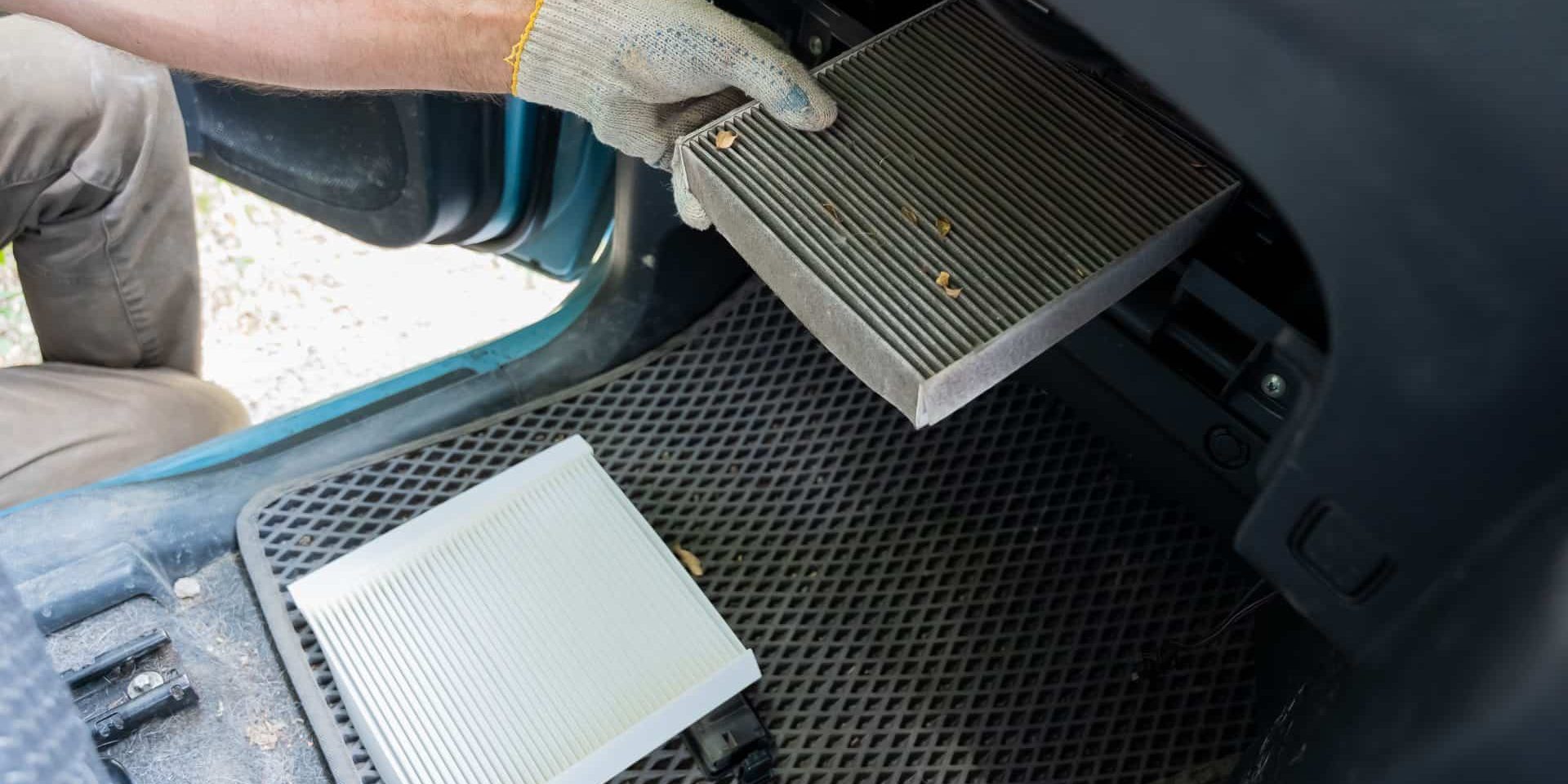
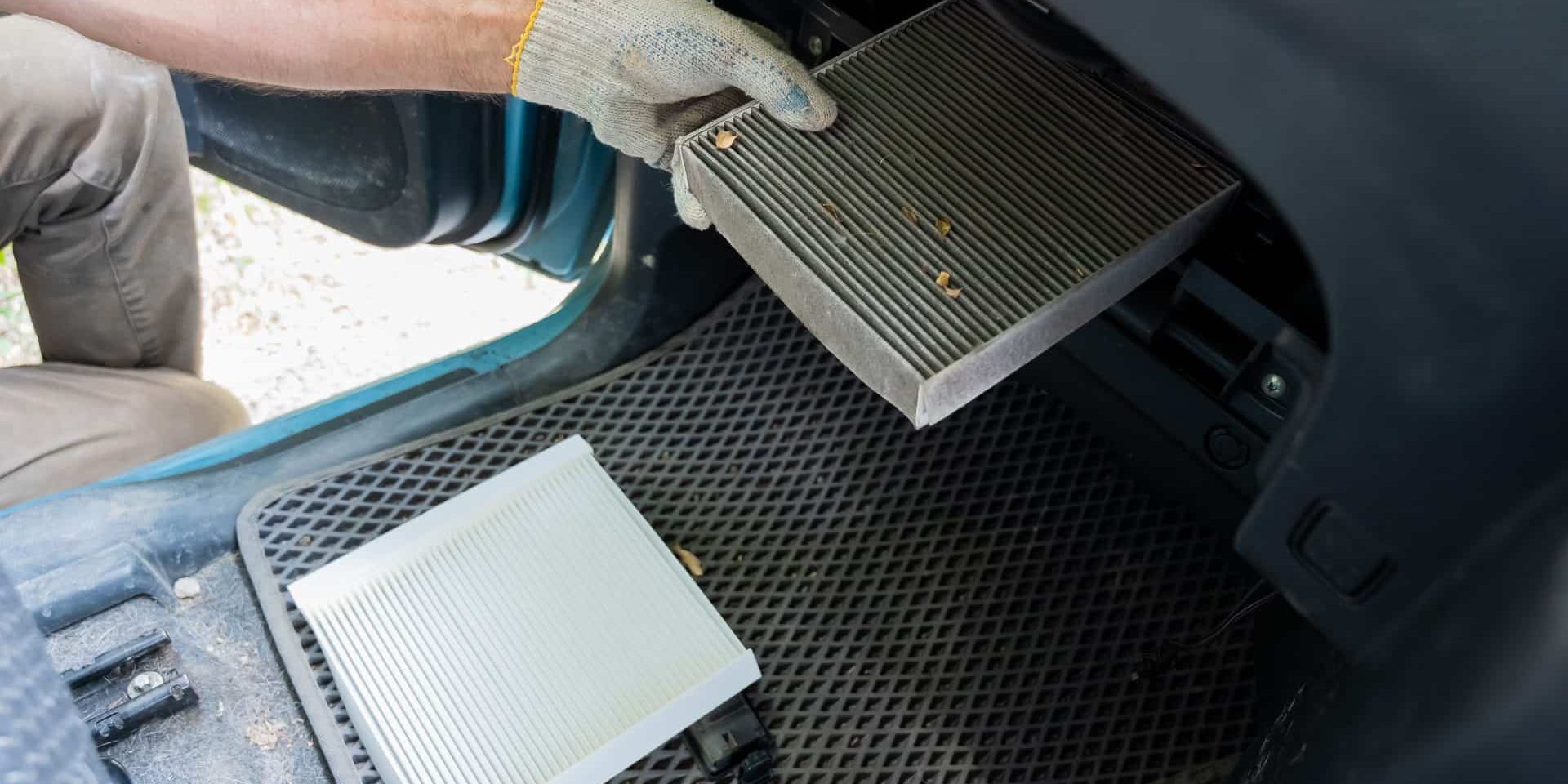
Simple jobs can also stay off the shop bill entirely. Replacing wiper blades, cabin air filters, engine air filters and some bulbs is within reach of most owners with basic tools and a short online tutorial, and the parts often cost a fraction of what a shop charges once labor is added. Knowing which jobs are safe to do yourself and which truly need a professional is one of the most effective ways to keep maintenance affordable on an older car.
There is a policy angle worth watching as well. The push for right-to-repair rules, which aim to give independent shops and owners access to the diagnostic data and tools that some manufacturers restrict, could ease repair costs over time by widening competition. Several states have moved on the issue, and the outcome will help decide whether owners are free to use the cheapest qualified shop or are funneled toward dealer service. For now, the practical reality is that repair costs are rising faster than most household budgets, and the drivers who fare best are the ones who maintain carefully, compare quotes and save ahead for the bill they know is eventually coming.
Sources:
- https://www.autoblog.com/features/car-repair-costs-are-on-the-rise-heres-why
- https://www.calcmytariff.com/guides/tariffs-on-cars-auto-parts-2026
- https://www.cbsnews.com/miami/news/rising-car-repair-costs-squeeze-drivers-and-small-shops/

Leave a Comment
More in News

Car Insurance Fronting Now Risks a Voided Policy for Half of UK Drivers

What the October 28 Budget Could Mean for Every UK Driver’s Fuel and Car Tax Bills

America Is Investigating This Engine. Britain Has Not Recalled One Car

Why Connecticut Drivers Cruising in the Left Lane Now Face an $88 Fine

Hurricane Isaias Flooded Thousands of Cars That Could Reach Used Lots
Trending on Motoring Chronicle

Superhero Supercar Returns: Acura NSX Roadster from Marvel’s The Avengers to Appear at Monterey Car Week

How to Claim Up to $4,595 From the Mitsubishi Outlander Hood Settlement

MINI Cooper S Rooftop Edition Arrives This Fall From $39,995

Lamborghini Revuelto SV Arrives with 1,065 CV and Sets Hockenheim Lap Record