Home Office Lets 75 Bodies Search Every Driver’s Plate Reads for 12 Months
- Every plate read that feeds the national police system stays there for 12 months, and force systems keep their copies for 90 days, under Home Office standards that name 75 approved bodies.
- The approved list includes the DWP, HMRC, the DVLA, the DVSA, the FCA and the Insolvency Service, and the Animal and Plant Health Agency joined it on 10 November 2026.
- Searching reads older than 90 days in a volume crime or road traffic case needs an Inspector’s written sign-off, and the Home Office’s own audit scores three forces at 71 percent compliance.
Your Plate Read Has a Delete Date, and 75 Bodies Can Search It Before Then
Every time a police ANPR camera that feeds the national system reads your number plate, the Home Office national standards set the clock on that record. The national system must delete the read 12 months after capture. Force systems must delete theirs 90 days after capture. Annex A of the standards lists 75 organisations allowed to connect to the system and search it, and on 10 November 2026 the Home Office added the Animal and Plant Health Agency to that list.
For a read taken on 16 November 2026 the arithmetic runs like this. The read metadata goes on day 366 after capture, which is 17 November 2027, and the stored images go the following day. The standards put the day 366 rule in a footnote, and the same footnote adds that the data can be accessed only up to 12 months after capture. Local copies follow the shorter rule: a force system deletes within the next 24 hours after the 90 days are up.
The clock has exceptions. A read can stay beyond 12 months when it is held as material in a criminal case under the Criminal Procedure and Investigations Act 1996, and a force can keep records outside the national system after a review finds a continuing policing purpose under the Police Information and Records Management code. Retained data after 12 months can be accessed only in connection with the investigation that justifies keeping it.
These are standards, not an Act of Parliament. The Home Office issues them, the Data Protection Act 2018 and UK GDPR sit underneath, and the Information Commissioner’s Office regulates the system.
Who Sits on the List of 75 Approved Bodies
The standards say an organisation can connect to the national system only after the National Police Chiefs’ Council policing lead for ANPR approves it, and the lead must be satisfied that approval is necessary and proportionate. The organisation must work on national security and counter terrorism, or on policing crime: preventing, investigating, detecting or prosecuting criminal offences.
Annex A holds 75 entries. Police forces make up much of it, and the rest are agencies with their own enforcement duties: the Department for Work and Pensions, HM Revenue and Customs, the Driver and Vehicle Licensing Agency, the Driver and Vehicle Standards Agency, the Financial Conduct Authority, the Environment Agency, the Food Standards Agency, Immigration Enforcement, the Medicines and Healthcare Products Regulatory Agency, the National Crime Agency, the Pensions Regulator, the Serious Fraud Office and Border Force.
The list moved four times in 2026. The revisions table in the standards records Home Office Border Security Command as added in version 3.4, published in February. The Insolvency Service joined on 13 July. The Home Office removed Intelligence Services from the approved list on 29 July. The Animal and Plant Health Agency arrived on 10 November. Section 5 of the standards still leaves room for Intelligence Services, and for the Channel Islands and the Isle of Man, to use the national capability in appropriate circumstances and in line with data protection legislation, so the removal from Annex A and that passage sit side by side in the published text.
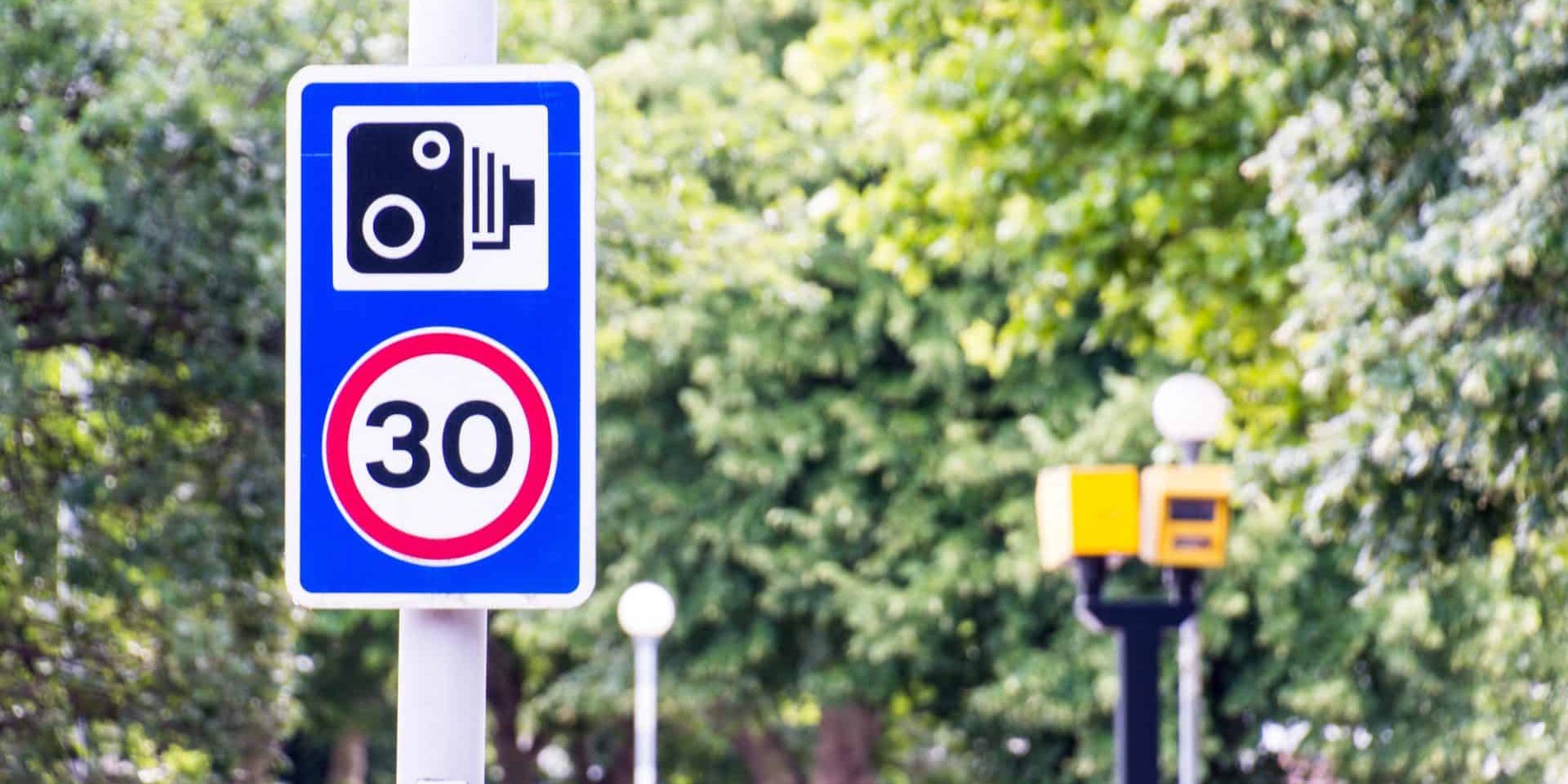
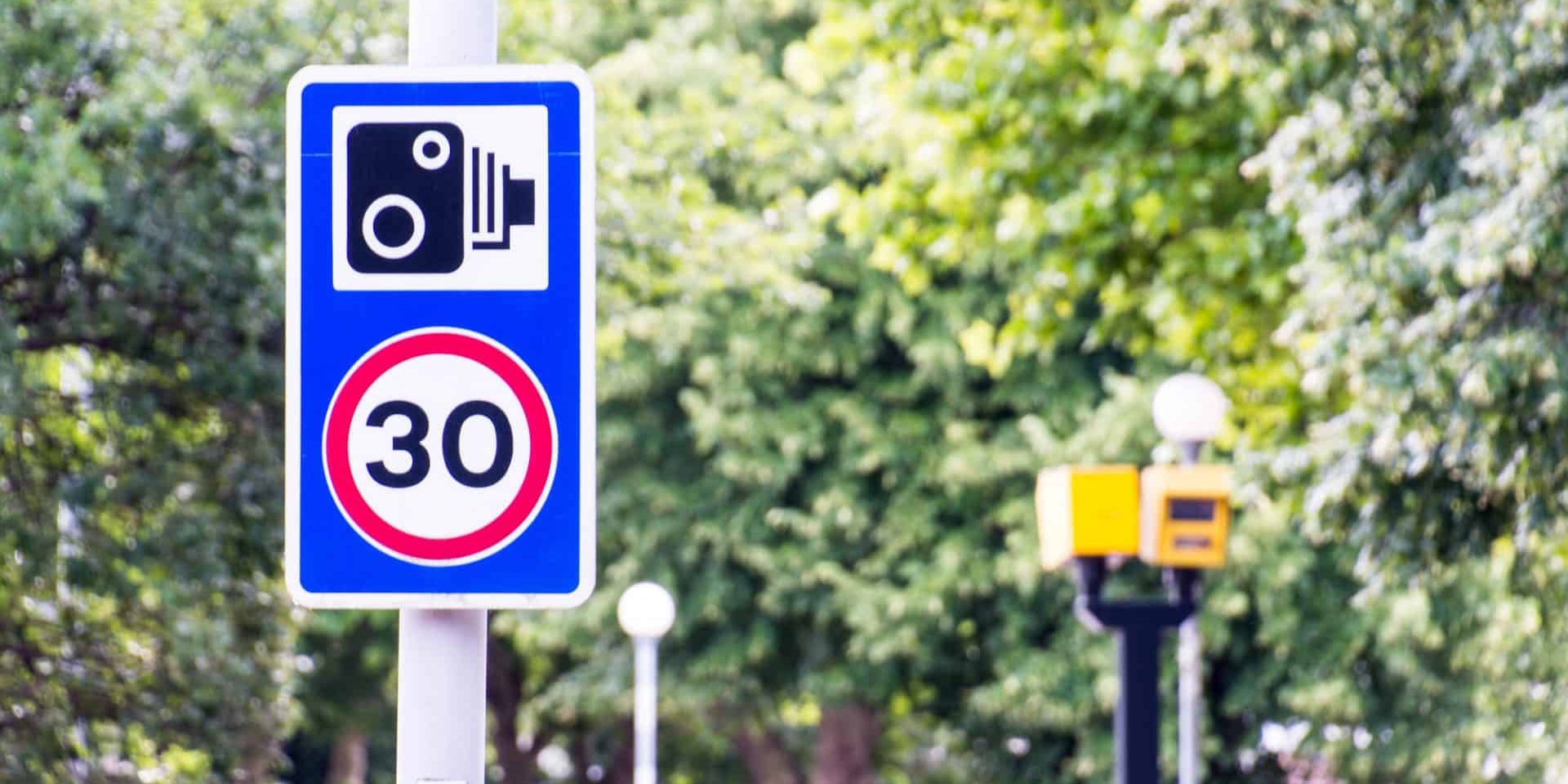
Some cameras sit outside the system. ANPR cameras used solely for speed enforcement fall outside the standards, and so do systems that other organisations run and that send nothing to the national system. No private parking operator appears in Annex A. Those firms reach keeper details by a different route, set out in what parking firms prove to the DVLA. Cameras owned by a non-police body can still feed the national system through a force, and the standards demand a formal written agreement with the camera owner when that happens.
What Gets Read, and How Accurate the Camera Has to Be
A read ties a registration mark to a place and a time. Each record must carry the mark, the time, the location and a camera identifier, and the location has to be accurate to within 10 metres.
The accuracy bar for a fixed camera is 98 percent capture of qualifying plates and 95 percent accurate reads of the plates it captures. That leaves a margin for misreads, and the standards deal with it in one line: a record found to be incorrect must be corrected or deleted at the time it is found. Once a read sits in the national databases the standards class it as personal data under the Data Protection Act.
The standards also cover the compliance checks that reach ordinary motorists. Police can build one national list that checks vehicles against insurance, road tax, MOT status and the registered keeper, and the standards give that list a life of 24 hours before it must be reviewed, updated or deleted. ANPR checks for tax, MOT and insurance already catch drivers on the road, and the 24 hour limit is the shelf life the standards set.
The 90 Day Line That Decides Who Can Search Your Past
Annex C of the standards sets out who can look at what, and how old the data can be. Staff watching alarms against a list of vehicles of interest need no extra authority. Research into volume and priority investigations is open to any authorised member of staff for reads up to 90 days old.
That category covers the cases most drivers could meet. The standards define priority and volume investigations as everything outside the serious and major categories, and give vehicle excise enforcement and road traffic offences as examples next to street robbery, burglary and anti-social behaviour. A tax offence or an ordinary road traffic offence sits in the 90 day band.
Past 90 days the rule tightens. A search needs the written authority of an Inspector or equivalent, and the officer must have one of three grounds: a significant delay in reporting the offence, new information or evidence that has become available, or an inquiry that has moved diligently and quickly but has not finished. A footnote defines the rank as at least Inspector in the police, or the equivalent seniority in a non-police agency.
Serious investigations open the full 12 months to any authorised member of staff with no extra sign-off. That category includes death by dangerous driving, rape, drug trafficking and blackmail. National security, counter terrorism and major investigations such as murder, kidnapping and terrorist crimes carry the same up to 1 year access. A search for a police misconduct case under the Code of Ethics needs a superintendent’s written authority.
Every search leaves a trail. The system logs the user, the justification, the date, the time and any authorisation, and the Information Commissioner and the Home Office can ask for those logs. Evidence rules add a further layer: the precise location of an ANPR camera cannot be disclosed at any stage of an investigation or prosecution without the authority of the controller responsible for that camera, apart from mobile units.
What the Home Office Audit Found Across Forces
The Home Office surveys forces and agencies and publishes the results as a compliance dashboard for each half year. The latest one covers the third and fourth quarters of 2025 and went up on 20 March 2026, with the Home Office page refreshed on 10 November 2026. Every force and agency responded, and overall compliance came out at 94 percent. The grading runs green at 100 percent, amber from 70 to 99 percent and red below 70 percent. The figures rest on answers the forces give, so they show what forces report rather than an outside inspection.
Of the 54 forces and agencies listed, 37 scored 100 percent and 17 fell short. Gloucestershire, Merseyside and Northumbria scored 71 percent. BCH, Staffordshire and Wiltshire scored 83 percent. Ten more scored 86 percent: Devon, Cornwall and Dorset; Essex; Greater Manchester; Kent; Lincolnshire; the Metropolitan Police; Surrey; Sussex; Thames Valley with Hampshire and the Isle of Wight; and West Mercia. The National Crime Agency scored 67 percent, the only red on the dashboard.
The misses fall in specific places. Five forces had not completed a review of their ANPR infrastructure in the past 12 months: Gloucestershire, Lincolnshire, the Metropolitan Police, Northumbria and Staffordshire. Six had not completed the self-assessment audit for the Surveillance Camera Commissioner: Gloucestershire, Greater Manchester, Northumbria, Surrey, Sussex and Wiltshire. Merseyside, West Mercia and the National Crime Agency had not run proportionate audits of user accounts, the check on who is searching what. Six forces had not audited the local systems that store national ANPR data: BCH; Devon, Cornwall and Dorset; Essex; Kent; Merseyside; and Thames Valley with Hampshire and the Isle of Wight. Gloucestershire alone missed the technical specification.
Nationally, 88 percent of forces completed the infrastructure review, 95 percent of camera infrastructure is covered by data protection impact assessments, 85 percent completed the commissioner’s self-assessment, 94 percent audited user accounts, 88 percent audited local systems and 98 percent met the technical specification.
What It Means for You
A plate read tells a force where a registered vehicle was and when. It says nothing about the driver, and none of these documents claims any force misused a read. The standards do set a fixed ceiling on retention, a named list of bodies, an age band for each kind of case and a log of every search.
A driver who wants to know what is held can use the data protection route. The standards send every request under the Data Protection Act about national system data, including subject access, erasure and restriction requests, to the controller responsible, and the gov.uk standards page links a Home Office notice on data subject rights. The 12 month deletion clock gives a practical limit: a read in the national system is gone by day 366 unless it is held for a criminal case.
A wrong read is the other practical risk. The standards accept that a camera will misread some plates, and they require a record found to be wrong to be corrected or deleted at the time. Drivers who find a fine or a stop traced to a plate that was never theirs meet the same problem from the other side, and the cloned plate fine risks are set out in a separate guide.
Want more car content? Add us as a preferred source on Google to your favourites list for the best automotive news and analysis on the internet.
If you enjoyed this article, be sure to follow us on Microsoft Start.
Sources
- Home Office: National ANPR standards for policing and law enforcement (accessible version)
- Home Office: National ANPR Service compliance dashboard, Q3 and Q4, 2025
- Home Office: National ANPR standards
Reviewed by Preetam Gadekar

Leave a Comment
More in News

Honda Prelude Bordeaux Edition Arrives at $67,000 Driveaway, Limited Run

Woman fills up with premium gas at Costco. It stops working. Then her mechanic reveals what was inside all along

EV Council Says Fuel’s 23.6% Rise Adds $442 a Year to a Small SUV

Woman orders windshield from Safelite. They can’t recalibrate it. Then she’s charged $400 for a third try—and that’s just the beginning

Connecticut Mobile ID Launches Nov. 18, Free, and TSA Accepts It
Trending on Motoring Chronicle

Britain’s Most Stolen Car Has Changed and Only 13 Percent Are Ever Recovered

The High Court Ruled These LTN Fines Were Unlawful. Now Drivers Want Their £7 Million Back

X Marks the Spot: INEOS Grenadier Trialmaster X Goes on Sale from £75,195

2027 Kia Sorento Hybrid Gets New X-Line Trim, Starts at $39,090