Car Loan Debt Hits $1.73 Trillion as Contract Rates Climb to 11.46%


- The Federal Reserve Bank of New York counts $1.734 trillion in car loan balances at the end of September, up $79 billion in a year.
- The share of auto balances newly 90 days late held flat at 3.02% in the third quarter, against 2.99% a year earlier.
- The average contract rate in Cox Automotive’s Dealertrack data reached 11.46% in October, and 58.7% of those loans financed more than the vehicle was worth.
The Balance Keeps Growing, and the Newest Loans Cost More Than September’s
Americans owed $1.734 trillion on car loans at the end of September, the Federal Reserve Bank of New York reported in its Q3 2026 household debt report on Nov. 10. That is $21 billion more than at the end of June, a gain of 1.2%, and $79 billion more than a year earlier. Working back from those two figures puts the year-ago balance near $1.655 trillion, so car debt grew about 4.8% in 12 months.
The price tag on new borrowing moved the same direction. Cox Automotive’s Dealertrack Credit Availability Index, also published Nov. 10, shows the average contract rate on loans in its data rising 24 basis points in October to 11.46%, the highest reading in seven months. The figure is Cox’s measure from its Dealertrack lender and dealer data, not an average across every lender in the country, but it is the freshest national read on what a signed loan carries.
A rate of 11.46% on a $40,000 loan with a 72 month term costs $770.82 a month and $15,499 in interest over the life of the loan. Those numbers are computed here for illustration: a fixed rate, equal payments, no fees and nothing else rolled in. Your own contract will differ, and the lines that move the total are covered below.
What the New York Fed Sees in Missed Payments
Borrowers took out $208 billion of new auto loans in the third quarter, as they appeared on credit reports, a pace the bank calls high. Credit quality on those new loans was largely steady.
The other half sits in delinquency. The bank’s flow measure takes balances that newly turned at least 90 days late in the quarter and divides them by balances that were current or under 90 days late the quarter before, then annualizes the result. For auto loans that share was 2.99% in Q3 2025 and 3.02% in Q3 2026. The bank describes the auto reading as flat. Earlier trouble is still building: the move of auto balances into early delinquency edged higher again, as did the mortgage equivalent, while credit cards improved slightly.
The context is a household sector carrying $19.1 trillion in total debt, and 5.0% of that debt sat in some stage of delinquency at the end of September, a rise of 0.3 points over the June reading. The bank draws the figures from its Consumer Credit Panel, a nationally representative set of anonymized Equifax credit files. The weakest corner of the market gets a closer look in our earlier report on subprime borrowers falling behind.
Why the Interest Rate on New Loans Is the Number to Watch
Cox Automotive’s October reading ties the rate to something outside the car business. The 5-year Treasury yield gained 13 basis points to 4.93%, a level last seen in June 2007. The spread between the average contract rate and that yield widened by 11 basis points to 6.53%. A year earlier it stood at 7.55%, so lenders are charging less above the Treasury yield than they did in October 2025 but the Treasury yield itself has climbed far enough to lift the whole rate. Every lender type and every sales channel in the index charged more in October.
Access to credit sits at its best level in more than a decade. The Dealertrack All-Loans Index rose 0.1% to 107.1, the sixth straight monthly increase and a level last seen in April 2015. It stood 8.9% above October 2025. The loan approval rate was 73.9%, against 71.5% a year earlier. Most channels and lender types approved a smaller share of applicants in October, Cox says, and the overall rate still rose as a near-prime lender with a low approval rate dropped out of the data.
The riskiest borrowers make up a bigger slice. Subprime borrowers took 17.9% of loans in October, up 50 basis points on September for the third straight rise and up from 16.1% a year earlier. Every lender type and every channel showed a higher subprime share. For a view of what the finance charge adds up to over a whole loan, see the earlier report on lifetime interest on typical car loans.
Negative Equity and Long Terms Add Cost Before the First Payment
Cox found 58.7% of October loans carried negative equity, meaning the loan financed more than the vehicle’s value. That share rose 90 basis points in a month for the third straight increase, and it is up 490 basis points from 53.8% in October 2025. It is higher than any month from 2015 through 2019. The rise was concentrated in used-vehicle channels, and only March’s 59.2% was higher.
One common route to negative equity is trading in a car that is worth less than its payoff, with the dealer folding the shortfall into the new loan. Stay with the $40,000 example at 11.46% over 72 months. Roll in $3,000 of leftover debt and the amount financed becomes $43,000. The payment climbs from $770.82 to $828.63 a month, $57.81 more, and total interest rises from $15,499 to $16,662, which is $1,162 more. The new car starts its life already $3,000 underwater before it loses any value, and the old debt now accrues interest at 11.46%.
Term length stretches the same problem. Loans longer than 72 months made up 31.1% of October loans, 70 basis points below September’s record, the first monthly dip in seven months. The share has now held at 31% or higher for five months running, against 27.7% a year earlier. Keep the example loan at $40,000 and 11.46%. A 60 month term costs $878.90 a month and $12,734 in interest. At 72 months the payment falls to $770.82 and interest grows to $15,499. At 84 months the payment is $694.61 and interest reaches $18,347. The lowest payment carries about $5,600 more interest than the 60 month version, which explains why long terms feel easier at the dealership and cost more at the end.
Cox draws the same line for buyers. Both structures lighten the bill at signing, they say, while raising the total a borrower pays and narrowing the options to sell or trade the car later.
Down payments are the one buffer that edged up. They averaged 13.0% in October, up from 12.8% in September but short of the 13.3% a year earlier.
What to Do Before You Sign
Ask for the annual percentage rate, the term, the amount financed and the total of payments in writing before you talk monthly payment. A salesperson who quotes only a monthly figure leaves out the two numbers that decide the price. Divide the total of payments by the amount financed to see what the loan really costs.
Check the trade-in line next. Call your current lender for the payoff figure and compare it with the offer on your car. When the offer is lower, the gap is negative equity, and every dollar of it that moves to the new loan carries the new rate. Paying the gap in cash, or waiting until the payoff drops below the trade value, avoids that.
Price the loan outside the dealership. In the Dealertrack index, credit unions posted their best credit availability reading in four years, and captive lenders, the finance arms of car makers, posted a series high. A pre-approval from a credit union or a bank gives you a rate to compare with the dealer’s offer, and the dealer can try to beat it.
Choose the shortest term whose payment you can carry. Moving from 84 months to 60 months on the $40,000 example raises the payment by $184.29 a month and takes about $5,600 off the interest. A larger down payment works the same way: every dollar you put down is a dollar that stops earning 11.46% for the lender. Our earlier guide to ways to cut a car payment covers preapproval, price talks and shorter terms in more detail.
The 5-year Treasury yield sits at its highest level in more than 19 years, and Cox says continued rate increases could push payments out of reach for some buyers. Whatever the market does next, the rate and the trade-in payoff are the two lines worth fighting for.
Want more car content? Add us as a preferred source on Google to your favourites list for the best automotive news and analysis on the internet.
If you enjoyed this article, be sure to follow us on Microsoft Start.
Sources
- Federal Reserve Bank of New York: Household Debt Increased Moderately; Delinquency Transition Rates Remain Flat
- Federal Reserve Bank of New York: Quarterly Report on Household Debt and Credit, Q3 2026
- Cox Automotive: Auto Credit Access Edges Up for Sixth Straight Month as Subprime Share and Negative Equity Climb
Reviewed by Preetam Gadekar

Leave a Comment
More in News

Used Diesel Sales Fell 5.3 Percent as 4.8 Percent of Buyers Chose Electric

Volkswagen Caddy Kombi Goes on Sale From £30,055 Before VAT With 775kg Payload
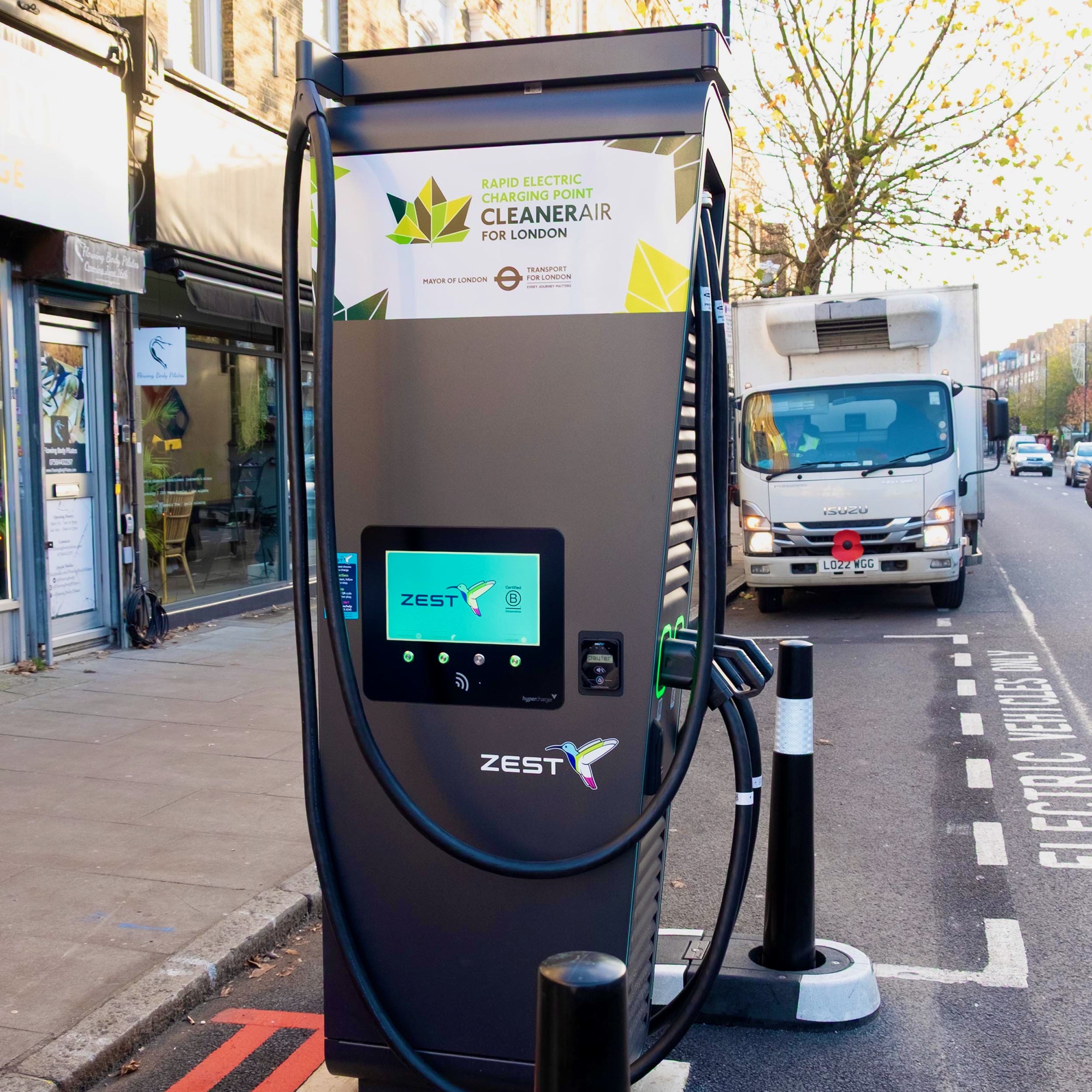
Rapid EV Charging Could Hit £1 a kWh in 2027, Grid Fee Report Warns

What DVSA’s 10.3 Week Test Wait Hides for 27.5% Waiting Over 21 Weeks

DVSA Tested 20 Tyres and 13 Missed the Class Printed on Their Label
Trending on Motoring Chronicle

Why Dashcam Footage Could Decide Your Insurance Claim (and How to Submit It)

Millions of Drivers Take Hay Fever Tablets Every Summer Without Knowing They Could Lead to Prosecution

Men pay more than double in speeding fines, new research reveals

How to Tow a Caravan Legally in the UK Without Breaking Your Licence