
DVSA Tested 20 Tyres and 13 Missed the Class Printed on Their Label
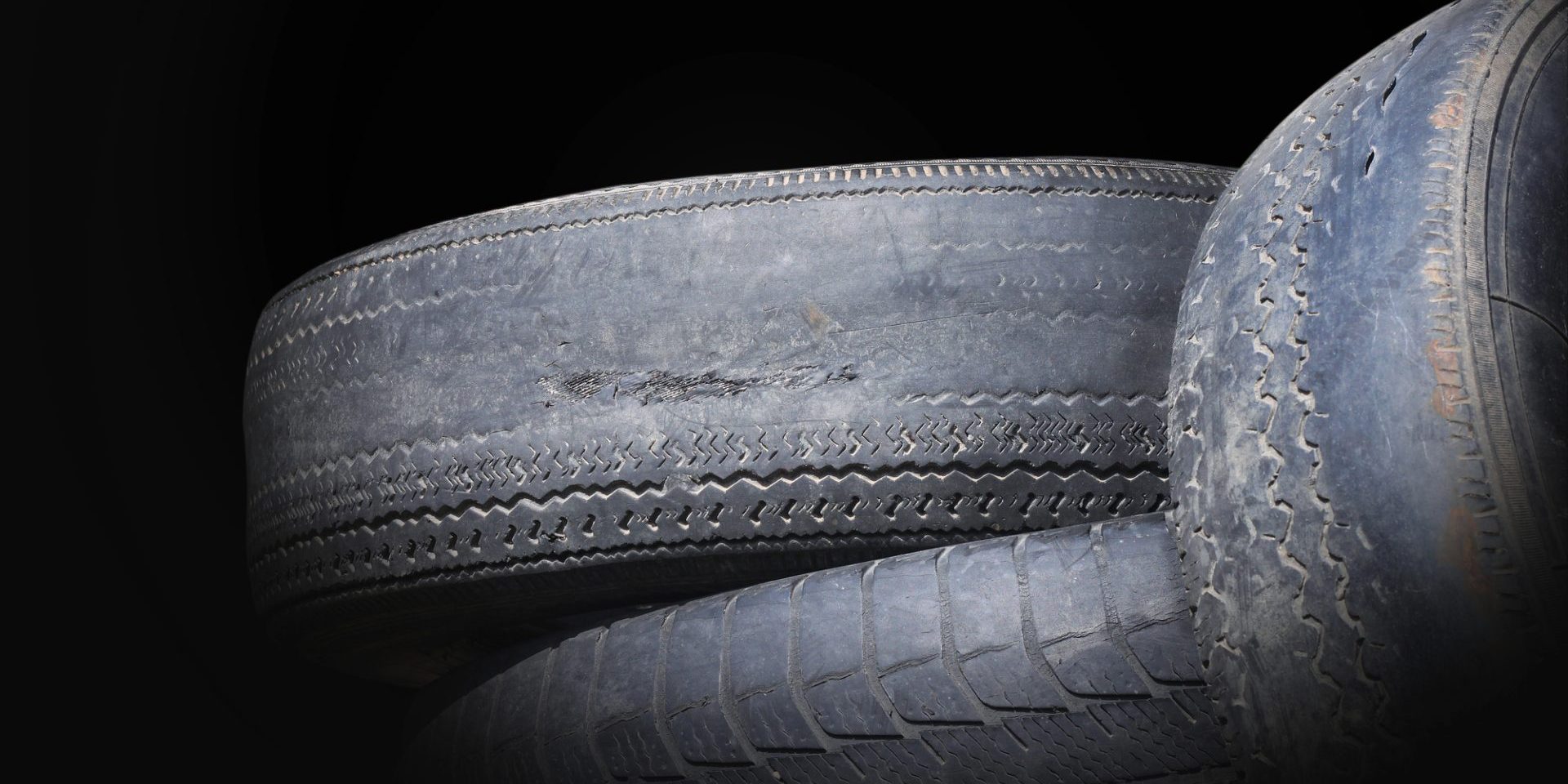
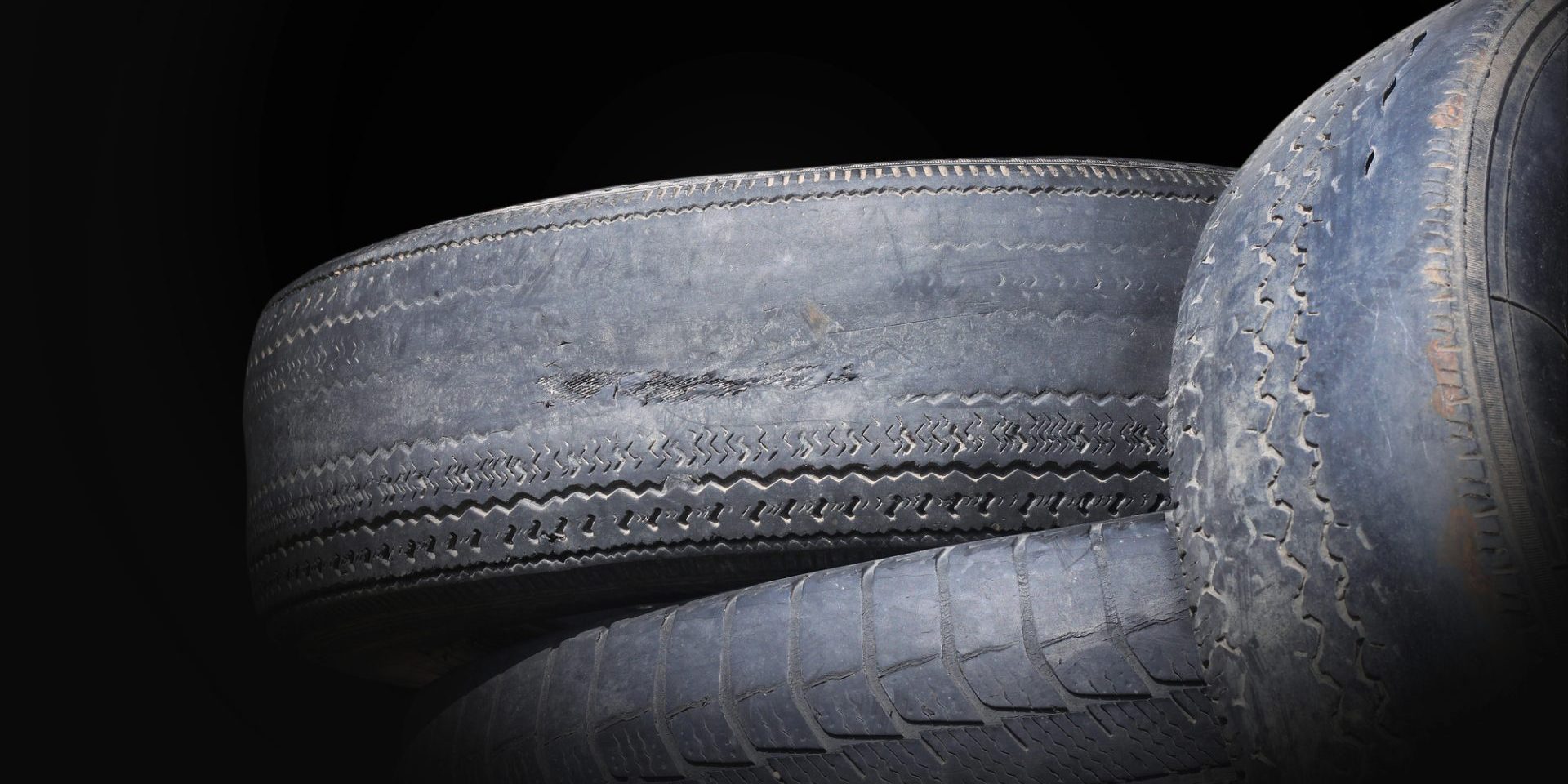
- DVSA’s Vehicle Market Surveillance Unit tested 20 new car and van tyres in two top-selling sizes, and 13 missed a performance class printed on the label.
- DVSA’s interim figures show 11 of the 13 failed the repeat checks and 10 missed the wet grip class, with the report still open to change.
- Before paying, a driver can ask for the label of the exact tyre, compare several models and read the letters as the manufacturer’s own declaration.
Half the Tyres Tested Missed the Wet Grip Letter on Their Label
Ten of the 13 tyres that fell short in DVSA’s test missed the wet grip class their makers had printed on the label. Set against the 20 tyres tested, that is half of the whole group. Wet grip is the label’s measure of how a tyre holds a wet road.
The Driver and Vehicle Standards Agency published the results on 21 October 2026. Its Vehicle Market Surveillance Unit tested new car and van tyres against the three ratings on the label, wet grip, fuel efficiency and noise. Of 20 tyre types, 13 fell below the declared class on at least one of the three. That is 65 percent of the sample. After repeat tests, DVSA’s interim count of tyres that failed stands at 11, which is 55 percent.
The figures come with limits. They are interim, DVSA picked the brands on purpose, and it has not named a single maker or model. A driver cannot trace the result to any tyre on a fitter’s shelf, but a driver can read it as a reminder that a label letter is a claim waiting to be tested.
How DVSA Picked and Tested the 20 Tyres
The surveillance unit is the part of DVSA that inspects vehicles, trailers and equipment to check they meet safety and environmental standards. Its 2025 programme covered eight areas: advanced driver assistance systems, catalytic converters and diesel particulate filters, electrically assisted pedal cycles, e-scooters, motorcycle exhausts and silencers, non-road mobile machinery, the businesses that make and supply vehicles and aftermarket parts, and tyres.
For the tyre work DVSA took 10 different tyres in each of two sizes, which makes 20 tyre types. One size was 225/40 R18, a C1 car tyre. The other was 235/65 R16, a C2 van tyre. DVSA describes both as top-selling sizes. The testing followed Regulation (EU) 2020/740, the label text published on legislation.gov.uk.
The choice of tyres explains why 13 of 20 is not a market failure rate. DVSA picked brands partly on known non-compliance from earlier testing, spread them across value, mid-range and premium, and based the pick on the wet grip and fuel efficiency ratings the makers had declared. A sample built from past trouble will fail more often than a random pull from the shelves. The result tells a driver how a targeted group of tyres performed against its own labels. It does not say that 65 percent of tyres on sale miss their class.
Why 13 Became 11, and What the Gap Means
The first pass produced the figure of 13. The rules then oblige DVSA to run three more validation tests per failed parameter on every tyre in that group, and the average of the readings settles whether the tyre meets its declared class.
After that verification stage, DVSA’s interim figures show 11 of the 13 tyres still failed to meet the class for at least one parameter. That leaves 2 of the 13 outside the interim failure count, and DVSA does not say why.
The 11 break down as follows: 7 tyres missed one parameter, 3 missed two and 1 missed all three. Added up, that is 16 missed classes across 11 tyres (7 plus 6 plus 3). One tyre missed all three ratings: wet grip, fuel efficiency and noise.
DVSA words the wet grip result as 10 of the 13 tyres and does not say whether that count comes from the first pass or from the verification stage. The report gives no breakdown of the fuel efficiency or noise misses.
Nothing here is final. DVSA says it will keep working with the tyre manufacturers, verify the results and update the report when the programme is complete. The 11 is the interim number, and the 13 is the first pass. Either could move before DVSA closes the file.
What the Letters on a Tyre Label Measure
The label text DVSA tested against says in its first article that the label exists so buyers can compare tyres and choose with safety, health and the wider efficiency of road transport in mind. Three of its ratings are the ones DVSA checked.
Fuel efficiency and wet grip each run on a scale from A to E. Fuel efficiency is graded on the rolling resistance coefficient, measured in newtons per kilonewton, where a lower number is better. For a C1 car tyre, A means 6.5 or less and E means 10.6 or more. For a C2 van tyre, A means 5.5 or less and E means 9.1 or more.
Wet grip is graded on a wet grip index, where a higher number is better. A C1 car tyre needs an index of 1.55 or more for an A, sits between 1.25 and 1.39 for a C, and drops to an E at 1.09 or less. The C2 van scale is lower throughout: an A needs 1.40 or more and an E is 0.94 or less. A letter B on a van tyre (1.25 to 1.39) covers the same index range as a letter C on a car tyre. Letters compare tyres only inside the same class, and a driver switching between a car tyre and a van tyre should not carry a letter across.
Noise is declared as a measured value in decibels, and the label carries a snow grip pictogram for tyres that meet the minimum snow grip index and an ice grip pictogram for those that meet the ice grip minimum. A driver bothered by a droning set can check the decibel figure first, and the causes of a sudden rise in road noise are set out in a guide to why tyres turn loud.
The maker, not DVSA, declares the letter. The label text has suppliers pass the values used to set each class, and the label itself, to a national authority before a tyre goes on sale, and it makes suppliers responsible for the accuracy of what the label says. DVSA’s test is the check made after the tyre is already on the market.
What the 2020 Enforcement Regulations Allow for Label Breaches
The enforcement powers for tyre labelling sit in the Motor Vehicle Tyres (Labelling) (Enforcement) (Amendment) (EU Exit) Regulations 2020, SI 2020/1509. Regulations 1 to 17 came into force on 31 December 2020, and legislation.gov.uk carries the original text only, so any later change is not shown on the page. DVSA’s own guidance on offences and fines links to these regulations. They define the requirements they enforce by place: for England, Wales and Scotland, Articles 4 to 7 of the earlier Regulation (EC) No 1222/2009, and for Northern Ireland from 1 May 2021, Articles 4 to 9 of Regulation (EU) 2020/740. DVSA’s report does not say which text it would rely on, or that any tyre it tested breached a requirement, so this section describes the powers and not an outcome for these 13 tyres.
The regulations name the Secretary of State as the enforcement authority and put it under a duty to enforce. When the authority judges that a requirement has been breached, it can serve a compliance notice. The notice must be in writing, give the reasons, describe the steps that fix the breach, set a deadline and state the likely civil penalty and how it is worked out. A civil penalty follows if the notice is ignored. The authority can also go straight to a penalty without a notice when it judges that appropriate.
Two limits apply. No penalty is payable if the person shows a reasonable excuse. And a penalty cannot exceed £1,000 for each breach, the ceiling the 2020 regulations set.
The process after a penalty decision has fixed periods. The penalty notice must give at least 28 days to pay. The recipient has 28 days from service to object. The authority must answer an objection within 70 days of the date the penalty notice was served, or a longer period agreed with the recipient, and the answer can cancel, cut, raise or leave the penalty alone. A person who objected and is still unhappy has 28 days from that answer to appeal. In England and Wales the appeal goes to the county court, in Scotland to the sheriff and in Northern Ireland to the county court. The appeal is a rehearing, and the court can cancel the penalty, reduce it or dismiss the appeal.
Officers authorised by the authority hold real powers. They can inspect tyres, make purchases of tyres to test, ask for a business’s records where they have reasonable cause to suspect a breach, and seize and detain tyres. If tyres are seized and no breach is found, and the business was not at fault, the authority must pay compensation for loss or damage.
DVSA has not announced a compliance notice or a penalty for any of the 13 tyres. With the brands unnamed and verification still running, there is no outcome to report. The penalty, when one is issued, falls on the person in breach.
What to Do Before You Buy the Next Set
Ask the fitter for the label of the exact tyre on offer, not the range name. The label text has suppliers send each tyre with a label, either as a sticker on the tyre or as a printed label for a batch of identical tyres, together with a product information sheet. For tyres sold online, the label has to sit close to the price and the information sheet has to be available, in printed form on request. Visual advertisements for a specific tyre type must show the label too.
Compare more than one model in your size. Look at wet grip first, then fuel efficiency and the decibel figure, and check the class bands above for a car tyre or a van tyre. The gap between two letters is a real gap in the index, but DVSA’s results show a declared letter is the maker’s claim, and some did not hold up in testing.
Check the condition of the tyres you already own before you replace them. A guide to whether cracked tyres fail an MOT shows the line a tester works to.
Be careful with part-worn tyres. The label text lists second-hand tyres among those it does not cover, unless they are imported from a third country, so a used tyre need not carry one under that text. Without one there is no declared wet grip class to compare, and a used tyre also carries an age, covered in a guide to what a tyre’s age actually means.
If a seller’s tyres worry you, DVSA runs a service for reporting a manufacturer or dealer that makes or sells vehicles, vehicle parts or accessories with safety problems. It sits on the Vehicle Market Surveillance Unit’s gov.uk collection page. The unit will update its tyre figures when the programme closes, and a driver who buys before then should know that DVSA has found labels that missed.
Want more car content? Add us as a preferred source on Google to your favourites list for the best automotive news and analysis on the internet.
If you enjoyed this article, be sure to follow us on Microsoft Start.
Sources
- DVSA: Vehicle Market Surveillance Unit: results of the 2025 programme
- legislation.gov.uk: The Motor Vehicle Tyres (Labelling) (Enforcement) (Amendment) (EU Exit) Regulations 2020
- legislation.gov.uk: Regulation (EU) 2020/740, Annex I, testing, grading and measurement of tyre parameters
- legislation.gov.uk: Regulation (EU) 2020/740, Article 4, obligations of tyre suppliers
Reviewed by Preetam Gadekar

Leave a Comment
More in News

Every Driver Stopping in a Yellow Box Risks a £70 Council Fine
Every Driver on Devon’s M5 Faces AI Cameras and £200 Phone Fines
‘Are we serious? I need to pay to go home’: Man’s phone stops working in rented Toyota. Then he tries to use the navigation

Illinois woman follows car into Panera parking lot. Then she crashes out when they don’t follow parking etiquette: ‘Valid sis’

Woman goes to Mercedes dealerships to sell her car. They make her an offer. She says yes. Then they try to “scam” her
Trending on Motoring Chronicle

YANGWANG U9 Xtreme becomes world’s fastest production car, with top speed of 308.4 mph [Photo Gallery]
What Louisiana Drivers Need to Know as Inspection Stickers Give Way to QR Codes

What Illinois Drivers Over 79 Need to Know as Road Tests End July 1
The fastest gets faster: YANGWANG U9 Xtreme tops 500km/h to set new global speed record in Abu Dhabi
