
Why New Car Payments Now Average $722 a Month [and How to Cut Yours]

The sticker price is only half the story. What actually decides whether a new car is affordable is the monthly payment, and that number has climbed to a level that is reshaping how Americans buy. The average new vehicle payment now sits around $722 a month, stretched over loan terms approaching 70 months. The reasons are a mix of high prices and stubborn interest rates, but there is a second half to the story that dealers are quieter about: lots are overflowing with unsold cars, and the incentives to move them are the strongest they have been in years. Here is how the payment got so high, and the concrete moves that can bring yours down.
How the Monthly Payment Got to $722
Three forces push a monthly payment up: the price of the car, the interest rate on the loan, and the length of the loan. All three have been working against buyers.
On price, the average new vehicle now changes hands for roughly $49,220, with tariffs adding thousands to many sticker prices over the past year. On rates, the average new-car loan sits near 7 percent. Bankrate’s weekly survey put the typical 60-month new-car loan at about 6.93 percent, and used-car loans run higher still, commonly in the 10 to 11 percent range. Your own rate depends heavily on your credit. Borrowers with super-prime credit averaged around 4.66 percent on new loans in late 2025, while those with deep-subprime credit faced an average above 16 percent. That spread of more than 11 percentage points can mean a difference of hundreds of dollars a month on the same car.
The third force, loan length, is the one buyers most often overlook. Stretching a loan to 72 or 84 months lowers the monthly figure, which is why average terms have crept toward 70 months. But a longer loan means paying interest for longer and a much greater risk of owing more than the car is worth for years, a position known as being underwater. A lower payment on paper can quietly cost you thousands more over the life of the loan.
The Leverage Buyers Are Not Using
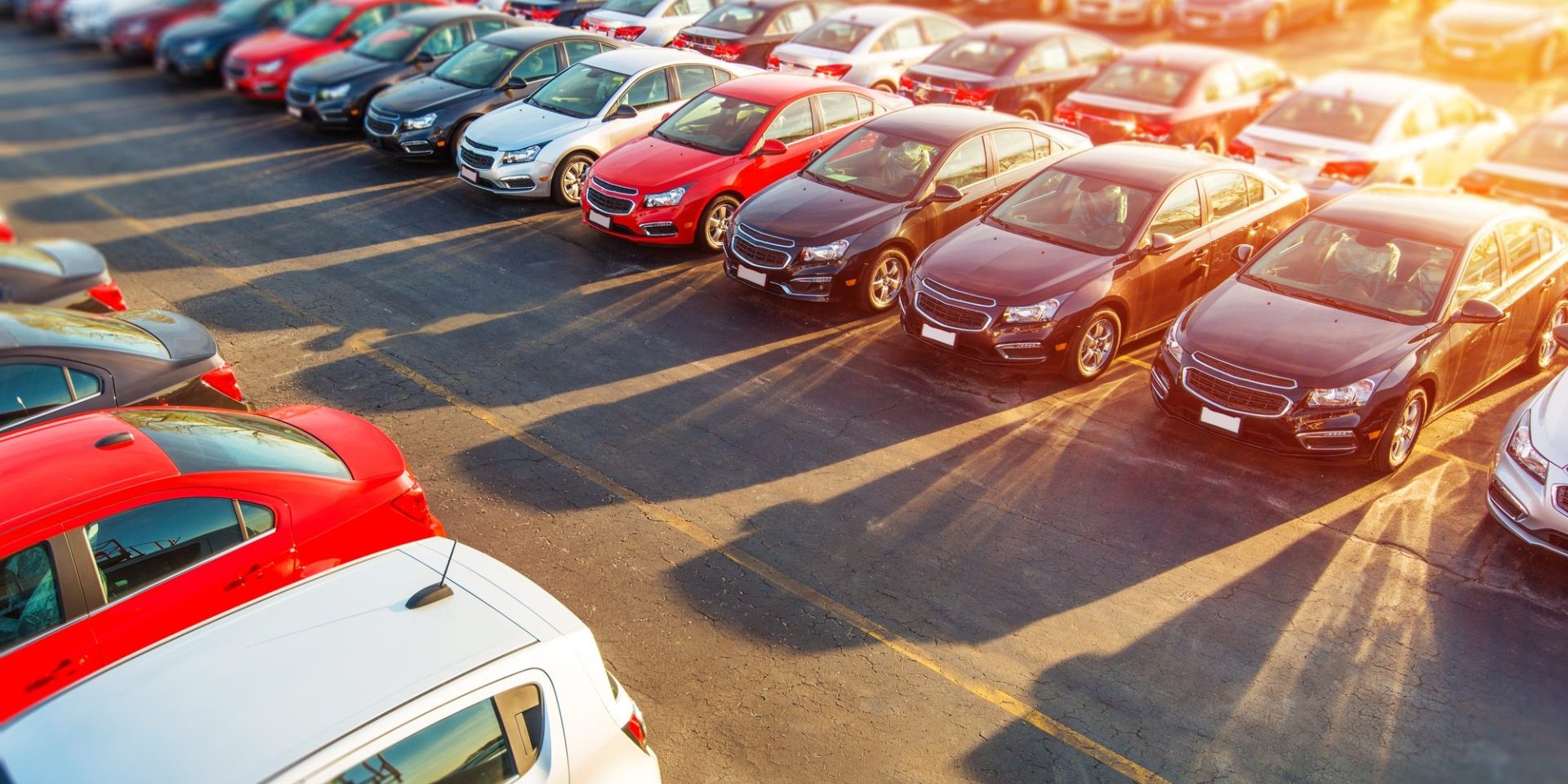
Here is the part that tilts back toward the buyer. Inventory has normalized and then some, with more than 850,000 unsold 2025 models sitting on dealer lots as the 2026 vehicles arrive. When last year’s cars are still taking up space, automakers get aggressive, and right now they are offering some of the deepest incentives in years to clear them.
Those incentives fall into two broad buckets: subsidized financing and cash rebates. On the financing side, manufacturers are reviving 0 percent APR offers on select models, sometimes for 60 months. As one example, the 2026 Nissan Murano became eligible for 0 percent APR for 60 months, down from 1.9 percent, a change that works out to roughly a $2,200 saving on a $45,000 SUV. All 2026 Land Rover Discovery models also carried 0 percent APR for up to 60 months. On the cash side, rebates of $3,000 to $10,000 are available on select vehicles, particularly outgoing model-year stock a dealer is motivated to move.
The catch is that these offers are selective. Zero percent financing is usually reserved for buyers with strong credit, and you often have to choose between the low rate and the cash rebate rather than getting both. That tradeoff is worth doing the math on, because the better deal depends on the car’s price and how long you finance.
How to Cut Your Own Payment
You have more control over the monthly number than the headline figures suggest. These steps target the parts of the payment you can actually move:
- Get preapproved for a loan from your own bank or credit union before you set foot in the showroom. That gives you a real interest rate to beat and stops the dealer’s finance office from being your only option.
- Negotiate the price of the car, not the monthly payment. Salespeople can hit almost any monthly target by extending the loan term, which hides a higher total cost. Agree on the out-the-door price first, then talk financing.
- Run the choice between 0 percent financing and a cash rebate both ways. On a lower-priced car or a shorter loan, the rebate often wins. On a pricier car financed over a long term, the free interest can be worth more.
- Keep the loan term as short as you can comfortably afford. Moving from 84 months to 60 raises the monthly payment but cuts the total interest sharply and gets you out from underwater far sooner.
- Shop the outgoing model year. With hundreds of thousands of 2025 cars still on lots, a year-old model that is mechanically near-identical to the 2026 version can carry the biggest discounts.
- Put down a meaningful deposit or trade-in if you can, since a larger down payment reduces the amount financed and the interest charged on it.
It also helps to check your credit report before you apply and fix any errors, because even a modest improvement in your score can move you into a better rate tier. If your credit is in rough shape, it may be worth waiting a few months and rebuilding it rather than locking into a deep-subprime rate that can exceed 16 percent.
What Happens Next
The market is unusually two-sided at the moment. Prices and rates remain high, which keeps the average payment near record territory, but the glut of unsold cars hands real bargaining power to anyone willing to be patient and selective. Analysts expect dealers to lean more on rebates and targeted financing offers than on broad price cuts, which means the savings are there but you have to go find them rather than wait for them to be advertised on every model.
The buyers who come out ahead in this environment are the ones who treat the monthly payment as the result of several separate decisions rather than a single take-it-or-leave-it figure. Line up your own financing, settle the price first, weigh the rebate against the rate, and keep the loan as short as your budget allows. Do those four things and the same car that costs one buyer $722 a month can cost you noticeably less, with far less interest paid by the time the loan is done.
Sources:
- https://www.bankrate.com/loans/auto-loans/rates/
- https://cars.usnews.com/cars-trucks/advice/average-auto-loan-interest-rates
- https://www.edmunds.com/car-incentives/
- https://www.carsdirect.com/deals-articles/best-zero-percent-financing-deals
- https://www.cnbc.com/select/best-car-loans/

Leave a Comment
More in News

Paris Motor Show 2026 highlights, with BYD and Denza leading the charge

How a Burning Smell From Your Clutch Could Signal a £600 Repair Bill

What a Tyre Pressure Warning Light Means as Cold Mornings Return This Autumn

What the Fog Light Rule Actually Means (and the £50 Fine)

How to Drive Through Flood Water (and What to Do If It Stalls)
Trending on Motoring Chronicle

How to Check Tyre Tread Properly

Honoring a legend: 20 years of Veyron celebrated with Le Petit Tour Alsace & during the Bugatti Festival
Why Your New Car Keeps Showing the Wrong Speed Limit (and What to Do)

Why Nearly One in Four Stolen Cars in Philadelphia Is a Honda
