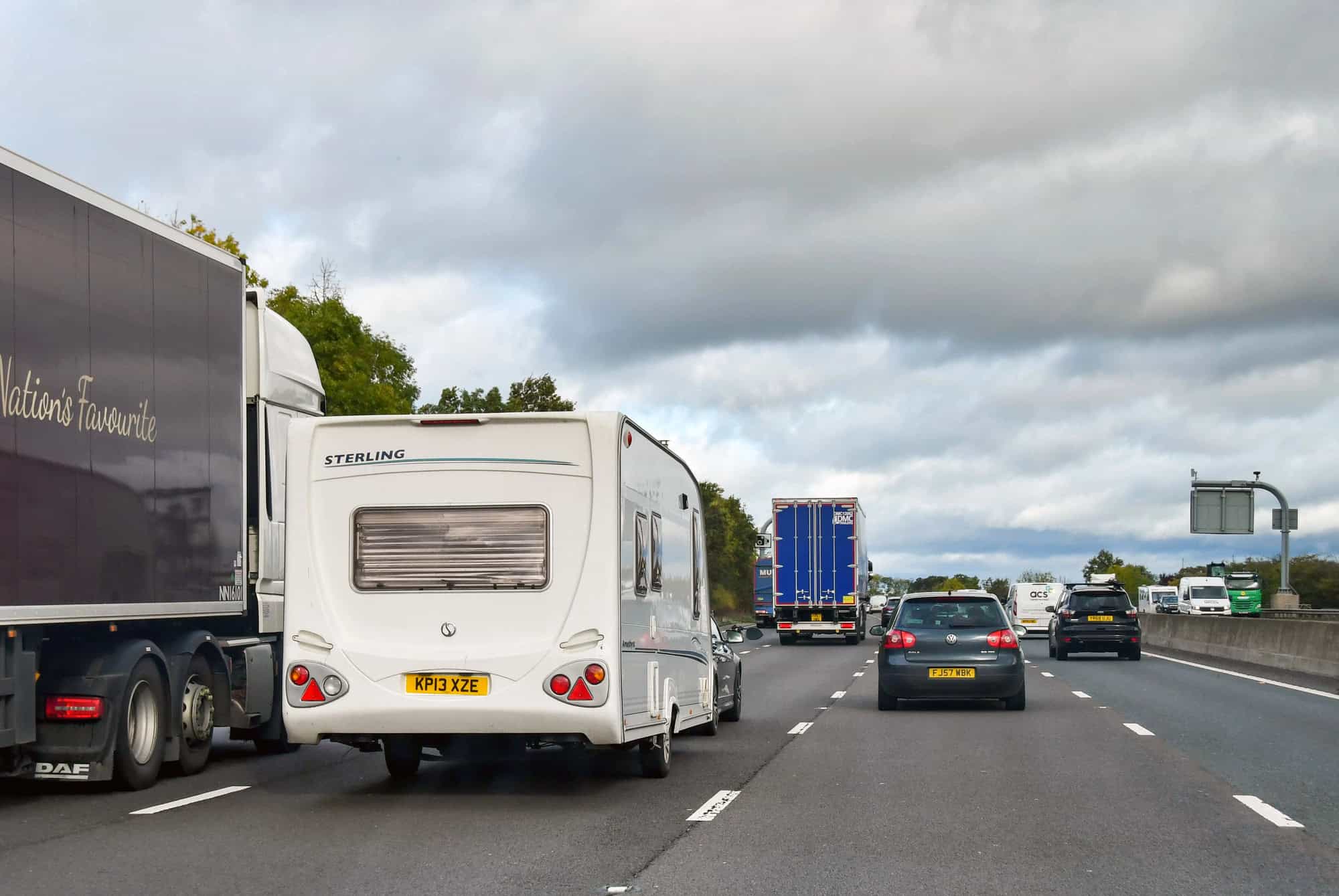
Every Driver Dodges a £3.30 Tank Rise Until July as Fuel Duty Stays Frozen


- Chancellor John Healey kept fuel duty at 52.95p a litre in the 28 October Budget, cancelled the 5p rise planned from January 2027 and extended the cut to 1 July 2027.
- The cancelled 5p is worth £3.30 on a 55 litre tank once VAT is added, about 3.4 percent of a petrol fill at the 174.07p a litre DESNZ recorded on 26 October.
- The freeze cuts nothing at the pump, where diesel averaged 199.22p a litre on 26 October, and the 5p and a deferred inflation uprating both fall due on 1 July 2027.
The Fuel Bill That Did Not Arrive in January
Chancellor John Healey stood up in the Commons on Wednesday 28 October and cancelled a fuel duty rise scheduled to start on 1 January 2027. Duty stays at 52.95p a litre. The 5p cut introduced in 2022 now runs to 1 July 2027, six months past the end of 2026 date it carried into the Budget.
A 55 litre tank is the RAC’s yardstick for a family car. Five pence on each of those litres is £2.75 in duty, and 20 percent VAT charged on top adds 55p, so the cancelled rise is worth £3.30 every time that tank is filled. The first 3p was scheduled for 1 January, which would have added £1.98 a fill straight away, with the full 5p in place by March.
Nothing in the Budget lowers what a driver pays today. The Department for Energy Security and Net Zero (DESNZ) recorded a record 200.04p a litre for diesel in the week of 12 October, and 199.22p on 26 October. Unleaded petrol peaked at 175.28p that week, its highest in more than four years, and stood at 174.07p on 26 October. The freeze protects drivers from a January increase and leaves the price on the pump untouched.
What the Treasury Actually Froze
The Budget document lists three linked decisions. Duty stays at 52.95p a litre for petrol and diesel. The temporary 5p cut is extended for a further six months to 1 July 2027, which cancels the plan to add 5p back from January 2027. The planned Retail Prices Index (RPI) increase to the duty rate is deferred to the same date. Without the cut, the rate would have climbed to 57.95p a litre by March.
The cut began in 2022 as a temporary 12 month measure after Russia’s invasion of Ukraine sent fuel prices soaring. The Treasury counts five extensions after that, the latest in May, when the government stretched it to the end of 2026 in response to the conflict in the Middle East. This Budget adds another six months.
The Treasury says fuel duty is as low now as at any point for over 16 years and substantially lower in real terms. It puts the number of people covered at 35 million motorists and businesses. The Budget also extends the 3.7p cut in red diesel, used by agriculture and rail freight, to 1 July 2027, the date a 12 month road tax holiday for most heavy goods vehicles also runs to.
Healey told MPs that for millions of people the cost of living and the cost of doing business are the same: “The home is the office. The van is the family car.” On the timing he said: “With the war in the Middle East still driving high fuel prices, I am extending these tax cuts for motorists through the winter and spring to July.”
What the Freeze Saves in Pounds
The per fill sum is £3.30 for a 55 litre tank. The duty alone, before VAT, comes to £2.75, the same figure used for the fuel duty rise per tank in September. Against a petrol fill of £95.74 (55 litres at the 174.07p DESNZ recorded on 26 October), £3.30 is 3.4 percent. Against a diesel fill of £109.57 (55 litres at 199.22p), it is 3.0 percent.
Over the six months from January to 1 July 2027, a driver who fills a 55 litre tank every fortnight makes about 13 fills. At the full £3.30 that is £42.90. The figure is a ceiling for the 5p alone, as the rise was due in two steps, and it rests on an assumed fortnightly fill rather than any published average.
The Treasury offers a bigger number. It expects its fuel duty decisions across this Parliament to have saved the average car driver £230, the average light goods driver £472 and the average heavy goods vehicle driver nearly £4,000, compared with the previous government’s plans. The footnote to that claim explains the baseline: HMRC calculations that assume the 5p cut was reversed in April 2025 and that duty rose with RPI every year from April 2025. The £230 compares two possible bills rather than money handed back to drivers.
The measure costs the Treasury too. Table 6.1 of the Budget, the scorecard of every policy decision, puts the fuel duty measure at £575 million in the 2026 to 2027 tax year and £780 million in 2027 to 2028. That is £1.355 billion across the two years.
Why the Pump Still Hurts
Duty is one slice of a litre. Crude oil, retailer margins and VAT move on their own, and the Chancellor’s own oil figures in the Budget speech imply a rise of more than 40 percent. The RAC says 2026 is on course to be the second most expensive year on record to fill up, behind only 2022, with duty at its current rate from 2022 onward.
Rod Dennis, senior policy officer at the RAC, points out that pump prices still soared this summer with duty at this same reduced rate. He says “many are likely to be disappointed the Chancellor didn’t go further to support them” and that “A freeze only avoids making an already difficult situation worse”. RAC research published on 27 October found nearly two in three regular drivers want cuts to duty or VAT on fuel, with a similar share cutting back on other spending. The RAC’s poll of 1,208 motorists put that second group at 65 percent, up from 61 percent in April.
Steve Gooding, director of the RAC Foundation, gave the sharpest verdict: “Delaying a planned hike in fuel duty is welcome, but falls some way short of actually making the cost of refuelling cheaper.” He added: “Meantime, the Treasury will still pocket getting on for half of everything paid on the forecourts.” RAC calculations back the point, putting duty and VAT together at 47 percent of a litre of unleaded and 43 percent of a litre of diesel.
Gooding put the war’s cost to drivers at an extra £10 billion so far, with billions more to come. No measure in the Budget touches VAT on fuel, and the RAC has priced a cut in fuel VAT to 15 percent at about £4 on a 55 litre tank of petrol, more than the 5p duty cut is worth.
What Happens on 1 July 2027
Two decisions fall due on that date. The 5p cut ends unless a new decision extends it, and the RPI increase deferred in this Budget comes back into play. Duty without the cut stands at 57.95p a litre before any inflation uprating, and the Budget document gives no uprating figure.
If the full 5p returned that day, a 55 litre fill would cost £3.30 more, with any RPI rise on top. A driver who fills fortnightly and faces that bill all year would pay £85.80 more (26 fills at £3.30), an exposure worked from an assumed fill pattern and no forecast. The Budget document commits the government only to monitoring fuel prices over the coming months. It names no plan for after July, and Dennis notes that the freeze is in place only until next summer.
After five earlier extensions, the cut now carries an end date of 1 July 2027. Drivers who budget from the pump price alone have a new date to mark.
What to Do Before Then
The rate is already frozen, so no action is needed to claim the saving. The lever that remains is where a driver buys. The Competition and Markets Authority reported in August that about 97 percent of petrol stations had registered with the Fuel Finder scheme, covering an estimated 99 percent of the fuel sold (the Fuel Finder figures break down its enforcement so far). The regulator says Fuel Finder can help drivers save money when they fill up. Comparing prices on a Fuel Finder service before a fill is the most direct way to act on that.
Drivers who use their own car for work gain a second measure from the same Budget. The tax free rate of 55p a mile for the first 10,000 business miles becomes permanent, and the rate above 10,000 miles rises from 25p to 35p from 6 April 2027. The Treasury says around 2 million employees and 1 million self employed people will see £120 a year in extra tax savings at 6,000 business miles, and up to £300 at 15,000 business miles from both upratings. Those figures are for a basic rate taxpayer claiming Mileage Allowance Relief in 2027 to 2028.
For everyone else, the date is the thing to mark. A petrol tank that costs £95.74 at 174.07p a litre costs £99.04 on 1 July 2027 if the 5p returns and the pump price holds, so a household that sets aside £3.30 a fill now meets the date with nothing to find.
Want more car content? Add us as a preferred source on Google to your favourites list for the best automotive news and analysis on the internet.
If you enjoyed this article, be sure to follow us on Microsoft Start.

Leave a Comment
More in News
Every Driver Missing a ULEZ Payment Faces £180 as TfL Accepts 72% of Challenges

NHTSA Opens Defect Petition on Camshaft Claims in 54,787 Ford 7.3L Trucks and Vans

2027 Fiat Topolino Adds Open-Air Roof and Free Street-Legal Kit From $13,995
Washington Requires Free Work Zone Course for First Licenses Under 25 From Nov. 1

How to Check a Used Car for Hidden Finance (and Whether You Keep It)
Trending on Motoring Chronicle

What Your Oil Pressure Warning Light Actually Means (and When to Stop Driving)
What the End of Federal Highway Funding on September 30 Means for Your Commute

A weekend in the snow to mark Lamborghini Polo Storico’s tenth anniversary [Photo Gallery]

2027 Subaru Crosstrek Pricing Holds at $26,995 With No Increase From Last Year