
HMRC Fuel Duty Rises Will Add £2.75 to Every Tank of Petrol by March
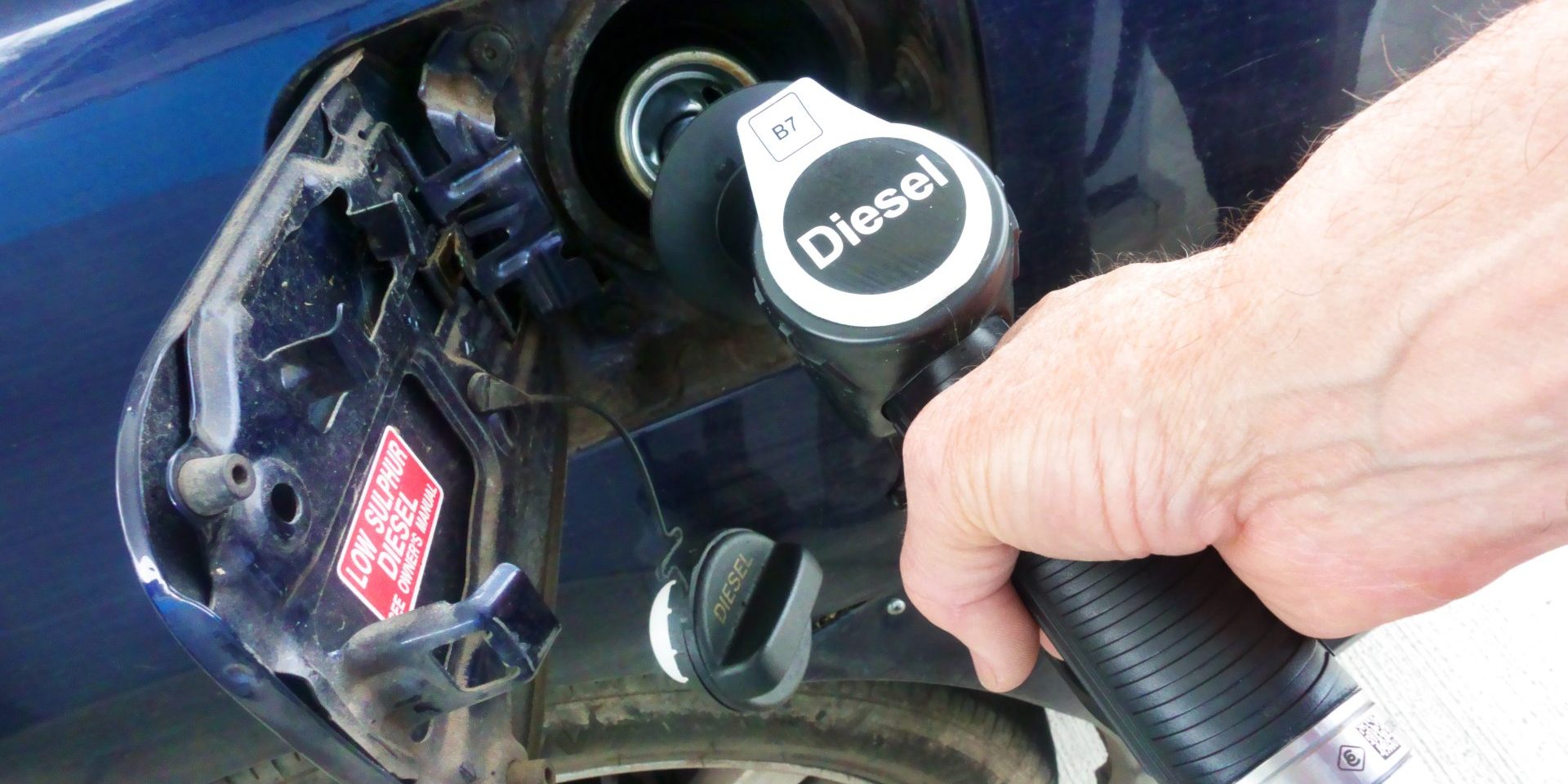
- The temporary 5p a litre cut to fuel duty, in place from March 2022 onward, is legislated to end in two stages: a 3p rise from 1 January 2027 and a further 2p from 1 March 2027.
- Once both rises land, the duty on a litre of petrol or diesel climbs from 52.95p to 57.95p, a jump of almost 9.5 percent from where it stands today.
- A 55-litre tank fill costs roughly £1.65 more from January and £2.75 more from March, once the full change has taken effect.
Every litre of petrol or diesel sold in the UK carries a fuel duty charge set by HM Revenue and Customs, and the relief that has kept it lower than it would otherwise be is now legislated to unwind. The temporary 5p a litre cut, first introduced at the Spring Statement in March 2022 in response to Russia’s invasion of Ukraine, has been repeatedly extended in the years that followed, most recently on 20 May 2026, when the government confirmed it would hold the discount in place until 31 December 2026. What is different this time is that the government has also legislated, via a statutory instrument, exactly how and when the discount unwinds after that date: a 3 pence a litre rise from 1 January 2027, followed by a further 2 pence a litre rise from 1 March 2027.
The change is set out in The Excise Duties (Surcharges or Rebates) (Hydrocarbon Oils etc.) (Amendment) Order 2026, the statutory instrument that governs fuel duty rates, alongside an official Tax Information and Impact Note published on gov.uk. Once both increases have taken effect, the headline duty rate rises from the current 52.95 pence a litre to 55.95 pence from January and 57.95 pence from March, a rise of exactly 5 pence a litre, or just under 9.5 percent, from where the rate stands today.
The rise is legislated, not a rumour, but it has not happened yet
Fuel duty rate changes are set out in advance in secondary legislation, and this one already has a made statutory instrument behind it rather than sitting at the consultation or speculation stage. That point is worth making: previous UK governments have used Budget statements to freeze or further extend fuel duty rises that were technically already legislated, most recently the string of extensions to the same 5p cut over the four years to 2026. Whether the rises due in January and March 2027 actually take effect on schedule will depend on whether a future fiscal statement changes course again before then, something the House of Commons Library’s own tracking of fuel duty policy notes has happened repeatedly over the life of this specific 5p cut. For now, though, the legislated position is a rise, not a freeze, and drivers budgeting for early 2027 should plan around the rates currently on the statute book rather than assume a further extension.
For an average family car with a 55-litre tank, the numbers are simple to work out. The 3 pence a litre rise due on 1 January adds roughly £1.65 to a full tank. The further 2 pence a litre rise due on 1 March adds another £1.10 on top of that, taking the combined increase to £2.75 a tank once both stages have taken effect. A driver who fills up roughly monthly would be paying close to £33 more a year in fuel duty alone by the time the second rise lands, before accounting for any separate movement in wholesale fuel prices, which are set independently and have their own recent volatility.
The duty applies equally to petrol and diesel, and to private and business drivers alike: it is charged per litre at the point of supply rather than varying by vehicle type or usage. Electric vehicles are not subject to fuel duty at all today, though the government’s separate eVED consultation response, published 13 July 2026, confirmed a new pay-per-mile charge for electric vehicles from 2028-29, estimated at around £255 a year for a driver covering 8,500 miles, a sign that the duty gap between fuel and electric vehicles is not expected to remain open indefinitely.
Fuel duty is not the only cost stacked into the price shown on a forecourt sign. VAT is charged at the standard 20 percent rate on the combined total of the wholesale fuel price and the duty itself, meaning any rise in duty is itself taxed a second time before a driver ever pays it. On a 55-litre fill, the VAT charged on just the duty portion of the price works out at a few extra pence on top of the £2.75 headline rise once both stages are in effect, a detail that rarely gets mentioned alongside the duty figures themselves. Wholesale oil prices, currency movements and retailer margins all move independently of the duty rate, which is why pump prices can rise or fall by several pence a litre in a single week even when the duty component has not changed at all, and why the January and March rises will land on top of whatever the market rate happens to be at the time rather than in isolation.
Can you avoid it
Fuel duty cannot be opted out of on petrol or diesel: it is built into the wholesale price before fuel even reaches a forecourt pump, but there are genuine ways to reduce how much of it any individual driver actually pays. The most direct is timing. The rise is legislated for specific dates, so a driver who tops up their tank in late December, before the 1 January increase, and again in late February, before the 1 March increase, pays the lower rate on that fuel rather than the higher one, a saving that is small per tank but real and entirely legal.
Beyond timing, the tools available are the same ones that reduce any fuel bill. Comparison apps and sites that track real-time forecourt prices by postcode can identify savings of several pence a litre between stations within the same town, which often outweighs the duty rise itself on any single fill. Supermarket fuel schemes and loyalty apps that offer periodic discounts, typically a few pence a litre against a minimum in-store spend, work in exactly the same way and stack on top of whatever the cheapest local station is already charging.
Driving style and vehicle maintenance make a bigger difference than most drivers assume. Keeping tyres at the correct pressure, removing unnecessary roof boxes or racks when they are not in use, and avoiding harsh acceleration and braking can each improve real-world fuel economy by several percentage points, which reduces the number of litres bought over a year regardless of what duty is charged on each one. For business drivers or fleets, fuel cards that lock in a fixed price ahead of scheduled duty rises can also shield running costs from the January and March increases, though the value of doing so depends on the specific rates a card provider offers.
None of these steps make the underlying tax disappear, and none of them will fully offset a 5 pence a litre rise phased in over two months for a driver who covers a high annual mileage. What they can do is reduce the number of litres a driver needs to buy at the new, higher rate, and shift some purchases into the window before each increase actually lands.
Households running two vehicles can also look at whether one of them really needs to be on the road for every short trip. Combining errands into a single journey, car-sharing a regular commute where that is practical, or switching a short school run to walking or cycling all reduce total litres bought over a year without requiring any change to a vehicle or a policy decision in Westminster. For drivers who are already close to changing vehicles, the fuel duty rise adds a small but real point in favour of a car that uses less fuel per mile, or a hybrid or fully electric alternative, when comparing a like-for-like replacement: the gap in running costs between fuel and electric power is set to widen again once the January and March increases land, even before the new electric vehicle mileage charge arrives from 2028-29.
Sources: HM Treasury/HMRC, The Excise Duties (Surcharges or Rebates) (Hydrocarbon Oils etc.) (Amendment) Order 2026, legislation.gov.uk, and Amended Fuel Duty rates for 2026 to 2027, gov.uk (policy announced 20 May 2026); House of Commons Library, Fuel duty: Developments since 2022, research briefing; Department for Transport, eVED consultation response, published 13 July 2026.

Leave a Comment
More in News
What Every UK Driver Needs to Know Now the Digital Driving Licence Is Live

Starter Motor or Flat Battery? The Four Tests That Tell You
Why Your Car Overheats in Traffic But Never on the Motorway

Will Cracked Tyres Fail an MOT? The Line the Tester Works To

Home Charging Saves EV Drivers £1,240 a Year Over Diesel, Ofgem Cap Shows
Trending on Motoring Chronicle

HondaJet Elite II Certified by FAA to Become First Production Model Twin-Turbine Very Light Business Jet Available with Emergency Autoland

Why That Polite Headlight Flash Now Carries A £200 Fine And Three Penalty Points
What Every UK Driver Taking Their Car to Europe This Summer Needs to Carry

What DVSA Data Reveals Fails Most Cars at Their MOT (and How to Avoid It)
