What Every UK Driver Taking Their Car to Europe This Summer Needs to Carry
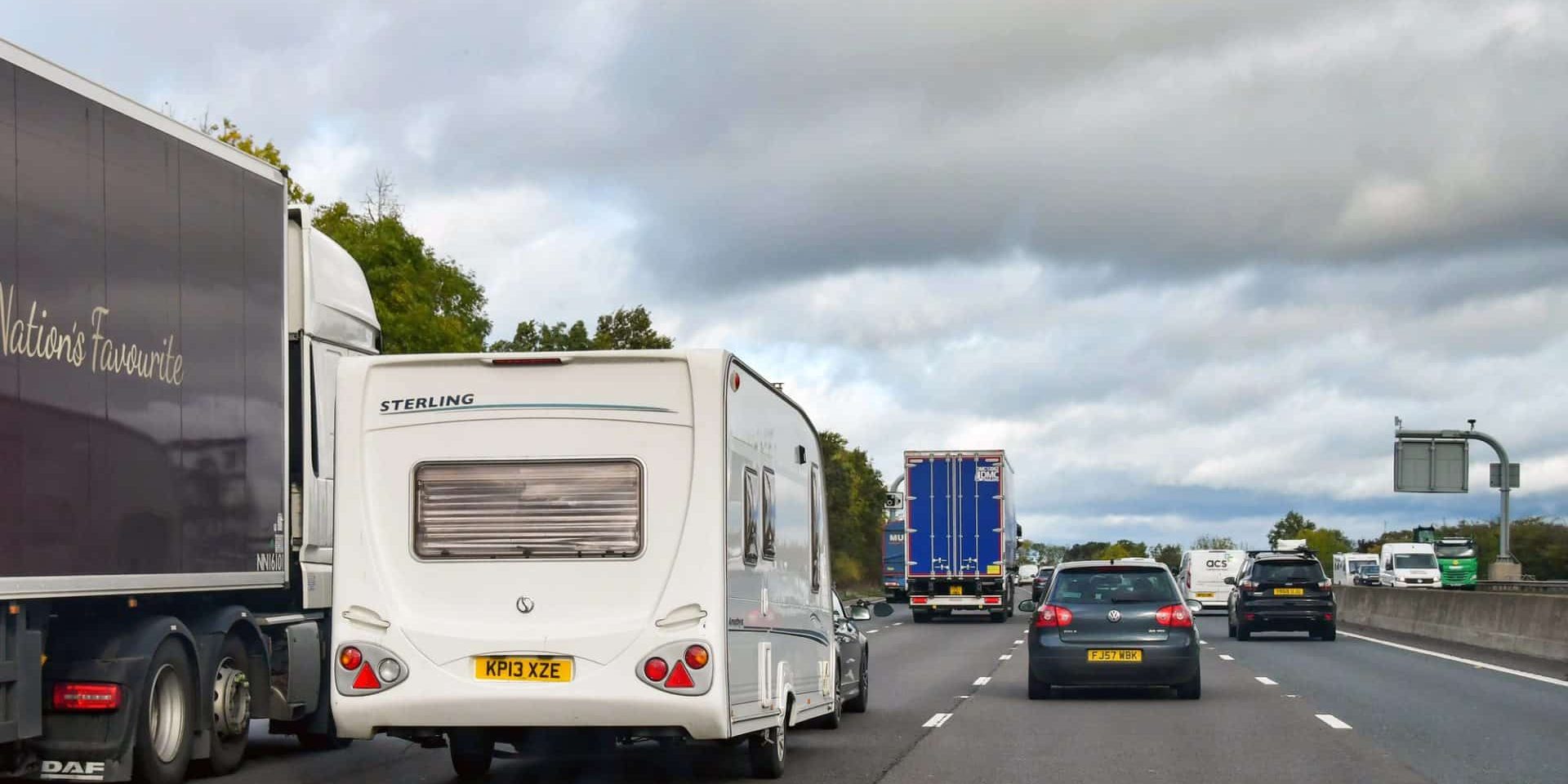
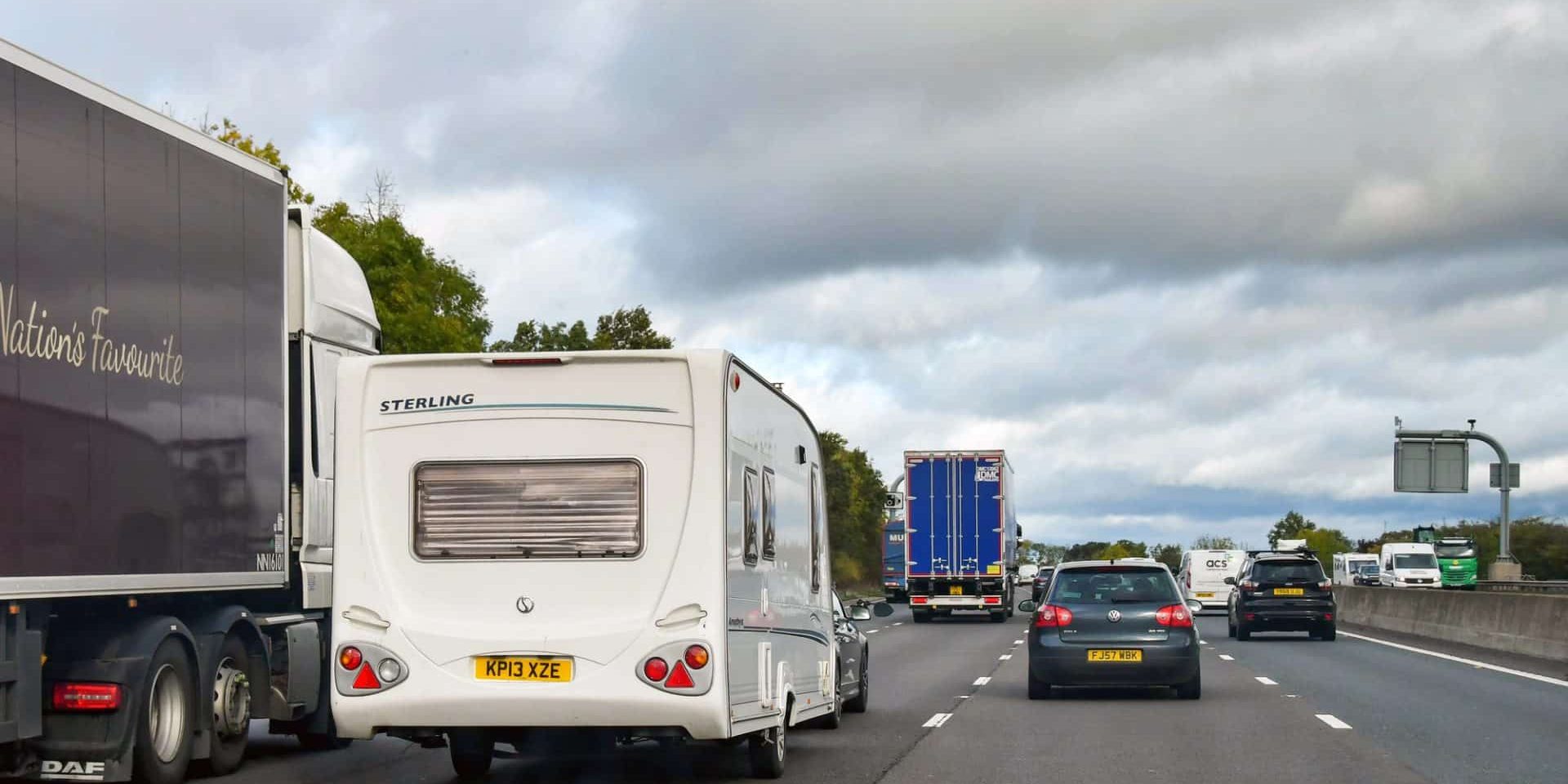
Millions of British families will take their cars across to Europe this summer, and a significant number will do so without knowing that the rules covering what they must carry, what they can drink, and what equipment must be in the vehicle have changed since they last made the trip. Getting any of these wrong can result in fines of several hundred euros on the roadside, and in some cases, the vehicle being impounded. This is the complete, up-to-date guide to what UK drivers need to know before they leave the ferry terminal or exit the Channel Tunnel.
Documents Every UK Driver Must Carry
The starting point is paperwork, and there is more of it since Brexit than many drivers who last drove in Europe before 2021 will remember. Your UK photocard driving licence is valid for driving in all EU and EEA member states without any supplementary document. You do not need an International Driving Permit for European Union countries if you hold a UK photocard licence. However, if you still hold an older paper licence rather than the photocard version, you will need to apply for the photocard at gov.uk/renew-driving-licence before you travel, as paper licences are not accepted at certain European borders.
Your V5C vehicle registration document, also known as the logbook, must travel with you. This was not always a requirement when the UK was inside the EU, but enforcement at many European borders has tightened, and French and Spanish police have stopped UK-registered drivers and asked for the V5C at inland checkpoints. You must carry the original: a photocopy is not acceptable. If your V5C is lost or out of date, apply for a replacement at gov.uk/get-vehicle-information-from-dvla well in advance of travel, as the DVLA’s processing times currently stand at up to three weeks by post.
Motor insurance is where many drivers are caught out. Since Brexit, UK car insurance policies automatically provide the minimum statutory third-party cover required in EU member states. However, the key word is minimum: if your UK policy provides comprehensive cover at home, you may be driving in Europe on third-party-only cover without realising it. A collision in France or Spain in which your car is damaged or written off and you are at fault would not be covered for your own vehicle’s repair or replacement costs. Contact your insurer before you travel and ask specifically what level of cover applies in each country you plan to visit. Most insurers will provide a Green Card, which is an internationally recognised insurance certificate, free of charge on request. Carry it with you: while not formally required in all EU countries, it is the clearest proof of your cover if stopped by police or involved in an incident.
The Equipment You Are Legally Required to Carry
France and Spain, by far the two most popular European driving destinations for British tourists, both require specific equipment to be in the vehicle at all times. France requires a warning triangle and a high-visibility reflective jacket or waistcoat. The important detail about the jacket in France is that it must be accessible from inside the vehicle without opening the boot: it needs to be on the back seat or in the footwell, not in the boot, because you must be wearing it before you step out of the car in the event of a breakdown or incident. The fine for not carrying these items can reach €135 for each missing item.
Spain is more demanding. Spanish law requires two warning triangles, not one, plus a high-visibility vest. Since 2021, Spain has also made it compulsory to carry a spare pair of glasses in the vehicle if you require corrective eyewear to drive legally. Failing to have the spare glasses can result in a fine of €200. The two warning triangles must be placed in front of and behind the vehicle in the event of a breakdown, at a distance sufficient to warn approaching traffic. Failure to carry either triangle when required by Spanish traffic officers results in a fine of €200 per missing triangle.
Also in France: radar detectors and radar alert systems are illegal and may be seized and destroyed on the spot, with a fine of up to €1,500. This includes sat-nav applications with speed camera alert features in their default configuration. If you use a phone-based navigation application with a speed camera overlay, disable that feature before crossing into France. Most major navigation apps including Google Maps and Waze have a setting to disable this in countries where it is restricted.
The UK Sticker Requirement and What Your Plates Actually Say
Since Brexit, UK-registered vehicles driving in the EU must display a “UK” identifier on the rear of the vehicle. If your number plates incorporate the UK identifier with the Union flag, you do not need a separate sticker when driving in France, Germany, Italy, the Netherlands, or most other EU member states. However, if you are driving to Cyprus, Malta or Spain, a separate UK sticker is required regardless of what your plates display. The older “GB” identifier is no longer valid anywhere in the EU: if you have a GB sticker on your vehicle from a previous trip, remove it or cover it before crossing the Channel. Displaying a GB sticker in France is technically a breach of the relevant European road traffic convention and could result in a fine, though enforcement in practice has been variable.
Driving in France and Spain also requires you to observe local speed limits, which differ from UK limits in ways that catch some drivers by surprise. In France, the standard limit on rural single-carriageway roads outside built-up areas was reduced from 90km/h to 80km/h in 2018 and has remained at that level since. On divided dual carriageways outside towns, the limit is 110km/h (68mph). On motorways in dry conditions, 130km/h (80mph). In wet conditions, these limits are reduced: motorway limits drop to 110km/h, and rural road limits drop to 80km/h from the standard 80. If you have held your licence for less than three years, a lower limit of 110km/h applies on French motorways regardless of conditions.
Drink Driving and the 90-Day Rule
Both France and Spain operate a lower drink-drive limit than England and Wales. The legal limit in both countries is 50 milligrams of alcohol per 100 millilitres of blood, compared with the 80mg/100ml limit currently in force in England and Wales. Scotland operates at 50mg, the same as France and Spain, so Scottish drivers will already be familiar with the stricter threshold. A single pint of standard-strength beer could put a typical adult male at or above the 50mg limit. The safest approach, as motoring organisations consistently advise, is to drink nothing at all on any day when you plan to drive in France or Spain.
The 90-day rule is a post-Brexit constraint that catches some drivers planning longer European trips. British passport holders are permitted to spend a maximum of 90 days in the EU in any rolling 180-day period. Days spent in multiple EU countries count together toward the 90-day total. For most families taking a two- or three-week summer holiday, this presents no issue. For anyone planning an extended stay, or who has already spent time in the EU earlier in the year, it is worth calculating the number of days carefully before departure. The European Entry/Exit System, which will record the entry and exit of non-EU nationals digitally at border crossings, is expected to go live across the Schengen Area by the end of 2026. Once operational, it will make overstay detection automatic.
Separately, the EU’s ETIAS travel authorisation scheme, similar to the American ESTA system, is expected to launch by the end of 2026. When it does, British passport holders will need to apply online in advance of any EU trip and pay a fee of €7. The authorisation will be valid for three years and will be linked electronically to the passport. It is not yet in force: no ETIAS application is required for summer 2026 travel. But anyone planning a European driving holiday in 2027 should check whether the system has launched before booking, as ETIAS-free travel may not continue beyond late 2026.
What To Do Before You Leave
At least two weeks before departure, call your insurer and ask for written confirmation of the level of cover in each country on your itinerary. Request a Green Card at the same time. Check whether your breakdown cover extends to Europe: standard UK breakdown policies from providers including the AA, RAC and Green Flag often exclude European rescue by default or cover it only on specific packages. The cost of having a vehicle recovered from France or Spain and repatriated to the UK without specialist cover can exceed £3,500. European breakdown cover can be added to most UK policies for between £30 and £60 for a two-week trip.
Purchase or locate your warning triangle or triangles and your high-visibility jacket before you travel: the items available at UK petrol stations and motorway services are generally cheaper and more reliable than those at European forecourts, where quality is variable and prices are higher. Check your headlight aim: UK vehicles have headlights that dip to the left to avoid dazzling oncoming traffic, whereas European roads drive on the right. On a right-hand-drive car driven in Europe, this means your headlights may dazzle oncoming vehicles. Headlight beam deflectors, which are simple adhesive patches, are available for a few pounds from motorway services and online retailers. They are cheap insurance against being stopped and fined in France, where enforcement of headlight aim compliance has tightened in recent years.
Sources:

Leave a Comment
More in News

Why a 13-Year-Old Car Is Nearly Three Times More Likely to Fail Its MOT

Private Parking Firms Issued a Record 16.9 Million Tickets Worth £4.6 Million a Day

DfT Could Make Learner Drivers Wait Before Their Test After 273 Deaths
Edinburgh Drivers Paid £46.6 Million in Parking Income, Up 46 Percent in Three Years
Drivers Claimed £10.2 Million for Pothole Damage but County Councils Paid 6%, Quotezone Shows
Trending on Motoring Chronicle
What Your Alternator Warning Light Actually Means (and How Long You Can Keep Driving)
How One in Three Used Cars Sold in Britain Still Has Hidden Finance Owing

Kia PV5 Passenger Adds Seven-Seat Electric People Mover From £36,995

What Changing Emissions Test Rules Mean for Drivers in North Carolina, Texas and Beyond