Louisiana Doubles Insurance Cancellation Notice to 60 Days [and What to Do if Dropped]


Louisiana drivers and homeowners just gained twice as much warning before an insurer can walk away from them. Act No. 182, which took effect July 1, requires insurance companies to give at least 60 days’ written notice before canceling or refusing to renew most property and casualty policies, up from the 30 days the law demanded before.
The rule covers auto insurance, homeowners, residential property and commercial property policies alike, and it adds a second protection that consumer advocates fought for: the notice must spell out the specific reason the company is ending coverage. Vague letters citing an unexplained underwriting decision no longer satisfy the law.
One carve-out survives. Cancellation for nonpayment of premium still requires only 10 days’ notice, so autopay and payment reminders remain the cheapest insurance a policyholder can buy.
What Act 182 Changes on July 1
The law, which began as House Bill 345 and was signed in 2025, gives policyholders two full months to shop for replacement coverage instead of one. In a state where finding a willing insurer has been brutally hard for several years, that extra month is the difference between comparing three quotes and grabbing whatever answers the phone first.
The transparency requirement carries teeth of its own. A named reason, whether it is roof age, claims history, a carrier pulling out of a ZIP code or a risk model change, tells the policyholder what to fix or what to explain to the next company. It also builds a paper trail state regulators can audit when they suspect an insurer is shedding customers unlawfully.
Louisiana’s Department of Insurance has published an advisory letter confirming how the notice rules apply, and Insurance Commissioner Tim Temple has urged policyholders to treat any nonrenewal notice as a starting gun for shopping rather than a verdict.
Why Louisiana Needed This Law
The backstory is brutal. After hurricanes Laura, Delta, Zeta and Ida hammered the state in 2020 and 2021, more than a dozen insurers went insolvent or stopped writing Louisiana policies outright. Thousands of homeowners received cancellation notices while storm debris still sat in their yards, and many landed in the state-backed insurer of last resort at far higher premiums.
The market has been healing in the years that followed. The Louisiana Department of Insurance reported in February that rates across all lines combined fell 0.4 percent in 2025, the first combined statewide decrease in years. Private passenger auto premiums dropped 5.8 percent on average, saving drivers more than $340 million statewide, and 2025 was the first year after 2020 in which more than three insurers filed for homeowners rate decreases.
The state still has distance to cover. Louisiana has absorbed cumulative rate increases of about 58 percent in recent years, keeping it among the most expensive insurance markets in the country for both homes and cars, and full coverage auto insurance nationally now averages about $2,500 a year. Sixty days of notice does not lower a premium, but it stops an abrupt exit from becoming a coverage gap, and driving uninsured in Louisiana carries fines, plate seizure and no-pay-no-play limits on what an uninsured driver can recover after a crash.
How Louisiana Compares With Other States
The 60-day standard puts Louisiana ahead of most of the country, where 30 or 45 days remains typical for nonrenewal notice and cancellation notice can run as short as 10 days. Texas moved on a parallel track this year: a law effective January 1 requires insurers there to give written reasons when they decline, cancel or nonrenew a home or auto policy.
The trend reflects a national problem. Insurers have grown quicker to drop customers in catastrophe-exposed states, and regulators from Florida to California have responded with moratoriums after declared disasters, longer notice windows and disclosure rules. Louisiana also passed a companion measure freezing cancellations for storm victims while claims are open, echoing California’s one-year post-disaster moratorium.
What to Do if a Nonrenewal Notice Arrives
Read the stated reason first, then decide whether to fix or fight. A roof-age nonrenewal can vanish with a documented roof replacement, and Louisiana’s Fortify Homes Program pays grants that both harden roofs and unlock premium discounts. A claims-history reason is worth checking against your CLUE report, the industry claims database, which sometimes contains errors you can dispute for free.
Start shopping the day the notice lands, not week seven. Independent agents can quote several carriers at once, and the LDI’s consumer division will confirm whether a company writing in your parish is financially sound; AM Best and Demotech ratings do the same job online. Update your mailing address with your insurer now, before any notice goes out, so the clock never runs without your knowledge.
Keep proof of continuous coverage. A lapse of even a few days flags you as higher risk and raises quotes for years. If replacement coverage proves impossible before the deadline, ask your agent about Louisiana Citizens, the state’s insurer of last resort, as a bridge while you keep shopping. And every driver in the state should recheck rates this summer anyway: with carriers filing decreases for the first time in years, loyalty to a crisis-era premium is costing many households hundreds of dollars.
Louisiana drivers carry extra exposure that makes a coverage gap costlier than in most states. The state’s no-pay-no-play law bars uninsured drivers from recovering the first $15,000 of bodily injury damages and the first $25,000 of property damage after a crash, no matter who caused it. Add the state minimums of $15,000 per person and $30,000 per crash in bodily injury liability plus $25,000 in property damage, and a lapse of even a week can turn a routine fender bender into a personal financial disaster.
Homeowners have a dedicated escape route worth knowing. The Louisiana Fortify Homes Program awards grants of up to $10,000 to upgrade roofs to the FORTIFIED standard, and state law requires insurers to give premium discounts on homes that earn the designation. A hardened roof answers the single most common reason carriers cite for dropping older Louisiana homes, so the grant often solves the nonrenewal and cuts the premium at the same time.
The next test of Act 182 arrives with hurricane season, which runs through November 30. The new companion rule freezing cancellations while storm claims are open means a household hit by a named storm cannot be dropped mid-claim, and the 60-day clock gives everyone else time to react if their carrier retreats from the coast. Reading the renewal packet the day it arrives, rather than filing it unopened, is now worth two full months of options.
Policyholders who believe an insurer has skipped the new notice requirements have a direct remedy. The Louisiana Department of Insurance takes consumer complaints online and by phone at 1-800-259-5300, and a nonrenewal issued without the required 60 days or without a stated reason is exactly the kind of violation the department investigates. Keep the envelope along with the letter; postmarks decide notice disputes.
Drivers shopping replacement coverage can squeeze the market harder than they could two years ago. Telematics programs that price on measured driving behavior now offer some of the deepest discounts in the state, bundling home and auto recovers much of what the crisis years added, and raising a collision deductible from $500 to $1,000 cuts premiums meaningfully for anyone with an emergency fund to cover the gap. Two months is enough time to test all three levers properly.
Renters and condo owners get the same protections, and the same advice applies to them: the 60-day clock only helps people who open their mail. Insurance in Louisiana has punished passivity for half a decade. Act 182 is the state’s way of giving every policyholder time to act, and the households that treat that time as a shopping window rather than a grace period will come out ahead.
Sources:
- https://www.liveinsurancenews.com/louisiana-changed-dropping-ins/8570571/
- https://legis.la.gov/Legis/ViewDocument.aspx?d=1425106
- https://ldi.la.gov/docs/default-source/documents/legaldocs/advisoryletters/al2026-01-cur-noticerequirementsfo.pdf
- https://www.insurancebusinessmag.com/us/news/property/louisiana-tightens-notice-rules-for-home-auto-insurance-cancelations-539578.aspx
- https://ldi.la.gov/news/press-releases/louisiana-insurance-market-shows-positive-rate-trends-in-2025-following-several-years-of-volatility

Leave a Comment
More in News

Why a Grinding Noise From Your Wheel Could Cost You £250 and Fail Your MOT
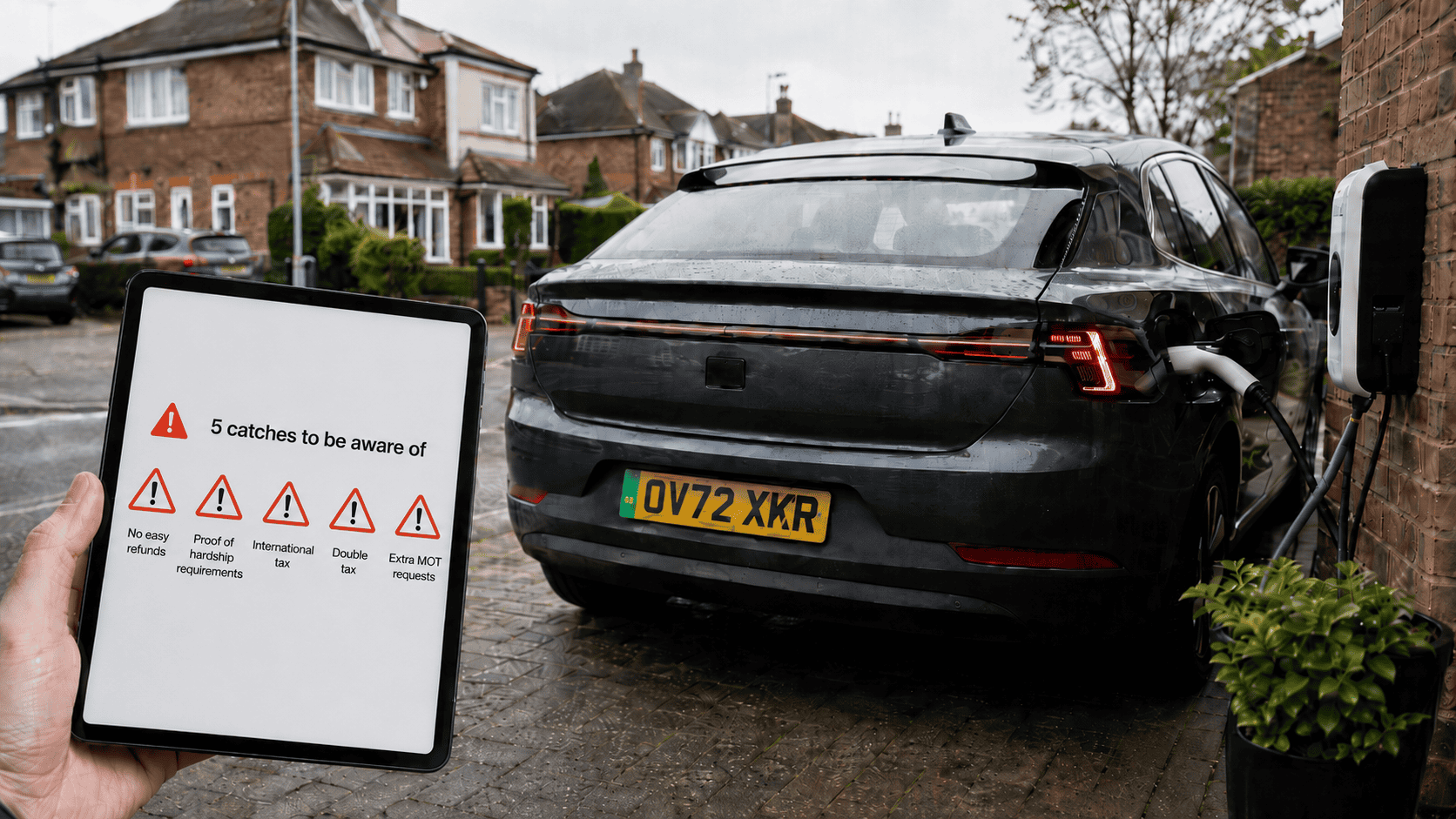
What a £10 Per Kilogram Car Tax Could Cost Drivers if Treasury Adopts It
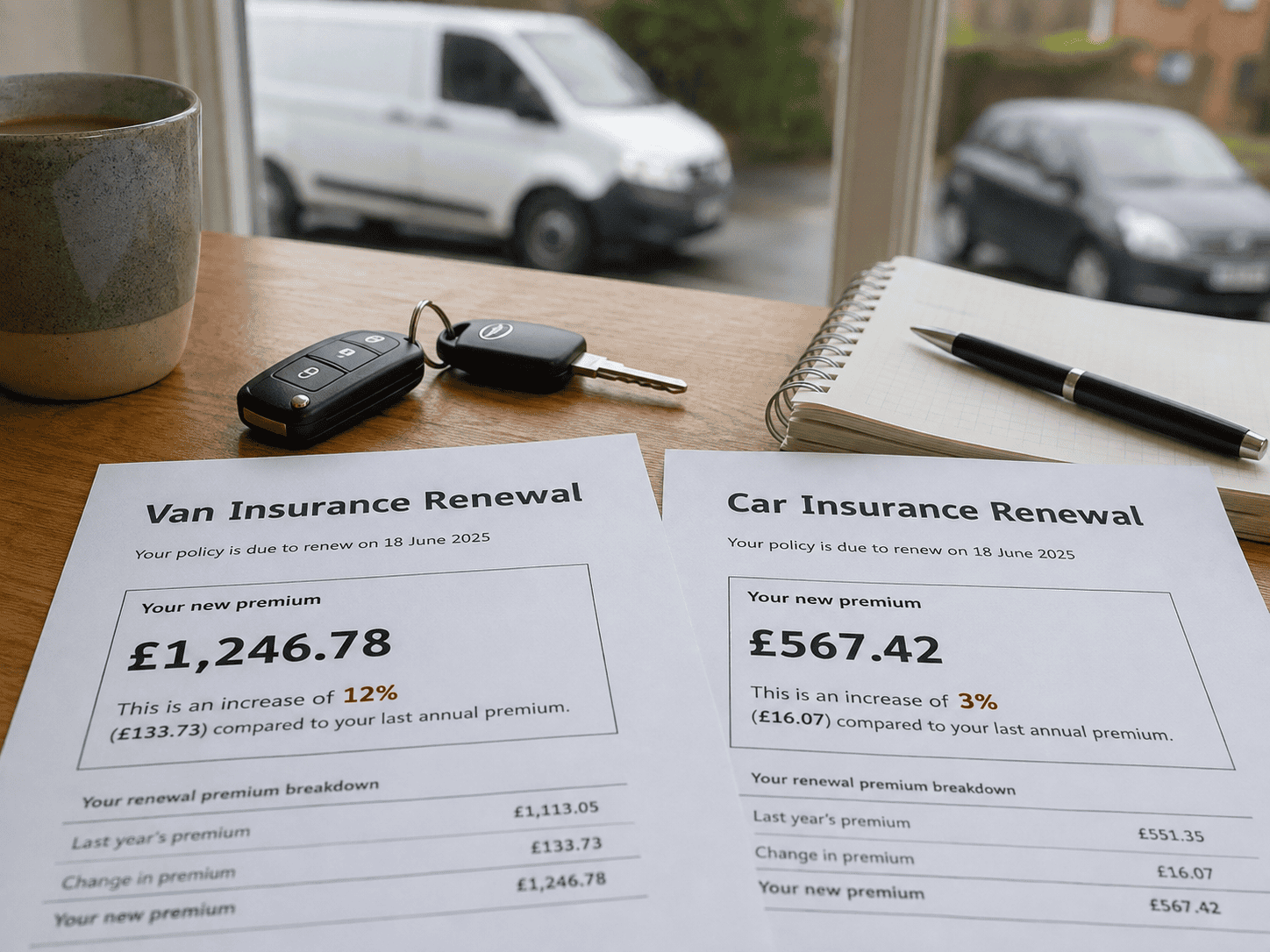
What the Frozen £40,000 Car Tax Threshold Means for Almost a Million UK Drivers
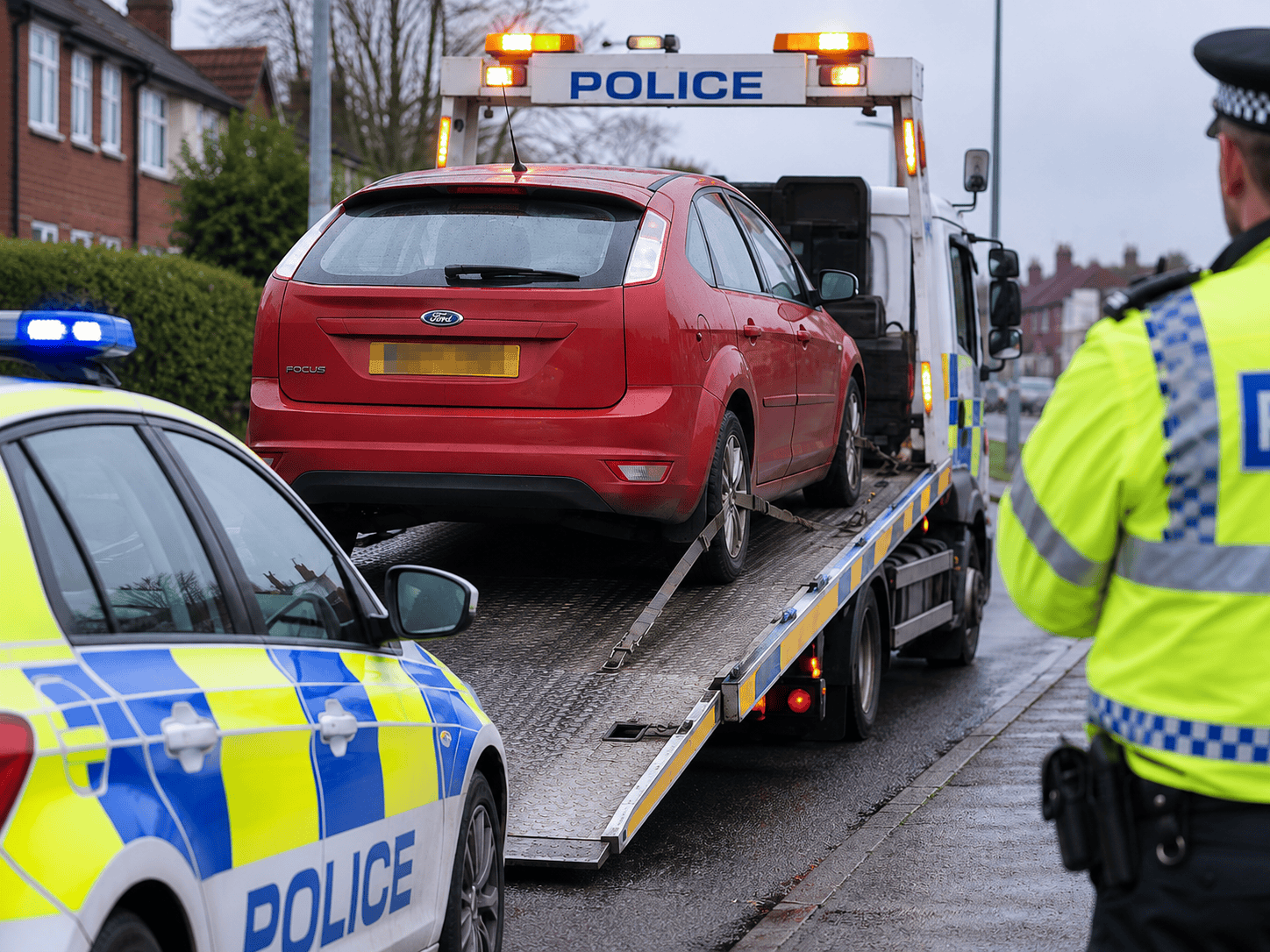
DfT Asks Whether Fake Number Plates and Untaxed Cars Should Mean Points and Seizure

Every Driver Faces Higher Crash Risk After Clocks Go Back as AA Claims Jump 8%
Trending on Motoring Chronicle

What the Ban on ‘Self-Driving’ Car Adverts Means for UK Buyers

Pump Pressure: Petrol at a Two-Year High and Fuel Duty Rising From September

What Red and Amber Warning Lights Actually Mean (and Which Fail an MOT)

11 Winter Checks You Can Do In 10 Minutes