US Traffic Deaths Drop 4.3 Percent as a National Speeding Crackdown Begins
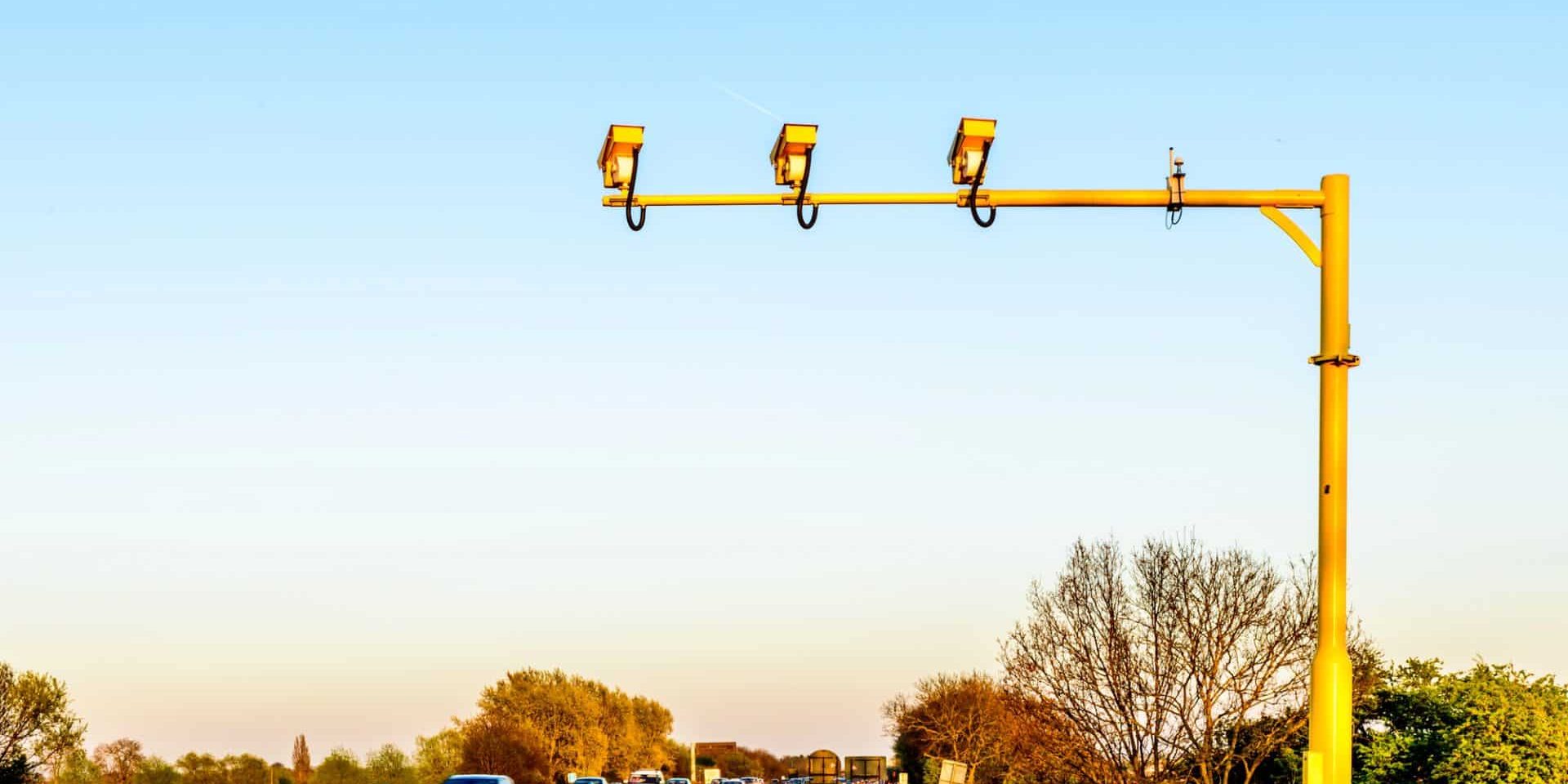
American roads just recorded one of their safest starts to a year in decades, and federal regulators are using the moment to launch a month-long national crackdown on speeding. The National Highway Traffic Safety Administration estimates that 7,770 people died in traffic crashes in the first three months of 2026, a 4.3 percent drop compared with the same period in 2025.
The fatality rate fell to 0.99 deaths per 100 million vehicle miles traveled, the second-lowest first-quarter rate in the nation’s history. Only the record of 0.98, set 15 years ago, stands below it. The improvement arrived while Americans drove 11 billion more miles than in the first quarter of last year, meaning the roads got busier and safer at the same time.
NHTSA paired the data release with the launch of its Speeding Catches Up with You campaign, which runs July 6 to July 31. The message for drivers is blunt: speed enforcement is about to get far more visible, with state and local police running coordinated patrols through the end of the month.
What the First Quarter Numbers Show
The early estimates, published by NHTSA’s National Center for Statistics and Analysis, show declines in 30 states and Puerto Rico for the first quarter of the year. That breadth suggests the improvement is national rather than a handful of big states dragging the average down. Traffic deaths surged in 2020 and 2021, when emptier pandemic-era roads encouraged higher speeds, and the country has spent the years that followed clawing those losses back quarter by quarter.
First-quarter fatality estimates carry a caveat: they get revised as states finalize crash reports, so the 7,770 figure will shift slightly before it becomes official. The trend line, however, has now pointed down for several consecutive quarters. NHTSA announced a similar decline for the first quarter of 2025, and the agency credits sustained enforcement, safer vehicle design and improved emergency response for the gains.
The rate tells you as much as the raw count. Measuring deaths against miles driven strips out the effect of Americans simply driving more. At 0.99 deaths per 100 million miles, the country is brushing against territory it has reached only once before, and safety advocates argue the record of 0.98 is within reach this year if the second and third quarters hold.
Inside the Speeding Catches Up with You Campaign
NHTSA Administrator Jonathan Morrison launched the campaign on July 2 in Lebanon, Tennessee, joined by Capt. James T. Williams, commander of the Metropolitan Nashville Police Department’s Traffic Division, Trackhouse Racing owner Justin Marks and victim advocate Brittany Leedham.
“Unless you’re a racecar driver on the track, there’s no excuse for speeding. Speeding puts everyone’s lives at risk, making crashes more severe and less survivable,” Morrison said. “We urge everyone to slow down before Speeding Catches Up with You.”
The education push is backed by an $8 million national media buy, with English and Spanish language ads running on television, radio and digital platforms through July 31, according to campaign materials published by NHTSA. Alongside the ad campaign, states, counties and cities are running Speeding Slows You Down high-visibility enforcement operations, the traffic-safety equivalent of the Click It or Ticket seat belt blitzes drivers already know.
The scale of the problem explains the spend. In 2024, 11,288 people were killed in speeding-related crashes, 29 percent of all traffic fatalities that year, and an estimated 316,757 more were injured. New early estimates for 2025, released the same day as the campaign launch, project speeding-related deaths fell 11 percent to 10,035, the first return to pre-pandemic territory last seen in 2019. NHTSA called that progress real but described the toll as a continuing crisis.
Who Speeds, and Who Pays the Price
The agency’s data shows speeding rarely travels alone. In 2024, half of the speeding passenger vehicle drivers involved in fatal crashes were unbuckled, compared with 21 percent of non-speeding drivers. Thirty-seven percent of speeding drivers in fatal crashes had a blood alcohol concentration of 0.08 or higher, against 17 percent for non-speeding drivers.
Young drivers carry the heaviest risk. Among drivers aged 15 to 20 involved in fatal crashes in 2024, 39 percent of males and 20 percent of females were speeding, the highest share of any age group. Physics does the rest: higher speeds cut reaction time, lengthen stopping distances and multiply crash energy, which is why a 40 mph impact is far more survivable than one at 55 mph.
Enforcement is also getting more technical. NHTSA says it is supporting AI-assisted enforcement tools, speed feedback signs and school bus stop-arm cameras, and it is exploring mobile telematics and speed-limiting interlock devices for chronic, excessive speeders. States are already moving in that direction. Virginia this month became the first state to sentence repeat speeders to intelligent speed assistance devices that physically stop a car from exceeding the limit, and New York passed a law forcing speed limiters on drivers who rack up 16 camera tickets. Washington’s new work zone cameras began issuing $125 fines this month after months of warnings.
What Drivers Should Expect Through July 31
Expect saturation patrols on interstates and arterial roads, plus heavier enforcement in work zones and school zones. Fines vary widely by state, from under $100 for minor violations to $450 or more in states that have raised distracted and aggressive driving penalties this year, and most states add license points that linger for years.
The bigger cost usually arrives at renewal time. Insurers reprice policies after a speeding conviction, and a single ticket can add hundreds of dollars a year to a full-coverage premium for three to five years. With the average full-coverage policy already running about $2,500 a year, a July lead foot can cost more than the fine many times over.
The practical checklist is short. Use adaptive cruise control or a speed limiter on highway trips. Build five extra minutes into summer drives so running late never becomes the reason for running fast. Wear your seat belt on every trip, front seat and back. And if a teen driver shares your household, talk about the 15-to-20 age group statistics above; no age group speeds its way into fatal crashes more often.
The campaign also lands in the middle of a broader shift in how America enforces speed. Automated cameras, once confined to a few big cities, now operate in school zones and work zones in more than 20 states, and 2026 has seen new programs switch on from Connecticut to Washington. Courts and legislatures have largely upheld them, and the revenue argument has faded as programs post measurable drops in crashes where cameras run.
The month of July itself is part of the calculation. Summer is the deadliest season on American roads, with the stretch between Memorial Day and Labor Day producing a disproportionate share of teen driver deaths, and the July 4 week regularly ranks as the single worst travel period of the year for impaired and aggressive driving. Regulators time their loudest campaigns for the weeks when the risk peaks.
For a sense of scale, speeding kills more Americans each year than tornadoes, floods, lightning and hurricanes combined have killed in any year this century. Roughly 39,000 people died on US roads in 2024 in total, and speed contributed to nearly three in ten of those deaths. Cutting that share is the cheapest safety gain available, requiring no new technology, no new infrastructure and no new spending from drivers, just a lighter right foot.
Drivers who want to know where their own state stands can check the quarterly tables NHTSA publishes alongside each estimate, which break out fatalities and rates by state and region. The estimates draw on the Fatality Analysis Reporting System, fed by police crash reports from every state, which is why early figures firm up over several months as slower-reporting states catch up.
Safety groups are already pushing the agency to convert the campaign’s momentum into rules. Advocates want intelligent speed assistance, the technology Virginia now orders into repeat offenders’ cars, offered as standard equipment the way automatic emergency braking will be by 2029, and Europe already requires new cars to warn drivers when they exceed the limit. Whether Washington follows Brussels remains an open fight, but the direction of travel is clear: the era when a speeding ticket was the only consequence of a heavy right foot is ending.
Sources:
- https://www.nhtsa.gov/press-releases/trumps-transportation-department-reminds-drivers-that-speeding-catches-you
- https://crashstats.nhtsa.dot.gov/Api/Public/ViewPublication/813833
- https://crashstats.nhtsa.dot.gov/Api/Public/ViewPublication/813829
- https://www.trafficsafetymarketing.gov/safety-topics/speeding/speeding-slows-you-down
- https://www.ems1.com/vehicle-crashes/nhtsa-launches-sweeping-new-road-safety-campaign-targeting-top-causes-of-traffic-deaths

Leave a Comment
More in News

Why a Grinding Noise From Your Wheel Could Cost You £250 and Fail Your MOT
What a £10 Per Kilogram Car Tax Could Cost Drivers if Treasury Adopts It
What the Frozen £40,000 Car Tax Threshold Means for Almost a Million UK Drivers
DfT Asks Whether Fake Number Plates and Untaxed Cars Should Mean Points and Seizure

Every Driver Faces Higher Crash Risk After Clocks Go Back as AA Claims Jump 8%
Trending on Motoring Chronicle

How Oxfordshire’s New ‘Quiet Lanes’ Plan Could Cut Off Rural Villages

The iconic EV reimagined: Nissan unveils all-new third-generation LEAF [Photo Gallery]

Giving Up Driving Can Feel Like Losing Your Identity. New Research Explains Why So Many Older Drivers Struggle With The Decision

Audi Q9 Flagship SUV Opens for UK Order in August With Seven Seats