
Every Driver Missing a ULEZ Payment Faces £180 as TfL Accepts 72% of Challenges
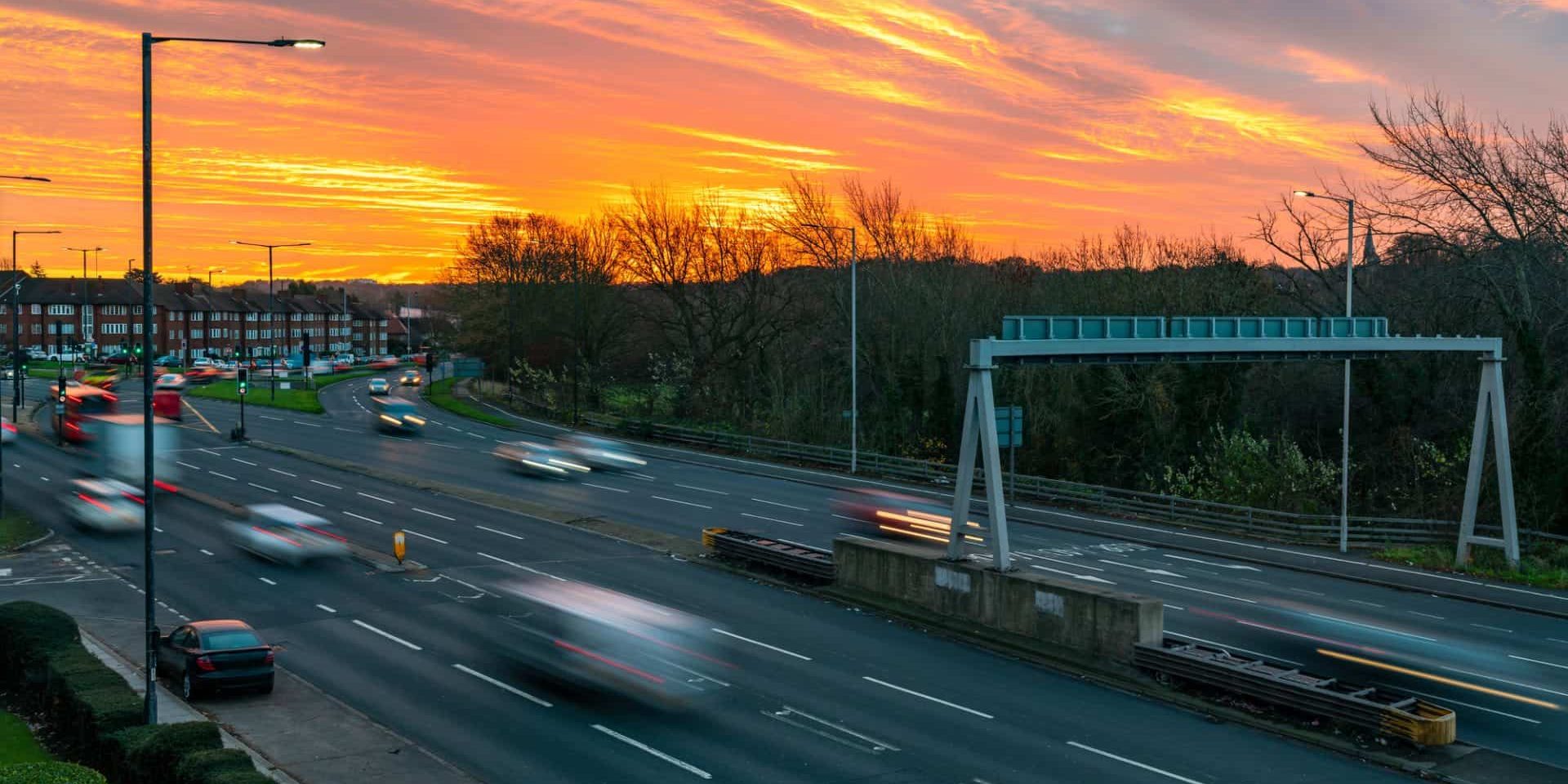

- TfL issued 1,683,552 ULEZ penalty charge notices between 1 April 2025 and 31 March 2026, one every 19 seconds in the words of What Car?, though the total fell 13.9 percent from 1,956,441 the year before.
- TfL accepted 117,275 of the 162,842 challenges it decided, which is 72 percent, and rejected 45,567.
- Each notice costs £180, drops to £90 if paid within 14 days of service, and a challenge must reach TfL within 28 days.
One Wrong Plate Character Turns a £12.50 Charge Into a £180 Notice
A car that fails the Ultra Low Emission Zone standard and is not exempt owes TfL £12.50 for each day it drives inside the zone. Pay that charge late, pay it for the wrong plate or skip it, and the bill becomes £180, which is 14.4 times the daily charge. The zone runs 24 hours a day across all London boroughs, every day of the year except 25 December, and it stops short of the M25.
TfL sent 1,683,552 of those notices in the 2025/26 financial year. That works out at 4,612 a day and 192 an hour. Multiply the count by the £180 penalty and the face value reaches £303,039,360; at the £90 early payment rate it is £151,519,680. Those totals multiply the published count by the penalty. They are face value, not money collected: a notice behind an accepted challenge brings in nothing, and a payment inside 14 days brings in half.
The practical answer is short. Run the registration through TfL’s vehicle checker before the trip, pay the £12.50 by midnight on the third day after travel or set up Auto Pay so the charge clears itself, keep the receipt reference, and challenge any notice that looks wrong inside 28 days of service. Vehicles registered abroad can receive notices as well and must meet the standard or pay the daily charge, so visitors driving in from other countries face the same bill.
What 1.68 Million Notices Show About the Year
The year had a clear shape. May 2025 produced the most notices, 158,428, or more than 5,100 a day. July followed with 156,030. February produced the fewest, 118,626, which is 39,802 below the peak month and works out at just over 4,236 a day across its 28 days.
The total fell. The financial year before, TfL issued 1,956,441 ULEZ notices, so 272,889 fewer went out last year, a drop of 13.9 percent. The published data gives totals, not reasons, so the figures cannot say whether cleaner cars, better payment habits or something else drove the fall.
The challenge numbers carry the fairness story. TfL accepted 117,275 representations and rejected 45,567. Add the two and 162,842 challenges were decided, which makes 72 percent successful and 28 percent rejected. That total is a sum of the printed figures, equal to 9.7 percent of the notices issued in the same twelve months, though decisions in one year do not map one to one onto notices issued in it. More than seven in ten decided challenges ended with TfL telling the driver they were no longer liable. Drivers who go beyond TfL to the tribunal can check the record in the earlier report on appeals TfL has lost at tribunal.
How One Slip Becomes a £180 Notice
TfL lists four routes to a notice. The first is driving a non-compliant, non-exempt car in the zone without registering for a 100 percent discount. The second is failing to pay the correct charge by midnight on the third day after travel. The third is paying for the wrong number plate or the wrong day. The fourth is paying by post less than 10 days before the date of travel.
The plate errors are mundane and common. TfL says the number zero gets confused with the letter O and the number one with the letter I, that characters get swapped between the front and back halves of a plate so ABC123 is paid as 123ABC, that drivers pay for the wrong date when buying in advance, and that some type the make of the car into the registration field. Phone payments should use the phonetic alphabet, with the call handler checking make, model and date of travel and issuing a receipt number.
The clock catches drivers out too. A charging day runs from midnight to midnight, so each day inside the zone is its own charge and its own notice. TfL’s rule also reaches a car that enters just before midnight and leaves just after: that trip needs two daily charges. The charge applies whether a car enters, exits or only moves within the zone.
Take a driver from the Midlands who drives into London on a Tuesday and again on Friday in a non-compliant car and pays neither. The charges would have been £25 for the two days. The notices are £360 at the full £180 each, or £180 if both are paid within 14 days of service. One missed payment per trip costs more than seven times the charge it replaced, even at the early rate.
A Congestion Charge payment does not cover the ULEZ, and TfL says plainly that the schemes are separate and each needs its own payment. Commuters who pay the Congestion Charge can see what it costs them each year in the report on the Congestion Charge cost for commuters.
The 28 Days That Decide Whether You Pay
A notice gives 28 days from the date of service to pay or to make a representation, which is TfL’s term for a challenge. Pay inside 14 days and the amount falls by 50 percent. Send a representation and the notice is frozen while TfL investigates. TfL does not have to read anything that arrives after day 28, though TfL can use discretion for a driver who was prevented from writing in time and can show why, with proof of illness or a holiday as its examples. Written representations go to Low Emission Zone, PO Box 553, Darlington DL1 9TZ, or can be made online.
The person named on the notice must make the representation, whoever was driving. TfL reads a third party’s representation only with the registered keeper’s written authorisation, and a company keeper should state the position of whoever writes. TfL finds the keeper through DVLA records, so a driver who sold a car and never told DVLA can still be the one named.
Parliament defines six grounds. Ground one is that the person was never the keeper, had stopped being the keeper, or became the keeper after the date. Evidence includes the V5C notification sent to DVLA, a bill of sale, a part exchange notice, or for a cloned plate a tracker report, photographs of the car and a police crime reference.
Ground two is that the charge was paid for that vehicle at the right time. A receipt is the easiest proof, followed by a card statement or a bank letter. A mistake in the plate or date can still be put forward, but TfL treats it as a matter for its discretion, with no guarantee.
Ground three is that no penalty charge is payable. Historic vehicles built before 1 January 1973, military vehicles and vehicles in the historic tax class qualify for exemption. A driver diverted into the zone by an accident, event or road works can report the date, time and place, and TfL says it avoids issuing notices on diverted routes where it was told in advance or soon after. Missing the signs does not count, and neither does leaving the zone.
Ground four covers a car used without the keeper’s consent, such as a stolen one, backed by a crime reference number and any insurance claim. A borrower or an employee driving does not count. Ground five covers a penalty above the amount payable, including a notice already paid. Ground six lets a hire firm pass liability to a hirer, provided the hire lasted under six months and the agreement carries a signed statement of liability.
If none of the six fits, a driver can still explain and TfL will assess mitigating circumstances and use its discretion. TfL does not accept forgetting to pay without a mitigating reason, not knowing how to pay, getting lost, disliking the scheme or not knowing about the ULEZ.
What Happens If TfL Says No
TfL answers a representation in one of three ways: a request for more evidence, a notice of acceptance, or a notice of rejection. Acceptance ends the matter. Rejection leaves the driver liable, and ignoring it raises the amount owed and keeps enforcement going. TfL’s own advice is blunt: do not do nothing.
The notice of rejection carries an appeal form for the Road User Charging Adjudicators, an independent tribunal supported by London Tribunals. The driver has 28 days from the date of that rejection notice, and can appeal online with the verification code printed on it. The hearing can be in person or by post. Evidence goes to the adjudicator, not to TfL, and TfL supplies its own evidence pack with a copy to the driver. TfL freezes the notice while the appeal runs, but a driver who loses can be asked to pay the full amount.
The tribunal is stricter than TfL in one respect. Adjudicators cannot take mitigating circumstances into account or use discretion, so a case that rests on a plea of circumstances rather than on one of the six grounds has its best chance at the representation stage. A successful appeal can end the driver’s liability, and any money paid is refunded.
Leave a notice unpaid after TfL serves the charge certificate and the penalty can be registered as a debt at the Traffic Enforcement Centre, which produces an Order for Recovery. TfL says this is not a County Court Judgment and does not touch a credit rating, but the driver then has 21 days to pay the increased amount or make a statutory declaration, and bailiffs follow if neither happens. The declaration is a sworn oath available on only three grounds, such as never receiving the original notice, and it cannot reopen the reason the notice was issued.
Other cities run their own schemes, and the Clean Air Zone charges for older cars carry their own rules. In London the sequence is the same for every driver: check the car, pay the right plate for the right day, keep the receipt, and put a challenge in writing before day 28 if a notice arrives that should not have.
Want more car content? Add us as a preferred source on Google to your favourites list for the best automotive news and analysis on the internet.
If you enjoyed this article, be sure to follow us on Microsoft Start.

Leave a Comment
More in News

NHTSA Opens Defect Petition on Camshaft Claims in 54,787 Ford 7.3L Trucks and Vans

2027 Fiat Topolino Adds Open-Air Roof and Free Street-Legal Kit From $13,995
Washington Requires Free Work Zone Course for First Licenses Under 25 From Nov. 1

How to Check a Used Car for Hidden Finance (and Whether You Keep It)

Bentley Torcal EV Battery Must Withstand Two Hour Fire Test and Over 100mph Projectile
Trending on Motoring Chronicle

How to clean car windows without streaks

Genesis unveils off-road X Skorpio Concept; new concept car strategy

Audi AG scales up deployment of artificial intelligence in production

How Maryland’s New Car Law Lets Dealers Legally Advertise Below Sticker Price
