
Washington Requires Free Work Zone Course for First Licenses Under 25 From Nov. 1

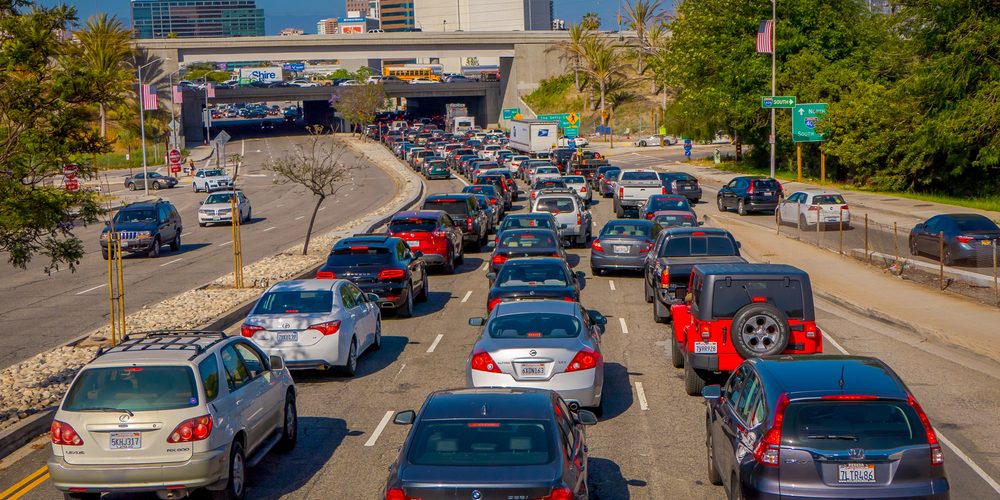
- Washington’s Department of Licensing will not issue a first driver license to anyone under 25 on or after Nov. 1, 2026, until the applicant passes a free online work zone and first responder safety course.
- The course takes about an hour, ends with a test, runs in 14 languages and costs nothing; a license issued on or before Oct. 31 needs no course.
- Driver education for 18 year olds starts Jan. 1, 2027, and drivers 18 to 24 with two moving violations face suspension if they skip a safe driving course.
The Date Washington Issues Your First License Decides Who Takes the Course
Two facts set the rule: the day the state issues your first Washington license and your age on that day. The Washington State Department of Licensing (DOL) requires every first-time applicant under 25 who receives a license on or after Sunday, Nov. 1, 2026, to pass a free online course on work zone and first responder safety. A first license issued on or before Saturday, Oct. 31, carries no such duty at any age.
The course is free, runs on a phone or a computer and takes about an hour. A test closes it, and DOL offers it in 14 languages. Applicants can finish it before or after the driver education and driving tests they already need, so a teenager halfway through a driving school program can do it tonight without touching the rest of the schedule.
DOL describes the cues of a roadside emergency or work zone as orange safety cones, speed reduction signs and flashing lights, and the lessons cover how to drive through those zones and avoid risky last-minute decisions. The course is open to everyone, including licensed adults who want a refresher, but only first-time applicants under 25 have to pass it.
Who Needs the Course and Who Does Not
A 16 year old with a learner permit needs the course before the intermediate license, and the statute applies the same demand to every applicant under 18. An 18 year old, a 21 year old and a 24 year old who have never held a Washington license all need it if the license is issued on or after Nov. 1. DOL’s table stops at age 25: anyone 25 or older gets a first license with no course.
Renewals sit outside the rule. The requirement attaches to an initial license, which the statute defines as a license issued to a driver who has not previously been issued a driver’s license in Washington. A driver who already holds a Washington license and renews it does not take the course.
Parents carry part of the load. Washington law requires a parent, guardian, employer or responsible adult to sign the license application of anyone under 18, so a family should check the course off before the appointment instead of finding out at the counter.
Movers need a closer look. A licensed driver under 25 who arrives from another state is applying for a first Washington license. The statute exempts applicants licensed in a reciprocal jurisdiction from the driver training education requirements in subsections (1) and (2) of the new section. The work zone course sits in subsection (3), and the exemption wording does not name it. DOL’s own course instructions tell people transferring a valid out-of-state license to request a Washington driver license number under the Personal Driver License option, which puts them in the same course flow. A mover under 25 should expect to take the course and can confirm the details with DOL.
How to Take the Course, Step by Step
The course needs three things before the first lesson: a Washington driver license (WDL) number, a WA.gov account and a one-time identity check.
Step one is the WDL number. It is a unique 12 digit number that appears on learner permits, ID cards and licenses. Anyone who has none requests one through a License Express account; the request asks only for basic information, and the full license application can wait. A person who thinks a number already exists but cannot find it can use DOL’s account lookup tool or call 360-902-3900. When creating the record, learners applying for a permit choose Instruction Permit, and people transferring an out-of-state license choose Personal Driver License.
Step two is a WA.gov account, Washington’s single sign-on system. Creating it is free and takes a few minutes. It is a different account from Secure Access Washington (SAW) and from License Express, so a login for either of those does not carry over.
Step three is the sign-in and the identity check. On the first visit the course asks for the WDL number, the last name and the date of birth, and checks them against the DOL database. The check happens once. After it clears, the course home page shows a My Courses list with the work zone and first responder course, and the Start button opens it.
The course can be done before or after driving school, so the lowest-stress order is to finish it now, before the license appointment.
Why Washington Added a Roadside Safety Requirement
The rule comes from Engrossed Substitute House Bill 1878, Chapter 299, Laws of 2025, a young driver safety law now codified as RCW 46.20.1191. The House passed it 71 to 26 on April 21, 2025, the Senate passed it 38 to 11 on April 10, 2025, and Gov. Bob Ferguson approved it on May 17, 2025. The legislature wrote its reasoning into the text: young adults under 25 who get a first license after turning 18, and so face no driver training duty, are statistically more likely to be involved in or cause serious injury or fatal crashes than peers who finished driver training before 18.
DOL says the work zone course aims to reduce roadside collisions with emergency and first responders and belongs to a larger push on younger drivers, who typically experience more serious crashes than other age groups.
The statute sets the course duty from May 1, 2026, until Jan. 1, 2031. DOL chose Nov. 1, 2026, as the start date for applicants. The law lets DOL waive the requirement if the online course is unavailable when someone applies, and DOL’s page says the course is available now. It also orders the department to contract with a provider so that applicants under 25 pay nothing for it. From Jan. 1, 2031, the required curriculum at every Washington driver training school will include work zone and first responder safety awareness.
The law creates a driver education safety improvement account that can pay for the free course, the voucher program and instructor training, with money spent only after the legislature appropriates it. From Jan. 1, 2026, $15 of the new license application fee goes into it, along with $10 of the instruction permit application fee and a share of the 75 cent license service fee. The new license application fee itself rose from $35 to $50 on that date. Work zone speed camera revenue above the program’s costs can also be transferred into the account.
The same law ties the account to work zone enforcement. Under RCW 46.63.200, a speed camera in a Washington state highway work zone can issue a notice only when workers are present. From July 1, 2026, the first violation costs $125 and the second and every later violation costs $248, so a driver caught three times pays $621. The Washington State Department of Transportation says the infractions are recorded as non-moving violations that do not affect driving records or insurance, and unpaid fines are added to vehicle registration renewals. The camera section expires June 30, 2030. Stamford, Connecticut, mails tickets from school zone speed cameras after a warning period, a similar camera model aimed at a different protected zone.
What Changes for Young Drivers on January 1, 2027
The work zone course arrives first. Two months later the bigger changes begin.
On Jan. 1, 2027, applicants who are 18 and born in 2009 or later must complete driver education before a first Washington license. DOL says a new age group joins each year until 2030, and the statute spells out the steps: under 19 in 2027, under 20 in 2028, under 21 in 2029 and under 22 in 2030. A first license in 2026 requires driver education for ages 16 and 17 only; in 2027 the group runs from 16 to 18, in 2028 from 16 to 19, in 2029 from 16 to 20, and from 2030 on from 16 to 21. Applicants 22 and older sit outside the schedule. The statute also lets DOL pause or delay a cohort by rule if driver education courses or instructors run short. Other states loosen the entry point instead, as Indiana’s teen license rule shows.
A second change targets drivers who already hold a license. Starting Jan. 1, 2027, an initial license holder from 18 to under 22 who is found to have committed moving violation infractions on two occasions must complete a safe driving course. The same duty covers holders from 22 to under 25 until Jan. 1, 2031, when a condensed traffic safety education course takes its place. DOL gives the plain version: license holders ages 18 to 24 with two moving violations who skip the course risk suspension. The statute sets the deadline at 180 days from notice from DOL, after which the department must suspend the license until the course is done. Several tickets from a single traffic stop count as one occasion.
Money help is on the way for families. The law tells DOL to run a voucher program from Jan. 1, 2027, subject to funding in the transportation budget. Vouchers cover up to the average cost of driver training education for people from age 15 to under 25 who live in low-income households, and they also reach the cost of a required safe driving course. Each person gets one voucher per type of course. DOL expects the program to start in January 2027.
From Jan. 1, 2031, a first license for anyone under 21 will expire on the later of the holder’s 21st birthday or the second birthday after issue, and renewal will require a driver training refresher course.
The action list is short. Confirm the date the license will be issued, and if it falls on or after Nov. 1, take the free course online now. The DOL course page carries the sign-in links and the step-by-step guides.
Want more car content? Add us as a preferred source on Google to your favourites list for the best automotive news and analysis on the internet.
If you enjoyed this article, be sure to follow us on Microsoft Start.

Leave a Comment
More in News

2027 Fiat Topolino Adds Open-Air Roof and Free Street-Legal Kit From $13,995

How to Check a Used Car for Hidden Finance (and Whether You Keep It)

OMODA E5 and JAECOO E5 Private Buyers Get Free Octopus Charger or £1,000 Credit
Three of Five Vehicles Failed DVSA Emergency Braking Checks Ahead of an Undated Mandate
What to Ask Your Garage After DVSA Failed 7 of 9 Replacement Exhaust Parts
Trending on Motoring Chronicle

Why Aviva Wants Black Box Insurance Made Compulsory for Every New Driver

Why NHTSA Is Investigating 1.2 Million Teslas Over Suspension Failures

Britain’s Most Stolen Car Has Changed and Only 13 Percent Are Ever Recovered

What the FCA’s £7.5 Billion Car Finance Payout Means for 12 Million Drivers
