
How California’s New 3-Day Used Car Return Law Actually Works
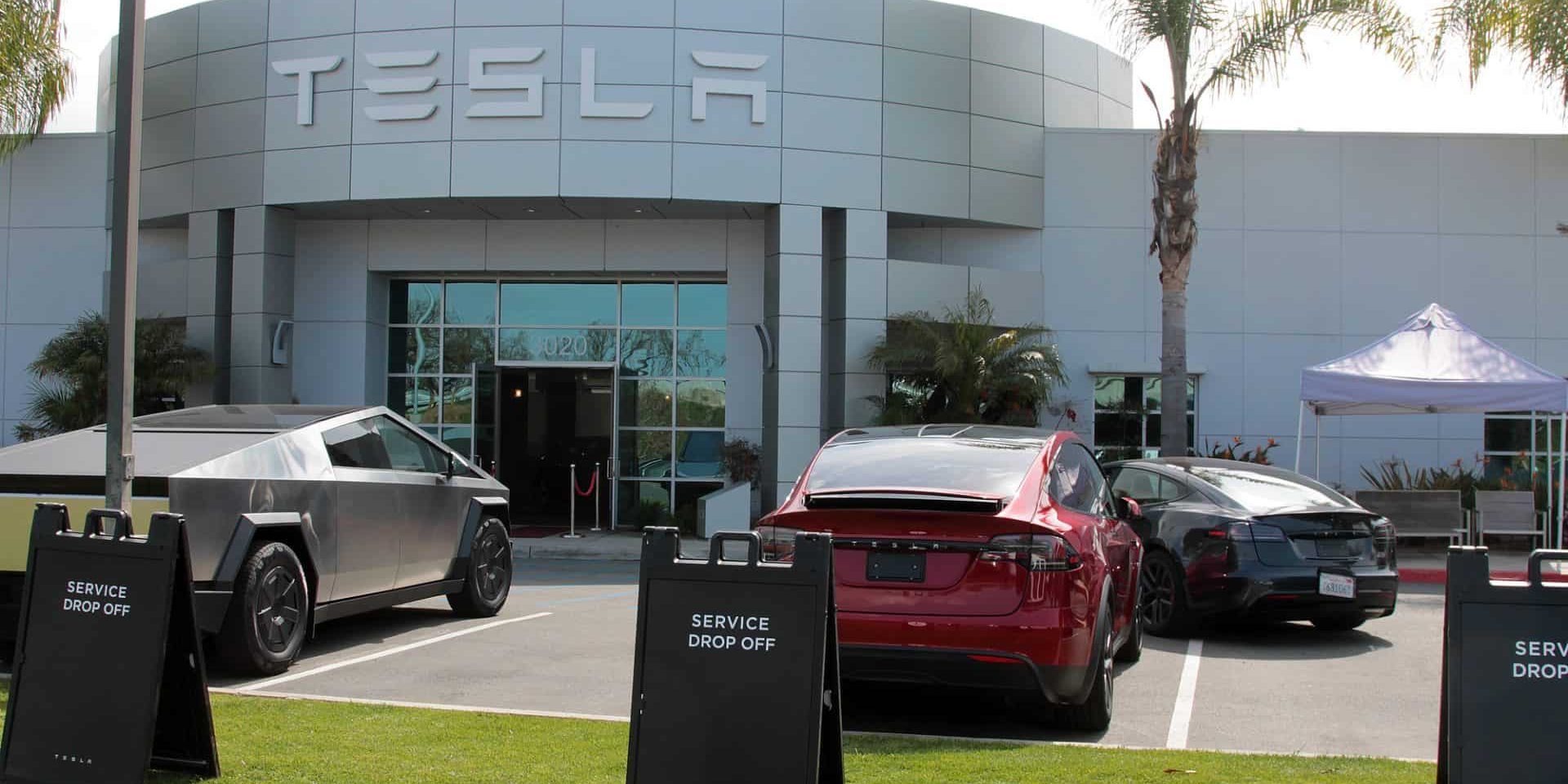

- California’s new CARS Act gives buyers of used cars priced at $50,000 or less a three-day right to cancel the deal, starting October 1, 2026.
- The cancellation right ends if you drive the car more than 400 miles, and dealers can charge a restocking fee of 1.5 percent of the price, capped between $200 and $600.
- The law also bans dealers from misrepresenting a vehicle’s condition, history or financing terms during the sale.
California Buyers Now Get a Real Chance to Undo a Bad Deal
Buying a used car has always come with a simple risk: once you sign the paperwork and drive off the lot, the deal is done, no matter what you discover about the vehicle the next morning. California just changed that. Senate Bill 766, known as the Combating Auto Retail Scams Act, took effect October 1, 2026, and gives buyers and lessees of qualifying used vehicles a three-day window to cancel the transaction and return the car.
Governor Gavin Newsom signed the bill into law on October 6, 2025, after California dealers and consumer advocates spent months negotiating the specifics. It is the broadest overhaul of vehicle sales rules the state has passed in years, and other states are already watching how it plays out before considering similar legislation of their own.
How the Three-Day Right to Cancel Works
A dealer generally cannot sell or lease a used vehicle priced at $50,000 or less without offering the buyer or lessee a three-day right to cancel the transaction. The clock starts the calendar day after the purchase or lease is signed and runs for three calendar days. If the third day falls on a day the dealership is closed, the deadline moves to the next day it reopens, so a Friday purchase does not quietly expire over a closed weekend.
The protection has real limits. The right to cancel ends the moment the vehicle has been driven more than 400 miles after delivery, so a buyer who takes a car on a long road trip immediately after purchase forfeits the option. The vehicle also generally has to come back in the same condition it left in, apart from normal wear and tear and mechanical problems that surface through no fault of the buyer.
Cancelling is not entirely free. Dealers may charge a restocking fee of 1.5 percent of the vehicle’s sale price, with a minimum of $200 and a maximum of $600. They can also charge up to $1 for every mile driven beyond 250, capped at $150 total. A buyer who cancels a $30,000 purchase after driving 300 miles could owe a $450 restocking fee plus $50 in mileage charges, a cost worth knowing before you decide to back out of a deal rather than after.
What Else the Law Changes
The right to cancel is the headline feature, but the CARS Act goes further. It prohibits dealers from misrepresenting a vehicle’s condition, accident history, ownership history or the terms of any financing arrangement offered as part of the sale. Dealers who violate these provisions face enforcement action from the state, independent of whether a specific buyer exercised the cancellation right.
The timing is notable given what has happened at the federal level. The Federal Trade Commission tried to impose a national version of these protections through its own CARS Rule, which would have required dealers nationwide to quote the actual price a buyer would pay and disclose that add-on products like extended warranties are optional. The Fifth Circuit Court of Appeals vacated that rule in January 2025 after dealer trade groups successfully argued the FTC had skipped required procedural steps, and the agency formally withdrew it in February 2026. With no federal rule in effect, California’s law fills part of that gap for its own residents, and dealers selling across state lines will need separate compliance approaches depending on where a buyer is located.
What To Do If You Are Buying a Used Car in California
Ask the dealer directly whether the three-day right to cancel applies to your purchase before you sign anything. It only applies to vehicles priced at $50,000 or less, so buyers of higher-end used vehicles do not get this protection and should negotiate and inspect as carefully as ever before signing.
If you plan to use the cancellation window, keep your mileage well under 400 miles and avoid anything beyond routine errands until you are certain you want to keep the car. Get the cancellation fee structure in writing at the time of purchase so there is no dispute later about what the dealer can charge if you return the vehicle.
Keep copies of every document the dealer gives you about the vehicle’s condition and history. If a dealer misrepresented something material about the car, the misrepresentation provisions of the law apply whether or not you are still inside the three-day cancellation window, and documentation makes any later complaint to the state far easier to pursue.
What Happens Next
California dealer groups, including the National Independent Automobile Dealers Association, are still working through compliance guidance for members, and enforcement patterns will likely take shape over the coming months as the state’s consumer protection agencies field early complaints. With the federal CARS Rule dead and no clear sign Congress will revisit it soon, consumer advocates in other states have pointed to California’s law as a template, meaning drivers outside California should watch for similar proposals in their own state legislatures over the next year.
Sources:

Leave a Comment
More in News
Toyota Recalls 62,000 Tundras Over Camshafts That Could Snap While Driving
What Highway Code Rule 57 Expects of Every Driver With a Dog in the Car

SA Drops Police Reports for Most Crashes Over $3,000 From 23 November

Palm Beach School Bus Cameras Mail Warnings Nov. 16, Then $225 Fines Jan. 5

Orlando School Zone Cameras Mail $100 Fines From Nov. 30, No License Points
Trending on Motoring Chronicle

The 10 Most Iconic Ferraris Of All-Time

New Audi A5 e-hybrid combines dynamics, efficiency, and long electric range [Photo Gallery]

Pioneering technology meets pure driving pleasure: testing BMW iX3 prototypes [Photo Gallery]

Brakes, Fuel Pumps and Lane Assist: Three New DVSA Recalls Affecting 40,000 UK Cars
