
How Stamford’s New School Zone Speed Cameras Will Fine Drivers Starting This Month
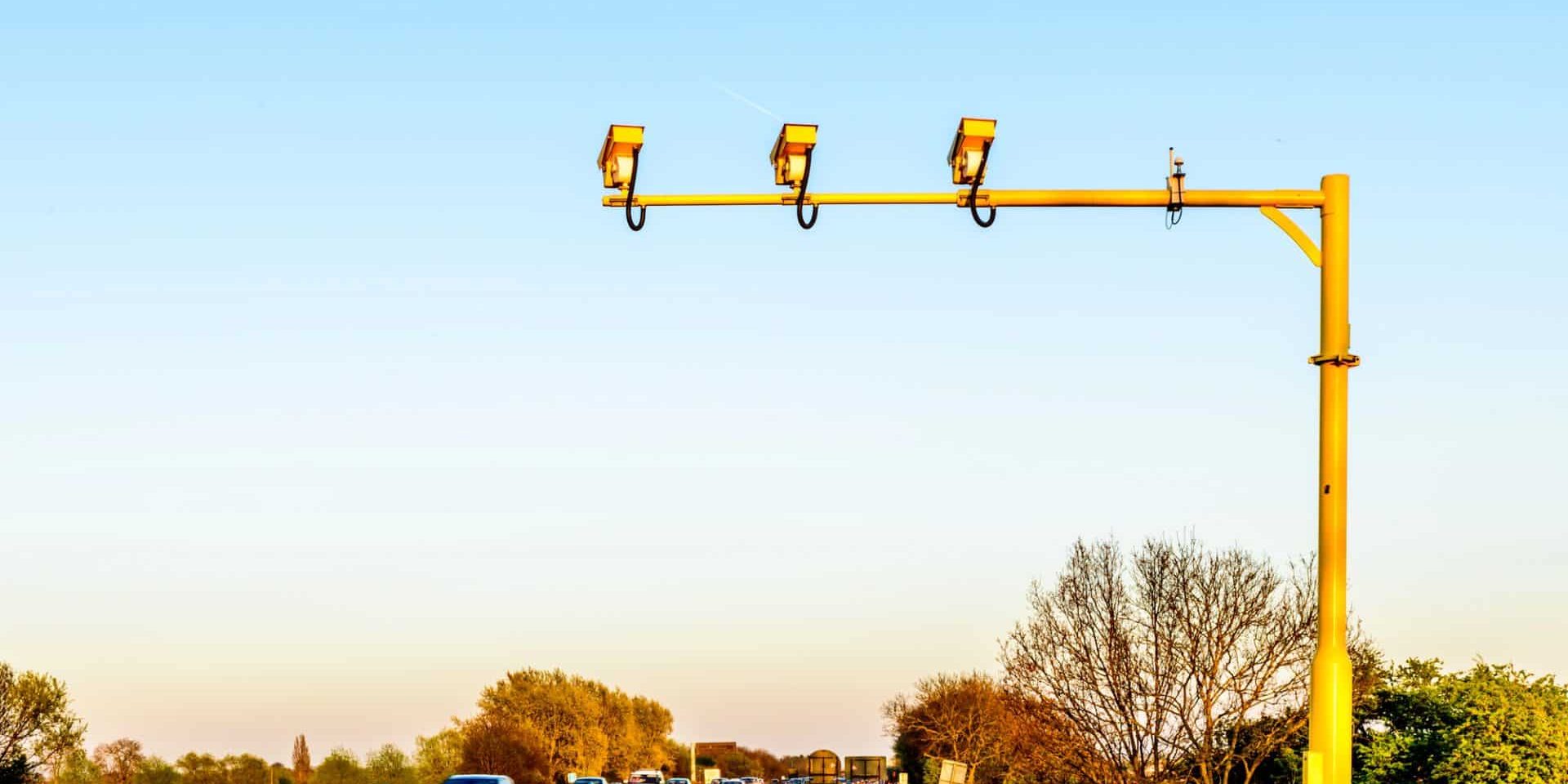
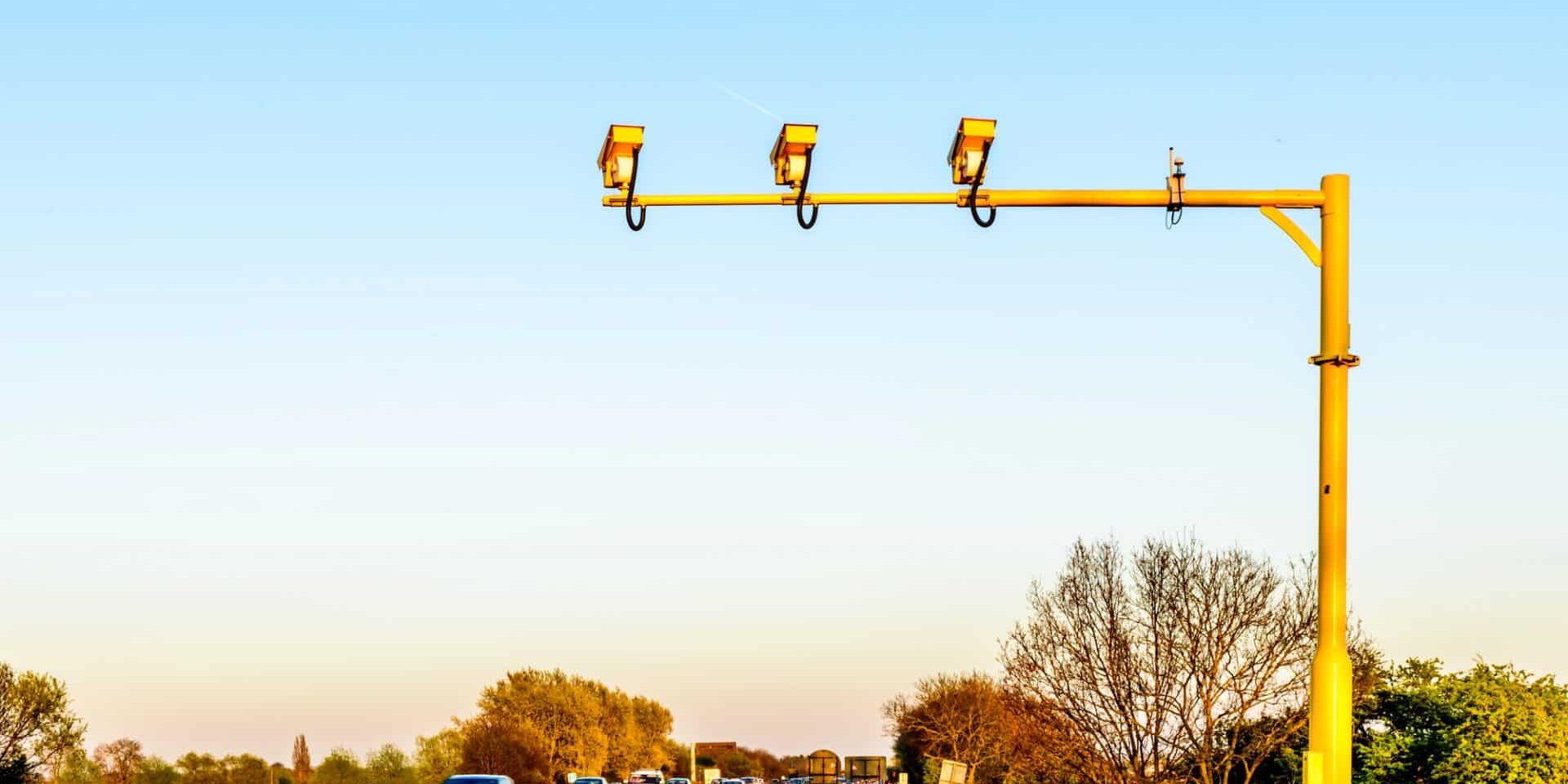
Drivers passing eight schools in Stamford, Connecticut, will soon share the road with a new kind of enforcement. The city is activating 14 automated speed cameras this September, and after a 45-day warning period, anyone caught going 10 mph or more over the limit will get a ticket in the mail, not a lecture.
Stamford is the 15th Connecticut municipality to win state approval for the cameras, part of a wave of towns turning to automated enforcement after years of elevated traffic deaths on local roads.
Where the Cameras Are Going
The 14 devices will sit at streets around eight schools: Cloonan Middle School, Springdale Elementary School, Dolan Middle School, Toquam Elementary School, Stamford High School, Julia A. Stark Elementary School, K.T. Murphy Elementary School and Strawberry Hill School. City officials have named the specific corridors as West North Street, Hope Street, Toms Road, Glenbrook Road, Cove Road and Strawberry Hill Avenue.
The city has not locked in an exact activation date, only confirming the cameras will go live sometime in September. Once they do, drivers get a 45-day grace period in which the cameras log violations but the city sends warnings instead of fines. After that window closes, real citations begin.
How Much a Ticket Will Cost
A camera captures a vehicle’s rear license plate when it detects a driver going 10 mph or more over the posted limit, the statewide threshold set under Connecticut’s 2023 traffic safety law. A first offense costs $50. Every violation after that runs $75. Tickets are civil penalties, similar to a parking fine, rather than moving violations, so they do not add points to a driver’s license or affect insurance rates the way an officer-issued speeding ticket typically does.
That distinction is significant for anyone doing the math on repeat exposure. A commuter who regularly cuts through a school zone above the threshold could rack up several $75 fines a month with no license consequence beyond the bill itself, which is part of why some traffic safety advocates argue camera fines alone will not change habitual speeders’ behavior the way a point-bearing citation would.
The Law Behind the Cameras
Connecticut lawmakers authorized municipal speed and red-light cameras in a 2023 roadway safety law signed by Governor Ned Lamont on June 27 of that year. The bill passed the state House with strong Democratic support after two brutal years on Connecticut roads: 367 people died in traffic crashes statewide in 2022, the deadliest year on Connecticut roadways in decades, including 239 drivers and passengers and 75 pedestrians. The death toll fell to 308 in 2023 as the law took shape, though state officials have repeatedly called that figure still too high.
Under the law, a town cannot simply install cameras on its own. City officials must hold a public hearing, submit a formal plan to the state Department of Transportation showing how the devices will improve safety, and wait up to 60 days for approval or rejection from the state’s Office of State Traffic Administration. The law also caps where cameras can go, restricting them to school zones, designated pedestrian safety zones and other locations local officials choose and the state signs off on.
Stamford cleared that process in 2026, joining a fast-growing list of Connecticut municipalities. As of mid-August 2026, the state had approved 18 towns and cities for automated traffic enforcement, including Beacon Falls, Fairfield, Greenwich, Groton, Hamden, Marlborough, Middletown, Milford, New Britain, New Haven, North Haven, Prospect, Stratford, Washington, West Hartford, Wethersfield and Winchester alongside Stamford. Lawmakers have so far kept the program limited to local roads; a push to extend camera enforcement to state highways was stripped out of a 2026 transportation bill before passage, even though a transportation committee had advanced the highway provision earlier in the year.
Why School Zones Specifically
Stamford’s rollout, like most Connecticut camera plans so far, targets school zones rather than general commuter corridors. Municipal officials pitching these plans to the state DOT typically point to sightline and pedestrian data around specific schools rather than general residential complaints, as the law requires a documented safety case rather than anecdotal concern from residents.
The city’s approach mirrors programs already running or launching elsewhere in the country this year. Annapolis, Maryland activated round-the-clock speed cameras in September with fines reaching $425, while Bellevue, Washington began citing drivers at four new camera locations with penalties up to $248. Stamford’s $50 to $75 range sits at the lower end of that national spectrum, reflecting Connecticut’s civil-penalty structure compared with states that treat camera violations closer to standard traffic tickets that carry license points.
What Drivers Should Do
Anyone who regularly drives through Springdale, Toms Road, Cove Road or the other listed corridors should treat the posted limit as the actual limit starting this month, not only in the hours around school arrival and dismissal. Automated cameras generally operate on a schedule tied to school activity, but Stamford has not published exact enforcement hours alongside the location list, so drivers should assume broader coverage until the city clarifies.
Out-of-town and rental car drivers are not exempt. Camera systems photograph the plate regardless of who owns the vehicle, and the citation follows the registered owner, meaning a rental company can pass the fine and an administrative fee on to whoever had the car at the time. Anyone renting in the Stamford area this fall should budget for that possibility.
Drivers who receive a citation in the 45-day warning period should not owe anything, as the city has said that stretch is warning-only. Once enforcement begins, a citation typically arrives by mail with the recorded speed, photo evidence and instructions for paying or contesting the fine through the city’s administrative hearing process rather than traffic court. Connecticut’s law requires municipalities to offer that appeal path, giving drivers who believe a citation was issued in error a formal way to challenge it without a criminal court date.
Where the Fine Money Goes
Connecticut’s enabling law restricts how towns can spend camera revenue, directing funds toward traffic safety improvements such as signage, crosswalk upgrades and further enforcement technology rather than letting the money flow into a municipality’s general fund. That restriction was a deliberate response to criticism leveled at automated enforcement programs in other states, where critics have accused cities of treating speed cameras as a revenue tool first and a safety tool second.
How Stamford Compares to Its Neighbors
Fairfield, one of the earliest Connecticut municipalities approved for automated enforcement, has already run its own school-zone program long enough to give Stamford officials a rough preview of what to expect: a spike in warnings in the initial grace period followed by a steady decline in violations as drivers adjust their habits on camera-monitored streets. Greenwich and New Haven, both approved earlier in the state’s rollout, have taken similar school-zone-first approaches rather than targeting general commuter corridors, reinforcing that Connecticut’s camera program remains narrowly scoped compared with cities that use cameras on major arterial roads or highways.
That narrow scope is a direct result of how the 2023 law was written. Lawmakers who supported the bill wanted a program targeted at demonstrable safety problems, not a broad revenue mechanism, and the requirement that every town document a specific safety case before installing cameras reflects that intent. Whether Stamford’s version proves as effective as Fairfield’s early data suggests will likely shape how aggressively the remaining Connecticut municipalities without approved plans decide to pursue their own camera programs in 2027.
What Happens Next
Stamford joins a state program still in its early years. With 18 municipalities approved and more towns submitting plans regularly, Connecticut’s patchwork of local camera enforcement is likely to keep expanding through 2026 and into 2027. For now, enforcement stays confined to municipal roads near schools, but drivers statewide should expect more of these systems to appear as neighboring towns watch how Stamford’s rollout performs and whether it measurably slows traffic near the schools it covers.
Sources:
- CT Examiner: https://ctexaminer.com/2026/08/08/stamford-to-launch-school-zone-speed-cameras-in-14-locations/
- Stamford Advocate: https://www.stamfordadvocate.com/news/article/stamford-ct-speed-cameras-start-22375221.php
- CT News Junkie: https://ctnewsjunkie.com/2026/08/13/18th-ct-municipality-approved-for-automated-traffic-enforcement-cameras/
- City of Stamford: https://www.stamfordct.gov/government/stamford-vision-zero/speed-safety-cameras
- CT Mirror: https://ctmirror.org/2023/05/23/ct-red-light-cameras-speed-limit-violations-infractions-house-approves/

Leave a Comment
More in News

Leicestershire Council Took £900,127 in Parking Penalties as Notices Issued Rise 9.3 Percent

How the DVLA’s Digital Driving Licence Will Work for Every UK Driver in 2026

Autotrader Shows Used Petrol Cars Cost £14,625 as 17 Months of Price Rises End

Catalytic Converter Thefts Are Rising Again and Could Cost Every Van Owner over £1,000

How California’s New Robotaxi Law Could Fine Waymo and Tesla $10,000
Trending on Motoring Chronicle

Paris Motor Show 2026 highlights, with BYD and Denza leading the charge

2026 Lexus RZ Adds More Power and Performance [Photo Gallery]

Bentley collector takes delivery of bespoke Le Mans Bentayga to complete a unique stable [Photo Gallery]

Bugatti Type 35: A Timeless Inspiration [Photo Gallery]
