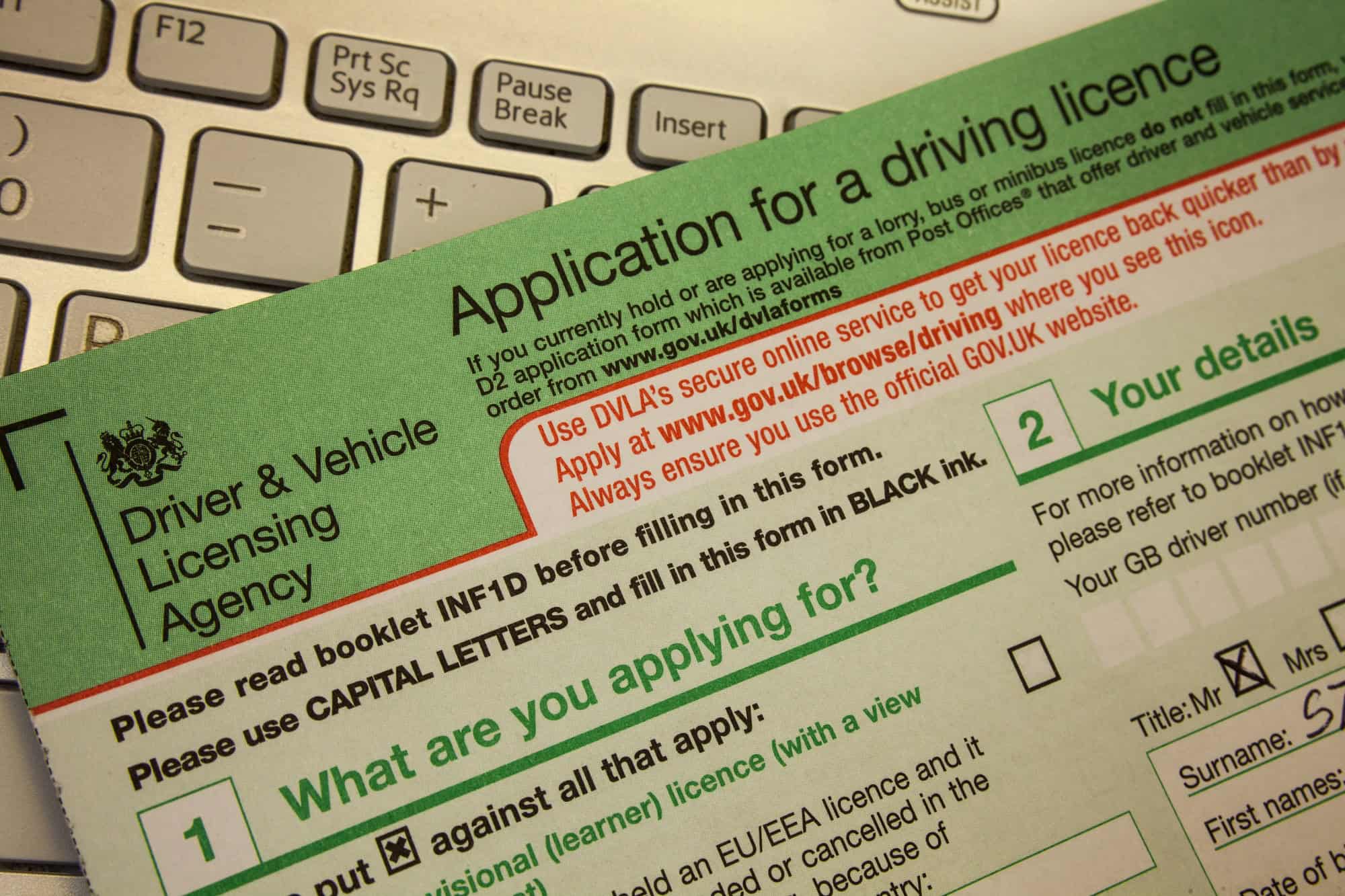
CMA Has Sent 1,166 Fuel Price Letters to Forecourts and Fined Nobody Yet


- The Competition and Markets Authority has sent 1,166 letters to forecourt operators over the Fuel Finder scheme and issued compliance notices covering 53 petrol stations, yet says no financial penalties have been needed.
- About 97% of UK petrol stations are registered, covering an estimated 99% of the fuel sold, while the stations still outside the scheme account for about 1% of national fuel sales.
- Retailer margins averaged 11.2p a litre in June 2026 against 10.7p across 2025, and the CMA says most retailers’ passive pricing is sustaining them.
The CMA Has Written to Forecourts 1,166 Times Over Fuel Price Reporting and Fined Nobody
The Competition and Markets Authority has written to forecourt operators 1,166 times about the national Fuel Finder scheme and has issued formal compliance notices covering 53 petrol stations, yet it has imposed no financial penalty on anyone. The figures come from the regulator’s own monitoring update, published on 18 August 2026 and updated on 14 October 2026, and from the full monitoring report behind it. For drivers, the numbers show how far the scheme that publishes live pump prices has bedded in, and how the watchdog is dealing with the stations that have not played their part.
Fuel Finder requires UK petrol stations to register and report their pump prices so that live prices can be shared openly. The CMA’s monitoring report says retailers had to register and report from 2 February 2026, and that the regulator held off enforcement until the grace period ended. The rules sit in the Motor Fuel Price (Open Data) Regulations 2025, which set out compliance notices and financial penalties for retailers that break them. The CMA also publishes a Fuel Finder factsheet for drivers, which its press release links to.
The same report tracks what retailers earn on every litre, so it doubles as a check on how much of any fall in wholesale costs reaches the pump. Both halves of the story are covered below, starting with the compliance figures.
What the Competition and Markets Authority Found on Compliance
The headline figure is registration. The CMA says about 97% of UK petrol stations are now registered with Fuel Finder, and that those sites account for an estimated 99% of the fuel sold. The report calls that an indicative estimate rather than an audited measure. The retailers still unregistered represent about 1% of national fuel sales by volume.
On reporting, the regulator says the overwhelming majority of sites recorded a price update within the last week. After the grace period ended in the spring, it sent 1,166 letters and issued compliance notices covering 53 sites. The CMA states that no financial penalties have been needed.
The aggregator that collects the price data, VE3, has not referred any suspected price-reporting breaches to the CMA, according to the monitoring report. The report does not say how many of the 53 sites have fixed their reporting after a notice arrived, so the figures show the scale of the enforcement effort, not its final result.
A compliance notice is a formal step. It sets out the breach and gives a deadline for putting it right. The CMA’s guidance says the regulator can start with informal contact instead, and that traders typically get about two weeks to respond to proposed informal action. For a driver, that means a letter or a notice is a long way from a fine, and the fine has not yet been used.
How a Forecourt Moves From a Letter to a Penalty
The CMA published its Fuel Finder enforcement guidance on 18 December 2025, and it lays out the route in clear stages. First, the aggregator tries to resolve a possible breach with the trader and refers it to the CMA if that fails. Second, the CMA can raise the issue informally. Third, it can issue a compliance notice under regulation 15, setting out the breach and a deadline. Fourth, if the problem continues, it can send a notice of intent that includes a draft final penalty notice and invites representations by a set deadline. Fifth, it can issue a final penalty notice.
The CMA can also penalise a retailer without a compliance notice. The guidance says that route is mainly for persistent non-compliance or significant historic breaches that have already been fixed.
Money is calculated from turnover, not from a fixed price list. The guidance caps a fixed penalty at 1% of worldwide turnover and a daily rate at 5% of daily worldwide turnover, and allows a combination of the two with the same caps. A senior member of CMA staff makes the decision, and the General Counsel reviews the analysis before a compliance notice or penalty goes out.
A penalty is not the end of the road for a retailer. It can apply to the CMA within 14 days of the final penalty notice to vary the payment date, and it can appeal to the Competition Appeal Tribunal within 28 days. A further appeal to the Court of Appeal is possible on a point of law or on the amount of the penalty.
The guidance lists what counts as a breach: failing to register with the aggregator, failing to report price changes, ignoring a compliance notice, and refusing formal information requests without a reasonable excuse. Giving false or misleading information is a criminal offence under regulation 26.
Why Pump Margins Still Sit Above Last Year’s Level
Fuel Finder is one strand of a wider CMA document. The report, titled CMA Road Fuel Monitoring: Enhanced monitoring report in response to the Middle East conflict, also tracks what retailers keep on each litre. The margins below are for all fuels combined, as the report does not split petrol from diesel in its text.
Across all retailers the average margin was 10.7p a litre in 2025, 11.0p in May 2026 and 11.2p in June 2026. Supermarkets averaged 9.8p in 2025, then 10.7p in May and 10.4p in June. Non-supermarket retailers averaged 11.3p in 2025 and again in May, then 12.0p in June. The CMA says non-supermarkets stay consistently more expensive than supermarkets. Two further non-supermarket retailers, which the report leaves out of its averages so the data stays comparable, saw June margins rise by 4.0p and 4.3p a litre.
A little arithmetic shows what those gaps look like on a full tank. The rise from 10.7p to 11.2p across all retailers is 0.5p a litre, or about 27.5p on a 55 litre fill. The June gap between non-supermarkets at 12.0p and supermarkets at 10.4p is 1.6p a litre, or about 88p on 55 litres. Those are margin gaps, not pump price gaps, but they show where the money sits.
The timing is what drew the regulator’s attention. Petrol pump prices fell by 6p a litre across May and June while crude oil fell by 10p. Diesel fell by 23p, with crude down 10p and refining spreads down 11p. Five non-supermarkets reported higher margins in June at a time when their wholesale costs were falling.
The CMA says it found no evidence that retailers changed their pricing to profit from the crisis. It also says most retailers’ continued use of passive pricing strategies is sustaining high margins, and that some retailers did not immediately pass wholesale diesel price cuts on to drivers. Sarah Cardell, the CMA’s chief executive, said she expects any reductions in wholesale prices to be “rapidly and fully passed on to drivers”.
Two pieces of follow-up work are planned. The CMA expects to publish a targeted update to its 2023 road fuel market study in the autumn, and it plans to analyse local price variation in its next report. It also says it will continue to engage with retailers to support Fuel Finder compliance.
What Drivers Can Do With the Scheme Today
None of these figures changes the price on a forecourt sign, but they point to a few practical steps. The clearest is where you buy. With the CMA reporting consistently higher prices at non-supermarkets, and margins at those sites running higher, checking a supermarket price before filling up is the most direct way to act on the data. Our earlier report on the AA’s postcode comparison found drivers paying up to £4.72 more a tank depending on where they filled up: Every Driver Pays Up to £4.72 More a Tank by Postcode, AA Finds.
The second step is to watch diesel in particular. The CMA found that some retailers did not immediately pass on wholesale diesel cuts, and diesel fell by 23p a litre across May and June. If the price at your usual station has barely moved while others have dropped, that is worth acting on. The wider cost of fuel is set out in Diesel Drivers Pay £105.88 per 55 Litres as ONS Puts Fuel Up 29.8 Percent.
The sources reviewed for this article do not set out a route for drivers to report an individual forecourt to the CMA, so the practical lever remains choosing where to buy. The numbers to watch next are the count of compliance notices, any first financial penalty, and the autumn update to the market study. For now, the CMA’s own figures read 1,166 letters, 53 notices and no fines.
Want more car content? Add us as a preferred source on Google to your favourites list for the best automotive news and analysis on the internet.
If you enjoyed this article, be sure to follow us on Microsoft Start.
Sources:
- Competition and Markets Authority: CMA publishes latest monitoring update on road fuel market
- Competition and Markets Authority: Enhanced road fuel monitoring report: August 2026
- Competition and Markets Authority: CMA Road Fuel Monitoring: Enhanced monitoring report in response to the Middle East conflict
- Competition and Markets Authority: Fuel Finder enforcement guidance
- legislation.gov.uk: The Motor Fuel Price (Open Data) Regulations 2025

Leave a Comment
More in News

Every Electric Car Driver Faces a New £240 Mileage Tax From April 2028

A Heat Pump Is Worth About Ten Degrees of Winter, and Most Owners Never Knew They Had the Choice
Diesel Drivers Pay £105.88 per 55 Litres as ONS Puts Fuel Up 29.8 Percent
How DfT’s £220 Million Pothole Funding Could Save Drivers Nearly £600 on Repairs

DVSA Data Shows Kirkcaldy MOT Failures Hit 36.2 Percent, Against 20 Percent in Ilford
Trending on Motoring Chronicle
What a Global Oil Flashpoint Means for the Price of Diesel in Britain

Nissan bids fond farewell to R35 GT-R as final vehicle rolls off the line

A new foundation for a new era: the Tourbillon’s platform [Photo Gallery]

Land Rover Recalls 15,535 Discoveries Over Cameras Ruined by Trapped Water