Every Driver Saves £4 a Tank if Fuel VAT Drops to 15%, Says RAC
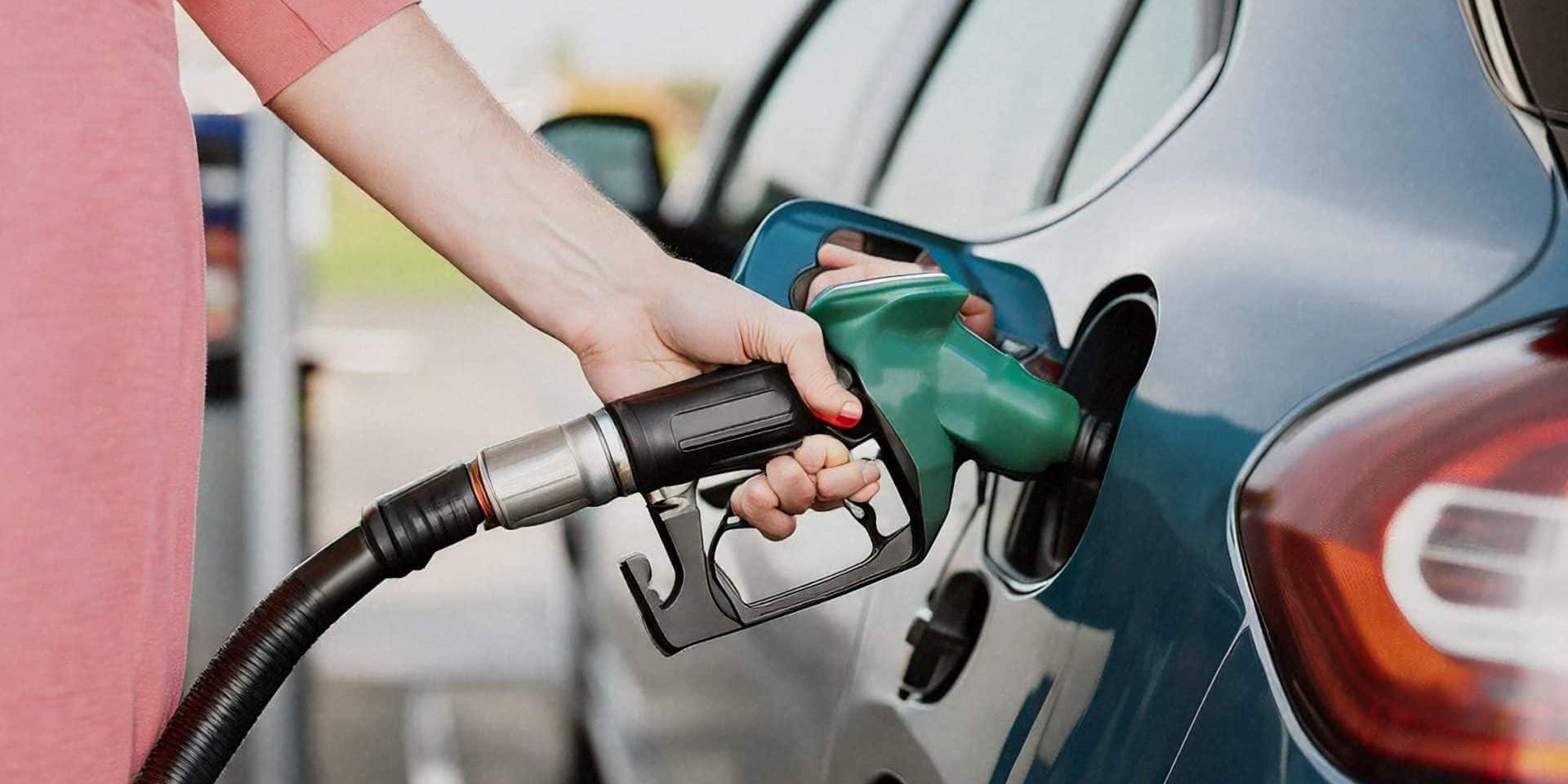
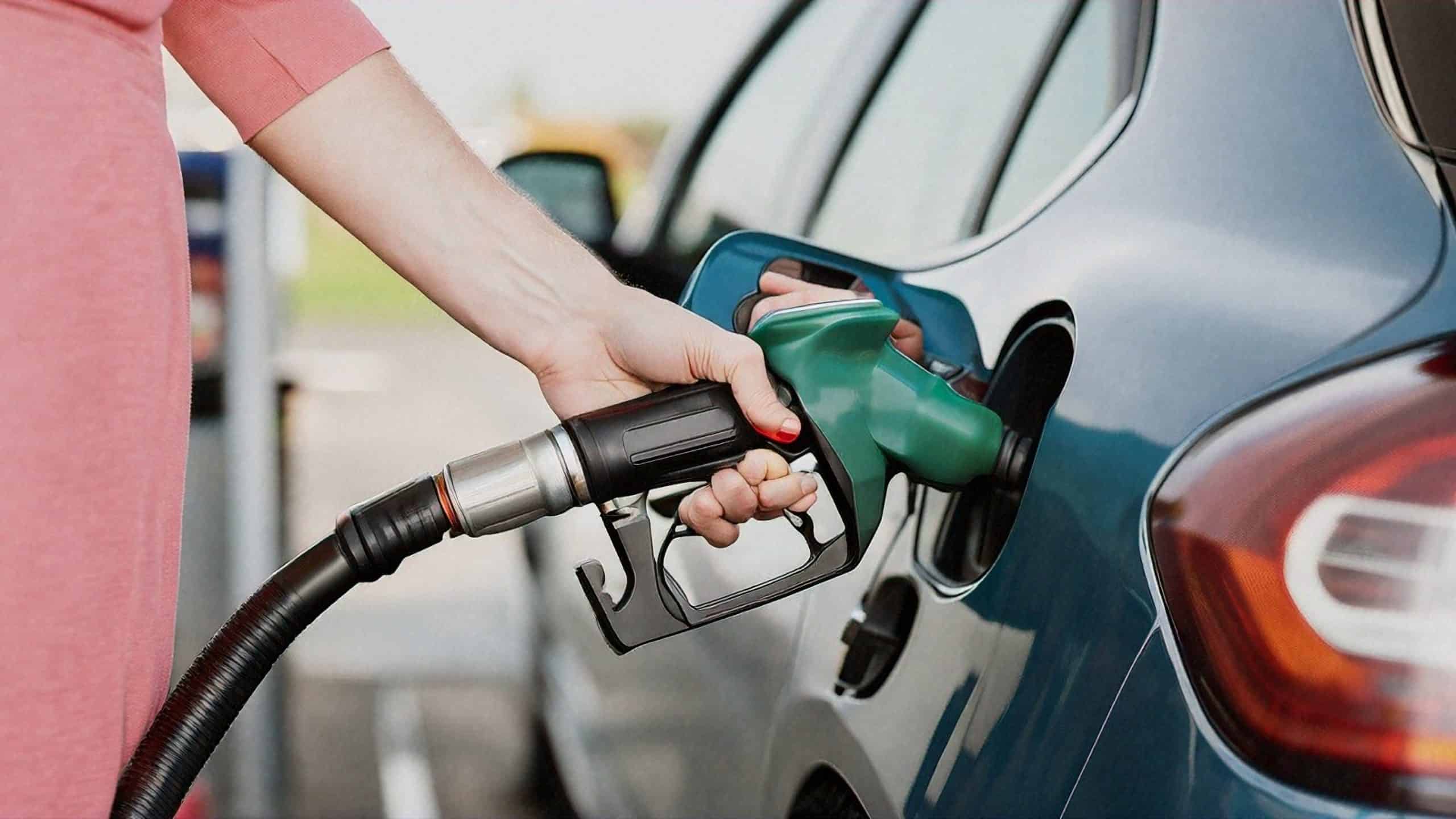
- A cut in fuel VAT to 15% would save about £4 on a 55-litre tank of petrol and £4.60 on diesel, according to RAC calculations.
- An RAC poll of 1,208 drivers found 34% want a VAT cut at the Budget, 29% want a deeper fuel duty cut and 13% want duty held at 52.95p a litre.
- The Chancellor delivers the Budget on Wednesday 28 October, with 65% of drivers already cutting back on other spending.
A VAT Cut Is the Pump Price Fix Drivers Want Most, and the Budget Lands Tomorrow
At the RAC’s headline prices, filling a 55-litre family car with unleaded costs about £96. The same tank of diesel costs about £110. Tomorrow lunchtime the Chancellor stands up with the Budget, and new RAC research shows what drivers want done about it.
The answer is narrow but clear. Cutting VAT on fuel, while leaving fuel duty alone, is the first choice of 34% of drivers. A further cut in fuel duty comes second on 29%, and simply holding duty at 52.95p a litre is the pick of 13%. Rod Dennis, the RAC’s senior policy officer, says the status quo “feels unsustainable”.
Pump prices sit at levels most drivers have not paid for years. Diesel averaged more than £2 a litre for the first time at the start of October, and unleaded reached about £1.75, its highest in over four years. The RAC says 2026 is on course to be the second most expensive year on record for drivers, behind only 2022.
What the RAC Asked 1,208 Drivers About the Budget
The RAC surveyed 1,208 regular drivers in October 2026, with results adjusted to reflect the national driving population. Each driver was asked which single measure they would most like to see in the Budget to ease the cost of filling up.
A VAT cut won, but only narrowly. Five points separate it from a deeper fuel duty cut, which tells you drivers are split on the method and united on the aim. Add the two together and 63% want some form of tax cut at the pump, against 13% who would settle for no change.
The squeeze on household budgets sits behind those numbers. In the same research, 65% of drivers said they are cutting back on other spending this month, up from 61% in April. Among drivers who have no choice but to use their vehicles, 47% say they are struggling with costs, up from 39% six months ago. That group includes people who drive to a job with no bus route, carers, and anyone whose nearest shop is a car trip away.
Tax already takes a large share of every fill-up. Fuel duty and VAT together make up 47% of the cost of a litre of unleaded and 43% of a litre of diesel, the RAC says. Fuel duty has stayed at 52.95p a litre from the start of the war in Ukraine, and the RAC notes it is set to rise by 5p by next March.
What Each Cut Would Save You on a Full Tank
The RAC has priced each option for a 55-litre tank, the size of a typical family car. The figures show how differently the measures land at the pump.
A 2p cut in fuel duty, taking it to 50.95p, saves about £1.30 a tank. A 5p cut, taking duty to 47.95p, saves about £3.30. Duty is a fixed amount per litre, so the saving is the same whether you drive a petrol hatchback or a diesel van.
VAT works differently. Cutting the rate from 20% to 17.5% saves about £2 on a tank of unleaded and £2.30 on diesel. A cut to 15% saves about £4 on petrol and £4.60 on diesel. A deep cut to 10% would save £7.90 on petrol and £9.10 on diesel, more than double the best fuel duty option on the table.
To see what that means over a year, take a driver who fills a 55-litre tank every fortnight. That is 26 fills. At the RAC’s 15% VAT figures, the petrol driver keeps about £104 a year and the diesel driver about £120. A 5p duty cut would leave the same driver about £86 better off. These annual totals are an illustration worked from the RAC’s per-tank numbers, not figures published by the RAC.
Why a VAT Cut Pays Most to Diesel Drivers
The gap between the two fuels comes down to how the taxes are built. Duty takes the same pence from every litre. VAT is a percentage of the pump price, so it rises and falls with the cost of the fuel. Diesel now costs more than unleaded, so each point of VAT removed hands back more money at the diesel pump.
Dennis spells out the difference. A fuel duty cut would take “the same amount of tax off every litre”, he says, while a VAT cut would produce a larger saving on the more expensive fuel. For the van driver, the taxi driver or the commuter in a diesel estate, that points firmly at VAT.
There is a recent precedent. VAT on domestic electricity was cut at the start of October, and the RAC suggests that move sets a template for treating fuel the same way. Whether the Treasury follows through is a separate question, and nothing is confirmed until the Chancellor speaks.
Dennis also points to the bigger lever. “An end to hostilities and a lower oil price would deliver the greatest relief at the pumps,” the RAC says. Pump prices rose this year as the conflict with Iran pushed up oil prices, on top of disruption to global diesel supplies linked to Russia’s war in Ukraine. No Budget measure changes that.
Who Feels the Pump Price Squeeze Hardest
The RAC splits drivers into two groups, and the gap between them is wide. Drivers who can swap a car trip for a bus, a train or a walk have a way to trim their bills. Drivers who have no choice but to use their vehicles do not, and nearly half of them now say they are struggling with costs.
A flat fuel duty cut helps both groups by the same pence per litre. A VAT cut helps the person burning the most expensive fuel, which skews to diesel users such as tradespeople, rural households and anyone with an older diesel family car. Those are the drivers least able to switch to anything else, so the choice between the two measures is also a choice about who gets the biggest share of the relief.
Drivers who use their own car for work have one confirmed change to watch. Auto Express reports that the tax-free business mileage rate, raised from 45p to 55p a mile earlier this year, is now permanent. You can claim 55p a mile on the first 10,000 business miles, an allowance of £5,500. From April 2027 the rate on miles above 10,000 rises from 25p to 35p. For anyone who covers more than 10,000 business miles a year, that is an extra 10p on every additional mile, whatever happens to fuel tax tomorrow.
What to Watch at the Budget and What You Can Do Now
The Chancellor speaks at 12:30pm on Wednesday 28 October. Auto Express, which rates each rumour as confirmed, likely, possible or unlikely, expects a further delay to the unwinding of the temporary 5p duty cut, which has already been pushed back to the end of this year. It also flags a rumoured carbon tax on overseas-sourced oil that could cancel out any benefit. Standard road tax changes are expected at next year’s Spring Statement, not this Budget.
Treat every forecast as a guess until the Chancellor sits down. A VAT cut on fuel is the drivers’ favourite, yet the Auto Express preview does not list it among the measures it expects.
While you wait, the numbers above suggest where your own money goes. If the Budget freezes duty and offers no VAT cut, the 5p rise due by March would add roughly £3.30 to each 55-litre fill. Three practical steps cost nothing:
- Check your tyre pressures monthly, as soft tyres burn extra fuel on every mile.
- Compare local pump prices on a fuel finder app before a big fill, as neighbouring stations rarely charge the same.
- Drop unneeded roof boxes and heavy loads, which make the engine work harder at motorway speeds.
The RAC poll gives the Chancellor a clear read of what the people who pay the bills want. A VAT cut is the front runner, a deeper duty cut is close behind, and standing still is the least popular choice of the three. By lunchtime tomorrow drivers will know which one they get.
Want more car content? Add us as a preferred source on Google to your favourites list for the best automotive news and analysis on the internet.
If you enjoyed this article, be sure to follow us on Microsoft Start.
Sources:

Leave a Comment
More in News

Volkswagen ID.Polo review: VW’s found its EV mojo with this classy supermini

Ram Recalls 8,329 Heavy-Duty Trucks Over a Defect That Can Disable Stability Control
What a £12,000 EV Mandate Fine Means for Every New Car Buyer in Britain
Why Lexus Is Telling 68,356 NX Owners Their Dashboard Could Hide a Warning Light

Toyota Recalls 228,367 Sienna Hybrid Minivans Over Seatbacks That Could Detach
Trending on Motoring Chronicle
Every Part-Worn Tyre Checked in a Police Sting Broke the Law

Owning a Car Key Signal Jammer Now Means Five Years in Prison

What the World Cup Drink Drive Crackdown Means for Drivers This Summer

More Than Half of Glasgow’s Clean Air Zone Fines Are Overturned on Appeal