Polestar 4 SUV Priced From £54,750 With Up to 391 Miles of Range
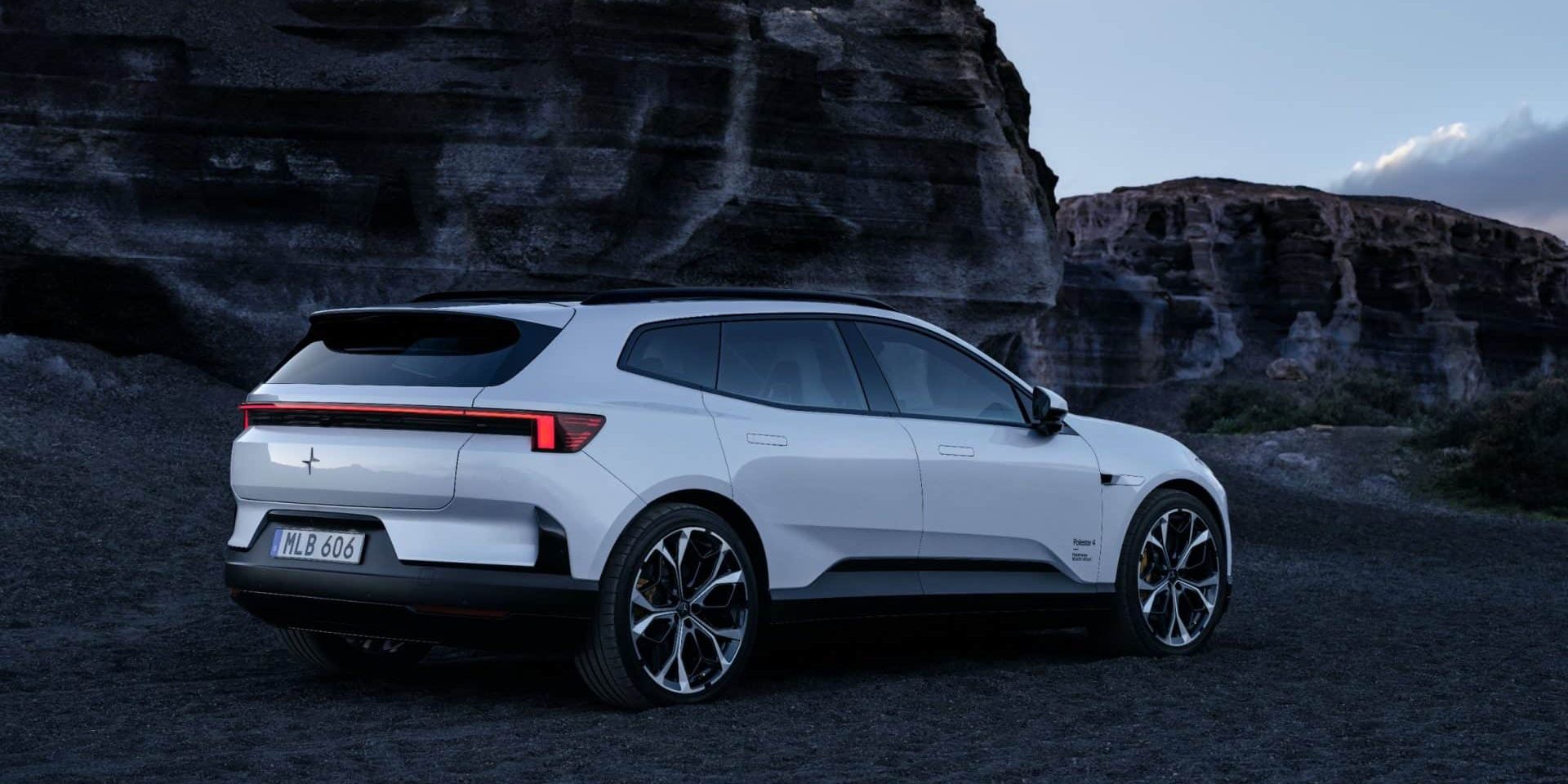

Polestar has launched an SUV version of its Polestar 4, giving buyers a wagon-like alternative to the coupe-styled original with more boot space and easier access to the back seats. UK prices start at £54,750 for the single-motor Rear motor version and rise to £68,250 for the Dual motor with the Performance pack, with first deliveries expected in the fourth quarter of this year.
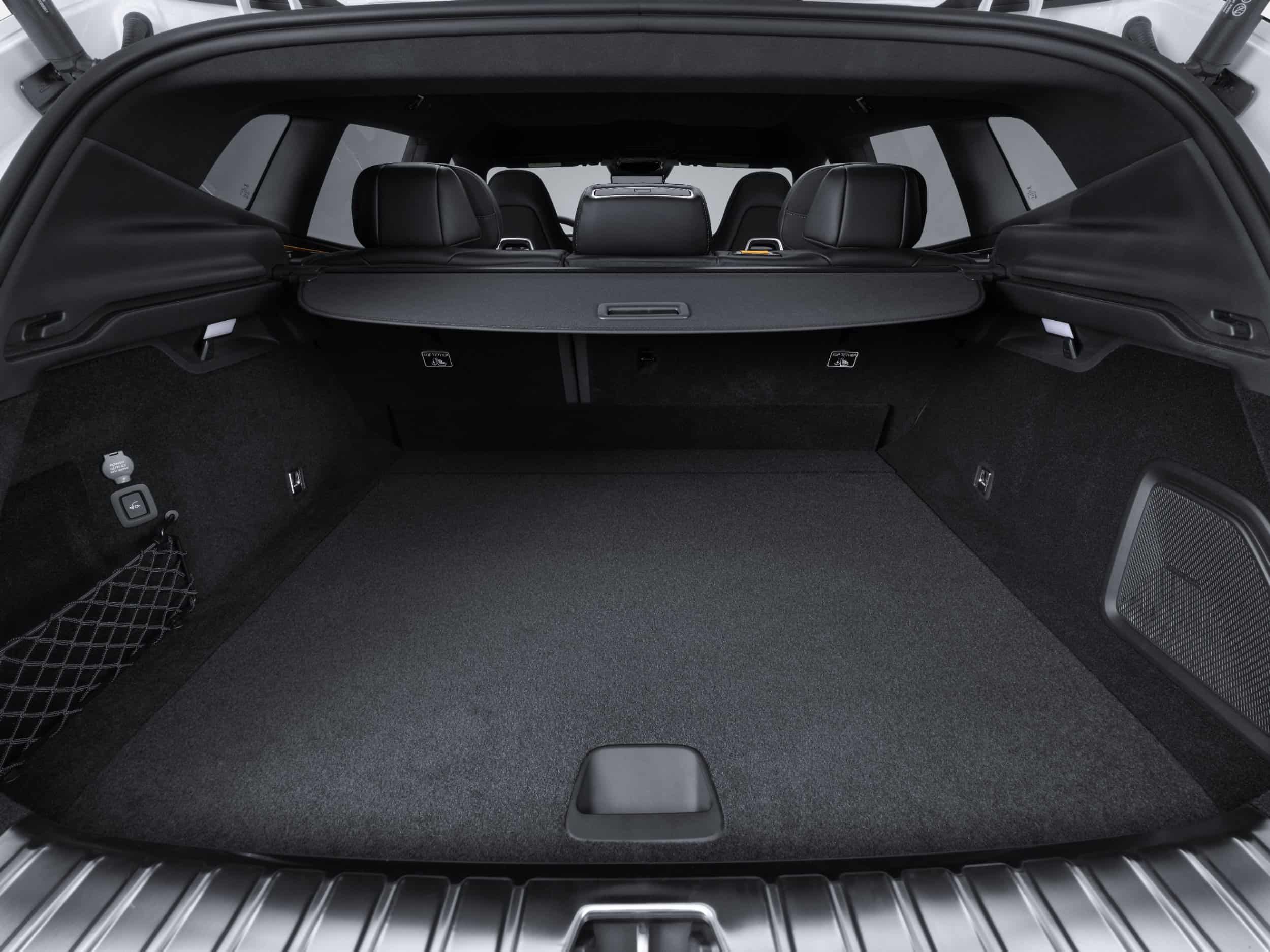
The SUV shares its underlying architecture and interior with the Polestar 4 coupe, but Polestar redesigned the rear end with a straighter roofline and a more upright tailgate. The result is a properly useful boot: 1,665 litres with the rear seats folded down, up from the coupe’s more style-focused layout.
Two Motors, Two Very Different Characters
Buyers choose between a single rear motor producing 272PS and 343Nm, good for a 391-mile WLTP range and a 0-62mph time of 7.3 seconds, or a dual-motor all-wheel-drive version with 544PS and 686Nm that cuts that sprint to 3.9 seconds while still managing up to 373 miles of range. Both versions share a 100kWh battery as standard, with DC charging up to 200kW and AC charging up to 22kW in some markets, 11kW in the UK.
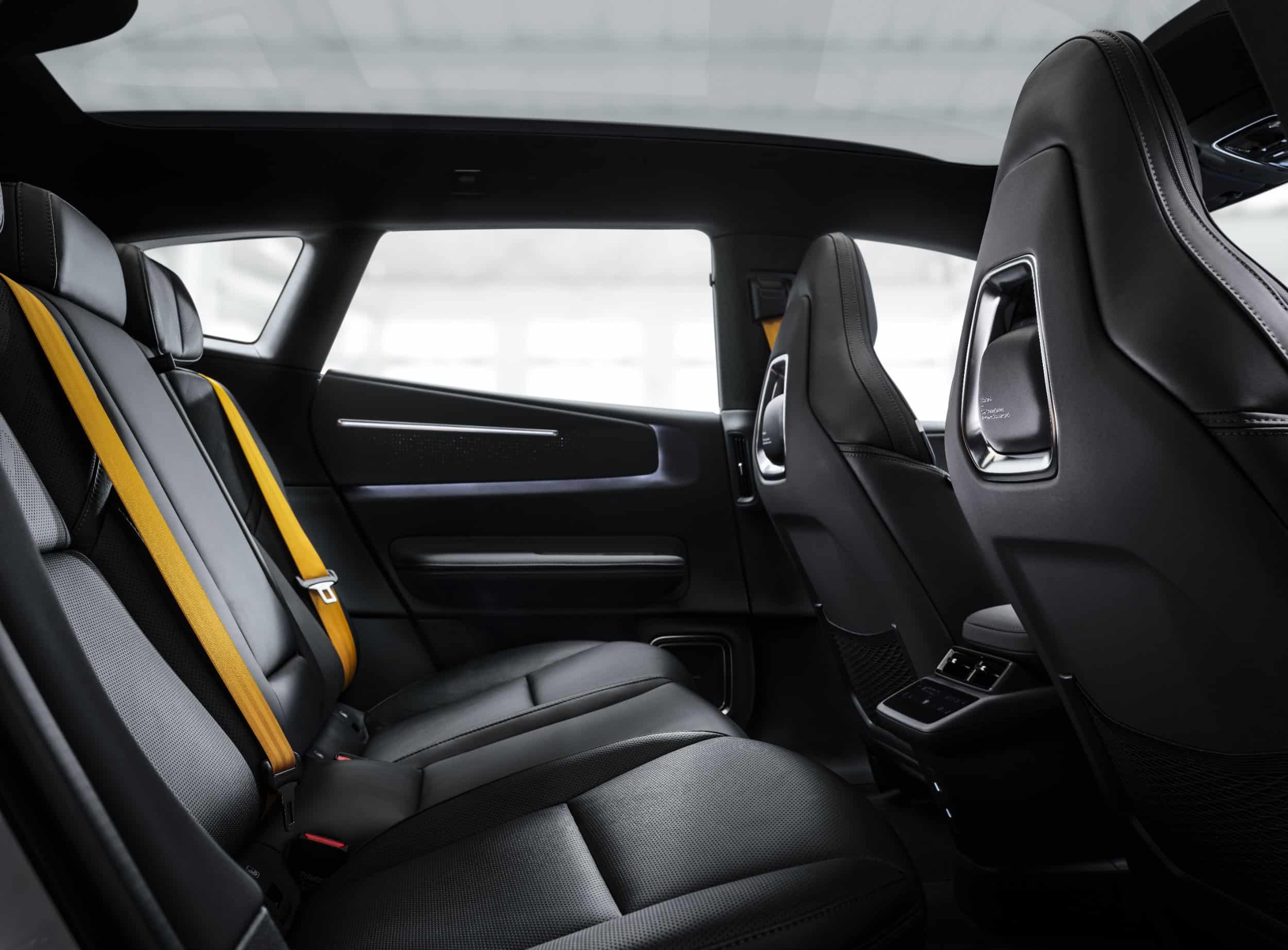
Buyers chasing the sharpest handling can add the Performance pack to the Dual motor car, which brings recalibrated active dampers from ZF, Brembo brakes with gold calipers, and 22-inch wheels wrapped in Pirelli P Zero tyres. Polestar even colour-codes the difference inside the cabin: Rear motor cars get black seatbelts and a black rotary control knob, Dual motor cars add a gold stripe, and Performance pack cars go full gold on both.
More Headroom, a Bigger Glass Roof, and a Proper Family Boot
The upright rear end doesn’t just help with luggage. Polestar says rear-seat passengers get an extra 2.5cm of headroom compared with the coupe, helped along by a larger panoramic glass roof that runs all the way back to the tailgate. An optional electrochromic version of that roof, unique to the SUV, lets occupants dim the glass electrically instead of relying on a physical blind, choosing between fully clear, fully tinted, or shading just one section.
Boot space alone runs to 530 litres up to the parcel shelf, or 655 litres if you pack right up to the roof, before folding the rear seats down for that 1,665-litre maximum. Polestar UK managing director Matt Galvin described the car as combining “the usability of an estate with the presence of an SUV,” which is a fair summary of what the redesigned rear end is trying to achieve.
The Car Doubles as a Power Bank
Every Polestar 4, coupe or SUV, is gaining Vehicle-to-Load capability through a software update, letting the battery power external devices like camping kit or power tools through a certified adapter sold separately. Paired with a new Camping mode, the SUV can turn into a climate-controlled space at the touch of the centre screen, running lighting, entertainment, and the ventilation system off the battery while parked.
Polestar has also swapped in Google Gemini in place of the older Google Assistant, letting drivers hold more natural conversations with the car rather than relying on rigid voice commands. Gemini handles multi-turn requests, trip planning, and real-time translation, and Polestar says it understands context well enough to follow up on a request without the driver repeating themselves.
Where It Sits Against Rivals
At £54,750 to start, the Polestar 4 SUV lands in the same territory as the Genesis GV70 Electrified and sits below the Audi Q8 e-tron, competing in a segment of the market where buyers increasingly want an electric SUV that doesn’t sacrifice everyday practicality for styling. The 391-mile range claim on the entry-level Rear motor version is among the strongest in the class, though real-world figures typically run lower than the WLTP number on the sticker.
Production runs out of Busan, South Korea, the same plant building the coupe, and Polestar says the first cars are already shipping to customers. For buyers who liked the original Polestar 4’s design and driving character but found the sloping roofline impractical for a family, the SUV version addresses the complaint directly without changing what made the car distinctive in the first place.

Leave a Comment
More in News
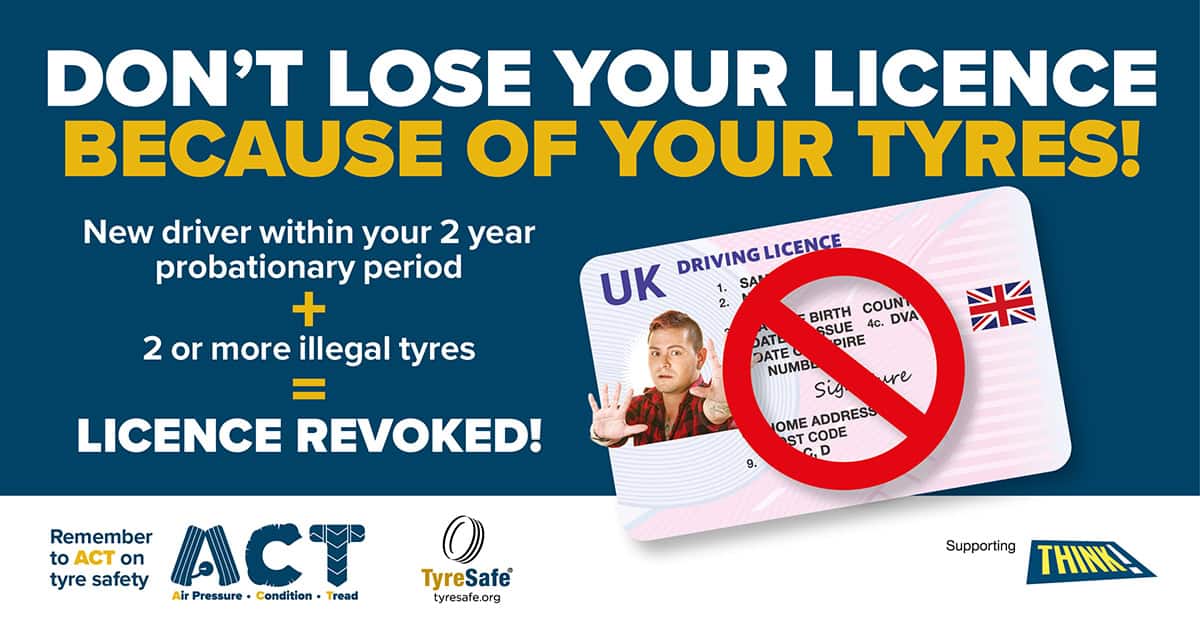
Two Illegal Tyres Can Cost New Drivers Their Licence, TyreSafe Warns
Westminster Rejects Most Parking Appeals While Raising £68 Million a Year
Tyre Deaths Rise 19% as Most Drivers Say Learners Aren’t Taught Tyre Safety

GEM Warns Drivers to Book Eye Test Before Autumn Evenings Get Darker

How to Find the Most Reliable EV Charging Stations as Failures Hit a Record Low
Trending on Motoring Chronicle
Motor Insurance Complaints Jumped 46 Percent as Insurers Delay and Undervalue Claims

Building the dream: Bugatti and the LEGO Group launch two new creations
Honest Drivers Now Pay a Hidden £40 Levy for Britain’s Uninsured Driving Crisis
Why Your Car’s Backup Camera Gets Blurry Over Time (And How to Fix It)