Hyundai Recalls 37,901 Kona Electric and Veloster N Over Air Bag Software

- Hyundai is recalling 37,901 vehicles, covering 2019 to 2023 Kona Electric and 2019 to 2022 Veloster N models, over faulty software in the air bag control unit.
- Dealers will install the updated software free of charge, and Hyundai expects its owner letters to go out on January 1, 2027.
- Owners can check a VIN at nhtsa.gov/recalls, where NHTSA’s record says the affected VINs are searchable from November 6, 2026.
A Software Error Could Switch Off Your Air Bags, and Letters Do Not Arrive Until 2027
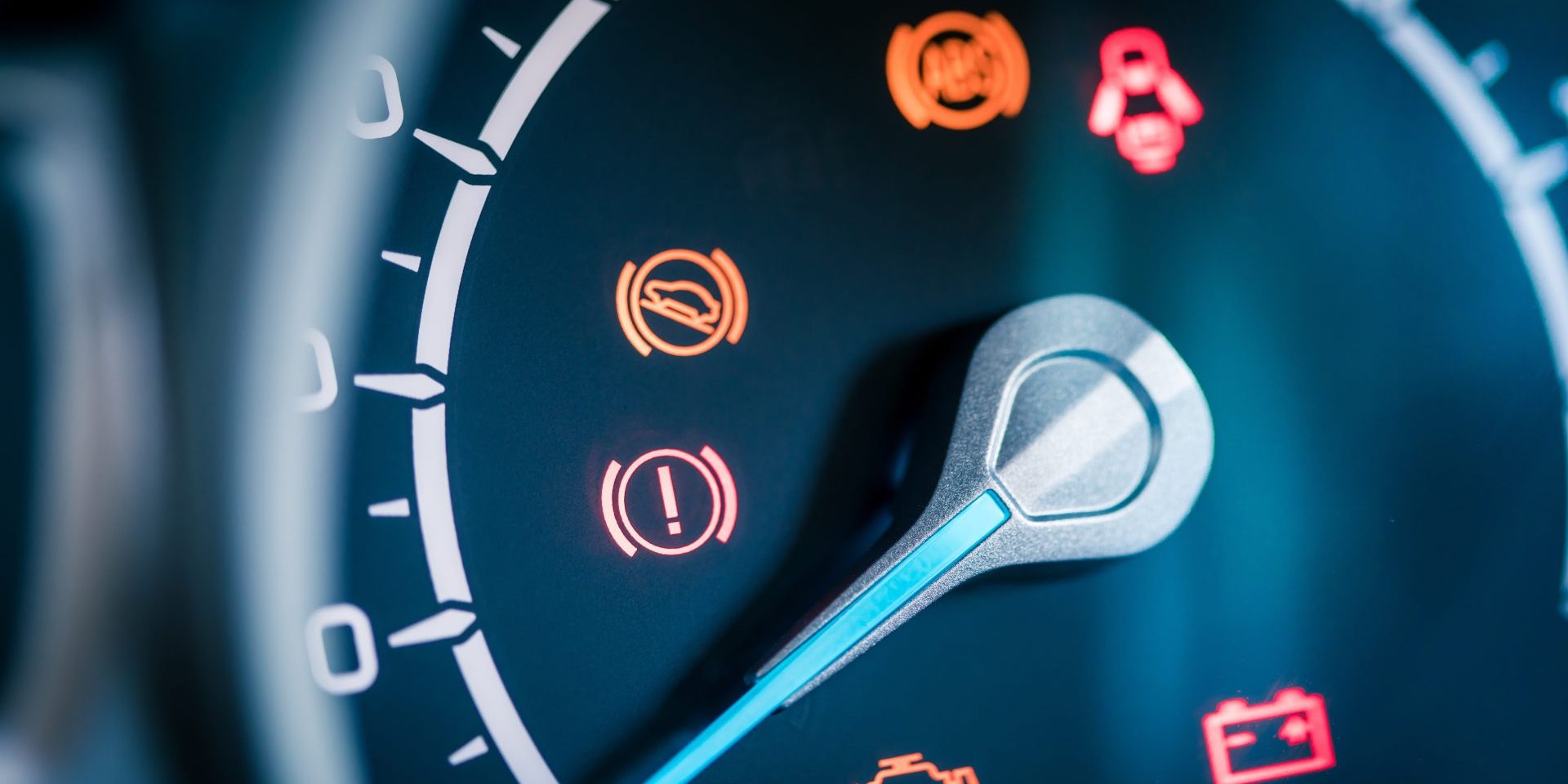
Hyundai Motor America told the National Highway Traffic Safety Administration on November 3, 2026 that faulty software in the air bag control unit, known as the ACU, could improperly switch off the air bag system and the seat belt pretensioners. The filing, NHTSA campaign 26V728000, covers 37,901 vehicles. That is the maker’s count of potentially affected vehicles, and the final number of cars that actually need the update can differ.
Two models are named. The first is the Kona Electric, in model years 2019, 2020, 2021, 2022 and 2023. The second is the Veloster N, in model years 2019, 2020, 2021 and 2022. NHTSA’s record holds nine entries, five Kona Electric years and four Veloster N years, and every one carries the same 37,901 figure.
The fix is a software update at a Hyundai dealer, and it carries no charge for the owner. Hyundai expects its own owner letters to go in the mail on January 1, 2027, which is 59 days after the November 3 report. Do not wait for the envelope. NHTSA’s recall record says the affected VINs become searchable on November 6, 2026, so an owner can check whether a specific car is on the list, then call a dealer to book the work.
What Hyundai and NHTSA Say Is Wrong
The filing puts the fault in the control unit’s software, and the protections at risk come as a pair: the air bags and the seat belt pretensioners. NHTSA files the defect under the air bag and restraint control module software category.
NHTSA puts the consequence in one sentence: if those protections stay off in a crash, the risk of injury goes up. The record does not give a crash count, an injury count or the conditions that trigger the fault, and neither does Hyundai’s remedy text. Anyone who tells you how often the fault appears or when it strikes is guessing.
Three flags on the record narrow what owners are asked to do. NHTSA has set no park outside instruction and no do not drive instruction, and the recall is not flagged as an over the air update. In plain terms, owners have not been told to stop driving or to park outside, and the new software does not arrive on its own overnight. Dealers install it, so the car has to visit one. Software faults have triggered other recalls this year, among them a Toyota C-HR EV software recall for a bug that cuts power.
Hyundai’s recall number for the campaign is 311. Give that number, along with the NHTSA number 26V728, when you call a service department.
How to Check Your VIN in Five Minutes
Every vehicle has a unique 17 character VIN. NHTSA points owners to the lower left corner of the windshield, and the same number is printed on the registration card and can also appear on an insurance card. Photograph it so you do not mistype it.
Go to nhtsa.gov/recalls and choose the vehicle search. You can enter the VIN or the license plate. A VIN or plate search tells you whether that specific car needs a recall repair. A search by year, make and model returns general results for the model rather than a verdict on your car. If the car has no unrepaired recall, the page reads “0 unrepaired recalls associated with this VIN.”
Plate searches draw on state motor vehicle records. If the result shows a car you used to own instead of your current one, NHTSA tells drivers to ask the state DMV to update the record and to search by VIN in the meantime.
Read what the search leaves out. It does not show a recall that has already been repaired. It can also miss a newly announced recall whose full VIN list is still being compiled; NHTSA adds numbers continuously and asks owners to check back regularly. A Kona Electric or Veloster N that comes back clean in the first days after a new campaign is worth searching again in a few weeks. The same page says it will not show recalls older than 15 years, campaigns by small manufacturers, or manufacturer customer service campaigns that are not safety recalls.
Households with several cars have a shortcut. NHTSA lets a search cover up to 100 VINs at once, which suits a family with a Kona Electric and a Veloster N on the driveway, or anyone who manages a small fleet. NHTSA’s free SaferCar app checks automatically and alerts you when a recall is found for your vehicle, and the agency also offers email notifications for future recalls.
The Earlier Recalls on These Same Models
Hyundai has issued group recalls before, including the one that told Genesis owners to park outside in October. A new notice is a good moment to look at the whole record, as the NHTSA entries for these models show a pattern. When the database is queried for model year 2021, each of the two models returns three campaigns, and the air bag software campaign is the newest of each three.
For the Kona Electric the first is campaign 20V748, filed December 1, 2020. It covered certain 2019 and 2020 Nexo Fuel Cell and 2019 to 2021 Kona Electric vehicles. The brake system’s electronic controller could detect an abnormal sensor signal and significantly reduce braking performance, which NHTSA said could lengthen the distance needed to stop. Dealers update the brake software at no charge, and the recall began January 25, 2021. Hyundai’s number was 199.
The second is campaign 22V941, filed December 16, 2022, for certain 2021 Kona EV vehicles. A seal on the electric power control unit, the EPCU, was possibly faulty, which let coolant leak inside the housing. Coolant that touches the circuit board can cut drive power. Dealers check the unit and swap it where needed at no cost to the owner. Letters went out on March 22, 2023, which is 96 days after the filing, and Hyundai said a second notice will follow once the final remedy is available. Hyundai’s number is 239.
The Veloster N has its own history. Campaign 22V746, filed October 6, 2022, covered a group of 2021 and 2022 Hyundai models that included the Veloster N. A transmission oil pump malfunction could impair the fail-safe limited mobility drive mode and end in a complete loss of drive power. Dealers inspect the transmission, replace it where needed and update the transmission control unit software, all at no cost. Letters were mailed January 10, 2023, also 96 days after filing. Hyundai’s number is 236.
Campaign 24V528, filed July 12, 2024, named 2019 to 2022 Veloster N cars together with Genesis G70, Elantra N and Kona N models. A fuel pump could fail and cut drive power. Dealers update the engine control module software and replace the fuel pump assembly where an inspection calls for it, at no cost. Owner letters began September 9, 2024, after some interim notices on September 3, a gap of 59 days from filing to the main mailing. The new air bag recall has the same 59 day gap between report and expected letters. Hyundai’s numbers for that fuel pump campaign are 262 and 023G.
Those four records came from queries on model year 2021, so a 2019, 2020, 2022 or 2023 car can sit on a different set of campaigns. The VIN search settles it for your car.
What to Do Before the Letter Arrives
Start with the VIN. If nhtsa.gov/recalls shows an open recall on your Kona Electric or Veloster N, call the service department at a Hyundai dealer and ask for the ACU software update under recall 311. NHTSA’s guidance is blunt: recall repairs are free at the manufacturer’s dealership, and owners with an open recall should call the dealership right away to schedule the free repair.
If you hear that parts or software are not yet available at your dealer, ask for a callback, and write down the date and the name of the person you spoke to. Hyundai customer service takes recall questions on 1-855-371-9460. Read any manufacturer instructions that reach you. NHTSA tells owners to follow every one, including any “do not drive” or “park outside” warning, though neither flag is set on this campaign.
If you bought one of these cars used, check it too. A VIN search does not depend on a letter finding you.
Owners who think a car has a safety defect that is not part of a current recall can file a report with NHTSA online, or phone the agency’s Vehicle Safety Hotline on 888-327-4236 between 8 a.m. and 8 p.m. Eastern, weekdays only. Reports like that feed the investigations that can lead to recalls.
Jeep also recalled Grand Wagoneers over a fault that can switch stability control off, which our Grand Wagoneer stability control software recall coverage explains. In 2025 NHTSA logged 997 recalls across vehicles and equipment, and more than 29.2 million vehicles were recalled.
Reviewed by Preetam Gadekar
Sources
- NHTSA: Recall campaign 26V728000, NHTSA recalls API
- NHTSA: Check for Recalls: Vehicle, Car Seat, Tire, Equipment
- NHTSA: Does Your Vehicle Have an Open Recall?
- NHTSA: Hyundai Kona Electric recalls, NHTSA recalls API
Want more car content? Add us as a preferred source on Google to your favourites list for the best automotive news and analysis on the internet.
If you enjoyed this article, be sure to follow us on Microsoft Start.

Leave a Comment
More in News
Olympia Collection by Mulliner: Celebrating the spirit of W.O. Bentley [Photo Gallery]

Every One of These Ten New Cars Loses at Least 69 Percent in Three Years

Diesel Costs $6.26 a Gallon as Refiners Cut Gasoline Yield Below 45 Percent
Typical Car Loan Interest Hits $10,100 on New Vehicles and $10,900 on Used
Florida Issues 4 Stop-Sale Orders Over Water in Gas After Flooding
Trending on Motoring Chronicle
Why Auto Loan Delinquencies Just Hit Their Highest Level in 32 Years
What HMRC Advisory Fuel Rate Changes From June 1 Mean for Company Car Drivers

Is The Lamborghini Veneno Street Legal?

MG S9 Plug-in Hybrid review: Seven-seater SUV is a blinging bargain