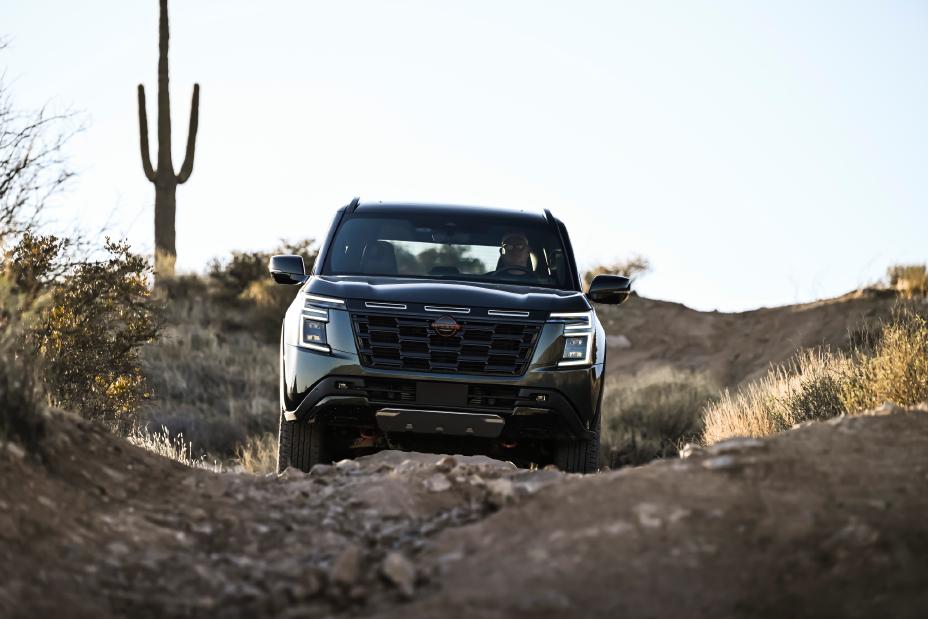
Toyota Recalls 8,521 C-HR EVs Over a Software Bug That Cuts Power While Driving


- Toyota Motor North America has recalled 8,521 model year 2026 C-HR electric SUVs under NHTSA campaign 26V570 after finding a software error that can cut propulsion power while the vehicle is moving.
- The defect lives in the battery electric vehicle control unit and lets the high-voltage battery overcharge during cold-weather regenerative braking, which triggers an automatic shutdown of the drive system.
- Toyota will mail owner notification letters starting October 18, 2026, and dealers will install a free corrected software update, while owners can check their vehicle identification number now at nhtsa.gov/recalls.
A Warning Light, a Buzzer, Then a Dead Pedal: What C-HR EV Owners Need to Know
Toyota Motor North America filed papers with the National Highway Traffic Safety Administration on September 10, 2026, opening federal recall campaign 26V570 for 8,521 examples of the 2026 C-HR, the automaker’s newest battery electric SUV. The filing describes a software defect in the vehicle’s battery electric control unit that can cut power to the drive system on the road, with only a dashboard warning light and an audible buzzer ahead of the shutdown. Owners of an affected C-HR EV do not need to park the car and stop driving, but they should watch for a dealer notice, book a free software repair once it arrives, and check their vehicle identification number today at nhtsa.gov/recalls.
What Went Wrong Inside the Battery Software
NHTSA’s filing traces the defect to a programming error in the C-HR EV’s battery electric vehicle control unit, the module that manages current flowing into and out of the high-voltage battery pack. Under a specific combination of conditions, cold outside air, a battery already near a full charge, and extended regenerative braking on a downhill grade, the control unit’s charging limiter fails to cap incoming current the way Toyota’s engineers designed it to. The battery pack can then take on more charge than its protection systems allow, a state automakers call overcharging.
Toyota’s software answers that overcharge state with a defensive move: it cuts power to the electric drive system to stop the pack from drawing or sending more current until a technician resets the control unit. Denso, the supplier that built the hardware, produced the module under two separate part numbers, and filings show both carry the same flawed logic. Drivers get a dashboard warning light and an audible buzzer ahead of any loss of propulsion, Toyota told regulators, a brief signal before the car goes quiet.
Regenerative braking is the system that recovers energy when a driver lifts off the accelerator or presses the brake pedal, sending electricity back into the pack instead of losing it as heat the way a traditional friction brake does. That system runs constantly in stop-and-go traffic and works even harder on long downhill stretches, where a driver can coast for miles without touching the accelerator at all. Toyota’s filing points to exactly that scenario, a cold morning, a battery topped off overnight, and a long mountain descent, as the combination most likely to push the control unit’s charging limiter past its design limits.
How a Future Toyota EV Exposed the Flaw
Toyota engineers first caught the software error in April 2026 while testing an unreleased battery electric model the company has not named publicly. That test program triggered a wider internal review of control unit software across Toyota’s electric lineup, and the review turned up the identical charging-limiter flaw in 2026 C-HR EVs built between February 6 and July 10, 2026. Toyota told NHTSA it has logged no warranty claims, no crash reports, and no injury reports tied to the defect. The recall reads as a preventive filing built from a lab discovery, not a response to failures already piling up on public roads, though NHTSA still classifies the shutdown risk as a safety defect: losing propulsion in traffic raises the odds of a crash.
The Federal Recall Process, and How This One Compares
Federal law lets NHTSA order a recall directly, but the large majority of campaigns, this one included, start with the automaker’s own investigation. Toyota opened that investigation, reported the defect to NHTSA under the agency’s Part 573 defect reporting rule, and assigned the fix two identifiers: manufacturer campaign number 26TA17 and federal campaign number 26V570. That reporting structure dates back to the TREAD Act, the 2000 federal law Congress passed after a wave of tire failures, which forces automakers to disclose safety defects to regulators within days of discovering them, not months.
This recall sits between two well-known precedents. General Motors spent more than a year, from 2020 into 2022, replacing battery modules in tens of thousands of Chevrolet Bolt EVs after a handful of fires traced to manufacturing flaws inside individual battery cells, a hardware fix that required a full pack teardown at dealers. Tesla has gone the opposite direction, filing dozens of software-only recalls with NHTSA starting in 2021 and delivering most of them as over-the-air updates that owners barely notice beyond a message on the center screen. Toyota’s C-HR EV fix is a software correction like Tesla’s recalls, but the battery electric vehicle control unit cannot accept a remote update, so owners still need an in-person dealer visit, the same requirement Bolt owners faced with a far more involved repair.
NHTSA tracks how many vehicles in a campaign actually receive a repair, and completion rates for a recall of this size often lag behind the splashier six-figure campaigns that draw wider coverage. Automakers report quarterly completion numbers to the agency, and a campaign covering roughly eight thousand vehicles can sit at partial completion for a year or more when owners set mailed notices aside or have moved without updating their address with the dealer where they bought the car.
What To Do If You Own a 2026 C-HR EV
Owners can confirm whether their specific vehicle falls under campaign 26V570 by typing their 17-character vehicle identification number into the free lookup tool at nhtsa.gov/recalls, a federal database that updates as automakers file new campaigns. Toyota’s customer service line can also confirm status by phone at 1-800-331-4331, and NHTSA runs its own safety hotline at 1-888-327-4236 for owners who want a second source or need to report a problem the automaker has not addressed. Toyota plans to mail owner notification letters starting October 18, 2026, and participating dealers will reflash the battery electric vehicle control unit with corrected software at no charge once an owner books an appointment.
Drivers do not need to stop using the car while they wait for that letter. Toyota’s own filing states the defect gives a dashboard warning and an audible buzzer before any shutdown, and NHTSA has no confirmed reports of a crash or injury tied to the defect as of the filing date. Anyone who does experience a sudden loss of power, an unexpected warning light, or a buzzer while driving should pull off the road at the first safe opportunity, contact Toyota or a dealer directly, and file a complaint with NHTSA at nhtsa.gov, information regulators use to track whether a remedy actually works after it reaches the field.
Toyota has not issued a specific charging restriction while owners wait for the fix, and drivers do not need to change routine plugging-in habits based on the recall filing alone. Owners who want an added measure of caution in cold weather, and above all on long mountain descents where regenerative braking runs the longest, can hold the battery below a full 100 percent charge overnight and keep that lower buffer in place until a dealer completes the software update.
Toyota’s Widening Electric Lineup
The C-HR EV arrived in Toyota’s US lineup for the 2026 model year as the brand’s newest electric SUV, joining the bZ4X and the bZ Woodland on dealer lots. Toyota pushed forward with new EV launches through 2026 even as some rival brands pulled back electric investment, and the company paired the C-HR EV’s debut with aggressive pricing, including $7,000 discounts and 0% financing offers reported earlier this year. NHTSA’s filing covers vehicles built between February 6 and July 10, 2026, a five-month production window that captures the model’s launch run rather than a full year of output.
Outlets tracking Toyota’s EV sales through 2026 have described the updated bZ4X and the C-HR EV as unexpectedly strong sellers, a reversal after years of criticism that Toyota moved too slowly into battery electric vehicles against rivals like Hyundai and Ford. The C-HR EV shares its underlying platform with the C-HR+ sold in Europe, giving Toyota a global base to spread a software fix like this one across two continents rather than writing separate code for each market.
A software recall this early in a new model’s life draws scrutiny from buyers watching Toyota’s EV push closely. Toyota’s response, a free fix, a defined mailing date, and a working customer service line, gives current owners a clear path forward, even with the added step of an in-person dealer visit instead of a remote update landing quietly overnight.
Sources:

Leave a Comment
More in News

2027 Kia Sorento Hybrid Gets New X-Line Trim, Starts at $39,090

BMW F 450 RR Supersport Motorcycle Arrives in US from $7,815

One in 12 UK Sellers Would Hide a Costly Fault (and How to Spot One)

2027 Mazda CX-30 Expands to 21 Models With New Homura Plus Grade

What a Tyre Sealant Kit Actually Does (and How Far You Can Drive)
Trending on Motoring Chronicle
Councils Risk Losing a Third of Their Road Funding Unless They Prove They Fix Potholes

12 Winter Driving Habits That Damage Cars
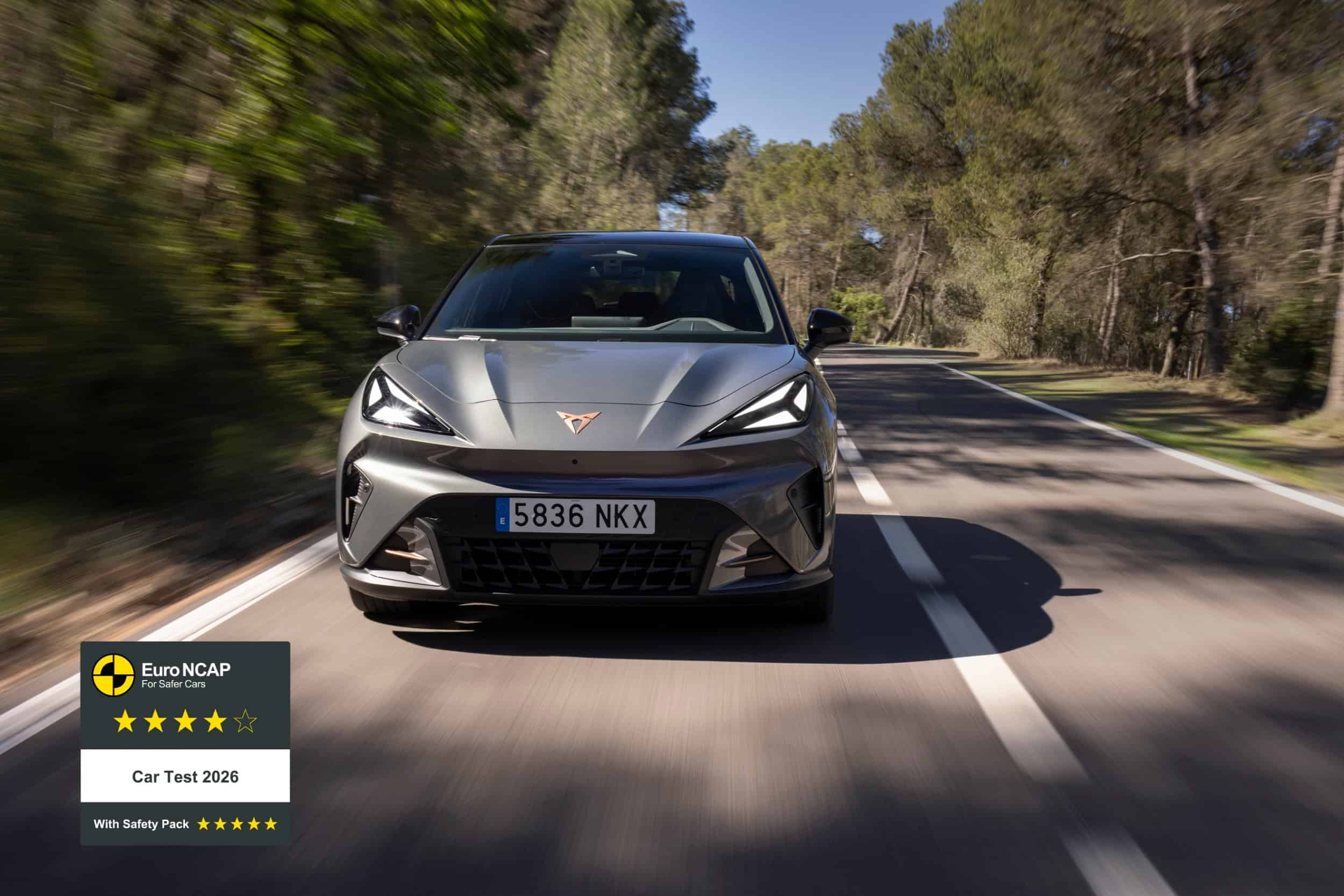
CUPRA Raval Earns Five-Star Euro NCAP Rating Under Stricter 2026 Testing
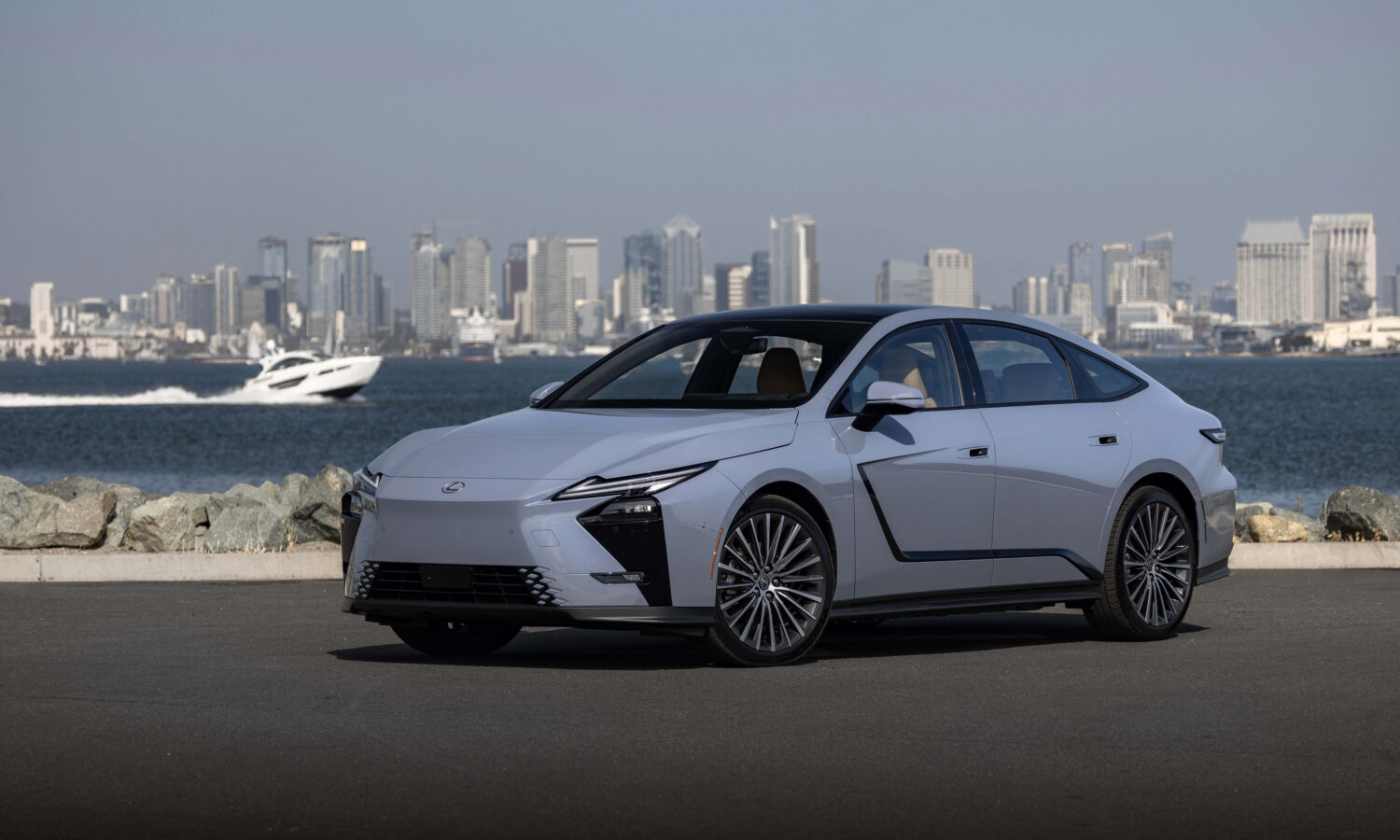
2027 Lexus ES Lineup Priced From $49,005 With 307-Mile Electric Range