Why a Driver Caught at 28mph in a 20mph Zone Has Just Lost Her Licence
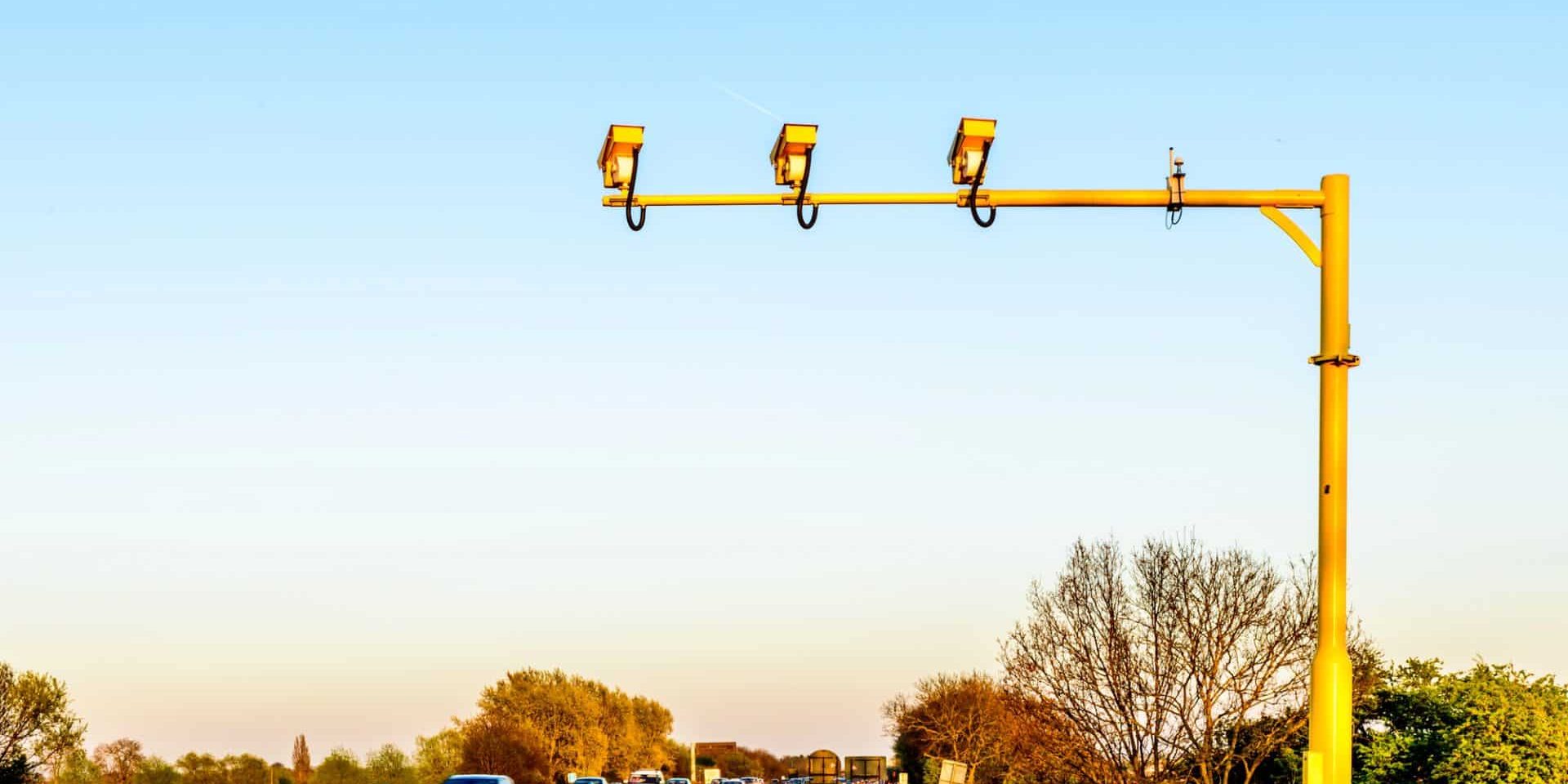
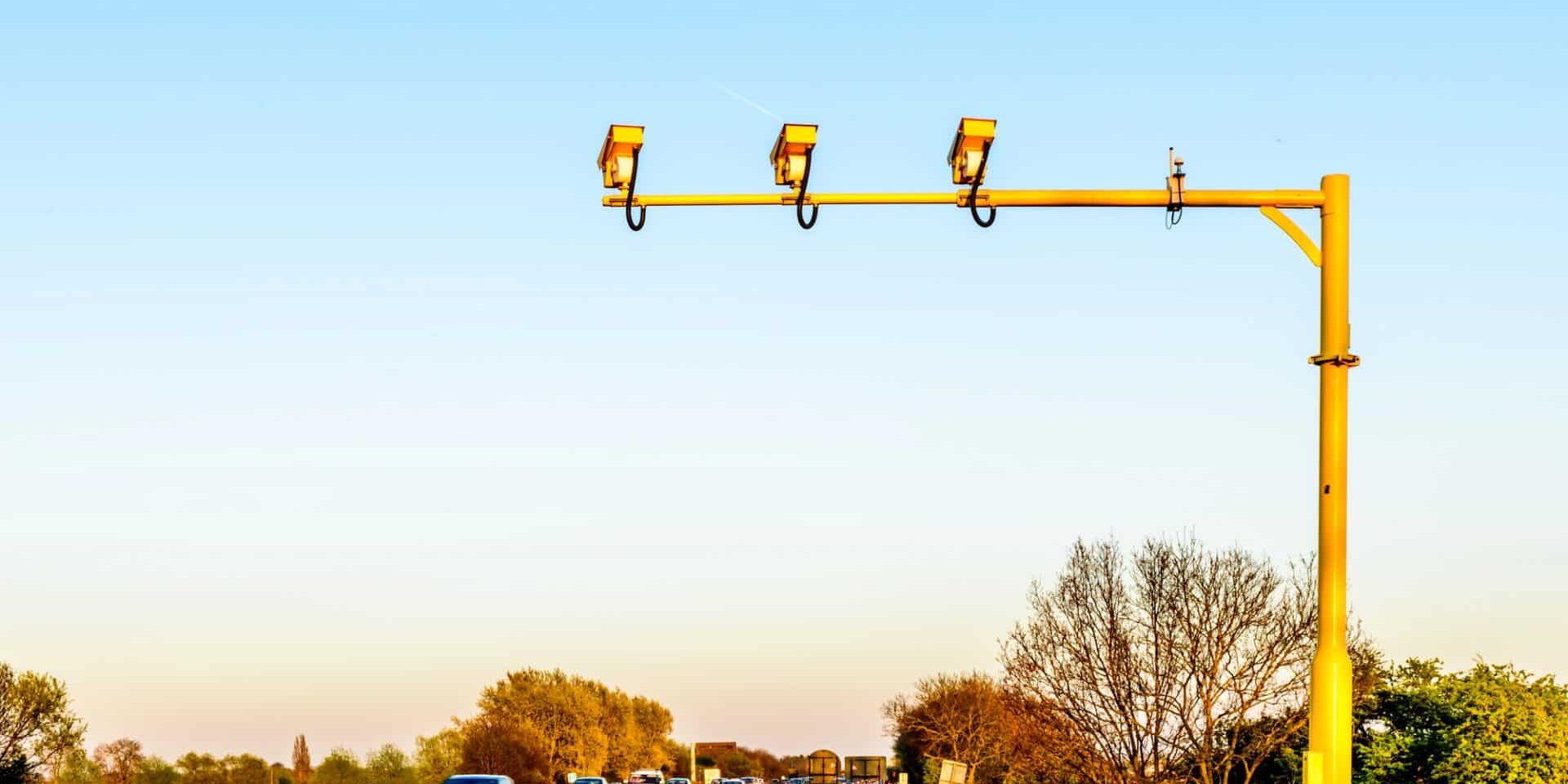
Most drivers think of a 20mph limit as a gentle suggestion. A case heard at a south east London magistrates’ court this month shows just how wrong that assumption can be. A 59-year-old woman was caught driving at 28mph on Bayswater Road in Westminster, only 8mph over the limit, and walked out with a driving ban rather than a few points and a fine. With more than half of the roads in some cities now set at 20mph, and cameras catching record numbers of drivers, the gap between a minor slip and the loss of your licence has never been smaller.
The case that should worry every driver
The driver was recorded by a Truvelo Lasercam4 device on Bayswater Road in July last year. At 28mph in a 20mph zone she was inside what many motorists assume is a safe buffer. The court did not see it that way. Because she already had previous offences on her record, the new enforcement tipped her into a disqualification. She was banned from driving for three months, fined £40, ordered to pay a £32 victim surcharge and £60 in costs.
The financial penalty was small. The ban was not. For most people a three month disqualification means losing the ability to get to work, run a family or care for relatives, all over a reading that was a single digit above the limit. The lesson is blunt: in a 20mph zone the margin for error is tiny, and if you already carry points, even a low level speeding offence can be the one that ends your driving.
Why 20mph enforcement is catching record numbers
The reason cases like this are becoming common is that 20mph limits have spread quickly while camera enforcement has been turned up at the same time. More than half of the roads in London are now subject to a 20mph limit, with 21 of the capital’s 33 boroughs adopting it as the default for residential streets. Other cities and towns across England, Scotland and Wales have followed, with Wales making 20mph the default for most built up roads in 2023.
The enforcement figures are striking. A single camera on the King’s Road in Chelsea caught 851 drivers in one day, believed to be a British record. A camera on the A40 in north west London issued around 50,000 fines in 2024 alone. In Westminster, recorded speeding offences climbed 30 per cent in two years, from about 29,000 to 37,800, while neighbouring Kensington and Chelsea saw fines rise by more than 600 per cent year on year. Across London as a whole, 778,600 speeding tickets were issued in a single year.
Many of these cameras are bi-directional and increasingly use automated detection, so they capture far more vehicles than the older single lane units. The result is that a brief lapse on a quiet residential road, the kind of thing that once went unnoticed, is now routinely recorded and processed. If you have grown used to driving at 25 to 30mph on streets that were 30mph until recently, you are exactly the driver these cameras are catching.
How one ticket can end in a ban
The penalty for a basic speeding offence is a minimum £100 fine and three penalty points, or a fixed penalty notice. Take it to court and the fines are calculated as a percentage of weekly income, from 25 per cent in Band A up to 175 per cent in Band C for the most serious cases, with a ceiling of £1,000 on most roads and £2,500 on a motorway.
The real danger is the totting up system. Collect 12 or more penalty points within three years and you face an automatic disqualification, usually for six months. The three year window runs from the date of each offence, not the date of conviction, so points from an incident almost three years ago still count towards a ban today. Points stay visible on your licence for four years in most cases. The minimum ban is six months if you have not previously been disqualified for 56 days or more in the last three years, rising to 12 months after one such ban and two years after two.
This is how an 8mph overshoot turns into a disqualification. The points themselves were ordinary. It was the driver’s existing record that made the difference. Anyone already carrying six or nine points should treat every 20mph zone as a place where a single careless moment could cost them the right to drive. There is a defence of exceptional hardship, which allows a court to reduce or avoid a ban where the consequences go beyond the inconvenience any driver would face, such as losing a job that requires driving or being unable to care for a dependent relative. It is a formal legal argument, it is not guaranteed, and it cannot be relied on as a safety net.
What to do if you are caught
If a camera catches you, the registered keeper will receive a Notice of Intended Prosecution and a Section 172 request within 14 days. You must return the Section 172 notice naming the driver, and failing to do so is itself an offence carrying six points. Once you respond you will either be offered a fixed penalty, the chance of a speed awareness course or a court summons, depending on the speed and your record.
A speed awareness course is usually offered for lower level offences if you have not attended one in the previous three years, and it keeps the points off your licence. For anyone already close to 12 points that option is worth far more than the course fee. Police forces commonly apply a guideline threshold of 10 per cent plus 2mph before acting, which on a 20mph road means action can begin from 24mph, but this is guidance rather than law and individual forces set their own approach. The safest assumption is that the limit is the limit.
The practical takeaway is simple. Check your speedometer often on residential roads, because 20mph feels unnaturally slow and it is easy to drift up to 25 or 26 without realising. Know how many points you already carry, and if you are close to the totting up threshold, consider that a course or a careful month of driving is a small price next to a six month ban. For more on how penalty points and bans actually work in practice, see our guide to how thousands of drivers keep their licence despite passing 12 points, and our analysis of why speeding fines have hit a four year high.
How 20mph limits spread so quickly
Twenty years ago the 20mph limit was a rarity, reserved for the immediate area around a school or a busy town centre. That has changed dramatically. Councils across the country have rolled out blanket 20mph zones covering entire residential districts, and in Wales 20mph became the default limit for most built up roads in 2023. The argument behind the shift is safety: a pedestrian struck at 20mph is far more likely to survive than one hit at 30mph, and the lower speed gives drivers more time to react to children, cyclists and people stepping out between parked cars.
For drivers, the practical effect is that roads which were 30mph for decades now carry a lower limit, often marked only by small repeater signs and a change in the road markings. Muscle memory built up over years of driving the same route does not reset overnight, and that is precisely where people come unstuck. The driver who has always done 28mph down a familiar road is now 8mph over a limit that may have changed only recently, and the cameras do not care that the habit predates the new sign.
Sources:
- GB News: Motorist banned and fined for travelling at 28mph in London
- RAC: More than 4,000 drivers with 12 or more points still on the road
- SpeedCamerasUK: Penalty points and driving bans explained
- Motoring Research: UK speeding fines reach four-year high
- Motoring Chronicle: How 4,000 drivers keep their licence despite 12 or more points

Leave a Comment
More in News
HMRC Fuel Duty Rises Will Add £2.75 to Every Tank of Petrol by March

Is a Pickup Truck a Car?
Tool Theft Now Costs UK Tradespeople an Average £2,646, Simply Business Reveals

How to Appeal a Parking Fine (and Actually Win Your Case)

Birmingham’s Clean Air Zone Has Now Raised £57 Million From Non-Compliant Drivers
Trending on Motoring Chronicle

NHTSA Investigates 1.16 Million GM Vehicles After Brakes Suddenly Failed in Crashes

Why Crash Test Ratings Saved 48,352 American Lives Over 30 Years

How to Check for a Hidden Safety Recall Before You Buy Your Next Car

How to Spot a Clocked Car Before You Lose Thousands in Mileage Fraud