
How Council Parking Fines Outside London Could Double to £160 Under New Labour Plans
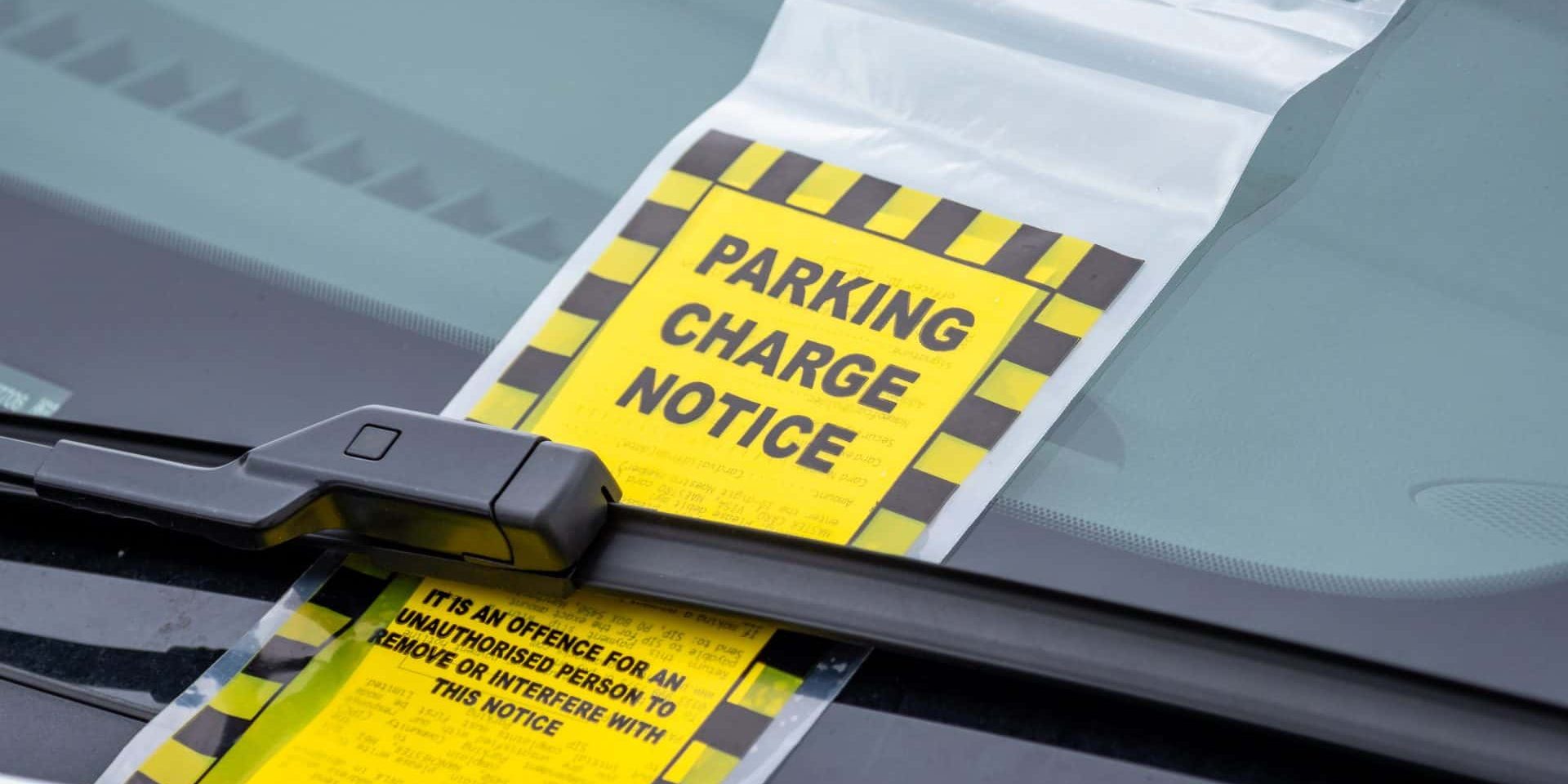
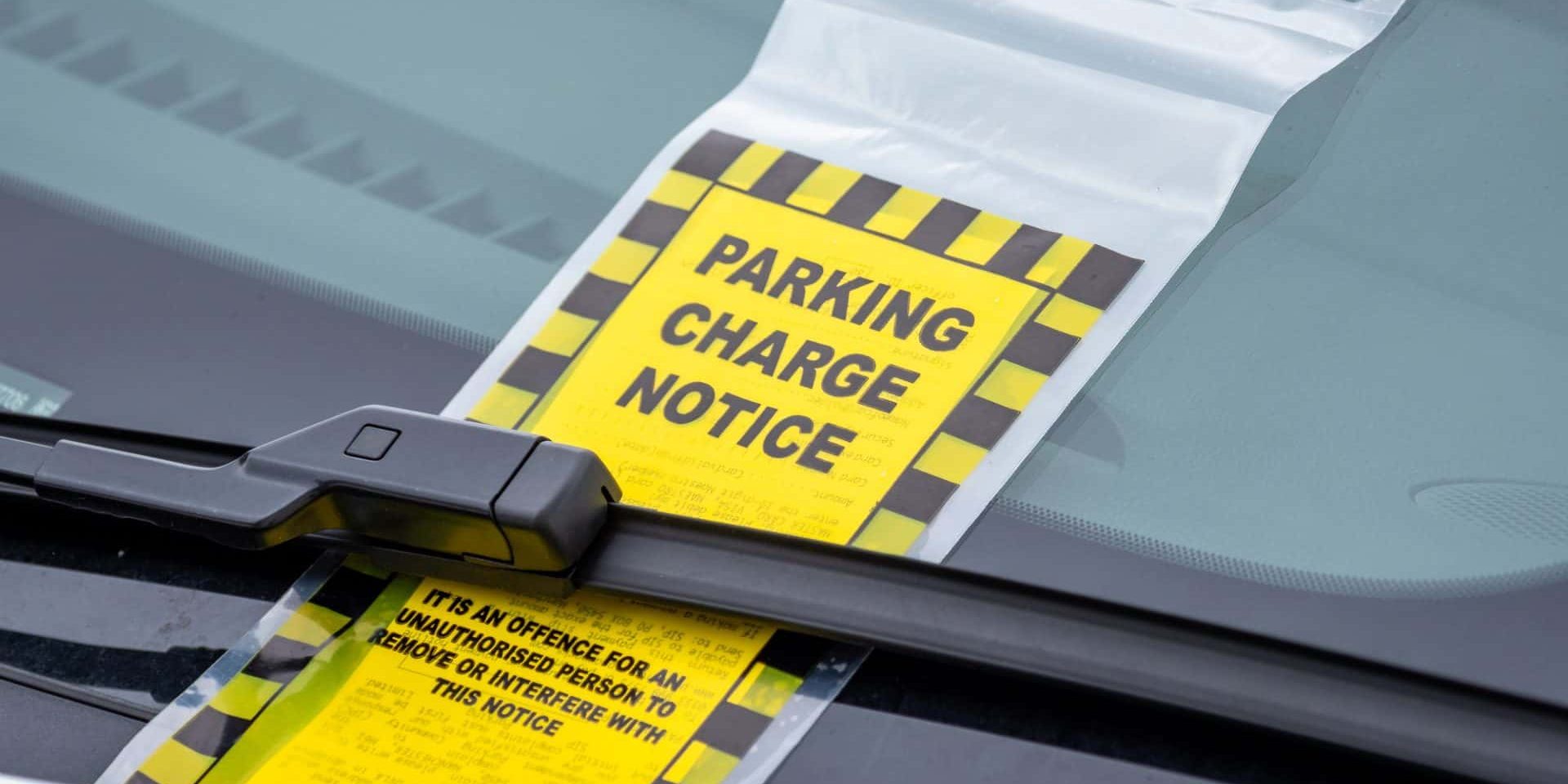
Outside London, the maximum penalty charge notice a council can issue for a parking offence is £70. That cap has been in place since 2008, nearly two decades in which the cost of everything else has risen substantially, but the price of parking illegally has not. Labour is now reportedly considering ending that freeze, with plans to hand councils across England the power to issue fines of up to £160.
The proposal follows a trial carried out by Bournemouth, Christchurch and Poole Council during the August bank holiday in 2025, across a seven-mile coastal stretch from Sandbanks to Hengistbury Head. BCP Council issued higher-rate penalty charge notices of £160 for serious offences, including parking on double yellow lines, blocking dropped kerbs, and causing obstruction, and £110 for lesser offences. These rates match what London’s Band A boroughs already charge. Outside London, the equivalent fines under the current national cap are £70 and £50.
The results, which BCP shared with the Department for Transport in a report submitted in March 2026, showed that illegal parking in the trial zone “fell significantly”. The council said there were fewer vehicles on double yellow lines, fewer obstructions at junctions, and improved access for buses and emergency services. Crucially for the Government’s political calculus, visitor numbers to the tourist hotspot showed no evidence of decline during the trial period, undermining the argument that higher fines would drive away trade.
How Penalty Charge Notices Work
Penalty charge notices in the UK are issued under the Traffic Management Act 2004, which gave local authorities across England outside London the power to enforce most parking and traffic contraventions without involving the police. Under the current system, England is divided into enforcement bands. London’s Band A boroughs, including Westminster, Camden, and Kensington and Chelsea, can issue fines of up to £160. London Band B boroughs can go to £80. Outside London, the national cap sits at £70 regardless of how serious or dangerous the parking offence.
The cap was last updated in 2008. At that point, it was set to make fines a deterrent rather than a revenue tool. Local authorities have since argued that rising vehicle ownership, increasing congestion, and the need to protect emergency-services access have made the 2008 figure inadequate. Motoring organisations argue that the cap has broadly done its job and that better enforcement, not higher penalties, is the answer to dangerous parking.
What the Numbers Mean in Practice
Under the current system, a driver who parks on double yellow lines outside London receives a £70 fine, reduced to £35 if paid within 14 days. Under the proposed new system mirroring BCP’s trial, the fine would be £160, reduced to £80 on early payment. That is a 129% increase for higher-band offences.
BCP Council’s trial data covered more than 4,000 penalty charge notices issued across three bank holiday weekends. The council recorded 7% fewer total tickets than in August 2024 despite comparable weather and visitor numbers, a result it attributed to improved driver compliance resulting from awareness that fines had doubled. Whether that reduction was caused by the higher fines or by heightened enforcement activity during a formal trial period has not been independently verified.
The 2008 cap has never been uprated for inflation. Had it risen in line with the Consumer Prices Index since 2008, a £70 fine would now stand at approximately £116. The proposed £160 upper limit represents a real-terms increase over and above inflation, which accounts for much of the political opposition to the plan.
Motoring Groups and Politicians React
Edmund King, President of the AA, described the proposals as a “crazy situation”, drawing a direct contrast between the fines available for motoring offences and those for other antisocial behaviour. His argument was that an elderly driver who misunderstands parking restrictions would face a higher fine than a shoplifter under a system that treated the offence as a revenue source rather than a safety deterrent.
Shadow Transport Secretary Richard Holden was direct in his opposition: “This is entirely about raising revenue and raiding drivers. Drivers deserve better than being picked clean on the basis of four weeks in Bournemouth. Conservatives will always stand up for drivers. Labour and the Liberal Democrats will always find a new way to fleece them.”
Richard Tice, deputy leader of Reform UK, also criticised the plan, questioning why the Government “hates drivers so much”.
The Department for Transport, responding to reports of the proposed change, said: “We are a Government firmly on the side of drivers and we fully expect councils only to use penalty charge notices as a deterrent for law-breaking, not as a way to raise funds.” That statement notably did not rule out the change.
Why Councils Want This Change
The context for the proposal is the financial position of English local authorities. Most councils outside London have seen their parking enforcement budgets squeezed while their costs have risen. Under the current Traffic Management Act framework, any surplus from parking enforcement must be ring-fenced for transport purposes, including bus services and highway maintenance. It cannot be used to fill general council budget gaps.
Research by the RAC Foundation has found that English councils outside London spent around £1.1 billion on parking enforcement in a recent year and took in approximately £1.6 billion in income, leaving around £500 million directed back into transport spending. Doubling fine levels would not simply double that surplus. Much of the behaviour change effect identified in BCP’s trial is driven by increased compliance, meaning fewer tickets rather than more revenue per ticket. The business case for higher fines, from the council perspective, is deterrence rather than income generation.
What Happens Next
BCP Council has formally requested that the Department for Transport make the higher PCN rates permanent for its area and consider extending them to all English councils. The DfT is reviewing the trial data. Any change would require secondary legislation under the Traffic Management Act 2004, meaning a parliamentary process rather than an immediate ministerial order.
There is no confirmed timeline for a decision. Drivers outside London can currently rely on the £70 cap remaining in place. If the proposals proceed, councils would still have discretion over whether to adopt the higher levels. They would not be automatically imposed on every council in England overnight.
How to Challenge a Parking Fine
If you receive a penalty charge notice that you believe was issued incorrectly, you have the right to challenge it. The process begins with an informal challenge to the issuing council within 14 days of the notice, during which the early-payment discount is preserved. If the council rejects the informal challenge, a formal representation can be submitted within 28 days. If that is also rejected, the case can be referred to the independent Traffic Penalty Tribunal for adjudication.
Motorists who appeal to the Tribunal win roughly 40% of cases, reflecting how frequently councils fail to demonstrate adequate signage or procedural compliance. Before paying any penalty, photograph the relevant signage, check the PCN for procedural errors such as incorrect vehicle details or missing information, and consider whether the specific circumstances give grounds for appeal.
For related coverage, see our reports on the Surrey council parking refund case and the record number of private parking tickets successfully challenged last year.
Sources:

Leave a Comment
More in News
How Long a Car Battery Should Last (and Why Short Journeys Halve It)

How to Wash a Black Car Without Putting Swirl Marks in the Paint

Motability Drivers Now Pay Up to £400 More to Join; Here’s What Changed

What to Do When Fines Arrive for a Car You Were Not Driving as Plate Cloning Jumps 41 Percent

Wheel Bearing Noise: How Long Can You Really Keep Driving?
Trending on Motoring Chronicle

GM opens new UK advanced design studio, showcases Corvette-inspired concept car [Photo Gallery]

Mercedes-Benz Recalls 310,667 Vehicles Over a Parking Brake That Can Silently Fail

2027 Toyota Prius Plug-in Hybrid Starts at $33,980 With 44-Mile Electric Range

Why Crash Test Ratings Saved 48,352 American Lives Over 30 Years
