
Diesel Drivers Pay £31 More Per Tank Than a Year Ago, DESNZ Data Shows
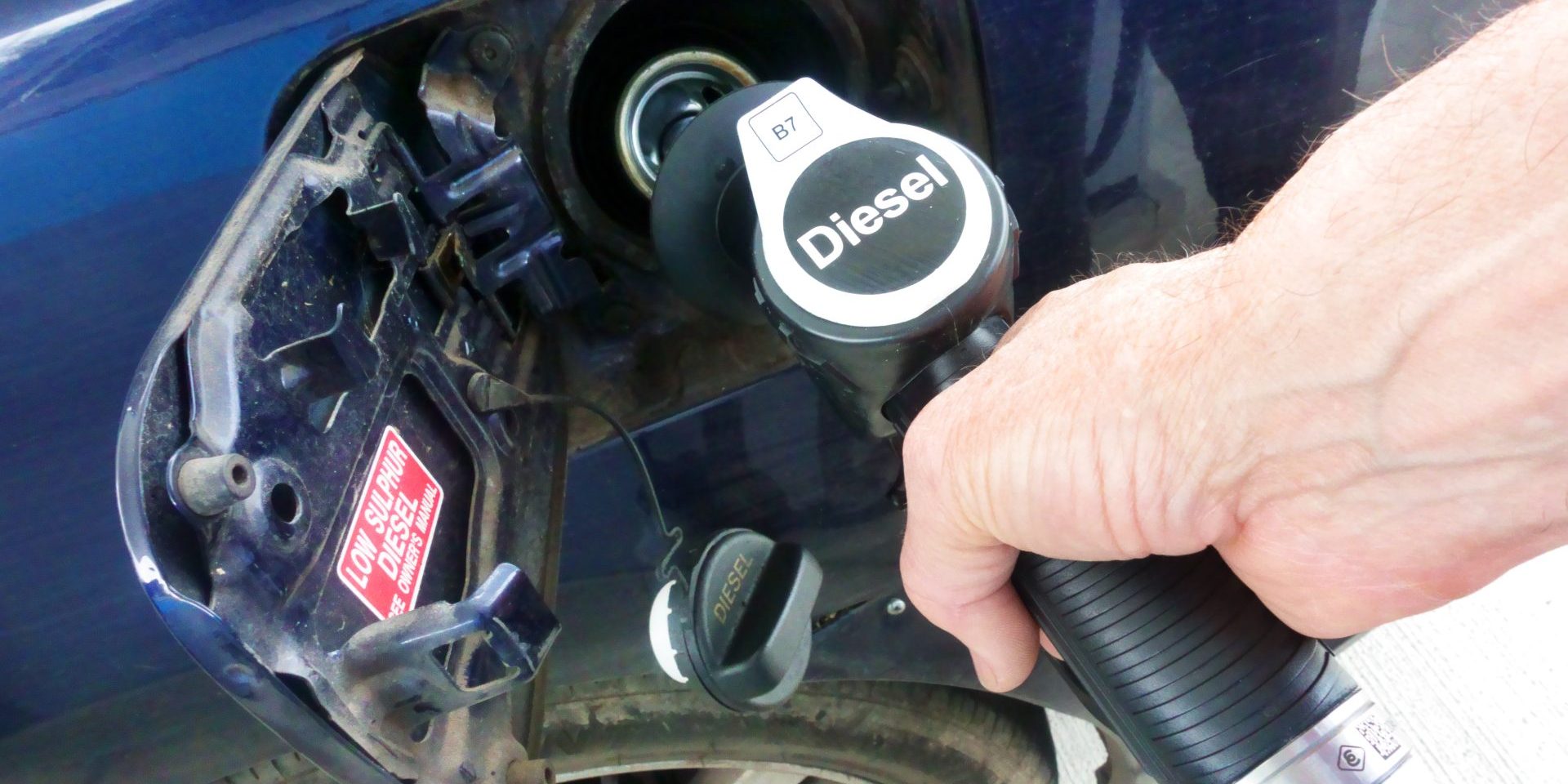
- Diesel averaged 199.33p a litre in the week commencing 19 October 2026, against 142.81p a year earlier, so a 55 litre tank now costs £109.63 instead of £78.55, an extra £31.09.
- Petrol averaged 174.57p a litre, up from 134.69p, which adds £21.93 to a 55 litre fill, and tax alone takes 82.05p of every litre of petrol sold.
- Diesel reached 200.04p on 12 October, the highest weekly figure in the government’s 2018 to 2026 dataset, and now sits 24.76p above petrol, a gap that was 8.12p a year ago.
The Department for Energy Security and Net Zero (DESNZ) published its latest weekly road fuel prices on 20 October 2026, and the numbers are the clearest measure yet of what the past year has done to the cost of filling up. For the week commencing Monday 19 October, the average pump price was 174.57p a litre for unleaded petrol and 199.33p a litre for diesel. In the same week of 2025 the figures were 134.69p and 142.81p. Petrol is up 39.88p a litre, or 29.6 percent. Diesel is up 56.52p a litre, or 39.6 percent.
For a driver filling a 55 litre tank, those rises translate into a bill that is easy to feel. A full tank of petrol now costs £96.01, compared with £74.08 a year ago, an increase of £21.93. A full tank of diesel costs £109.63, compared with £78.55, an increase of £31.09. The tank size is our own assumption, chosen as a common capacity for family cars and small SUVs, and the sums are our own calculation from the DESNZ averages. A smaller tank costs less to fill and a larger one costs more, but the direction is the same for everyone.
Diesel Now Costs 24.76p a Litre More Than Petrol, Three Times the Gap of a Year Ago
The most striking line in the dataset is the gap between the two fuels. A year ago, diesel cost 8.12p a litre more than petrol, which added £4.47 to a 55 litre fill. This week the gap is 24.76p, which adds £13.62. Drivers who bought a diesel car expecting it to be the cheaper fuel to run are now paying the larger share of the increase. The weekly figure for diesel has risen by 56.52p over twelve months, against 39.88p for petrol.
The government’s file also shows how far diesel has travelled this year. On Monday 5 January 2026 the average was 144.19p a litre. By Monday 6 July it was 164.77p. By 12 October it had reached 200.04p, the highest weekly diesel price anywhere in the DESNZ dataset for 2018 to 2026. From the start of January the average has added 55.14p a litre, or 38.2 percent, which is £30.33 on a 55 litre tank. Petrol started the year at 134.90p, stood at 149.80p in early July and peaked at 175.28p on 12 October, a rise of 39.67p, or 29.4 percent, from January.
Petrol has not set a record. The highest weekly petrol price in the same dataset is 191.55p, recorded on 4 July 2022, which is still 16.98p a litre above this week’s average. Diesel is the fuel that has pushed through its previous ceiling.
The Latest Week Brought a Small Dip, but Not a Reversal
The latest week did bring a small fall. Petrol eased from 175.28p to 174.57p and diesel from 200.04p to 199.33p, a drop of 0.71p a litre for each fuel. On a 55 litre tank that is worth about 39p. It is a pause rather than a turn: four weeks earlier, on Monday 21 September, petrol averaged 172.01p and diesel 195.53p, so both fuels are still higher than they were a month ago, by 2.56p and 3.80p respectively. Diesel is 0.67p short of the 200p mark it briefly crossed a week earlier.
How Much of Every Litre Goes to the Treasury
The DESNZ file lists more than pump prices. It records the duty and VAT rates that apply to each fuel, and the latest row shows fuel duty at 52.95p a litre for both petrol and diesel, with VAT at 20 percent. VAT is charged on the price including duty, which means that on a litre of petrol at 174.57p the VAT works out at 29.10p. Add the duty and the tax on that litre comes to 82.05p, or 47.0 percent of the pump price. The remaining 92.52p covers the fuel itself, refining, transport and the retailer’s margin. These splits are our own arithmetic from the published rates.
On diesel the same sums give VAT of 33.22p and a total tax take of 86.17p, which is 43.2 percent of the 199.33p pump price. The share is lower than on petrol as the price is higher while the duty stays flat, but the cash amount is larger. A driver filling a 55 litre tank with diesel hands over about £47.39 in duty and VAT, against about £45.13 for petrol. As VAT is a percentage, every rise in the pre-tax price also lifts the VAT paid, which is why a 56.52p rise at the pump does not all go to the supplier.
The duty rate is set by the Treasury, not by retailers, and nothing in the weekly dataset suggests it has changed in the latest week. What has moved is the rest of the price. Drivers who feel that the pump price has been rising faster than duty can account for are reading the data correctly: the duty line in the file is the same flat figure for both fuels, while the pump prices have moved by tens of pence.
What It Adds Up To Over a Year
A tank is the unit most drivers think in, but the annual bill is where the rise bites. Take a driver covering 10,000 miles a year. A petrol car returning 40 miles per gallon uses about 1,136 litres, and the 39.88p rise from this week last year adds about £453 to that driver’s annual fuel bill. A diesel car returning 50 miles per gallon uses about 909 litres, and the 56.52p rise adds about £514. The mileage and fuel economy figures are illustrative assumptions, and the results are our own calculation from the DESNZ averages, but they show that the diesel driver, while using less fuel, absorbs the bigger increase.
That also means the old rule of thumb, that a diesel car pays back its higher purchase price through cheaper fuel, no longer holds on the pump price alone. At 199.33p a litre, diesel is 14.2 percent dearer per litre than petrol. A diesel car needs to deliver roughly that much extra economy before the fuel bill is level, and a gap between 40 and 50 miles per gallon is 25 percent, so the diesel still wins on the example above, but by a much thinner margin than a year ago, when the pump gap was 6.0 percent.
Can You Avoid It? What Actually Changes the Bill
Nothing a driver does will change the national average, and the duty and VAT are fixed in law. What a driver can change is how much of the national average they pay and how many litres they burn. The sums above give a way to size each step.
Price differences between forecourts are the first lever. Every 1p a litre is worth about £11.37 a year to the petrol driver in our example and about £9.09 to the diesel driver. A forecourt 5p cheaper than the one you use now saves about £57 a year on petrol and about £45 on diesel. Fuel price comparison sites and apps list station level prices, and checking them before a long trip, rather than filling at the first forecourt after a motorway junction, is the simplest way to land on the cheaper side of the average. The weekly DESNZ figure is an average across the country, so some stations will be well below it and others well above.
Fuel use is the second lever, and it works on the number of litres rather than the price. Tyre pressure that is too low increases rolling resistance, so checking pressures against the figures in the handbook costs nothing. Taking roof boxes and roof racks off when they are not needed removes drag. Smooth acceleration and early lifting off the throttle use less fuel than hard braking and accelerating. None of these steps has an official saving attached to it in the DESNZ data, so treat any percentage claimed for them as unverified unless it comes with a named test.
Choice of car for each trip is the third. With diesel having risen further than petrol, drivers with both a diesel and a petrol car in the household will find that using the petrol car for short runs and the diesel for the long motorway miles it is built for no longer costs the same per mile as it did a year ago. For a driver choosing a car to buy, the weekly dataset is a useful check: it lists petrol and diesel separately, and the pump gap of 24.76p is large enough to change the running cost comparison between two otherwise similar models.
The one step that does not help is waiting for a quick fall. The latest week brought a dip of 0.71p, but the series is still within 0.67p of 200p for diesel and above 170p for petrol. Fuel duty and VAT make up 82.05p of each petrol litre and 86.17p of each diesel litre regardless of what happens to wholesale prices, so even a sharp fall in the cost of crude oil reaches the pump only in part.
DESNZ publishes the weekly figures every Monday as accredited official statistics, and the department’s dataset can be downloaded in CSV and Excel form, which makes it easy to check any figure in this article against the source. The page was last updated on 20 October 2026.
Want more car content? Add us as a preferred source on Google to your favourites list for the best automotive news and analysis on the internet.
If you enjoyed this article, be sure to follow us on Microsoft Start.
Sources:

Leave a Comment
More in News

What Counts as Fair Wear and Tear When You Hand Back a PCP Car

Every Car Since 2012 Can Fail Its MOT Over a £60 Warning Light

Start Rescue Warns Nine in Ten UK Drivers Blinded by Headlight Glare

GEM Warns Drivers to Give Pedestrians and Horse Riders Extra Space This Weekend

How Often Should You Rotate Your Tyres (and What Skipping It Costs You)
Trending on Motoring Chronicle
Why Your Car Hesitates When You Press the Accelerator

Can You Drive Away After a Failed MOT? The Rule That Decides It

Step by step guide: How to change a tire
Why Honda’s Fix for a Million Vehicle Recall Needed Its Own Recall
