Three Years of Jams Begin Next Week as M53 Gets Its £50 Million Overhaul
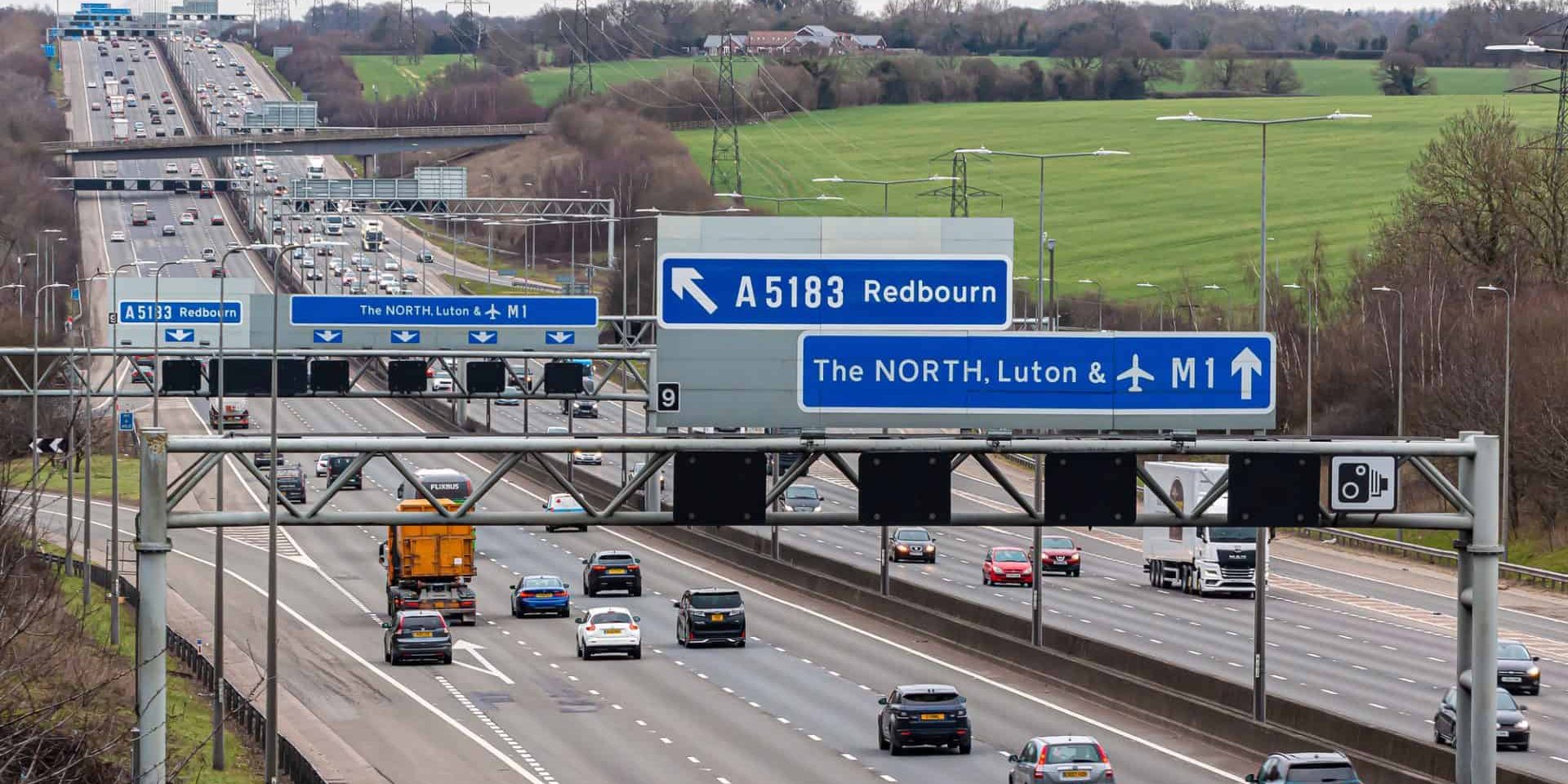
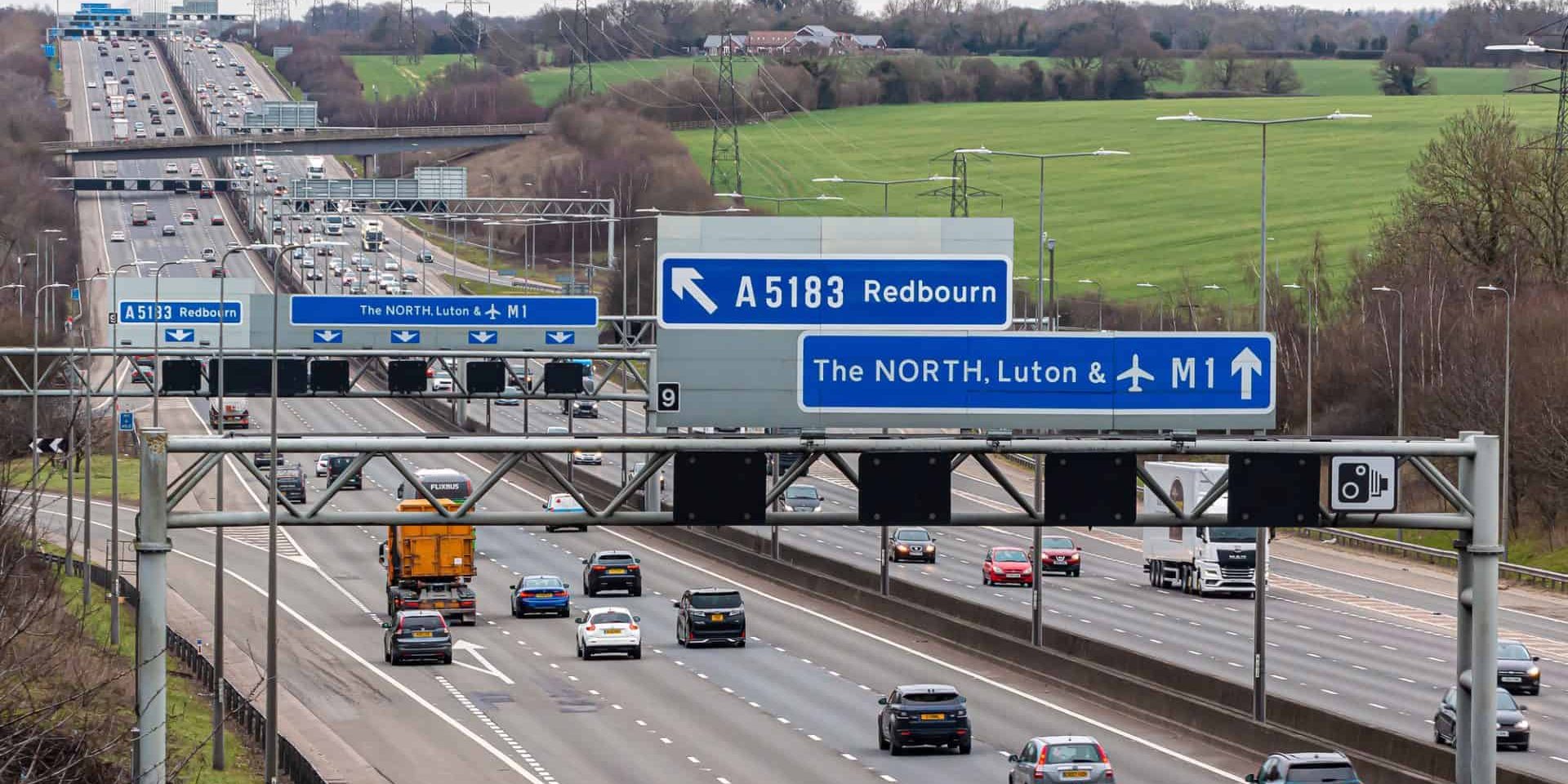
Drivers who regularly use the M53 between the Mersey Gateway and Wallasey have been given notice that life on that stretch of motorway is about to become considerably more complicated. National Highways has confirmed that a £50 million resurfacing and improvement programme is set to begin imminently, with the work expected to run for approximately three years. For the roughly 80,000 vehicles that use the M53 daily, this announcement deserves serious attention well before the cones go down.
The M53 is the principal motorway corridor through the Wirral Peninsula, connecting the Mersey tunnels and the Mersey Gateway bridge to the north of the peninsula and the A55 approaches into North Wales to the south. It carries a mix of commuter traffic, port freight heading to and from the Port of Liverpool and Birkenhead docks, and cross-border commercial vehicles. There is no simple alternative route for much of that traffic, which is what makes a three-year works programme on this road particularly significant.
What the Works Cover
The £50 million programme encompasses full carriageway resurfacing across the majority of the M53’s length, structural work on several bridges and gantries, drainage improvements, and the installation of updated signage and safety systems. National Highways has indicated that the work cannot be completed in a single continuous closure and will instead be phased across multiple sections, with each phase requiring lane restrictions and reduced speed limits while work is active.
The resurfacing element alone requires extended overnight and weekend possessions where sections of carriageway are closed completely to allow machinery to operate safely. On a motorway carrying 80,000 vehicles per day, managing those closures without creating unmanageable congestion on the local network is one of the significant logistical challenges facing both National Highways and the local authorities whose roads will absorb diverted traffic.
The Three-Year Timeline
Three years is a long works programme for a single motorway stretch, but it reflects both the scope of the work and the constraints of operating on a busy live road. Unlike a rural motorway where extended full closures might be feasible, the M53’s role as an essential commuter and freight corridor limits the windows available for intensive works. National Highways must balance the pace of progress against the operational disruption that any significant restriction causes.
The phased approach means that drivers will not face three continuous years of the same level of disruption, but the works will be a persistent presence. Different sections will be active at different times, and the specific locations and durations of each phase will be communicated through National Highways’ traffic information systems, the Highways England website, and local media as each phase approaches.
For regular users, the uncertainty of not knowing exactly when disruption will affect a specific junction or section is often as frustrating as the disruption itself. The advice from National Highways in these situations is consistently to check live traffic information before travelling, sign up for route-specific alerts, and allow additional time as a routine measure throughout the programme rather than only on days when works are specifically notified.
Impact on Commuters
For the significant number of people who commute between the Wirral and Liverpool or Chester, the M53 is not a route of choice but often the only practical option. The Mersey tunnels provide an alternative crossing, but they feed onto different parts of the network and do not serve all M53 journeys effectively. Traffic diverted from the M53 during lane restrictions will put pressure on the A41, A49 and various urban routes through Bebington, Bromborough and Ellesmere Port.
Those roads are not designed or managed for motorway-level traffic volumes, and even moderate diversions during peak hours have historically created significant knock-on delays in communities that have little tolerance for additional through traffic. Local authorities in Cheshire West and Chester, and Wirral Council, will need to coordinate with National Highways on traffic management to minimise the impact on residential areas.
Commuters who currently rely on the M53 and have any flexibility in their working arrangements should consider discussing changed start and finish times with employers for the duration of the works, particularly during phases that affect the junctions closest to their usual routes. A shift of thirty minutes in either direction can make a significant difference to journey times when a lane restriction is adding queues to an already busy peak-hour network.
Freight and Port Traffic
The port traffic dimension adds a layer of complexity that purely commuter-focused analysis often misses. Lorries serving Birkenhead docks, the Peel Ports facilities at Twelve Quays and West Float, and the various logistics operations around the Wirral industrial areas use the M53 as part of their standard routing. These vehicles are larger, slower-accelerating and more restricted in their alternatives than cars.
HGV operators will need to review their standard routing for any journeys that involve the M53, assess whether alternative routes are suitable for their vehicle types and weights, and factor in additional fuel and time costs for any necessary diversions. Port operators and logistics managers in the area should engage with National Highways and the relevant local authorities now, before works begin, to understand the planned phasing and identify which periods are likely to create the most significant operational impact.
Speed Limits During Works
Active motorway work zones in England are typically subject to a 50mph speed limit enforced by average speed cameras. Compliance with that limit is non-negotiable: average speed cameras in motorway works zones are consistently among the most productive enforcement locations in the country, and the fines and points issued for exceeding the works zone limit are the same as for any other speeding offence.
The 50mph limit applies whether or not workers are visibly present at the roadside. It remains in force through the entire designated works zone, including overnight and at weekends when physical activity may be reduced or absent. Drivers who treat a quiet overnight works zone at normal motorway speed are at high risk of a speeding prosecution and should be aware that the cameras operate continuously.
Why the Investment Is Happening
The M53 programme is part of National Highways’ wider Road Investment Strategy, the long-term programme of motorway and major trunk road improvements funded through central government. The condition of the M53 carriageway has been monitored for some years and the assessment is that the pavement has reached the end of its serviceable life in several sections, meaning that without intervention, deterioration would accelerate and the risk of reactive emergency closures would increase.
From that perspective, a planned three-year programme, however disruptive, is preferable to unplanned emergency closures caused by carriageway failures. Emergency closures of motorways tend to create longer delays, require more complex diversions, and deliver less predictable outcomes for drivers than managed works programmes with advance notice and traffic management in place.
For those affected, the disruption will be real and persistent. But the outcome at the end of three years should be a motorway in genuinely improved condition, with modern drainage and safety infrastructure, that can serve the region reliably for another generation. In the meantime, planning ahead, using live traffic information, and allowing extra time will be the most effective tools available to regular M53 users for the foreseeable future.

Leave a Comment
More in News

What to Do if Your Car Overheats on the Motorway Before the Engine Fails

DVSA’s New Waiting Time Measure Shows 9.7 Weeks, Not the 21.8 Learners Were Told

Every Illegal Tyre Now Risks Drivers a £2,500 Fine and Three Penalty Points

Every Driver Ignores This Dashboard Light and It Costs Them Their MOT

What the New GOV.UK Wallet Means for Every UK Driver This Year
Trending on Motoring Chronicle

First ‘Ombré’ Sedan revealed by Bentley

New GM Duramax 8.3L Diesel V8 Delivers 555 HP for 2027 HD Trucks

Every Electric Car Driver Without a Driveway Pays 20 Percent Tax From October 1

What New Tariff-Driven Price Hikes Mean for Your Next Car From BMW, Toyota and Audi