Three Points for No Seatbelt: The Change That Could Cost You Your Licence


Not wearing a seatbelt has always been illegal in the UK. That much has not changed since compulsory belt wearing was introduced in 1983. What is changing, according to proposals advanced under the Government’s Road Safety Strategy consultations that closed on 11 May 2026, is the penalty for ignoring that law. Under the current framework, getting caught without a seatbelt on earns you a fixed penalty notice of £100. No points. No licence implications. Pay the fine and drive away.
Campaigners, road safety charities and a growing number of MPs have spent years arguing that a flat fine simply does not work as a deterrent, particularly for repeat offenders. The proposed change is straightforward: add three penalty points to the existing fine. The implications of that single shift, however, are anything but straightforward for millions of British drivers.
Why Points Change Everything
The United Kingdom’s totting-up system means that accumulating 12 penalty points within three years triggers an automatic driving ban. For most people, a single seatbelt offence at three points would represent a quarter of the way to losing their licence. Combine that with points already on the licence from speeding or other minor infractions, and the picture shifts considerably.
New drivers are in an even more precarious position. Under the Road Traffic (New Drivers) Act 1995, anyone who accumulates six or more penalty points within two years of passing their test has their licence revoked automatically. They must then reapply for a provisional licence, pass both theory and practical tests again, and start over. Under the proposed change, two seatbelt offences in quick succession would be enough to trigger that revocation for a new driver. A distracted moment, two unlucky encounters with a patrol car, and a newly qualified motorist loses the right to drive entirely.
Who Gets Caught?
Seatbelt enforcement in the UK is less intensive than speed camera networks, but it is not negligible. Police forces carry out targeted operations, often alongside road safety campaigns, and officers routinely issue FPNs during routine stops. Department for Transport data shows that seatbelt wearing rates, while high overall at around 98 percent for front seat occupants, fall noticeably in rear seats and among certain demographics.
Van and lorry drivers have historically shown lower compliance rates than car drivers. Taxi and private hire passengers in the rear are another group frequently observed without belts. Short journey complacency is a known factor: drivers and passengers who feel they are only travelling a short distance in urban areas are statistically more likely to skip the belt. Under a points regime, the consequences of that brief lapse would become significantly more serious.
There is also the question of child passengers. UK law places responsibility for ensuring that children under 14 wear seatbelts with the driver rather than the child. That responsibility has always existed, but with points now potentially on the table, the consequences of a child being found unbelted in the rear of a car shift from a financial penalty on the driver to a potential threat to their licence.
The Road Safety Case
Proponents of the change point to hard statistics. Seatbelts are estimated to save around 400 lives and prevent roughly 7,000 serious injuries on British roads every year. Among those killed in car crashes in the UK, a significant proportion are either not wearing a belt at all or are wearing one incorrectly. Road safety charity Brake, which has long advocated for tougher penalties, argues that the current fine is insufficiently seriously to modify behaviour and that points would provide a meaningful incentive to comply.
The experience of other European countries is cited as evidence. In France and Germany, seatbelt offences already carry penalty points alongside fines, and both countries have seen sustained improvement in compliance rates over the past two decades. Advocates are careful to note that causality is difficult to isolate, but the correlation is used to support the case for reform.
Opposition and Concerns
The proposal is not without critics. Some motoring organisations have raised concerns about proportionality, noting that the current penalty already exists and that escalating to points risks creating severe consequences from what remains a relatively minor and often momentary oversight. A driver who forgets to clip in during a short manoeuvre to repark a vehicle, or who is caught on a forecourt, could find themselves facing the same sanction as someone who genuinely refuses to comply.
There are also questions about enforcement consistency. Speed cameras enforce the law impartially and at scale. Seatbelt enforcement depends on human observation by police officers, meaning it is inevitably more variable. Critics worry that adding points to the equation raises the stakes of enforcement decisions in ways that could lead to contested FPNs and increased pressure on the courts.
Professional drivers, including those who drive taxis, couriers who make dozens of short stops, and agricultural workers who frequently enter and exit vehicles on private land, have also expressed concern. While many of these cases may be covered by existing exemptions, the boundaries of those exemptions are not always clearly understood and the introduction of points creates a stronger incentive to challenge borderline situations legally.
What Happens Next
The consultation closed on 11 May 2026, and the Government will now assess the responses before making any formal legislative commitment. There is no guaranteed timeline for implementation, and the proposal could be modified, delayed or dropped depending on the weight of public and stakeholder feedback. However, the fact that it was included in the Road Safety Strategy consultation signals that it is a live policy option rather than a fringe suggestion.
If the change proceeds, there would likely be a period between the announcement and implementation during which drivers and insurers would need to adjust. Insurance companies are known to recalculate premiums based on points profiles, and three seatbelt points would be processed by insurers in exactly the same way as three speeding points. Drivers with otherwise clean licences would need to factor in that a single belt offence could push their premium upward at renewal.
What Drivers Should Do Now
The practical advice is simple, and it applies regardless of whether the change becomes law. Always buckle up, every journey, no matter how short. Ensure all passengers are belted before moving off. If you carry children, check that they are correctly restrained in appropriate child seats and that older children in adult belts are using them properly.
If you have existing points on your licence, this proposal is a reminder to be particularly vigilant. The totting-up threshold does not reset in response to new legislation; any points already on your record count toward the 12-point limit. A driver already carrying six points for a previous offence who picks up three seatbelt points under the new system would be sitting at nine, uncomfortably close to a ban.
New drivers within their two-year probationary period should treat the proposal as a serious warning signal. Even if the change does not come into force immediately, the underlying law already disqualifies new drivers at six points. The margin for error is already very small.
Whether or not three points for a seatbelt offence becomes the law of the land, the broader message from this consultation is clear: the Government is willing to significantly escalate the consequences of road safety offences that have previously been treated as relatively minor. Seatbelts, mobile phones, speeding in residential areas, and drink-drive limits are all under review. The road safety landscape for British drivers is changing, and the direction of travel is unmistakably toward stricter penalties for behaviour that puts lives at risk.

Leave a Comment
More in News
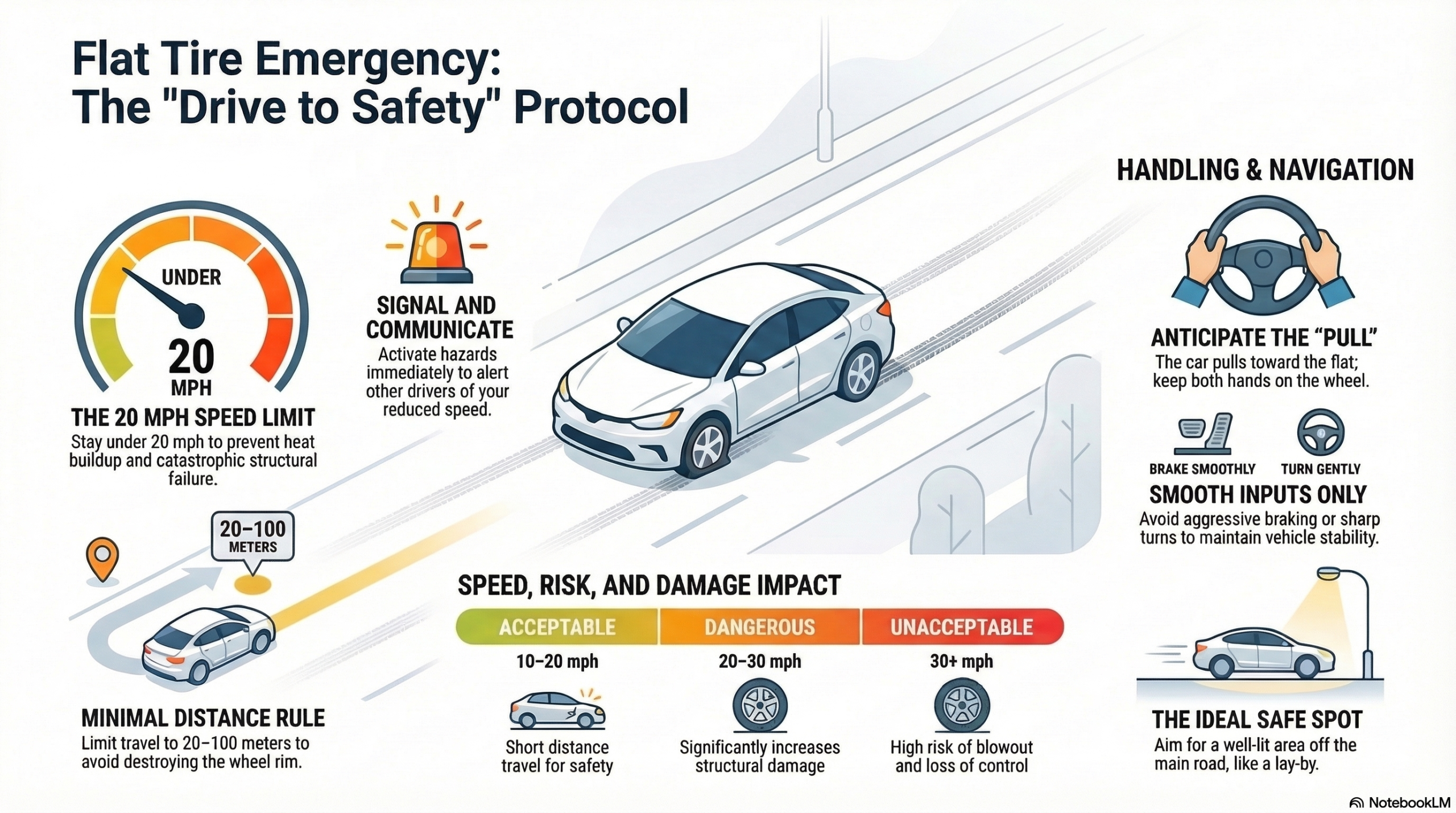
What a Tyre Sealant Kit Actually Does (and How Far You Can Drive)
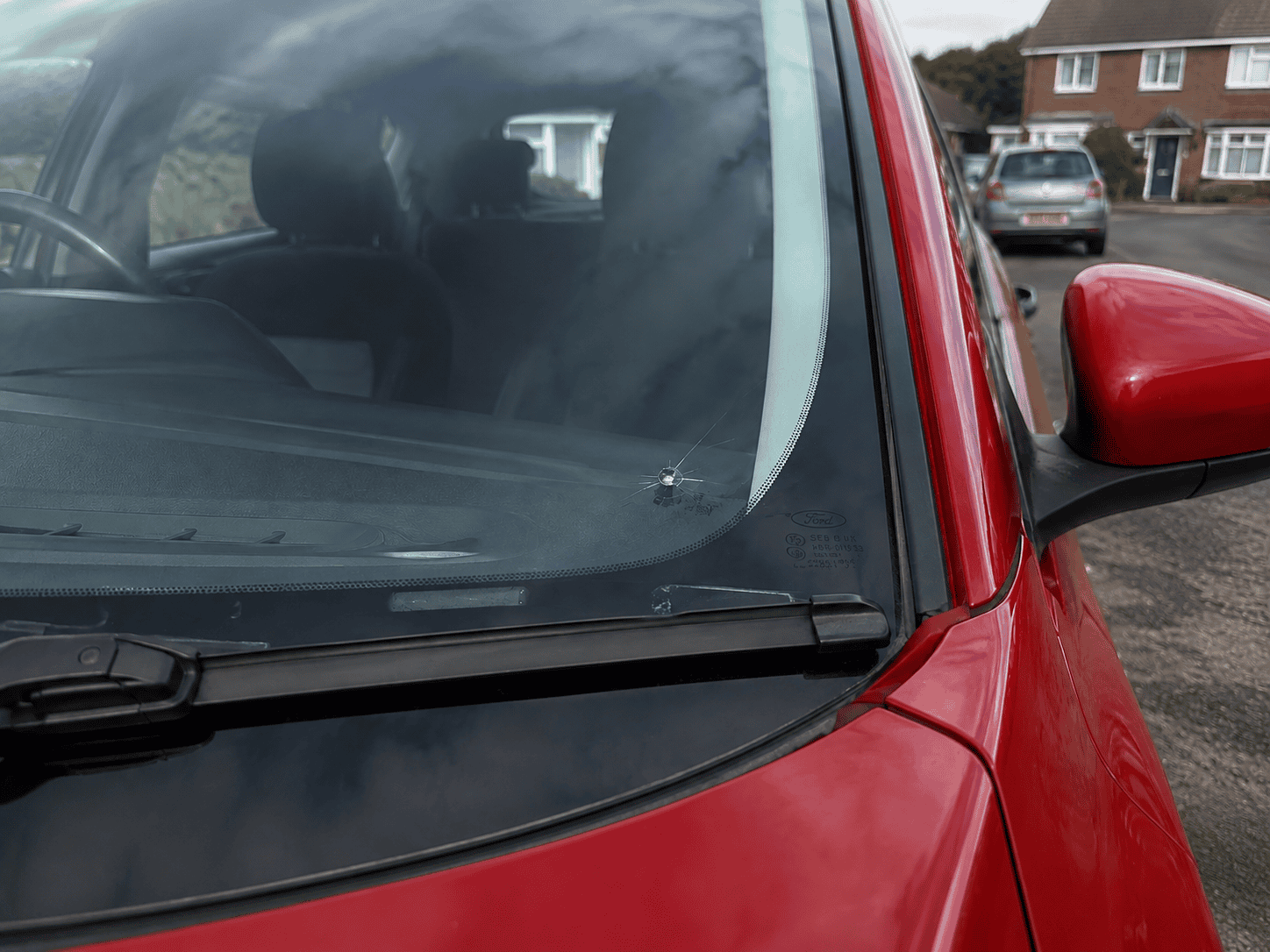
How to Tell If a Windscreen Chip Fails Your MOT (and Repair Cost)

What NHTSA’s Tesla Robotaxi Petition Over School Zone Speeding Means for You

Why Hyundai Is Telling 94,622 Genesis Owners to Park Outside

BMW Owners Have One Day Left to Claim This Shark Fin Antenna Payout
Trending on Motoring Chronicle
Why Hidden Disability Blue Badge Approvals Have Tripled to 55,000 in Just Three Years

Ferrari Luce Unveiled in Rome: 1,050 PS Electric Sports Car Designed With Sir Jony Ive

A 1,065 HP V12 With Three Electric Motors, No Roof And A Top Speed Above 211 mph. This Is The Lamborghini Fenomeno Roadster

Ford Recalls 10,001 New Broncos and Mustangs Over Engine Pistons That Can Crack