
Nine in Ten Britons Cannot Tell If an E-Bike Is Legal, Survey Finds
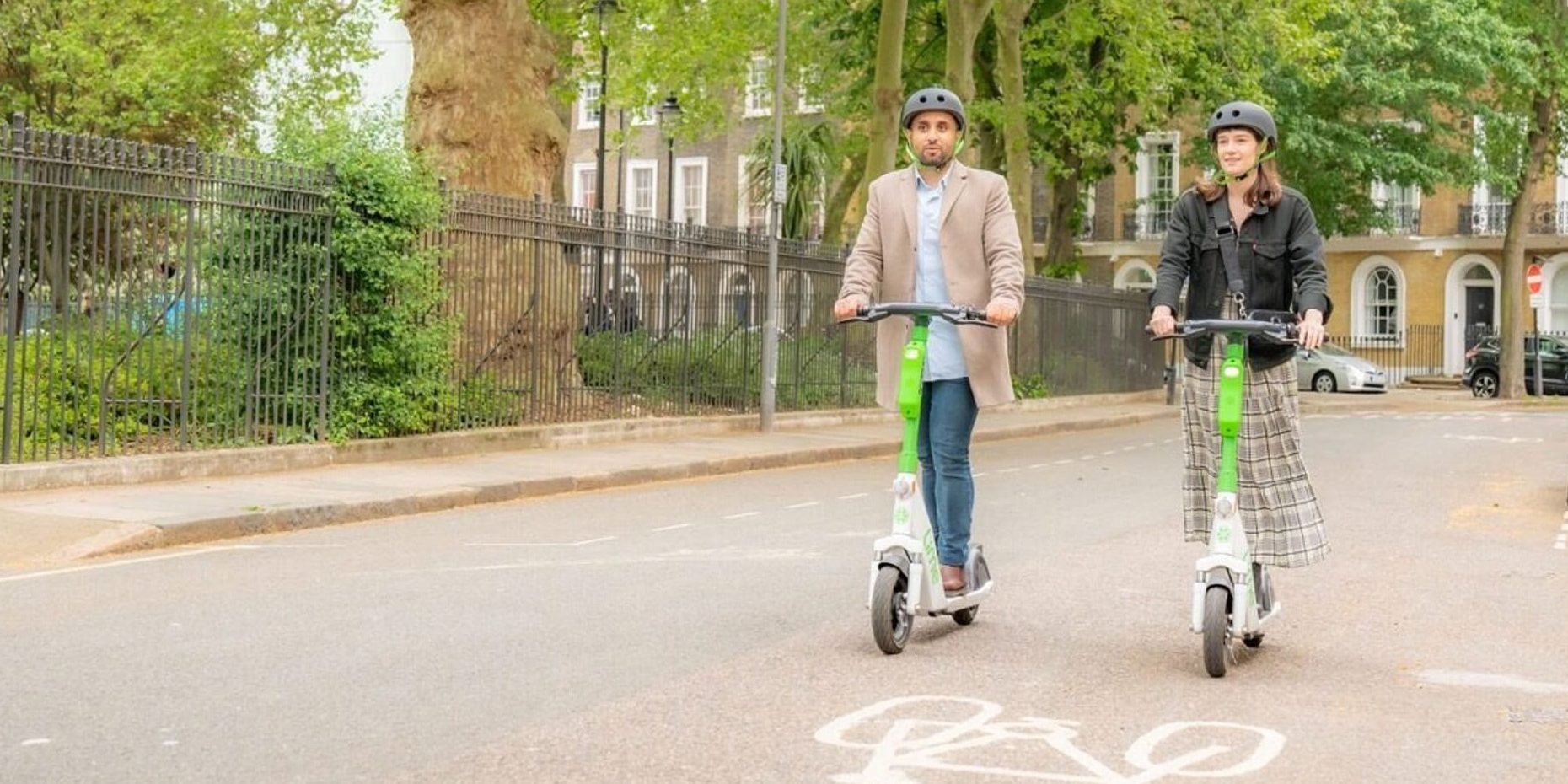

Most e-bike buyers cannot tell a legal machine from an illegal one, and a new industry trust mark aims to fix that before more riders end up with an unsafe or unlawful bike without realising it. A YouGov survey commissioned by the cycling trade found that 84 per cent of people are not confident they could spot whether an electric bike is road legal or has been modified to go faster than the law allows.
Nine in Ten Cannot Spot an Illegal Bike
The confusion is not a small gap in general knowledge. Just 16 per cent of people surveyed knew that an e-bike motor must stop giving assistance once the bike reaches 15.5mph to stay within the legal definition of an electrically assisted pedal cycle, the category that lets e-bikes be ridden like an ordinary bicycle with no licence, tax or insurance.
Anything that keeps assisting beyond that speed, or that can be driven by a throttle alone without pedalling, falls outside the legal category and counts instead as a motorcycle or moped in the eyes of the law. A bike in that category needs registration, a licence, insurance and an MOT to be ridden on the road, requirements almost none of the illegally modified or imported machines on sale meet.
The Bicycle Association and the Association of Cycle Traders have responded with a new scheme called E-Bike Positive, a trust mark meant to help buyers spot a reputable brand or shop at a glance. So far 33 manufacturers have signed up, covering more than 80 per cent of reputable e-bikes sold in Britain, alongside more than 600 retailers including Halfords, Evans Cycles and Decathlon plus hundreds of independent bike shops.
What the Trust Mark Actually Checks
Retailers who join the scheme agree to sell only road-legal e-bikes, carry out repairs in line with the manufacturer’s guidance, supply approved batteries and chargers, provide safety information to buyers and refuse to repair a bike that has been illegally modified or is otherwise unsafe. Shops are checked through mystery shopper visits and reviews of their paperwork, while manufacturers have to pass an independent audit proving their bikes meet legal and safety standards before they can use the mark.
Almost half of the people surveyed said a recognised safety certification would make them more confident that an e-bike met legal and safety standards, and four in ten said it would change where they chose to shop. That gives retailers a direct commercial reason to join, on top of the safety case.
Steve Garidis, executive director of the Bicycle Association, said the scheme responds to a problem the industry has watched build for years. “Reputable brands spend years and considerable sums developing e-bikes which meet longstanding international standards and all the regulations for their legal sale and use on the road,” he said. “They are a fantastic product with a wide variety of customers and benefits to health and the environment. But all this is undermined by illegal and unsafe products often sold through online marketplaces to unsuspecting consumers.”
Jonathan Harrison, director of the Association of Cycle Traders, said customers understandably want reassurance when they hand over several hundred pounds for a bike, and that the trust mark gives them a quick way to check a retailer’s credentials before they buy rather than after something goes wrong.
The Fire Risk Behind the Push
The safety concern is not limited to speed. Illegal and poorly made e-bikes have been linked to a rise in fires caused by unsafe lithium batteries, with fire services reporting more blazes involving e-bike and e-scooter batteries in recent years, some of which have caused deaths and serious injuries. Cheap, uncertified batteries and chargers sold to fit older or converted bikes carry a far higher fire risk than the units supplied by reputable manufacturers, and the danger is not limited to riders: a battery fire that starts in a hallway or a block of flats can spread fast and put neighbours at risk too.
The consequences have already reached beyond individual households. Some insurers have withdrawn cover linked to e-bikes altogether, while landlords, employers and transport operators have introduced blanket bans covering every e-bike on their premises, including bikes that are entirely legal and safe. Riders who bought a compliant machine from a reputable shop are being caught by rules written to keep out the illegal minority, which is part of the case the industry is making for a mark that lets a legal bike prove its status quickly.
Police Are Already Seizing Machines
Sergeant Stu Ford of the City of London Police Cycle Team said officers are increasingly finding machines that go well beyond what the law allows. “Many have been illegally modified to reach speeds that put riders, pedestrians and other road users in serious danger,” he said. Police forces around the country have carried out operations specifically targeting illegally modified e-bikes, seizing machines capable of reaching 37mph, 56mph and even 70mph, speeds that put them closer to a motorcycle than a bicycle in both power and risk.
Anyone riding one of these machines on the road without a licence, registration, tax or insurance is committing several offences at once, and the bike itself can be seized under the same powers police use for uninsured cars and motorbikes. A rider stopped on a modified machine faces the loss of the bike, a fine, and in some cases prosecution for the modifications themselves if they were carried out by a dealer or seller.
Closing the Loophole That Lets This Continue
Industry figures are now pushing ministers to close a gap that currently lets non-road-legal e-bikes and conversion kits be sold legally on the basis that they are intended only for use on private land. In practice, nothing stops a buyer taking that kit home and fitting it to a bike they then ride on public roads, and enforcement only catches the rider after the fact rather than the seller who supplied an illegal kit in the first place. Closing that gap would put more of the responsibility on sellers rather than leaving individual riders to work out the rules for themselves.
The rules on e-bikes sit alongside a wider push to bring order to Britain’s fast-growing micromobility market. Riders sharing pavements with illegally modified bikes and unregulated e-scooters have already prompted councils in some cities to step up enforcement, including Westminster’s seizure of dockless bikes left blocking pavements, a sign that both riders and the vehicles themselves are coming under closer scrutiny.
What Buyers Should Check Before They Buy
Anyone buying an e-bike, new or second-hand, can check three things before handing over money. First, confirm the motor is rated at no more than 250 watts and stops assisting at 15.5mph, details that should appear on the manufacturer’s specification sheet rather than a market stall sticker. Second, check the bike has working pedals that propel it forward on their own, without the motor. A bike that moves on a throttle alone with no pedalling is not an EAPC under the law, regardless of what the seller calls it. Third, look for the E-Bike Positive mark or ask directly whether the retailer has signed up, and treat a seller who cannot answer basic questions about the battery or motor rating as a warning sign rather than a good deal.
Buyers who already own a bike and are not sure whether it complies can contact the manufacturer directly with the model and serial number, or take it to a retailer that has joined the trust mark scheme for an assessment. Riding an illegal machine does not just risk a fine or seizure; it can also mean an insurer refuses to pay out after a crash, leaving the rider covering medical and repair costs that a legal, insured vehicle would have covered.
Sources:

Leave a Comment
More in News
What the October 28 Budget Could Mean for Every UK Driver’s Fuel and Car Tax Bills

America Is Investigating This Engine. Britain Has Not Recalled One Car

Why Connecticut Drivers Cruising in the Left Lane Now Face an $88 Fine

Hurricane Isaias Flooded Thousands of Cars That Could Reach Used Lots

Gas Prices Jump to $4.36 a Gallon as the National Average Rises 40 Percent in a Year
Trending on Motoring Chronicle
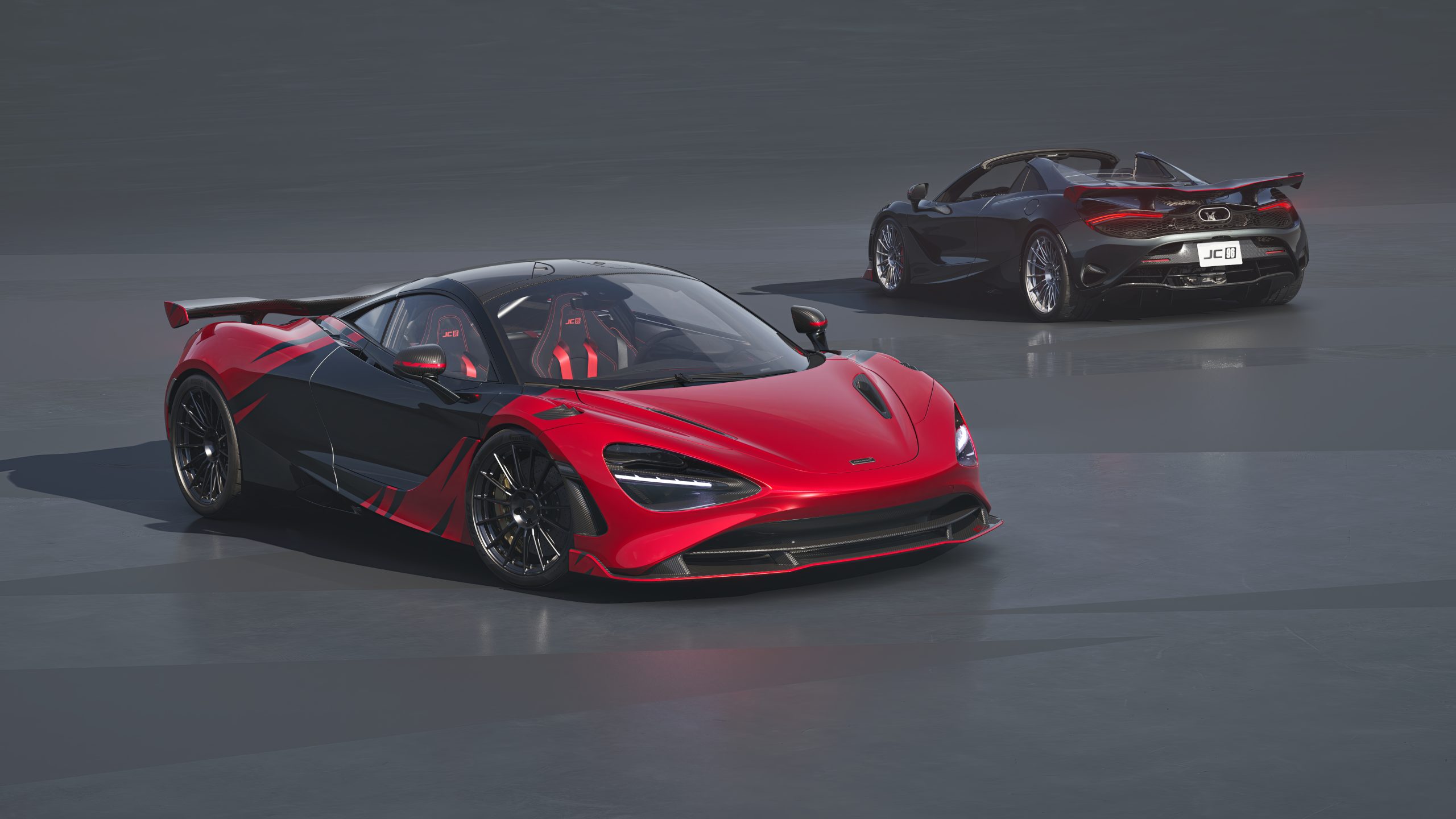
The McLaren 750S JC96: celebrating McLaren in Japan and honouring iconic motorsport success

MG S9 Plug-in Hybrid review: Seven-seater SUV is a blinging bargain

How to Appeal a Parking Fine (and Actually Win Your Case)
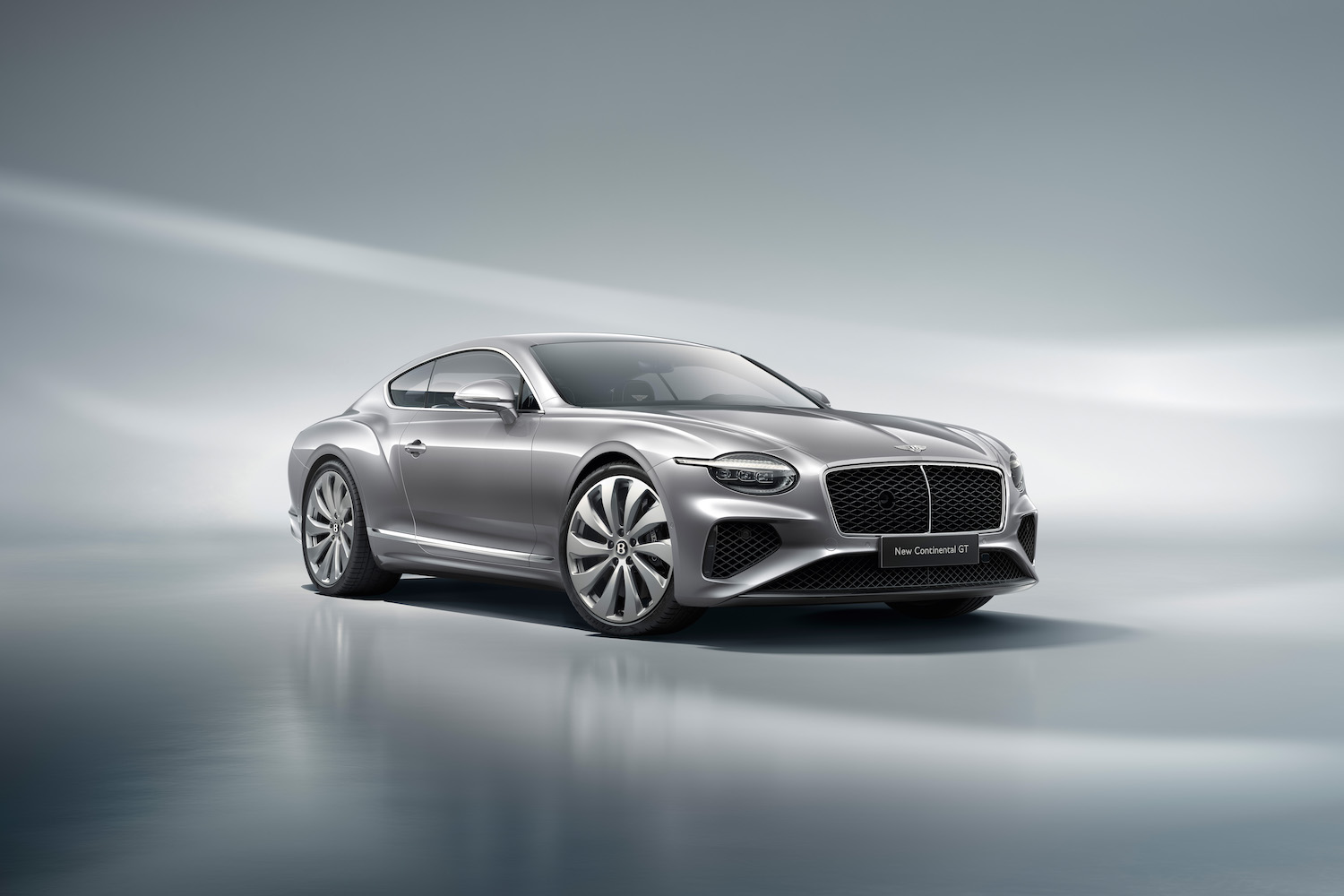
New High Performance Hybrid Continental GT, GTC and Flying Spur – the daily supercar family expands [Photo Gallery]
