
Why Is My Fuel Economy Getting Worse?


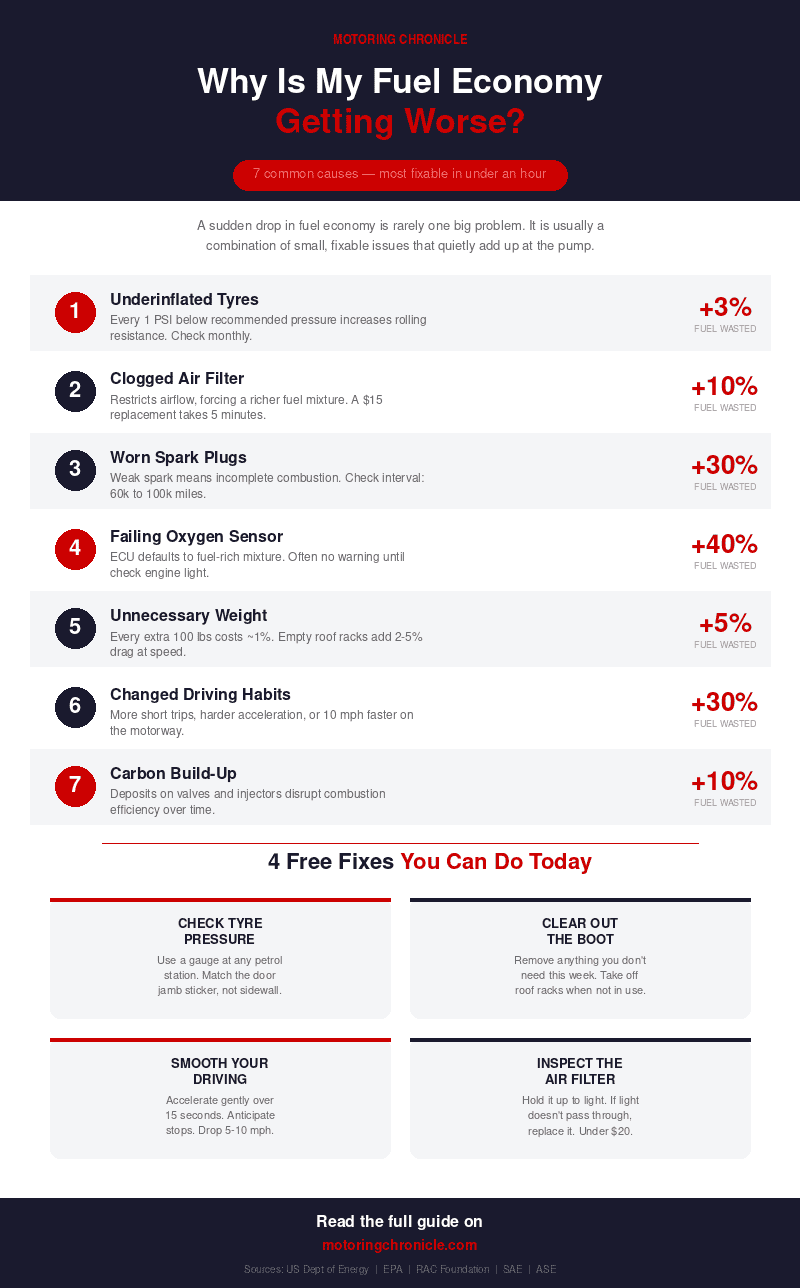
Your fuel economy is getting worse most commonly from underinflated tyres, a clogged air filter, worn spark plugs, a faulty oxygen sensor, or a change in driving habits. A single underinflated tyre adds three percent to fuel consumption, and a failing oxygen sensor can add 10 to 40 percent to your fuel bill.
Most of these causes are inexpensive to fix today…
1. Your Tyres Are Underinflated
This is the most common and most overlooked cause of worsening fuel economy. Every tyre loses 1 to 2 PSI of pressure per month naturally, and temperature drops in colder weather accelerate that loss. When your tyres are below the recommended pressure, the contact patch between rubber and road widens, increasing rolling resistance. Your engine has to work harder to maintain the same speed, and that extra effort burns more fuel.
The US Department of Energy estimates that properly inflated tyres improve fuel economy by up to 3 percent. That sounds small, but across a year of driving it adds up to a full tank or more of wasted fuel. The problem compounds when multiple tyres are low, which is common as all four tyres lose pressure at roughly the same rate.
Check your pressures at least once a month using a simple gauge. The correct figures are printed on a sticker inside the driver’s door jamb or in your owner’s manual, not on the tyre sidewall. The number on the sidewall is the maximum pressure the tyre can handle, not the ideal operating pressure for your vehicle. If your tyre tread is also wearing unevenly, that is a strong sign of chronic under or over-inflation.
2. Your Air Filter Is Clogged
Your engine needs a precise ratio of air to fuel to burn efficiently. A clogged air filter restricts airflow, and when the engine cannot breathe properly, the fuel management system compensates by running a richer mixture, meaning more fuel for less air. On older vehicles with carburettors, a dirty filter can reduce economy by up to 10 percent. On modern fuel-injected engines, the impact is smaller but still measurable, especially during hard acceleration.
Air filters are cheap and easy to replace. Most cost between $10 and $30 (or £8 to £25) and can be swapped in under five minutes with no tools on most vehicles. Your owner’s manual will specify the replacement interval, typically every 12,000 to 15,000 miles (20,000 to 25,000 km), but if you drive on dusty roads, gravel tracks, or in heavy urban pollution, check it more often.
A quick visual inspection tells you what you need to know. Remove the filter and hold it up to a light source. If light passes through easily, the filter has life left. If the filter looks grey, dark, or packed with debris, replace it. This is one of the simplest and cheapest maintenance tasks that has a direct and immediate effect on your fuel consumption.
3. Your Spark Plugs Are Worn or Fouled
Spark plugs ignite the air-fuel mixture in each cylinder. When plugs wear out or become fouled with carbon deposits, the spark becomes weaker and less consistent. This leads to incomplete combustion, where some of the fuel injected into the cylinder is not burned and exits through the exhaust as waste. The National Institute for Automotive Service Excellence (ASE) notes that worn spark plugs can reduce fuel economy by up to 30 percent in severe cases.
Most modern vehicles use long-life iridium or platinum spark plugs rated for 60,000 to 100,000 miles. If your vehicle is approaching or past that interval, fuel economy loss is one of the first symptoms you will notice, often before any misfiring or rough running becomes obvious. Replacing spark plugs restores the crisp ignition that keeps combustion efficient and fuel waste minimal.
If you are replacing plugs yourself, always use the exact type and heat range specified by your vehicle manufacturer. Aftermarket “performance” plugs rarely deliver meaningful fuel savings and can cause problems if the heat range does not match your engine’s design specifications. Stick with the OEM recommendation from manufacturers like NGK, Denso, or Bosch, who supply original equipment plugs to most vehicle makers.
4. Your Oxygen Sensor Is Failing
The oxygen sensor (also called a lambda sensor) sits in your exhaust system and measures how much unburned oxygen is leaving the engine. Your engine control unit (ECU) uses this data to adjust the fuel-air mixture in real time. When the sensor degrades or fails, the ECU loses its ability to fine-tune the mixture and defaults to a richer (more fuel-heavy) setting as a safety measure.
A failing oxygen sensor is one of the biggest single causes of sudden fuel economy drops. The US Environmental Protection Agency states that a faulty sensor can increase fuel consumption by 10 to 40 percent, depending on how far the sensor has drifted from accurate readings. This is a massive increase that most drivers notice quickly at the pump.
The check engine light will usually illuminate when an oxygen sensor fails completely, but a sensor that is degrading gradually can affect your fuel economy for months before it triggers a warning. If your fuel economy has dropped noticeably and there is no other obvious cause, ask your mechanic to check the oxygen sensor readings with a diagnostic scanner. Most vehicles have two to four oxygen sensors, and the ones closest to the engine (upstream sensors) have the biggest impact on fuel mixture and economy.
Replacement typically costs between $100 and $300 per sensor (£80 to £250) including labour, and the fuel savings usually pay for the repair within a few months of normal driving.
5. You Are Carrying Unnecessary Weight
Every extra kilogram your engine has to move costs fuel. The US Department of Energy estimates that every additional 100 lbs (45 kg) reduces fuel economy by roughly 1 percent. That might not sound dramatic, but think about what accumulates: the roof box from last summer’s holiday still bolted on, sports equipment in the boot, tools, pushchairs, boxes of items you keep meaning to drop off.
Roof racks and roof boxes deserve special attention. Even an empty roof rack increases aerodynamic drag and can add 2 to 5 percent to fuel consumption at motorway speeds. A loaded roof box can increase consumption by 10 to 25 percent at higher speeds. If you are not using it, take it off. The five minutes spent removing it pays for itself within a single motorway journey.
Do a boot clear-out every month. Remove anything you do not need for that week’s driving. Keep your emergency kit, spare tyre tools, and first aid kit, but everything else is costing you fuel every mile. This is one of the easiest changes you can make with zero cost and immediate results.
6. Your Driving Habits Have Changed
Sometimes fuel economy drops not from a mechanical fault but from a gradual shift in how you drive. Shorter trips, more stop-and-go traffic, a new commute route, or simply becoming less conscious of smooth driving all have a measurable effect.
Short trips are especially costly for fuel economy. Your engine runs richest during the first few minutes of operation, before the coolant and oil reach optimal temperature. If most of your journeys are under 5 miles, your engine spends a disproportionate amount of time in this fuel-heavy warm-up phase. The RAC Foundation has found that fuel consumption on short cold-start trips can be 30 to 50 percent higher per mile than on longer journeys where the engine reaches full operating temperature.
Aggressive driving, including hard acceleration, late braking, and high-speed motorway cruising, also erodes economy. If you have noticed your fuel gauge dropping faster, think honestly about whether your right foot has become heavier. Small changes in throttle application and how you accelerate can recover 15 to 30 percent of lost economy without any mechanical work.
Speed creep is another subtle factor. If you have started cruising at 75 or 80 mph instead of 65 or 70, the aerodynamic penalty is significant. Drag increases with the square of speed, so even a 10 mph increase at motorway speeds can add 10 to 15 percent to your fuel bill.
7. Your Engine Has Carbon Build-Up
Over time, carbon deposits accumulate on intake valves, fuel injectors, and combustion chamber surfaces. These deposits disrupt the precise airflow patterns and fuel spray patterns that your engine was designed for, leading to less efficient combustion and higher fuel consumption.
Direct injection engines are especially prone to carbon build-up on intake valves. In a port-injected engine, fuel washes over the intake valves with every combustion cycle, keeping them relatively clean. In a direct injection engine, fuel is sprayed directly into the combustion chamber, bypassing the valves entirely. Without that cleaning action, carbon from crankcase ventilation gases bakes onto the valve surfaces and gradually restricts airflow.
The Society of Automotive Engineers (SAE) has published research showing that significant carbon build-up can reduce engine efficiency by 5 to 10 percent. Symptoms include rough idle, hesitation during acceleration, and a gradual decline in fuel economy that worsens over months or years.
For mild build-up, a quality fuel system cleaner added to a full tank can help dissolve deposits on injectors and combustion surfaces. For more severe cases, especially on direct injection engines, professional walnut shell blasting or chemical cleaning of the intake valves is the most effective solution. Adding this to your maintenance schedule every 30,000 to 50,000 miles keeps the problem in check before it starts costing you real money at the pump.
How to Diagnose Which Problem Is Affecting Your Car
Start with the free and simple checks. Grab a tyre gauge and check all four pressures. Open the airbox and inspect the filter. Look at your mileage and check whether spark plugs or oxygen sensors are past their service interval. These four items cover the most common mechanical causes and cost nothing to investigate.
If those check out, look at your driving patterns. Has your commute changed? Are you making more short trips? Has the weather turned colder? Cold weather alone can reduce fuel economy by 10 to 20 percent on short urban trips, as the engine takes longer to warm up and the fuel mixture runs rich for a longer period.
For anything beyond basic checks, a diagnostic scan is your best next step. Most garages will plug in an OBD-II scanner and read any stored fault codes for a small fee, often free if you proceed with a repair. Fault codes related to oxygen sensors, mass airflow sensors, coolant temperature sensors, or fuel trim values will point directly to the cause of your economy drop.
If no fault codes are present and all maintenance items are current, consider having your fuel injectors tested. Injectors that are partially blocked or leaking deliver uneven fuel amounts to each cylinder, creating imbalanced combustion. Professional injector cleaning or testing costs around $50 to $100 (£40 to £80) and can restore lost economy in one visit.
Seasonal Factors That Affect Fuel Economy
If your fuel economy drops every winter and recovers in spring, the cause is likely seasonal rather than mechanical. Cold air is denser, which increases aerodynamic drag. Cold engine oil is thicker, which increases internal friction until it warms up. Winter fuel blends in many regions contain slightly less energy per litre or gallon than summer blends, meaning you get fewer miles from the same volume of fuel.
The US Department of Energy reports that fuel economy in a conventional petrol vehicle drops by 10 to 20 percent in city driving when temperatures fall from 25°C (77°F) to 0°C (32°F). On short trips of under 5 miles, the drop can be even greater as the engine and transmission spend most of the journey below optimal temperature.
You cannot eliminate seasonal effects entirely, but you can minimise them. Park in a garage or sheltered area to keep the engine warmer overnight. Remove snow and ice before driving rather than relying on the heater to clear your windscreen while the engine idles. Combine short trips into one longer outing so the engine stays warm between stops. And keep your tyre pressures topped up, as cold weather accelerates pressure loss.
When to See a Mechanic
If your fuel economy has dropped suddenly, by 20 percent or more, with no change in driving habits or weather, something mechanical is likely at fault. A sudden drop paired with the check engine light is the clearest signal that a sensor, injector, or emissions component needs attention.
Gradual drops over weeks or months are harder to pin down and often result from a combination of factors. Tyres losing pressure, a filter slowly clogging, driving habits shifting, and seasonal changes can all overlap. Working through the checklist above from simplest to most complex is the most cost-effective approach before booking a diagnostic appointment.
Do not ignore a persistent drop. Beyond the cost of wasted fuel, poor fuel economy can indicate problems that will worsen if left untreated. A failing oxygen sensor, for example, can eventually damage your catalytic converter, which is a far more expensive repair. Catching the cause early almost always saves money in the long run.
Fuel Economy FAQs
What is the most fuel-efficient way to accelerate?
Apply gentle, steady throttle pressure and reach your target speed over 15 to 20 seconds. In a manual, shift up between 2,000 and 2,500 RPM. In an automatic, use light pedal input so the gearbox shifts into higher gears early. Aggressive acceleration can waste up to 40 percent more fuel than smooth, progressive driving.
Does engine oil help with fuel consumption?
Yes. The correct engine oil grade reduces internal friction and directly improves fuel consumption. Low-viscosity oils such as 0W-20 or 5W-30 can improve economy by 1 to 2 percent compared to heavier grades. Using the wrong oil or neglecting oil changes increases friction, raises operating temperatures, and forces the engine to work harder on every journey.
At what speed is my car most fuel-efficient?
Most cars are most fuel-efficient between 45 and 65 mph (70 to 105 km/h). Above 65 mph, aerodynamic drag increases sharply, and fuel consumption rises steeply. Every 10 mph over 50 adds roughly 7 to 14 percent to your fuel bill depending on vehicle size and shape.
Can a dirty air filter reduce fuel economy?
Yes. A clogged air filter restricts airflow to the engine, forcing the fuel system to compensate with a richer fuel mixture. On older carburetted engines, this can reduce fuel economy by up to 10 percent. On modern fuel-injected engines, the effect is smaller but still measurable, and a severely blocked filter will reduce power and increase fuel use during acceleration.
How often should I check my tyre pressure for best fuel economy?
Check tyre pressure at least once a month and before any long journey. Tyres naturally lose 1 to 2 PSI per month, and underinflated tyres increase rolling resistance, which directly raises fuel consumption. Keeping tyres at the manufacturer’s recommended pressure can improve fuel economy by up to 3 percent.
Sources
- US Department of Energy Fuel Economy Data and Guidance
- US Environmental Protection Agency (EPA) Emissions and Fuel Economy
- RAC Foundation Motoring Research
- Society of Automotive Engineers (SAE) Technical Research
- National Institute for Automotive Service Excellence (ASE)
- NGK Spark Plugs Technical Information

Leave a Comment
More in News
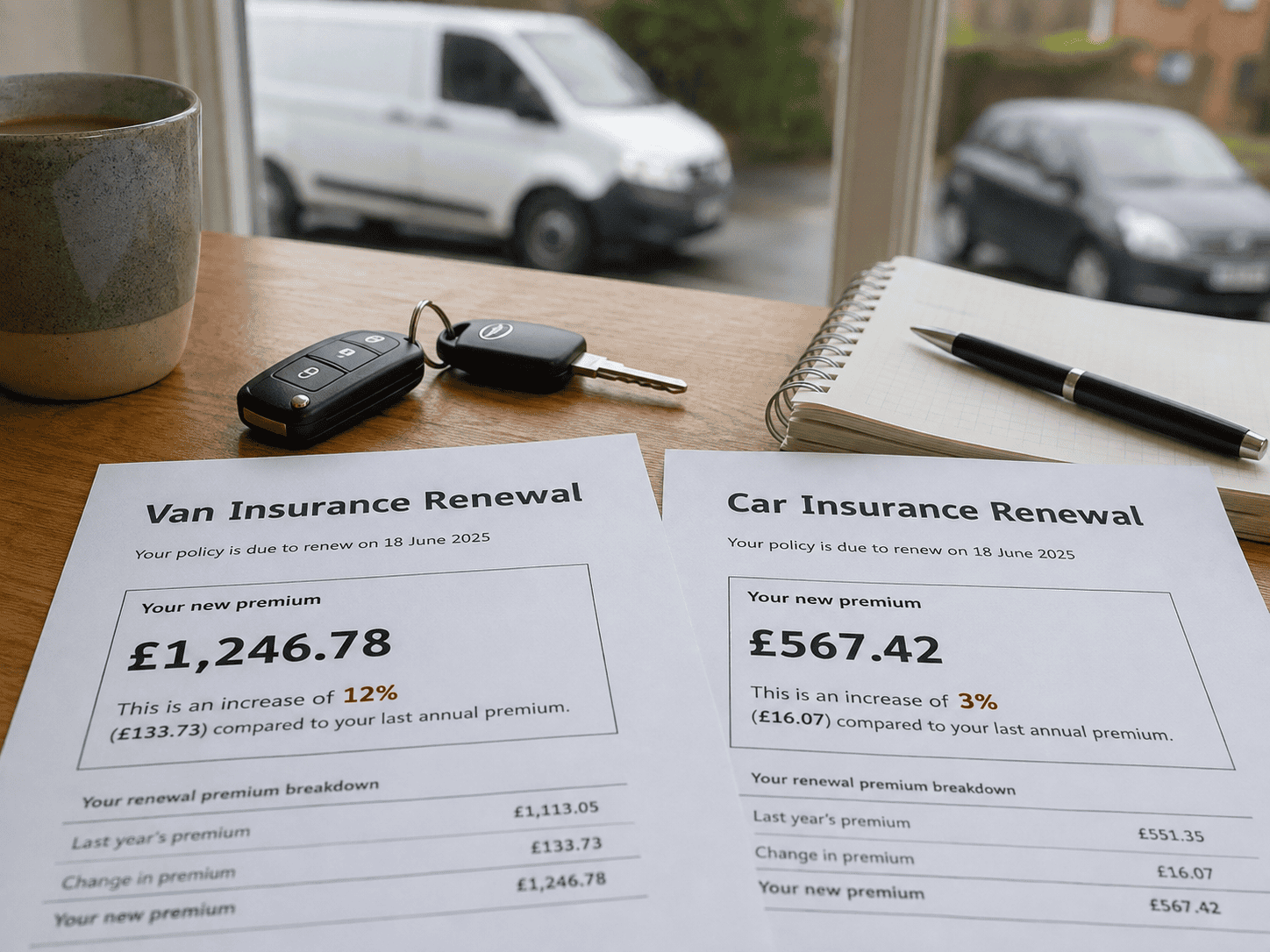
Insurers Pay Out £3.2 Billion as Average Car Cover Premium Hits £566, ABI Reveals

Why Bus Lane Cameras Earned UK Councils Millions in Fines This Year
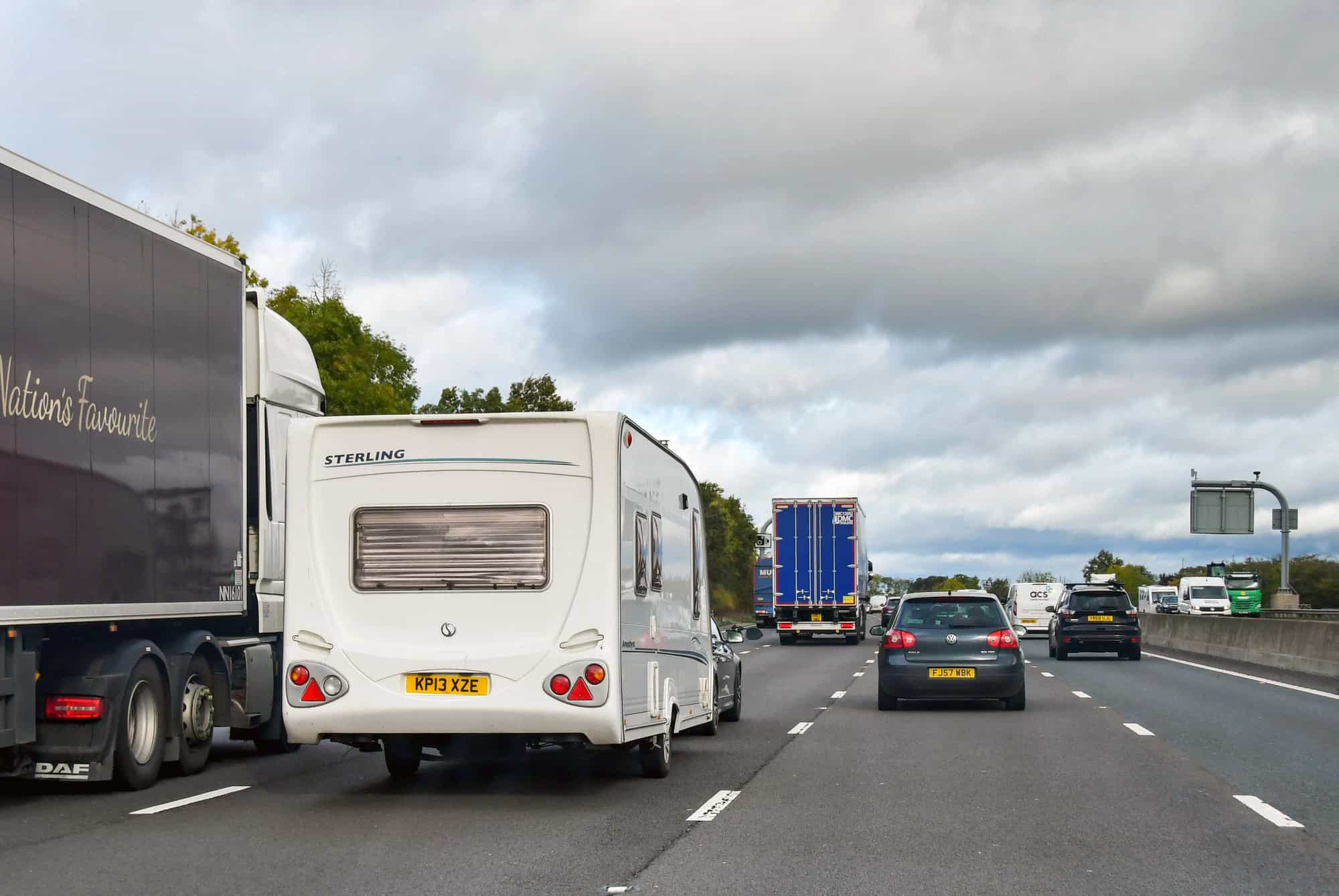
How to Tow a Caravan Legally in the UK Without Breaking Your Licence

Why Your Car Smells of Burning (and What to Do Next)

How DVLA Data Reveals the Nissan Juke Is Now Britain’s Most Stolen Car
Trending on Motoring Chronicle

Ford Recalls 223,472 F-150 Trucks Over Fuel Tanks That Can Detach While Driving

Porsche receives two 2026 MotorWeek Drivers’ Choice Awards

Audi A2 e-tron Priced from £32,200 with Up to 401 Miles of Range

Temerario Ad Personam [Photo Gallery]
