12 Winter Driving Habits That Damage Cars


Winter does not damage cars by itself. The damage comes from repeated cold starts, thicker fluids, salt exposure, low grip, and rushed maintenance. Most of the costly stuff is slow, cumulative wear, the kind that feels invisible right up to the day it fails. The good news is that the same small habits that keep you safer on winter roads also reduce mechanical stress.
Why winter punishes your car
Cold changes how materials behave and how systems respond. Rubber stiffens, air pressure drops, batteries deliver less power, and engines run richer on startup. Roads add potholes, grit, and salt, which accelerates corrosion and impact damage. Even your safety systems behave differently on slick surfaces, so the way you brake and steer matters for both control and component life.
- Ignoring tyre pressure and tread
Cold air contracts inside tyres (tires), so pressure falls as temperatures drop. Underinflation increases sidewall flex, which heats the tyre carcass even in cold weather, and that drives faster wear on shoulders and belts. It also raises rolling resistance, so the engine works harder for the same speed. AAA notes a rule of thumb of about 1 to 2 PSI change for every 10 degrees Fahrenheit of temperature change, which is enough to trigger warning lights and change handling.
Tread depth is the other half of the story. In winter, the tyre has to clear water and slush, then bite into cold, smooth surfaces. Low tread increases the chance of slip, which forces more intervention from traction control and antilock braking systems. That extra cycling adds heat and wear to brakes and driveline parts over time. Inspect tyres at least monthly and check pressure when tyres are cold, meaning parked for several hours.
Fix it with a simple routine, not guesswork.
• Check pressures first thing in the morning, match the door placard, not the tyre sidewall maximum
• Look for uneven wear that hints at alignment issues
• Replace tyres that are old, cracked, or worn below safe tread depth
- Skipping oil changes during cold short trip season
Winter driving often turns normal service into severe service. Short trips in cold conditions keep oil cooler for longer, which allows moisture and fuel dilution to build in the oil. That reduces lubrication quality and accelerates sludge formation. The Auto Care Association bulletin on oil change intervals notes that many owners’ manuals define severe service to include frequent trips of less than about four miles, particularly in cold weather, precisely because the engine does not reach full operating temperature.
Oil viscosity is also a cold start factor. When the engine is cold, oil flows more slowly through tight clearances until it warms. Valvoline describes cold start oil as thick and sluggish, with full flow and lubrication improving as heat builds. That makes winter the season where clean oil and the correct viscosity grade matter most.
The fix is boring, which is why it works.
• Follow the severe service schedule if your driving matches it
• Use the viscosity grade specified in the owner’s manual
• If you do lots of short trips, shorten intervals rather than extending them
- Using summer washer fluid in freezing weather
Visibility is a safety issue first, then a mechanical one. Summer washer fluid can freeze in the reservoir, lines, or nozzles, leaving you with no spray exactly when roads are throwing salt and grime at the windshield. Frozen fluid expands, and that expansion can crack reservoirs or split lines. Even without cracking, running the washer pump against frozen lines can burn out the pump motor.
Fill the reservoir with high-quality winter fluid with de-icer before winter hits and keep washer fluid full and at the proper strength so it does not freeze.
If you already filled with the wrong stuff, treat it as a maintenance job, not a shrug.
• Top up with winter rated fluid and run the washers until the spray pattern stabilises
• If the system is frozen, thaw the vehicle in a garage or warmer spot before cycling the pump
• Replace cracked hoses or a weak spray nozzle early, the pump is not built for abuse
- Running an ageing battery until it quits
Cold reduces battery output and increases starting demand. The chemical reactions inside a lead acid battery slow as temperature drops, while the engine needs more current to crank thickened oil and overcome higher internal friction. AAA notes cold weather is tough on batteries, and at very low temperatures a fully charged battery can deliver far less of its rated capacity.
Weak batteries also stress the starter motor and charging system. A slow crank means longer cranking events, higher current draw, and more heat in cables and connections. That can turn a simple battery replacement into starter wear, alternator strain, or intermittent electrical faults.
The fix is proactive testing, not superstition.
• Test the battery before deep winter, replace it if it fails a load test, and treat the point most batteries start to struggle as the point to start checking
• Clean corrosion on terminals and confirm clamps are tight
• If you do lots of short trips, take a longer drive periodically to restore charge
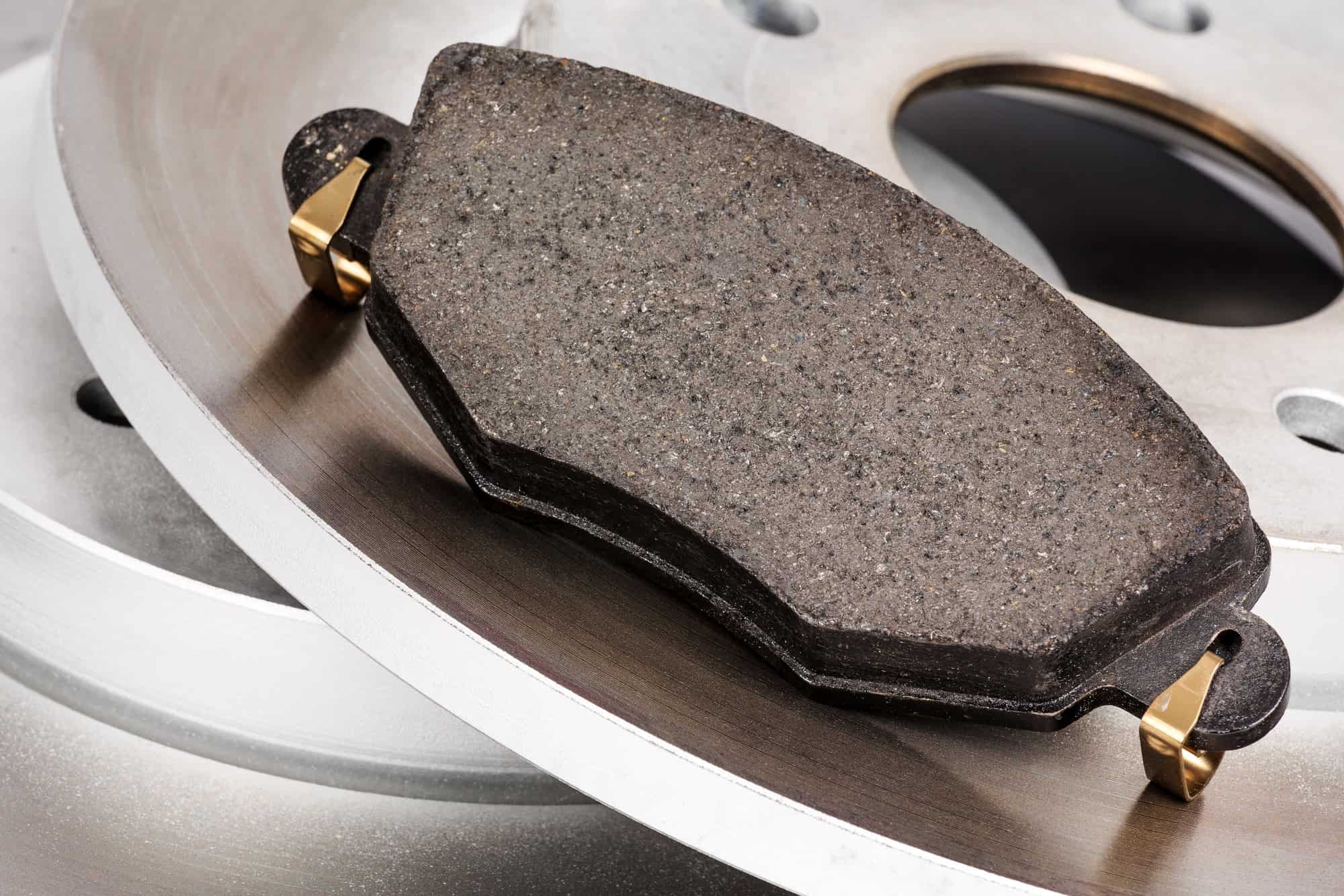
- Neglecting brakes until winter exposes the problem
Winter driving increases brake demand even at lower speeds. Slippery surfaces extend stopping distances, which encourages harder, longer braking events. If pads are thin, rotors are uneven, or brake fluid has absorbed moisture, winter is when you notice. Moisture in brake fluid lowers the boiling point and increases internal corrosion risk in the hydraulic system over time.
With antilock brakes, apply firm, continuous pressure. Pumping an antilock system works against the system’s design and can reduce control.
The fix is inspection plus correct technique.
• Inspect pad thickness, rotor condition, and brake lines during winter service
• If the pedal feels soft or travel increases, get it checked immediately
• On slick roads, brake earlier and smoother, let the system work
- Letting road salt build up under the car
Salt is not just ugly. It is a corrosion accelerator, especially in seams, fastener points, brake line runs, and subframe pockets. Over time, corrosion can perforate brake pipes, and NHTSA issued a safety advisory linking road salt exposure to brake pipe corrosion and failure risk, with recommendations to clean the undercarriage and monitor brake pipes for corrosion.
The risk is highest for vehicles that see repeated salted roads without frequent underside rinsing. Modern underbodies have a lot of mixed materials, shields, and clips, which create places where salty water sits and dries. The corrosion is slow and silent until a line leaks or a fastener snaps.
The fix is simple water, used often.
• Rinse the undercarriage during winter thaws or after salted road trips
• Pay attention to wheel wells, suspension arms, and brake line areas
• At service time, ask for a brake line and underbody corrosion check
- Idling for long warm ups instead of driving gently
Extended idling feels kind, yet it often delivers the worst of both worlds, slow warm up and unnecessary fuel use. The US Department of Energy Alternative Fuels Data Center notes that even on the coldest days, most manufacturers recommend avoiding long idling and driving off gently after about 30 seconds. Driving warms the engine and catalytic converter faster under light load, which reduces engine time in an inefficient cold state.
Long idling also increases condensation in the exhaust system, especially on short trips, and it can contribute to carbon build up in some direct injection engines over long periods. It will not automatically recharge a weak battery either. AAA notes idling does little to charge a battery compared with a longer drive.
Do this instead.
• Start the engine, wait about 30 seconds, then drive gently
• Keep revs low and throttle inputs smooth for the first few miles
• Use seat heaters and defrost wisely, then reduce load once clear
- Driving with a near empty fuel tank in winter
A low tank increases risk in two ways, moisture management and fuel pump cooling. Keep the fuel tank close to full whenever possible in winter travel planning, partly for resilience if delays strand you in cold conditions.
From a mechanical point of view, many in tank fuel pumps use surrounding fuel for cooling and lubrication. Running consistently low increases pump temperature and wear. Low fuel also increases the chance that condensation forms in the tank headspace, then gets pulled into the system, which can create drivability issues in deep cold.
The fix is boring and cheap, keep more fuel in the car.
• Aim for at least half a tank during cold snaps
• Top up before long motorway runs, storms, or rural drives
• If the car sits for long periods, avoid storing it nearly empty
- Revving a cold engine right after startup
Cold starts create the highest wear moments in normal driving. Oil is thicker, clearances are tighter, and lubrication films are still building. Valvoline notes that when you start from cold, oil is thick and takes time and heat to flow fully and lubricate all surfaces. That is the window where sudden high revs load bearings, rings, and valvetrain harder than needed.
High revs also increase blow by and fuel enrichment during warm up, which can add more fuel dilution to oil on repeated short trips. Turbocharged engines face added risk, turbo bearings rely on stable oil flow and pressure, and a cold blip can spike shaft speed before oil temperature stabilises.
The fix is calm inputs.
• Keep revs modest until coolant temperature climbs and oil warms
• Avoid hard acceleration, especially in the first five to ten minutes
• If you need heat fast, drive gently rather than free revving in place
- Treating icy roads like normal roads
Speed and following distance are habits that directly change component load. On slick surfaces, traction limits arrive earlier, so any braking, steering, or throttle input pushes tyres toward slip. Slip triggers antilock braking, traction control, and stability control intervention. Those systems are there for safety, yet frequent intervention means more brake cycling and more driveline stress than smooth winter driving.
Slow down, it is harder to control or stop on slick or snow covered surfaces, and increase following distance. That is safety advice, and it also reduces harsh braking and rapid steering corrections that damage tyres and suspension parts over time.
The fix is choosing a pace that keeps the car settled.
• Increase following distance early, before conditions force it
• Use gentle throttle and earlier braking to avoid system intervention
• If visibility or grip is poor, accept slower journey times
- Slamming the brakes instead of braking correctly
Panic braking is common in winter, and it is not always effective. With antilock brakes, the right move is firm, continuous pressure while steering where you want the car to go.
With older non antilock systems, a locked wheel can turn the car into a sled. Pumping can help in that specific setup, yet the larger point remains, abrupt braking tends to break traction first, then forces you into a correction. Corrections create extra tyre scrubbing and load spikes through suspension bushings.
The fix is practice and anticipation.
• Learn whether your car has antilock brakes
• Brake earlier and in a straight line, then ease off as you turn
• In safe conditions, practise a controlled stop to learn pedal feel
- Hitting potholes and speed bumps hard
Winter creates potholes through freeze thaw cycles and water intrusion. A hard impact can bend wheels, bruise tyre sidewalls, knock alignment out, and damage suspension components. AAA notes that maintaining correct tyre pressure reduces susceptibility to pothole damage, and it also advises checking alignment when impacts create pull or vibration symptoms.
The secondary damage often arrives later. A bent wheel can cause slow leaks or vibration. A shifted alignment accelerates inner edge tyre wear and increases steering effort. Damaged suspension bushings create clunks and imprecise handling, which then increases tyre scrub in corners.
The fix is impact management plus post hit checks.
• Slow down before rough patches, avoid swerving at the last moment
• After a hard hit, check tyre sidewalls for bulges and confirm pressures
• If you feel vibration, pull, or a new noise, get an alignment and wheel inspection
If you do nothing else this winter, get tyre pressures right, stop idling for ages, wash salt off the underbody, and stop treating cold starts like a drag race. Your car will not write you a thank you note, yet it will break less often, which is the closest a machine gets to gratitude.

Leave a Comment
More in News
DfT Floats Random Breath Tests and a Cut to the 80mg Drink Drive Limit

She Took A 90s BMW Through 18 Countries. Then A Commenter Told Her Never To Leave The Motorway In Slovakia

Do Starter Motors Fail Suddenly? Usually Not, and the Warning Gets Missed

What a Speed Awareness Course Actually Costs (and Who Gets Offered One)
What Makes a Number Plate Illegal in the UK (and the £1,000 Fine)
Trending on Motoring Chronicle
Why Semi-Trucks Can Now Drive 80 mph on Idaho’s Interstates

The Pay Per Mile Tax Could Cost The Economy £4.8 Billion
RAC Warns of Britain’s Busiest Getaway Weekend in Four Years

Why Does My Car AC Smell?