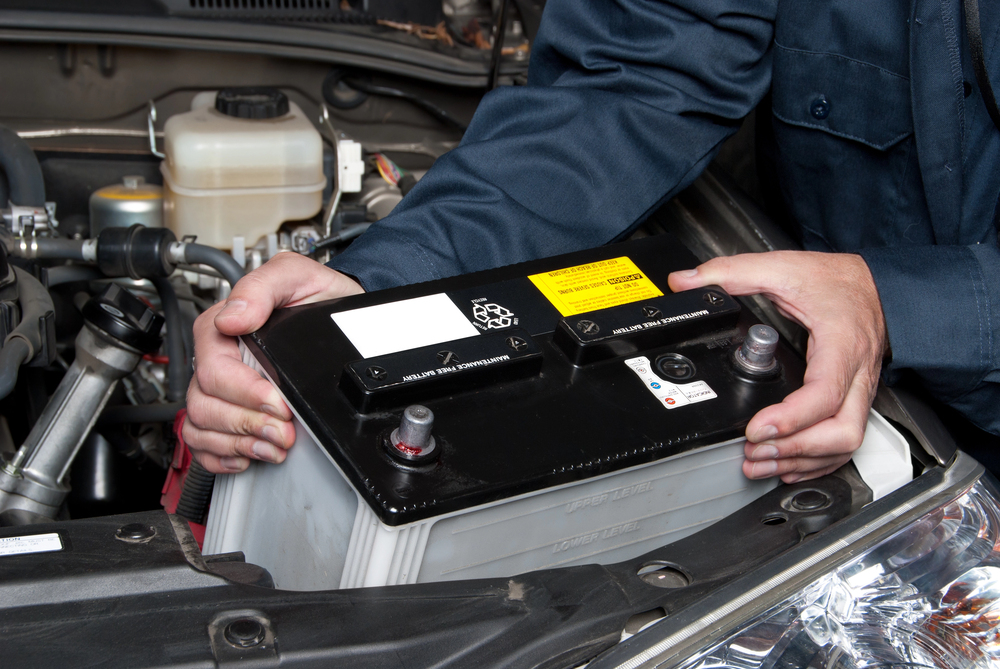
Why Tesla Is Giving Away Free Tires to Fix a Dangerous Cybertruck Wobble


Tesla has confirmed that a foam insert bonded inside Cybertruck tires can separate from the rubber, producing a violent shake at highway speed that owners describe as a full-body wobble through the steering wheel and seat. The automaker has told service centers to swap the tires for free, even on trucks that already have thousands of miles on them, as long as at least half the tread remains.
The fix is not the result of a formal government recall. It surfaced through a Tesla service bulletin, an internal repair instruction that dealers and service centers use once an automaker has identified a widespread defect but has not opened a National Highway Traffic Safety Administration recall campaign for it. Owners who have taken their trucks in describe walking out with four new tires and no bill.
What is actually failing inside the tire
Cybertruck tires, like many tires on quiet, heavy electric vehicles, include a foam insert glued to the inside of the tread. The foam absorbs road noise that would otherwise carry through the cabin, a common feature on EVs where an electric motor produces none of the engine noise that would normally mask it. When the adhesive holding that foam gives way, the loose section shifts inside the tire as it rotates, throwing the wheel and tire assembly out of balance in a way a standard rotation or alignment cannot fix.
One owner, Braden Powell, described the moment he realized something was seriously wrong. He told Tesla service technicians the truck had started shaking at around 80 mph and initially assumed it needed a routine rotation and alignment. A service advisor instead told him the noise-dampening foam inside the tires had come loose. With roughly 20,000 miles on the odometer and about half the tread still left, Tesla replaced all four tires under warranty at no cost.
“I assume many of you know this, but I just took my truck to Tesla because it was shaking at around 80mph,” Powell wrote in a post to the Cybertruck Owners Only group on Facebook, describing his visit. He said the advisor confirmed a service bulletin covers the issue: any Cybertruck with 50 percent or more tread remaining that shows similar highway-speed instability qualifies for a tire swap under warranty. “I walked out with four brand-new tires for free,” he wrote. “I couldn’t believe it.”
Other owners reported the same experience after Powell’s post circulated. Matthew Mares said the identical problem hit his truck at around 12,000 miles. “All parts were replaced under warranty, and the shaking stopped immediately with the new tires,” he wrote. Several more owners in the same group confirmed getting free replacements once they described highway-speed wobble to a service advisor.
Why this is not a recall, and what that means for owners
A NHTSA recall requires an automaker to notify every registered owner of an affected vehicle by mail, file public documentation describing the defect, and track a repair completion rate over time. A service bulletin carries none of those obligations. It functions as guidance for technicians, not a notice to consumers, so an owner experiencing the wobble has to raise it proactively rather than wait for a letter in the mail.
That distinction counts for a real reason: tire tread condition determines whether the fix is free. Tesla’s threshold of at least 50 percent tread life remaining means an owner who waits too long to get the truck inspected risks being told the tires have worn past the point where Tesla will cover them. Several Cybertruck owners dealing with the same instability reported being asked to pay out of pocket after Tesla determined their tread depth no longer qualified.
The Cybertruck has already built a notable recall record after its 2023 launch. A 2026 campaign covered wheel stud separation on trucks fitted with the base 18-inch steel wheel, where early warning signs included vibration or unusual noise, the same symptoms drivers now report with the tire foam issue. A separate, larger recall covered a tire pressure monitoring system that failed to keep its warning light illuminated between drives on Cybertrucks, Model 3 sedans, and Model Y SUVs. Vehicle safety researchers who track the Cybertruck’s complaint history count eleven recalls, four federal investigations, and well over a hundred individual complaints filed with NHTSA after the truck went on sale, a high number for a vehicle on the road for a relatively short time.
Tesla has not said publicly how many Cybertrucks are affected by the tire foam separation, and without a formal recall filing there is no public count for regulators or owners to reference. That leaves word-of-mouth among owners, largely spreading through online forums and social media groups, as the main way drivers learn the free-replacement bulletin exists at all.
Foam-insert tires are not unique to the Cybertruck. Automakers have added the noise-dampening layer to a growing list of quiet electric models over the past several years. A smooth-running electric motor exposes tire and road noise that a gas engine used to mask, and the foam insert is the industry’s answer to that problem. That makes the adhesive failure a design risk worth watching beyond Tesla’s lineup. Any EV built with the same foam-insert tire technology could theoretically develop the same separation problem as the tires age and rack up miles on the highway.
What to do if your Cybertruck is shaking at highway speed
Owners noticing a shake, vibration, or wobble that intensifies at highway speed, especially anywhere from 65 to 80 mph, should schedule a service appointment and describe the symptom specifically rather than requesting a routine rotation and alignment. The foam separation is an internal defect invisible from outside the tire, so a standard alignment check will not catch it, and a technician who is not looking for the specific bulletin could misread the shake as a balance or suspension issue.
Owners should ask the service advisor directly whether the shaking matches the known tire foam separation bulletin and request that tread depth get measured immediately, that measurement determines eligibility for a free replacement. Writing down the date the vibration started, along with the mileage at that time, can help establish that the truck qualified before any additional wear reduced the tread below the 50 percent threshold.
Owners who get told they do not qualify for a free replacement, whether from a local service center unaware of the bulletin or tread that has worn too far, have the option of requesting a second inspection or reaching Tesla directly through the app to escalate the case. Several owners in online forums say that step got the bulletin applied after an initial denial. Anyone driving on tires showing a pronounced wobble at speed should treat the vehicle as unsafe for highway travel until it has been inspected, a severe imbalance at speed can accelerate wear on suspension components beyond the tires themselves.
Owners can also check whether their VIN shows any open recall campaigns unrelated to the tire issue by searching NHTSA’s recall lookup tool at nhtsa.gov/recalls, as the Cybertruck’s history includes several other active campaigns covering everything from wheel hardware to tire pressure monitoring. Combining that check with a direct conversation about the tire foam bulletin gives an owner the clearest sense of what a service visit should cover.
Sources:
- Torque News, “Tesla Is Addressing Severe Cybertruck Wobble Caused by Tire Foam Separation,” July 29, 2026
- Fox Business, “Tesla recalls Cybertrucks over fears wheels could fall off while driving”

Leave a Comment
More in News

Why a Grinding Noise From Your Wheel Could Cost You £250 and Fail Your MOT
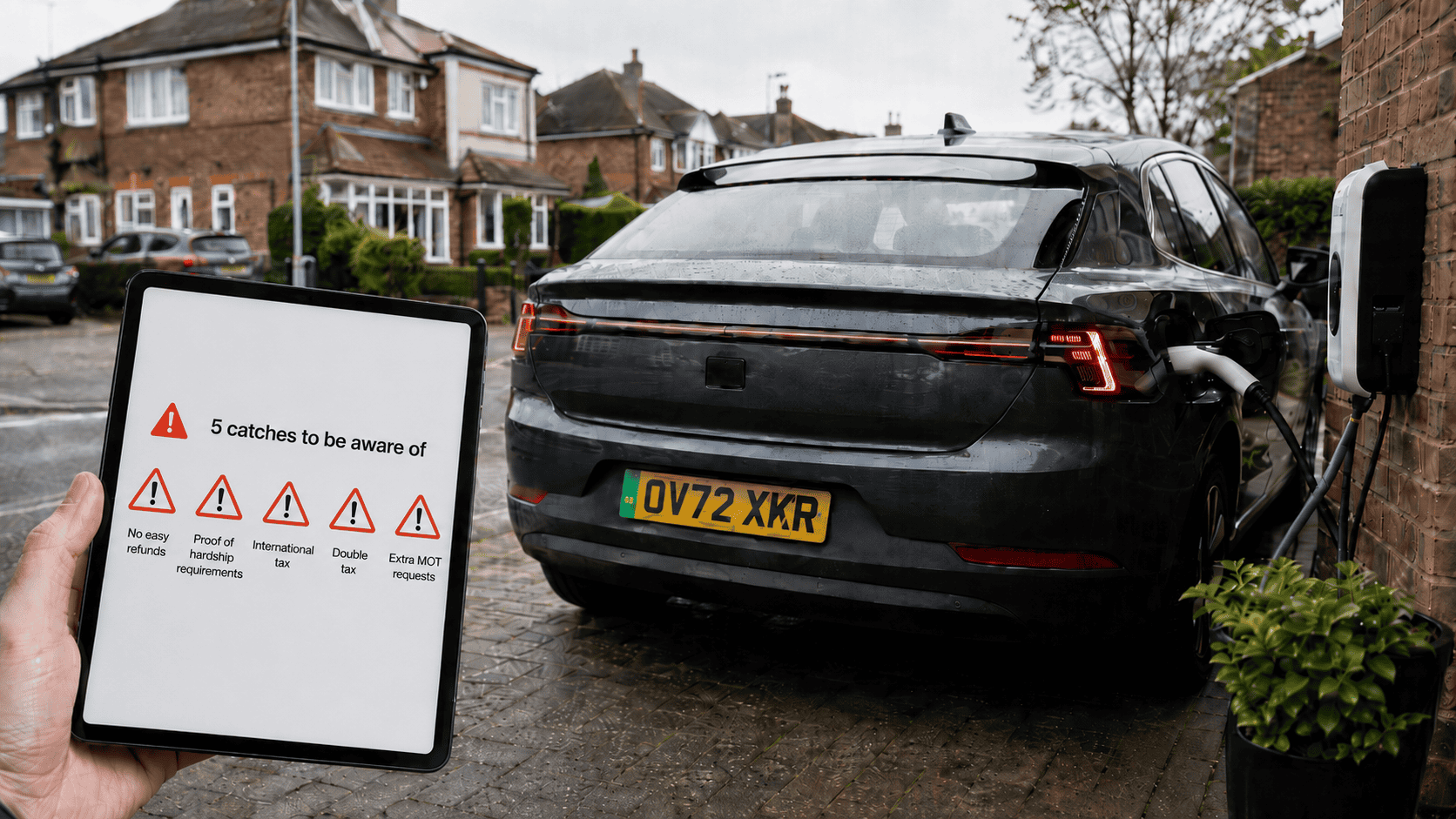
What a £10 Per Kilogram Car Tax Could Cost Drivers if Treasury Adopts It
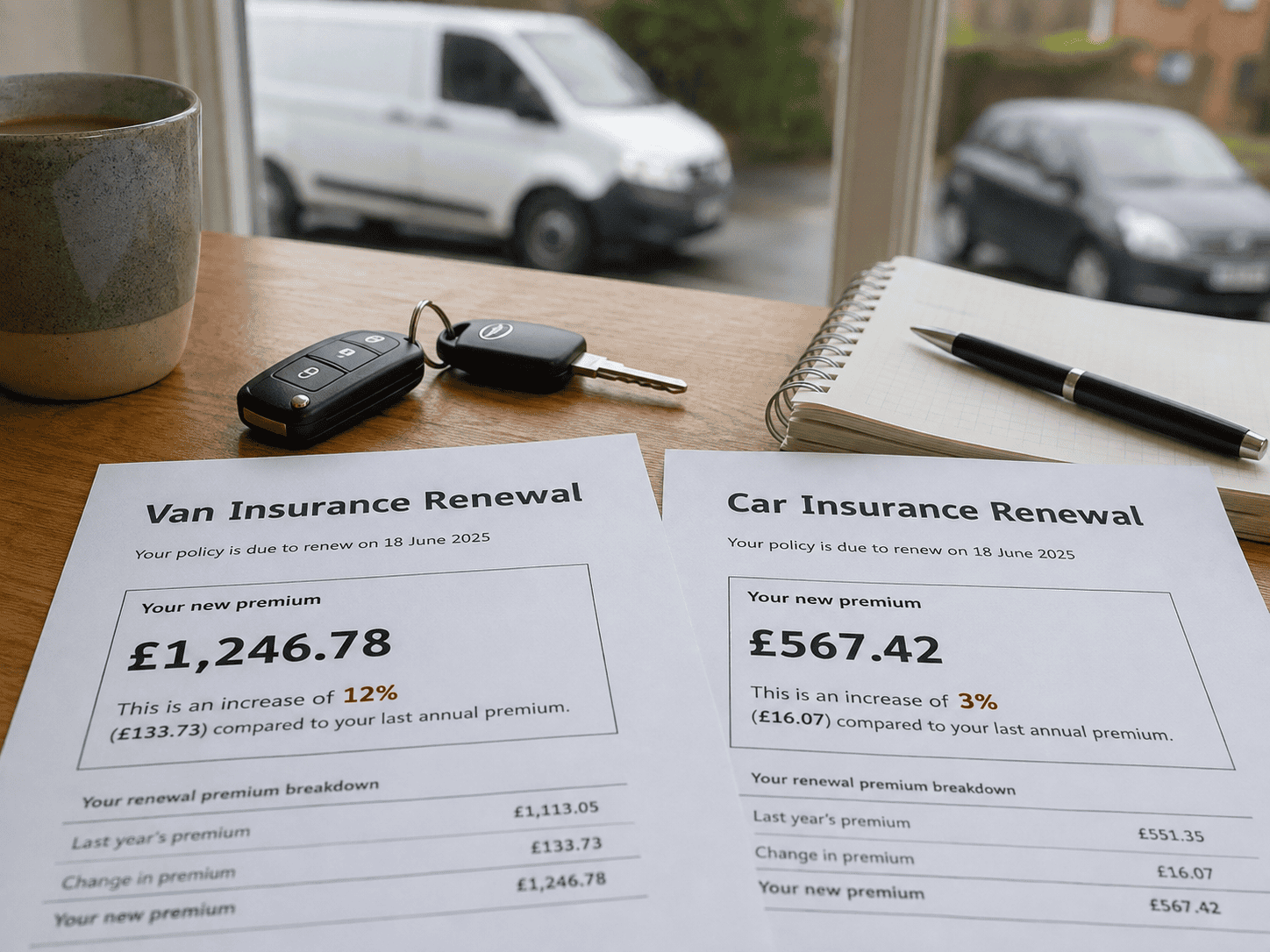
What the Frozen £40,000 Car Tax Threshold Means for Almost a Million UK Drivers
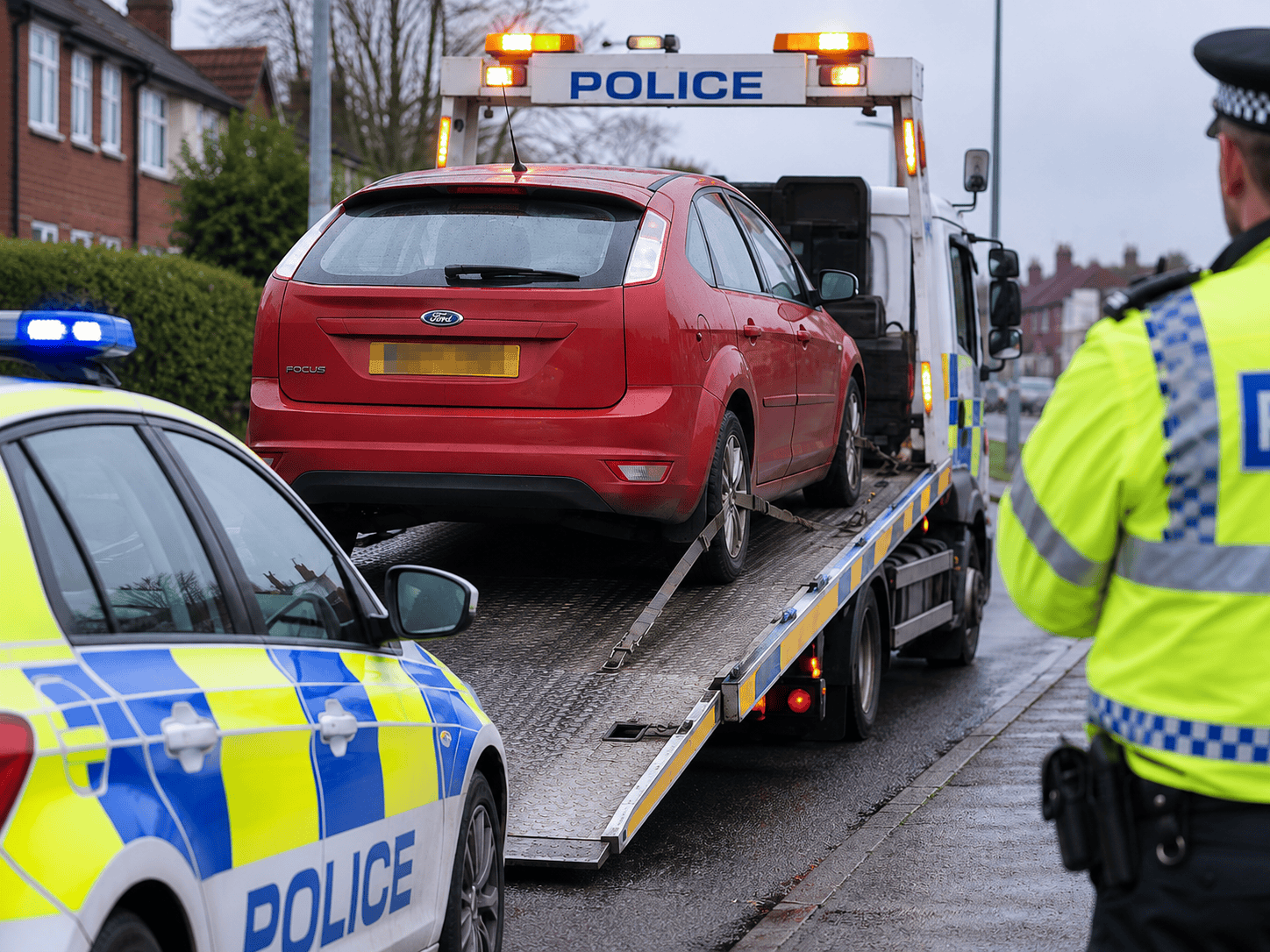
DfT Asks Whether Fake Number Plates and Untaxed Cars Should Mean Points and Seizure

Every Driver Faces Higher Crash Risk After Clocks Go Back as AA Claims Jump 8%
Trending on Motoring Chronicle
Six Million Illegal Tyres Are on UK Roads and Each One Risks a £2,500 Fine
Every Electric Car Driver Without a Driveway Pays 20 Percent Tax From October 1
Why Fake QR Code Parking Scams Have Soared 1,300 Per Cent in Three Years

Britain’s Best Selling EV Costs £21,495 And Just Got One Pedal Driving As Standard