
What the Ban on ‘Self-Driving’ Car Adverts Means for UK Buyers


Car adverts calling a vehicle “self-driving” or “autonomous” will soon mean something specific in law, not just a marketing flourish. The government confirmed new rules in the House of Commons that reserve those words exclusively for vehicles that have been formally authorised to drive themselves, with breaches carrying a fine, a prison term of up to two years, or both.
What was announced
Roads and Buses Minister Simon Lightwood set out the government’s response to its “protecting marketing terms” consultation, alongside a new statutory instrument called the Automated Vehicles (Marketing Restrictions) Regulations 2026. The consultation had run for several months and, according to the minister, found broad support for protecting certain words so they can only be used to describe vehicles that are legally allowed to drive themselves.
The protected terms cover a specific list: automated, automated driving, autonomous, autonomous driving, drive autonomously, drive itself, driverless and self-driving. From now on, a manufacturer or dealer cannot legally use any of those words to describe a car that has not gone through the government’s authorisation process, regardless of how advanced its driver assistance features are.
Why the government is stepping in
The restrictions sit inside the Automated Vehicles Act 2024, which set out the legal framework for how self-driving cars can be tested and eventually sold in the UK. Mr Lightwood told MPs the rules exist to stop drivers being misled into thinking a car can safely and lawfully drive itself when it has not been through the authorisation process that checks whether a vehicle can actually do that without a human controlling or monitoring it.
He said the authorisation process “would be undermined if businesses are able to claim that their vehicles are self-driving without getting the vehicles authorised”, warning that loose marketing language could lead to confusion about what a car can actually do and where responsibility sits if something goes wrong. Many cars already on sale offer advanced driver assistance features, such as lane centring and adaptive cruise control, that can feel close to self-driving in everyday use but still legally require the driver to stay in control at all times. The new rules are designed to stop that grey area being exploited in advertising.
The government also flagged newer terms such as “robotaxi” and “AI driver” that were not explicitly listed but which some consultation responses suggested should also be regulated. Ministers confirmed these would fall under a general confusion offence rather than the specific protected word list, and said they would keep the wider law under review as new marketing language emerges, with the option to add further protected terms in future.
How the rules will be enforced
Enforcement sits with the Department for Transport’s agencies, using civil powers under Schedule 5 of the Automated Vehicles Act, with the Transport Secretary responsible for market offences under the Act. Where a breach is serious enough to result in a criminal prosecution and conviction, the law sets a maximum penalty of a two year prison term, a fine, or both, putting misleading self-driving claims in a similar bracket to other serious consumer protection offences rather than treating it as a minor advertising slip.
The minister said the government would also look at a wider programme of education and research following interest from consultation respondents, suggesting enforcement will sit alongside efforts to help both the public and the motor trade understand exactly what the new terms mean in practice.
The marketing restrictions arrive alongside other parts of the Automated Vehicles Act 2024 that are being brought into force in stages. The Automated Vehicles (Permits for Automated Passenger Services) Regulations 2026 came into effect on 15 May 2026, setting out how companies can apply for permits to run automated passenger services such as self-driving taxis or shuttle buses. Read together, the two sets of regulations show ministers building the legal plumbing for self-driving vehicles piece by piece, covering both how the vehicles can operate and how they can be described to the public.
What counts as an authorised vehicle
Under the Automated Vehicles Act, a vehicle only counts as self-driving in the legal sense once it has been through a formal authorisation process that assesses whether it can operate safely and legally without a human controlling or monitoring it. Very few vehicles on UK roads currently meet that bar. Waymo has already started trials of self-driving vehicles in London, and the wider rollout of self-driving vehicles is expected to continue in the coming months as more companies bring trial vehicles onto UK roads, but for the vast majority of cars sold today, driver assistance technology stops well short of the legal definition of self-driving.
That distinction is worth knowing for anyone shopping for a new car with advanced tech features. A vehicle marketed with driver assistance systems that keep it centred in a lane, manage speed automatically or park without hands on the wheel is not the same as an authorised self-driving vehicle, and under the new rules, sellers are no longer allowed to blur that line by borrowing the language reserved for cars that have actually cleared the authorisation bar.
What buyers should check
Anyone considering a car marketed with advanced driving technology should ask a dealer directly whether the vehicle has been through the government’s automated vehicle authorisation process, rather than relying on adverts or badge names alone. If a car is described using any of the eight protected terms without having gone through that process, buyers can raise the issue with Trading Standards or report it to the Department for Transport. The new regulations give enforcement bodies clear grounds to act.
Drivers should also remember that even the most capable driver assistance systems on sale today still require the driver to remain responsible for the vehicle at all times, regardless of what marketing material might imply. Insurance and liability in the event of a crash currently rests with the driver unless a vehicle has been formally authorised as self-driving, so understanding exactly what a car is and is not legally permitted to do remains essential before relying on any assisted driving feature on the road.
Confusion over these terms is not a small problem. Surveys carried out ahead of the Automated Vehicles Act repeatedly found that a large share of UK drivers overestimated what their current cars can do, with some believing that systems designed only to assist a driver could be trusted to handle motorway driving without supervision. Cases in other countries where drivers have relied too heavily on assisted driving systems, sometimes with fatal results, have strengthened calls for clearer labelling in the UK market.
Motor industry bodies have broadly backed the change, arguing that consistent language protects responsible manufacturers as much as it protects drivers, as a single misleading advert can damage trust in driver assistance technology across the whole market. With the regulations now confirmed, the coming months should show whether car makers adjust their UK marketing materials quickly or whether the Department for Transport needs to use its new enforcement powers early to make the point.
Trading Standards officers already handle a wide range of misleading advertising complaints, and the addition of a specific, defined list of protected terms should make their job easier when a self-driving marketing claim is challenged. Rather than arguing over what a vague phrase implies, officers can now check whether a vehicle has actually completed the government’s authorisation process, giving both regulators and consumers a much clearer line to work from than existed before this week’s announcement.
For most drivers browsing showrooms this summer, the practical takeaway is simple: any car described using one of the eight protected terms should have gone through a formal authorisation process, and buyers who are unsure can just ask the dealer to confirm this before signing anything. Driver assistance technology is advancing quickly, and that one question could prevent a costly misunderstanding about what a car can and cannot be trusted to do on the road.
Sources:

Leave a Comment
More in News
Teenage Drivers in London Now Pay £2,928 for Car Insurance, Quotezone Reveals

What Your Tyre Pressure Warning Light Actually Means (and How to Reset It)
How to Fix a Windscreen Chip Before It Fails Your MOT

Millions of Older Drivers Could Now Pay Doctors £62.50 for a DVLA Medical Letter
What Every UK Driver Needs to Know Now the Digital Driving Licence Is Live
Trending on Motoring Chronicle

Race to the road: Introducing the Porsche 963 RSP [Photo Gallery]
How Britain’s Heatwaves Are Silently Damaging Your Tyres and What to Check Before Any August Drive
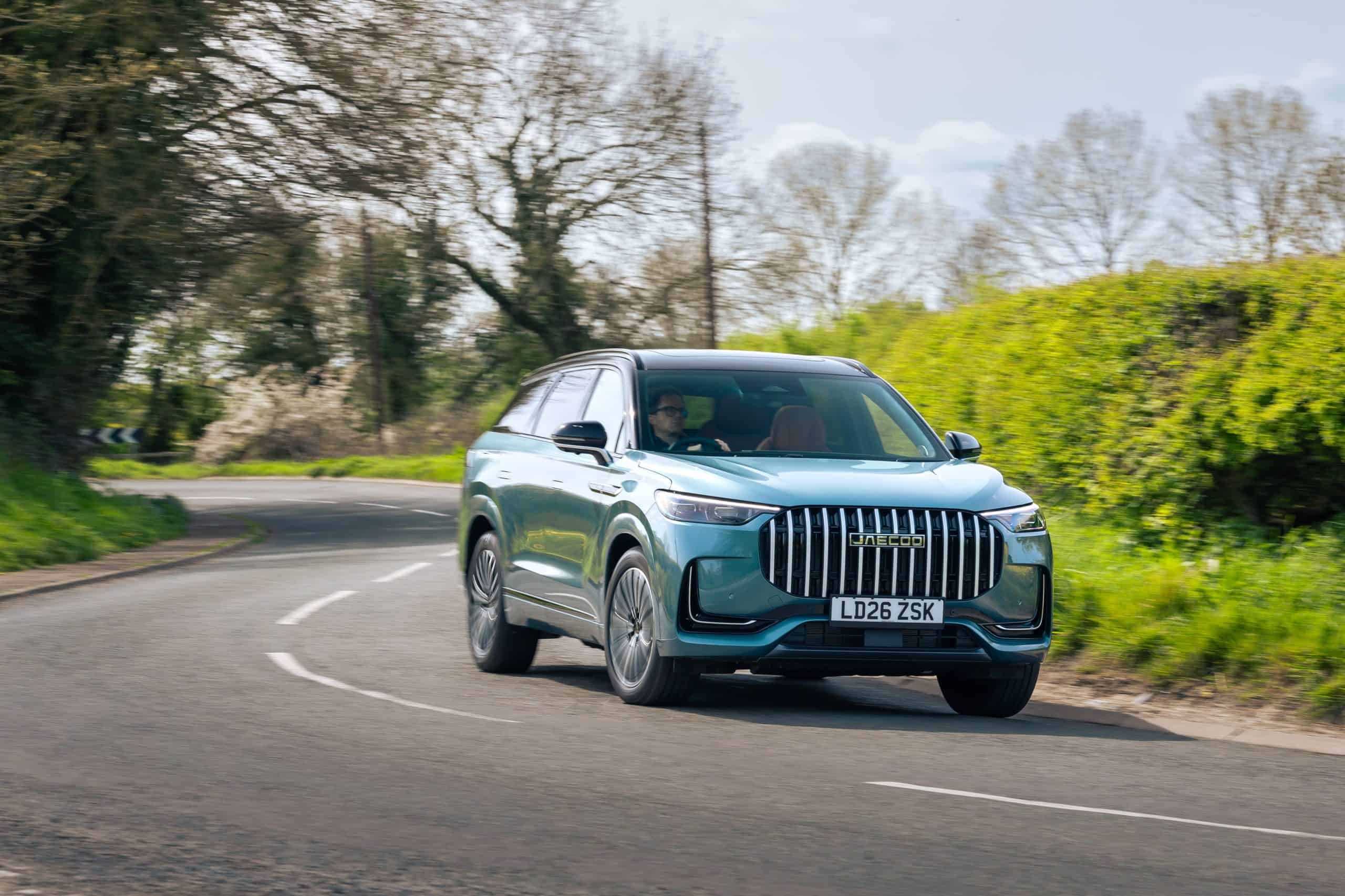
A Chinese Car Group Most UK Drivers Have Never Heard Of Now Sells Nearly 1 In 15 New Cars On British Roads

5 Ways To Maintain and Care For Your Car the Right Way
