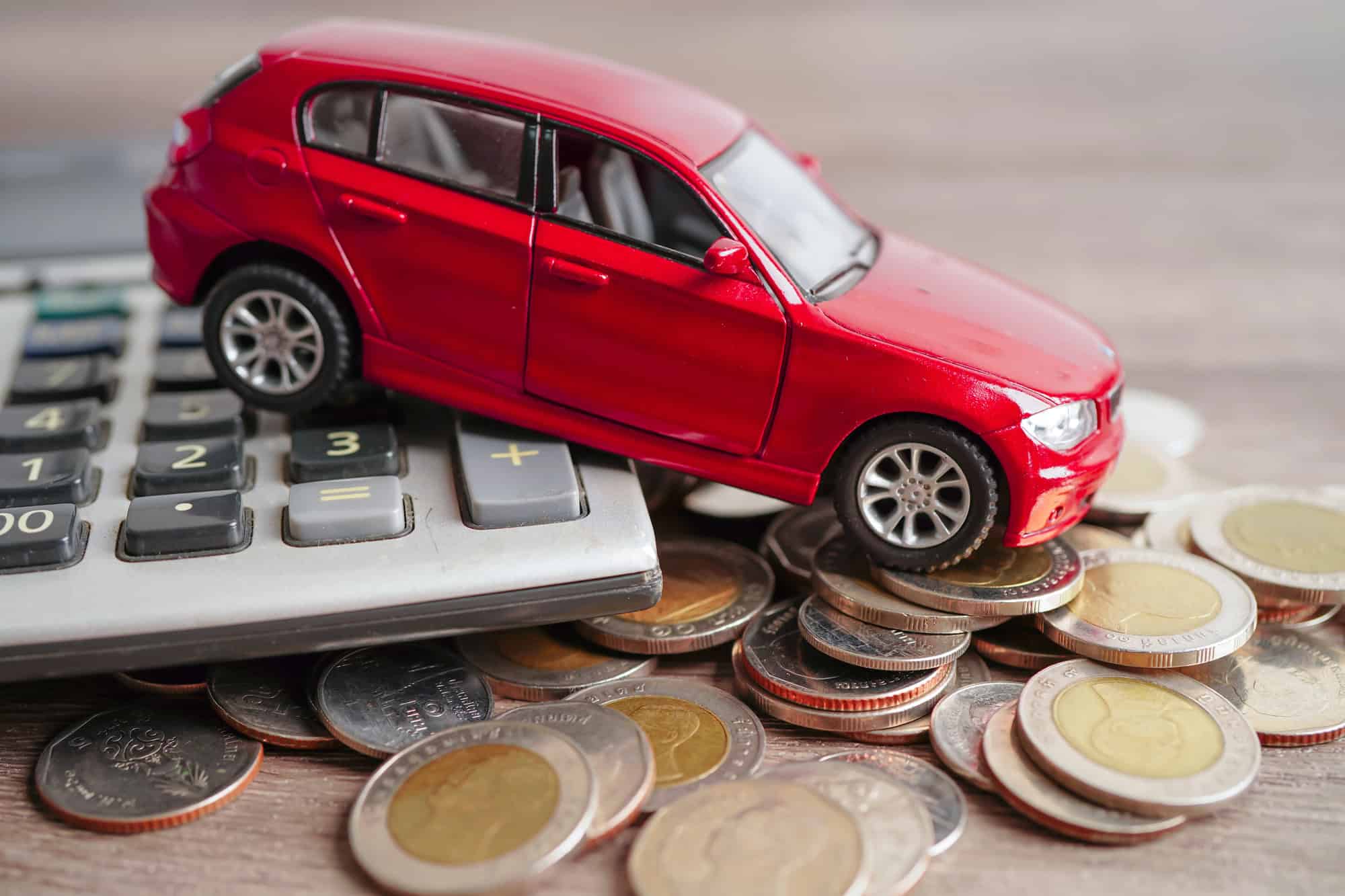
Rachel Reeves’ Car Tax Changes Mean Millions Of Drivers Will Pay More From April


The annual car tax adjustment has arrived again, and this time the numbers are harder to ignore. Chancellor Rachel Reeves confirmed Vehicle Excise Duty increases that took effect from 1 April 2026, and for millions of drivers across the UK, the bill has climbed sharply. First-year rates on new cars have roughly doubled across most bands. Electric car owners are now paying the full standard rate for the first time. And the Expensive Car Supplement has risen again, with a wider net for high-value vehicles.
Here is what every driver in the UK needs to know about VED in the 2026/27 tax year, broken down by when your car was registered, what it emits, and what it cost.
The Standard Rate And Why It Catches People Out
Most drivers who registered their car after 1 April 2017 pay what is known as the standard rate from the second year of ownership onwards. That figure now sits at £200 per year, up from £195 in the previous tax year. It applies to petrol, diesel, hybrid, and now electric vehicles alike, which means the vast majority of cars on UK roads registered in the last nine years are covered by this single flat charge.
The trap for many drivers is assuming their car tax stays at whatever they paid in the first year. It does not. The first-year rate is based on your car’s CO2 emissions, and it can be significantly higher or lower than £200. But from year two onwards, almost everyone converges on that same standard rate regardless of how clean or dirty their vehicle is. The only variation comes if your car triggered the Expensive Car Supplement at the point of registration, which adds a further annual charge on top.
First-Year Rates For Cars Registered After April 2017
The first-year rate is where the Treasury makes its clearest environmental statement, and where the biggest bills land. Cars are sorted into bands from A through M based on their official CO2 emissions figure, measured in grams per kilometre. And for 2026/27, these rates have risen dramatically compared to the previous year.
At the cleanest end, Band A covers cars producing zero emissions. These pay just £10 in their first year, unchanged from last year. Band B, covering vehicles emitting between 1 and 50 grams per kilometre, which includes most plug-in hybrids, has jumped from £10 to £115. Band C, for cars producing 51 to 75 grams, has risen from £30 to £135.
From there, the increases become even steeper. Band D, covering 76 to 90 grams, has more than doubled from £135 to £280. Band E, for 91 to 100 grams, has gone from £175 to £365. Band F sits at £405 for cars emitting 101 to 110 grams, up from £195. And Band G charges £455 for the 111 to 130 grams bracket, up from £220.
Band H, covering 131 to 150 grams, now costs £560, more than double last year’s £270. Above 150 grams is where the charges become truly punishing. Band I, for cars emitting 151 to 170 grams, has jumped from £680 to £1,410. Band J takes another significant leap to £2,270 for vehicles in the 171 to 190 grams range, up from £1,095. Band K charges £3,420 for 191 to 225 grams, more than double the previous £1,650. Band L reaches £4,850 for 226 to 255 grams, up from £2,440. And the highest bracket, Band M, applies to anything over 255 grams per kilometre at £5,690.
These are not gentle inflationary adjustments. Across most of the table, first-year rates have roughly doubled. A buyer choosing a family SUV in Band H is now paying £560 before the car has covered a single mile, and anyone looking at a performance vehicle in Band K or above is facing a four-figure bill just to register it.
Cars Registered Between March 2001 And March 2017
Drivers whose cars were registered during this window operate under a different system entirely. Rather than a flat standard rate from year two, they continue to pay a band-based amount for the entire life of the vehicle. This means the gap between a low-emission car and a high-emission car from this era remains significant year after year, and those rates have also risen for 2026/27.
Band A vehicles, those producing up to 100 grams per kilometre, now pay £20 annually. This is particularly noteworthy because these cars previously qualified for a £0 rate, meaning some drivers who have never paid a penny in car tax will now receive a bill for the first time. Band B, covering 101 to 110 grams, is also £20. Band C, for 111 to 120 grams, costs £35.
From Band D onwards the costs climb more noticeably. Band D charges £170 for 121 to 130 grams, Band E is £200 for 131 to 140 grams, and Band F costs £225 for 141 to 150 grams. In the middle of the range, Band G covers 151 to 165 grams at £275 per year, and Band H charges £325 for 166 to 175 grams.
At the upper end, Band I covers 176 to 185 grams at £360 annually, Band J charges £410 for 186 to 200 grams, and Band K sits at £445 for 201 to 225 grams. Band L charges £760 for 226 to 255 grams, and Band M applies to anything over 255 grams at £790 per year. For drivers of older performance cars, large SUVs, or diesel vehicles from this era, that annual charge is a permanent fixture that will never reduce regardless of how long they keep the car.
The Electric Car Tax Change That Hits Hardest This Year
When electric vehicles first entered the VED system in April 2025, the sting was softened. EV owners paid £10 in their first year and then a discounted standard rate, keeping them well below what petrol and diesel drivers paid. That cushion has now gone.
From April 2026, electric cars still pay £10 in their first year of registration, but from year two onwards they move to the full standard rate of £200, exactly the same as every petrol, diesel, and hybrid vehicle on the road. For the millions of EV owners who bought their cars partly on the promise of lower running costs, this represents a significant shift in the financial equation.
The move also marks the first full financial year in which all EV owners pay road tax. Those who registered their electric cars before April 2025 and previously paid nothing are now in the system. The principle that zero-emission vehicles deserve zero tax has been abandoned entirely, and there is nothing preventing future Chancellors from going further. Industry analysts widely expect VED on electric cars to continue rising as the proportion of EVs on UK roads grows and the Treasury looks to replace the billions it is losing in fuel duty revenue.
The Expensive Car Supplement And The New Thresholds
Any car with a list price exceeding a set threshold at the point of first registration attracts the Expensive Car Supplement, an additional charge on top of the standard rate, payable for five years from the second year of ownership. That supplement has risen to £440 per year for 2026/27, up from £425.
For petrol, diesel, and hybrid vehicles, the threshold remains at £40,000. Cross that line by even a pound at the point of registration and you will pay an extra £440 annually for five years, adding £2,200 to your total VED bill on top of whatever your standard rate comes to.
For electric vehicles, however, the threshold has been raised to £50,000 from April 2026. The government’s reasoning is that EVs typically carry a higher purchase price than equivalent combustion models, and applying the same £40,000 threshold would penalise drivers for choosing the cleaner option. In practical terms, this means a driver buying a petrol SUV at £42,000 will pay the supplement, while a driver buying an electric SUV at £48,000 will not. But an EV buyer spending £55,000 will pay the full £440 annually for five years. For anyone shopping at the upper end of the electric market, that £50,000 line is worth keeping firmly in mind when choosing between trim levels and optional extras.
How To Check Your Car’s VED Band
If you are unsure which band your car falls into, the quickest method is to check your V5C registration document, which lists your vehicle’s CO2 emissions figure. You can also enter your registration number on the government’s free vehicle enquiry service at GOV.UK, which will show your current VED rate and when it is due.
For drivers considering a new purchase, the emissions figure will be listed in the car’s specification sheet and is usually available on the manufacturer’s website. Bear in mind that official figures are measured under the WLTP testing regime, and your real-world emissions may differ, but it is the WLTP figure that determines your VED band.
What This Means For Your Annual Bill
For the majority of drivers on UK roads, the April 2026 changes mean an unavoidable increase. The rise in the standard rate to £200 affects millions of post-2017 car owners. The doubling of first-year rates across most bands will hit anyone buying a new car this year. And the end of the discounted EV rate means electric car ownership no longer carries the tax advantage it once did.
VED increases have been one of the few confirmed legislative changes amid a raft of proposals still under consultation. The direction of travel is clear. Every driver in the UK is paying more; the framework is designed to ensure that continues, and checking your band, understanding when the Expensive Car Supplement applies, and factoring VED into any purchase decision is no longer optional. It is part of the cost of driving.
Sources
Vehicle Tax Rate Tables (GOV.UK) Check Vehicle Tax Rates by Registration (GOV.UK) V149 Rates of Vehicle Tax from April 2026 (DVLA) UK Car Tax 2026: New VED Rates, Rules and Changes (Car Analytics) UK Car Tax Rates 2026/27 Explained (Honest John)

Leave a Comment
More in News

How to Remove Moisture From Inside Your Headlight Before It Costs You £500
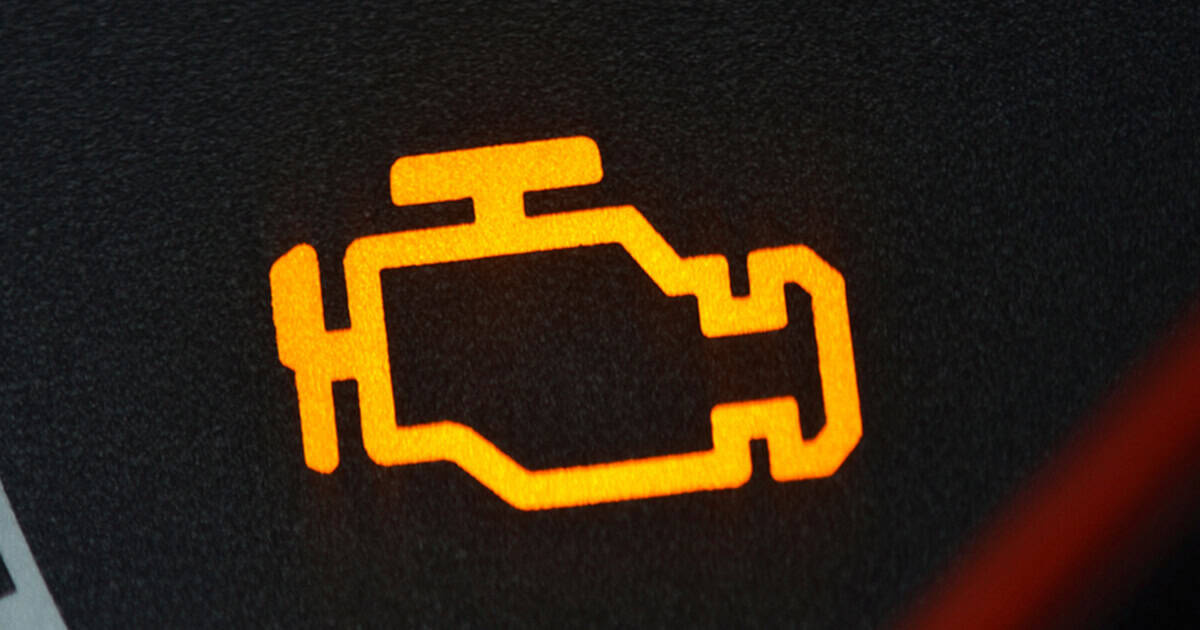
What Red and Amber Warning Lights Actually Mean (and Which Fail an MOT)

How to De-Ice Your Windscreen Fast Without Cracking It (and Staying Legal)

New Cars Face Euro 7 Rules From 29 November With a £264 Price Rise
What the Traffic Penalty Tribunal’s 33 Percent Success Rate Means for Every Driver
Trending on Motoring Chronicle
Why Good Used Cars Are About to Get Harder to Find and More Expensive

Why Your Steering Wheel Vibrates at Highway Speeds

2027 Subaru Forester Holds $29,995 Starting Price, Adds Wilderness Hybrid

BYD showcases groundbreaking technologies with multiple global debuts at Auto Shanghai 2025 [Photo Gallery]