RAC Data Shows 5.6 Million Drivers Will Hit the Roads This Half Term Weekend
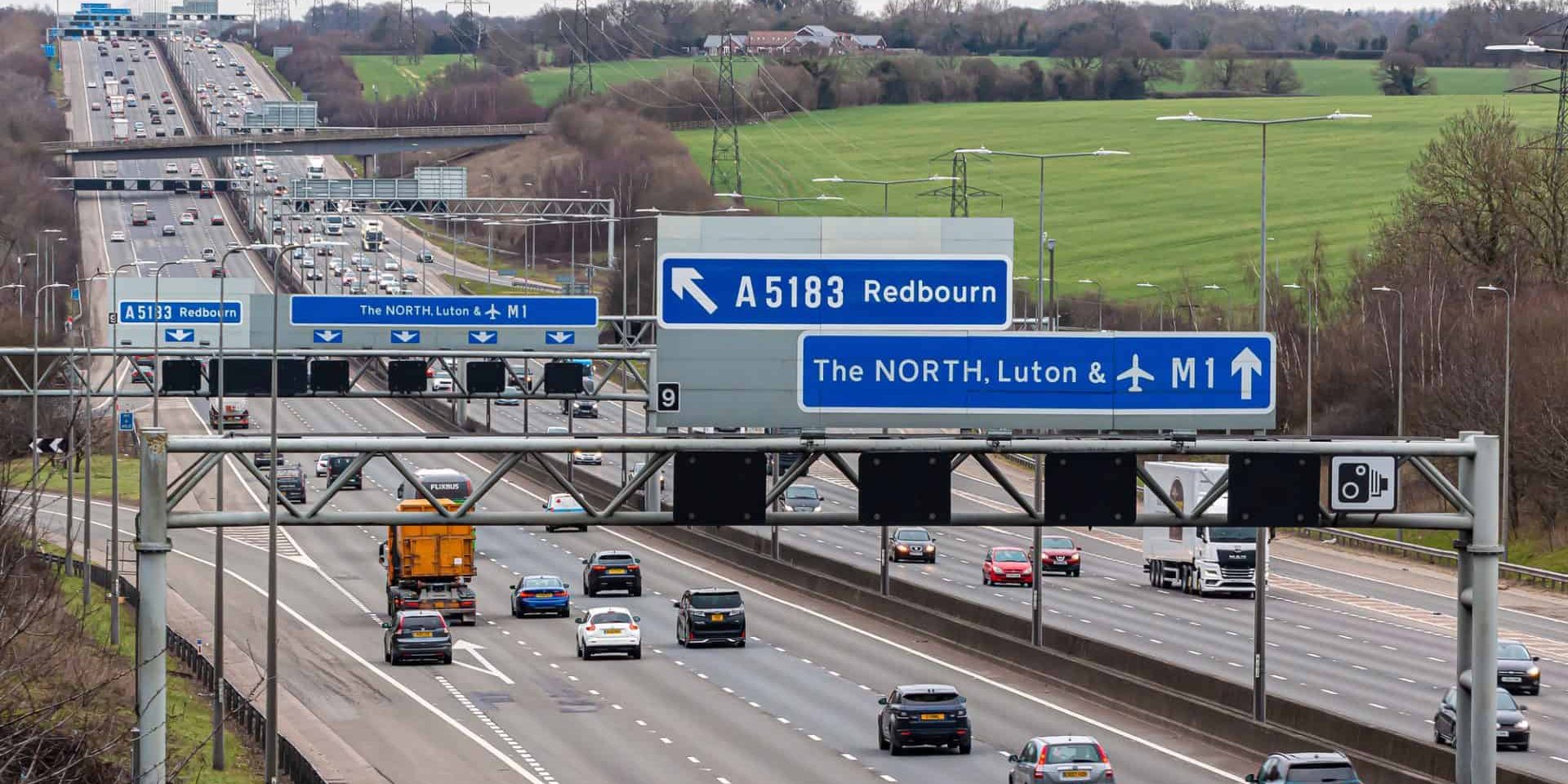
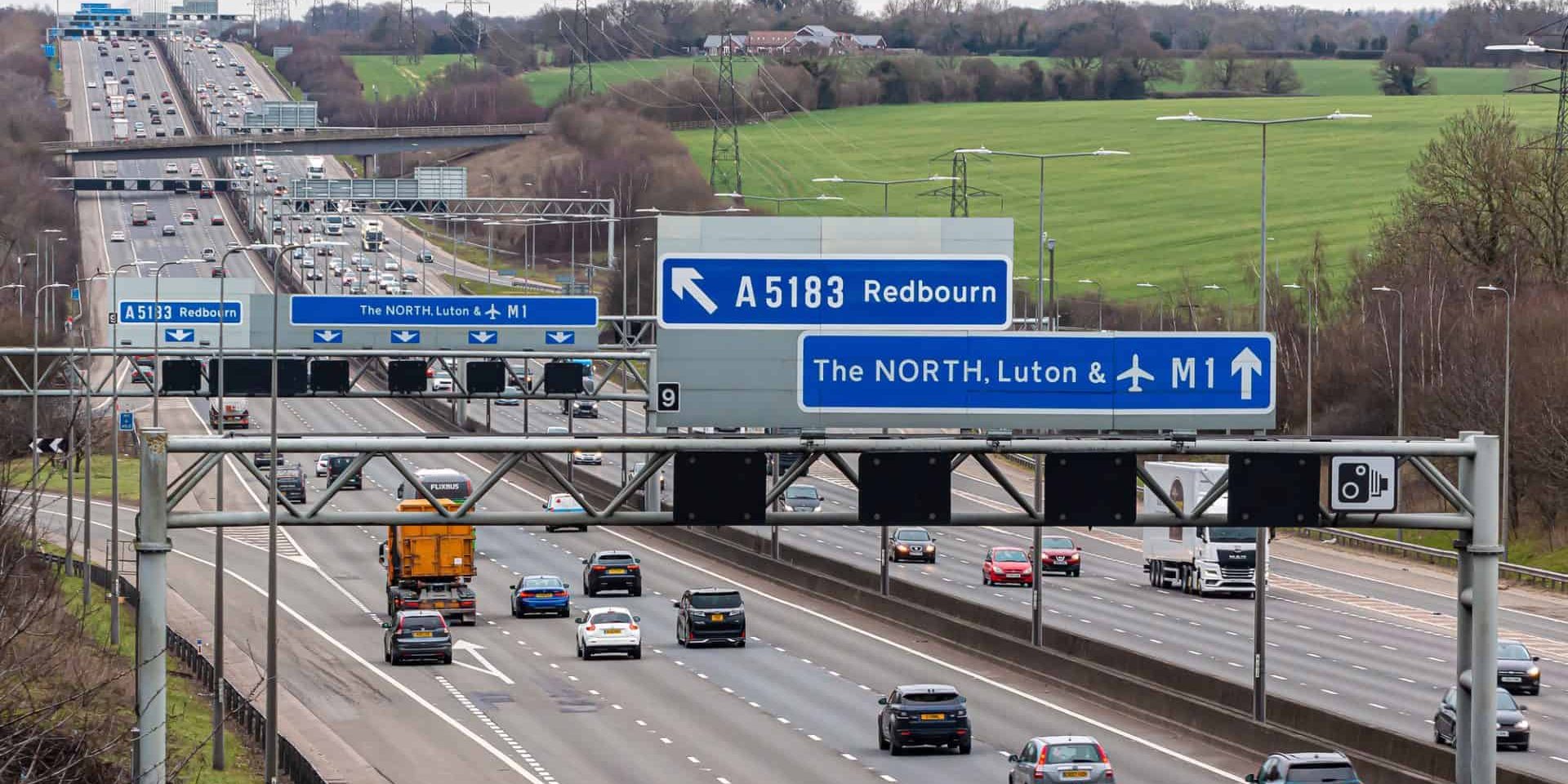
- RAC research estimates 19.4 million leisure trips will be made on UK roads over the October half term weekend, with Saturday the single busiest day at an estimated 5.6 million trips.
- Devon and Yorkshire are the most popular getaway destinations this half term, each drawing 8 percent of trips, ahead of Norfolk and Suffolk, Dorset, and Blackpool and the Lancashire coast.
- A five-minute check of oil, coolant, screenwash and tyre condition before setting off catches the faults most likely to cause a breakdown on a motorway packed with half term traffic.
19.4 Million Reasons the Motorway Will Be Slow This Weekend
An RAC study of 1,400 drivers puts a hard number on something every half term brings anyway: a surge of leisure traffic that turns an ordinary Friday afternoon commute into something closer to a bank holiday jam. The research estimates 19.4 million separate leisure trips will be made between Friday 23 and Sunday 25 October, spread unevenly across the three days in a way that makes one of them considerably worse than the others.
Saturday is forecast to be the busiest single day, with an estimated 5.6 million trips. Friday is close behind at 4.3 million, with a further 4.9 million trips planned for some point across the weekend without a fixed day attached, and Sunday bringing the getaway to a close with 4.3 million return journeys. Anyone with flexibility over when they travel has a reasonably clear steer from that breakdown: Saturday carries the heaviest load by a wide margin.
Where Everyone Is Actually Going
The destinations drawing the biggest share of half term traffic are familiar seaside and countryside staples rather than cities. Devon and Yorkshire top the list, each accounting for 8 percent of trips, followed by Norfolk or Suffolk on 7 percent, then Dorset and Blackpool and the Lancashire coast tied on 6 percent, with Cornwall close behind on 5 percent. Routes into and out of the South West and the Yorkshire coast are the ones most likely to see the heaviest concentration of half term traffic layered on top of ordinary weekend volumes, particularly on the main arterial roads feeding those regions rather than the motorways themselves.
Why Breakdowns Spike During Getaway Weekends
Breakdown call-outs do not rise purely because more cars are on the road. Many of the vehicles making a half term trip have sat largely unused for weeks beforehand, doing short local journeys that never give a battery, a cooling system or a set of tyres the chance to show a developing fault. Loading a car with passengers, luggage and sometimes a roof box or a trailer for the first time in months adds extra strain at exactly the moment a marginal component is most likely to fail, and it tends to happen on a motorway hard shoulder rather than a driveway.
A tyre that has been slowly losing pressure for weeks, a coolant level that has dropped just enough to matter on a long run, or a battery that has been getting by on short trips but cannot cope with headlights, climate control and a satnav running simultaneously for several hours, are among the most common causes of a getaway breakdown. None of them show up on a casual glance at a parked car.
The Five-Minute Check That Prevents Most of Them
Before setting off, checking oil level against the dipstick, coolant level against the markings on the expansion tank, and topping up screenwash takes only a couple of minutes and catches the fluid-related faults most likely to strand a car mid-journey. Tyres need checking for pressure against the figure in the door sill or handbook, not guessed by eye, and for tread depth and any visible bulges or cuts, since a motorway blowout at speed is one of the more dangerous outcomes of a half term trip rather than just an inconvenient one. Pressures should be checked and adjusted for the actual load being carried, since a fully loaded car needs higher pressures than the same car driven empty, a detail the vehicle handbook usually specifies separately.
A battery that has been struggling to start the car on cold mornings recently is worth testing or replacing before a long trip rather than during one, since a flat battery on a loaded motorway slip road is a far worse place to discover the problem than a driveway at home.
What to Do if a Breakdown Happens Anyway
If a car does fail on a motorway, the priority is getting it, and everyone inside it, off the carriageway. Indicating early, moving to the hard shoulder or a refuge area where one exists, and stopping as far left as possible reduces the risk from passing traffic. Everyone should leave the vehicle by the passenger-side doors away from traffic and wait behind the barrier, not beside the car, while waiting for recovery. On a smart motorway without a hard shoulder, getting to a refuge area if at all possible and calling for help on 999 if that is not achievable takes priority over anything else, including retrieving luggage from the boot.
Avoiding the Worst of It
With Saturday standing out clearly as the heaviest day, travelling on Friday evening after the bulk of commuter traffic has cleared, or on Sunday once the Saturday surge has passed, is likely to mean a noticeably easier run for anyone who can choose their day. For those tied to Saturday travel, setting off early in the morning before the volume builds remains the most reliable way to beat the worst of the 5.6 million other trips sharing the same roads.
Sources:

Leave a Comment
More in News
Why Learners Paid Up to £500 for a £62 Driving Test Before DVSA’s Crackdown

Insurers Paid £3 Billion in Car Claims This Summer as Premiums Fell by £13

Every EV Driver Without a Driveway Pays a 20 Percent Tax at Public Chargers

Every UK Driver Risks a £1,000 Fine Over These Common Winter Driving Myths

DVLA Data Reveals Police Recovered Fewer Than Half of Britain’s 55,000 Stolen Cars
Trending on Motoring Chronicle

Double Cab Pickup Owners Now Face a 400 Percent Company Car Tax Rise

Better by the dozen: Car and Driver announces Editors’ Choice awards for 12 Porsche models

How Switching to a One Car Household Could Save You More Than £1,500 a Year

Birmingham’s Clean Air Zone Has Now Raised £57 Million From Non-Compliant Drivers