New Rules Give Drivers More Power Against Private Parking Companies: What Changes and When
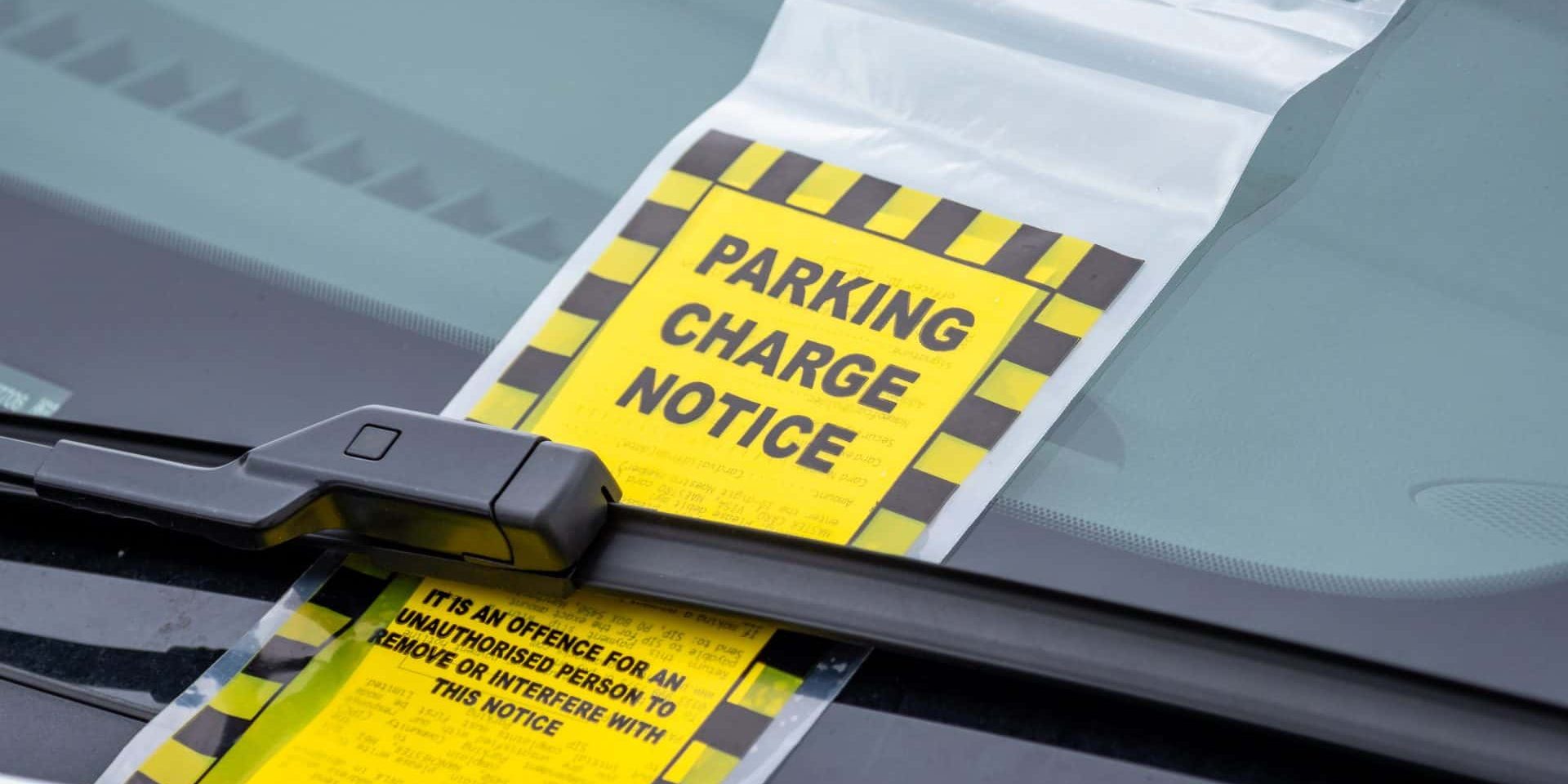
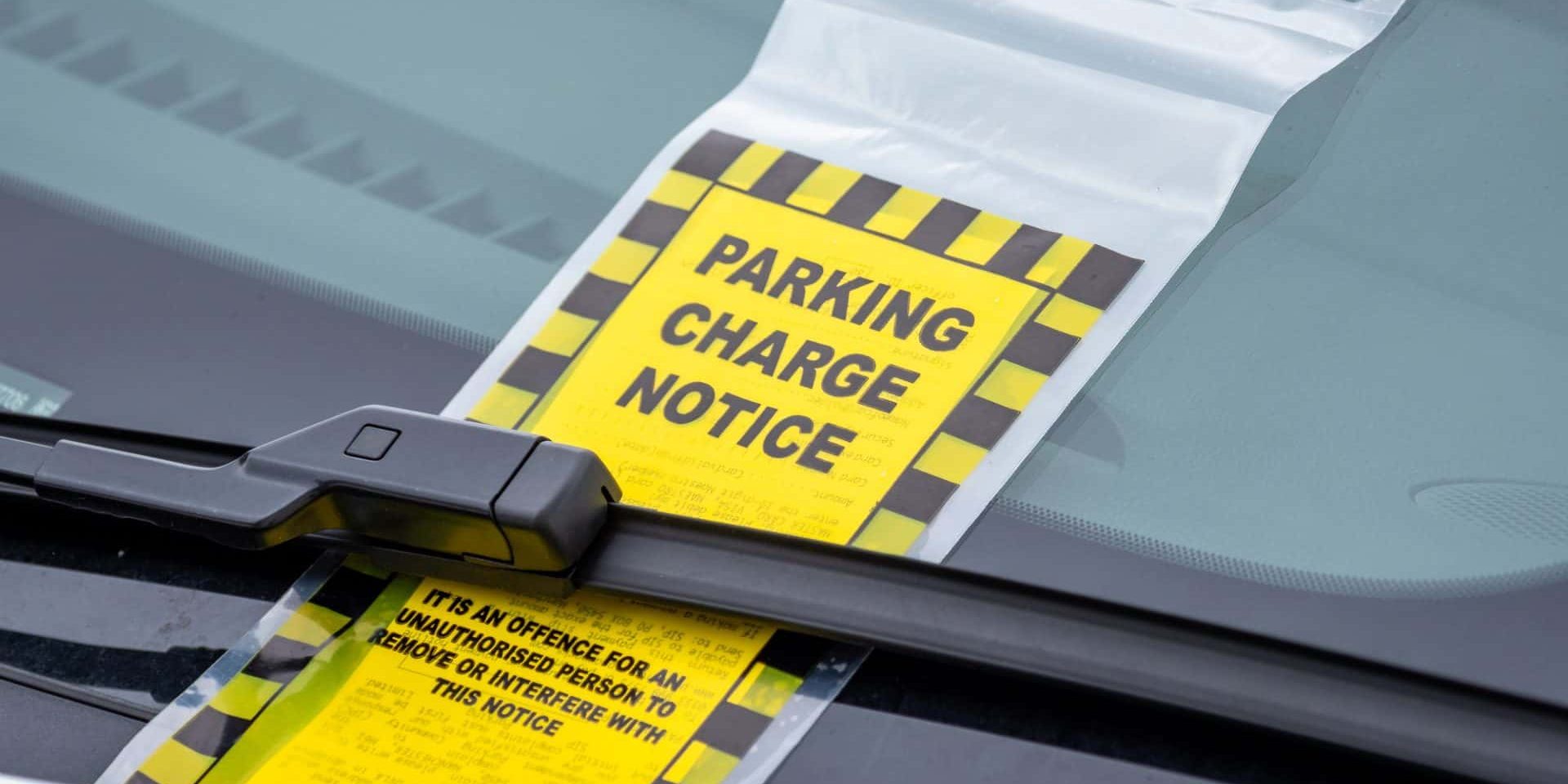
Private parking firms issued a record 15.9 million tickets in the year to September 2025, a 17 per cent jump on the previous 12 months. That works out at roughly 44,000 charges landing on windscreens or dropping through letterboxes every single day. For millions of drivers, the experience is familiar and infuriating: return to your car two minutes late, find a Parking Charge Notice stuck to the glass, and then face weeks of threatening letters demanding £100 or more.
Now, a sweeping overhaul of the rules governing private parking is forcing operators to clean up their act. The Private Parking Sector Single Code of Practice, which came into force for new sites on 1 October 2024, must be fully adopted across every existing private car park in England by 31 December 2026. For drivers who have felt powerless against faceless enforcement companies, the changes are significant, and understanding them could save you hundreds of pounds.
What Is Actually Changing?
The new code introduces a series of protections that directly affect what happens when you park on private land, whether that is a supermarket car park, a retail park, a hospital or a residential estate.
Mandatory grace periods. Every driver is now entitled to a minimum 10-minute grace period at the end of their parking session. If your ticket runs out at 2pm, the operator cannot issue a charge until 2.10pm at the earliest. On top of that, a consideration period of between five and 10 minutes must be allowed when you first arrive, giving you time to read the signs, check the terms and decide whether to stay. These grace periods apply only where you have otherwise complied with the parking conditions, but they put a stop to the practice of issuing charges the instant a ticket expires.
Clearer signage. Operators must ensure that all signage is visible, legible and unambiguous. The days of cramming terms and conditions onto a faded board tucked behind a pillar are numbered. Signs must clearly display the parking terms, the charges for non-compliance, and the grace period entitlement. If the signage does not meet these standards, any charge issued on that site is vulnerable to challenge.
A cap on charges. Under the code, the maximum Parking Charge Notice that can be issued is £100. If you pay within 14 days, that must be reduced to no more than £60. While the government had previously proposed slashing the cap to £50, that plan was withdrawn in 2022 following industry pushback. The £100 ceiling remains, but the mandatory early-payment discount is a meaningful protection for drivers who act quickly.
The nuclear option for rogue operators. Any private parking company that fails to comply with the code risks losing access to DVLA data. Without the ability to look up registered keepers from number plates, an operator simply cannot enforce unpaid charges. It is, in effect, a death sentence for their business model. The government has made clear that this power exists specifically to deal with firms that refuse to play by the rules.
Council Fines and Private Charges Are Not the Same Thing
One of the most common mistakes drivers make is treating a private Parking Charge Notice the same way they would treat a council Penalty Charge Notice. They are fundamentally different, and knowing the distinction could save you money.
A council PCN is a statutory penalty issued under the Traffic Management Act 2004. It carries legal force from the moment it is issued. If you ignore it, the council can escalate through a formal process that ends with bailiffs at your door. The standard early-payment discount is 50 per cent, typically within 14 or 21 days.
A private parking charge, by contrast, is an invoice. It is based on contract law, not statute. The operator is arguing that by parking on their land, you entered into a contract and then breached its terms. They can only enforce the charge by taking you to the county court and obtaining a judgment. Many operators never actually do this because the legal costs outweigh the charge itself.
This distinction is essential. A private parking charge does not carry the same automatic legal force as a council fine, and drivers have more room to challenge it, particularly if the operator has not followed the code of practice.
The “Cowboy Clamper” Era Is Already Over
If the phrase “cowboy clampers” still sends a shiver down your spine, here is some reassurance: wheel clamping on private land has been a criminal offence in England and Wales since 1 October 2012. The Protection of Freedoms Act made it illegal to clamp, tow, block in or otherwise immobilise a vehicle on private land without lawful authority. Anyone caught doing so faces an unlimited fine in the Crown Court or up to £5,000 in a Magistrates’ Court.
Before the ban, around 500,000 vehicles were being clamped annually on private land, with motorists paying an average release fee of £112. The practice was widely abused by rogue firms who displayed unclear signage, charged extortionate fees and left drivers with no practical way to challenge the charge.
The modern equivalent is the Parking Charge Notice. While physical clamping is gone, the tactics used by some private parking firms, including aggressive debt collection letters, inflated charges and deliberately confusing signage, have drawn similar criticism. The new code of practice is designed to address exactly these practices, and the driving laws shake-up currently being planned by the government may bring further protections.
How To Fight Back Against an Unfair Charge
If you receive a private Parking Charge Notice that you believe is unfair, you have several options.
First, check the signage. If the signs at the car park were not clearly visible, legible or unambiguous, that is grounds for appeal. Take photographs of every sign you can find on the site, including their condition and placement. If a sign was obscured, damaged or missing entirely, your case is strong.
Second, check the timeline. Was the charge issued within the grace period? Did you receive the Notice to Keeper within the required timeframe? Under the Protection of Freedoms Act, the operator must serve the notice within a set period or lose the right to pursue the registered keeper.
Third, appeal to the operator directly. This is the informal stage, and you should set out your grounds clearly and concisely. If the operator rejects your appeal, you can escalate to an independent adjudicator. Members of the British Parking Association use POPLA, while members of the International Parking Community use the IAS. Both services are free to the motorist.
Fourth, do not panic about threatening letters. Some operators use debt collection agencies whose letters are designed to intimidate. Remember that a private parking charge is a civil matter, not a criminal one. No one is going to arrest you. The worst that can happen is a county court claim, and even then, you have the right to defend yourself.
It is also worth noting that the government consultation on parking charge limits, which ran from July to September 2025, included proposals on debt recovery practices. While a complete ban on aggressive debt collection has not been implemented, the direction of travel is clear: the era of private parking companies operating without meaningful oversight is coming to an end.
The Bigger Picture
The explosion in private parking charges, from 13.6 million to 15.9 million in a single year, tells its own story. As more land is managed by private operators and enforcement technology becomes cheaper, the number of charges will only continue to rise unless the regulatory framework keeps pace.
For drivers, the message is straightforward. Know the difference between a council fine and a private charge. Understand your grace period rights. Check the signage before you pay up. And if you believe a charge is unfair, challenge it, because the system now offers more protection than ever before.
The December 2026 compliance deadline is the date to watch. After that, every private car park in England must meet the new standards, and any operator that does not will risk losing the DVLA access that keeps their business alive. For the millions of drivers who have felt at the mercy of private parking firms, that cannot come soon enough.
Sources:
GOV.UK — Private Parking Code of Practice
GOV.UK — Parking Code Enforcement Framework
Which? — New Private Parking Code of Practice Comes Into Force
House of Commons Library — Parking FAQs
House of Lords Library — Private Parking Code of Practice: Latest Developments
Legislation.gov.uk — Parking (Code of Practice) Act 2019

Leave a Comment
More in News

Paris Motor Show 2026 highlights, with BYD and Denza leading the charge

How a Burning Smell From Your Clutch Could Signal a £600 Repair Bill

What a Tyre Pressure Warning Light Means as Cold Mornings Return This Autumn

What the Fog Light Rule Actually Means (and the £50 Fine)

How to Drive Through Flood Water (and What to Do If It Stalls)
Trending on Motoring Chronicle

Electric Car Buyers Now Pay Up to £200 Road Tax, DfT Data Shows

34 States Now Check Your Insurance in Real Time as Lapses Trigger Plate Suspensions
Your Driving Licence Is Going Digital This Year and You Will Carry It on Your Phone
Company Car Diesel Drivers Can Lose £384 a Year as HMRC Rates Lag Pumps