
What Labour’s New Highways Bill Means for Every Driver Who Could Soon Pay Tolls on New Roads
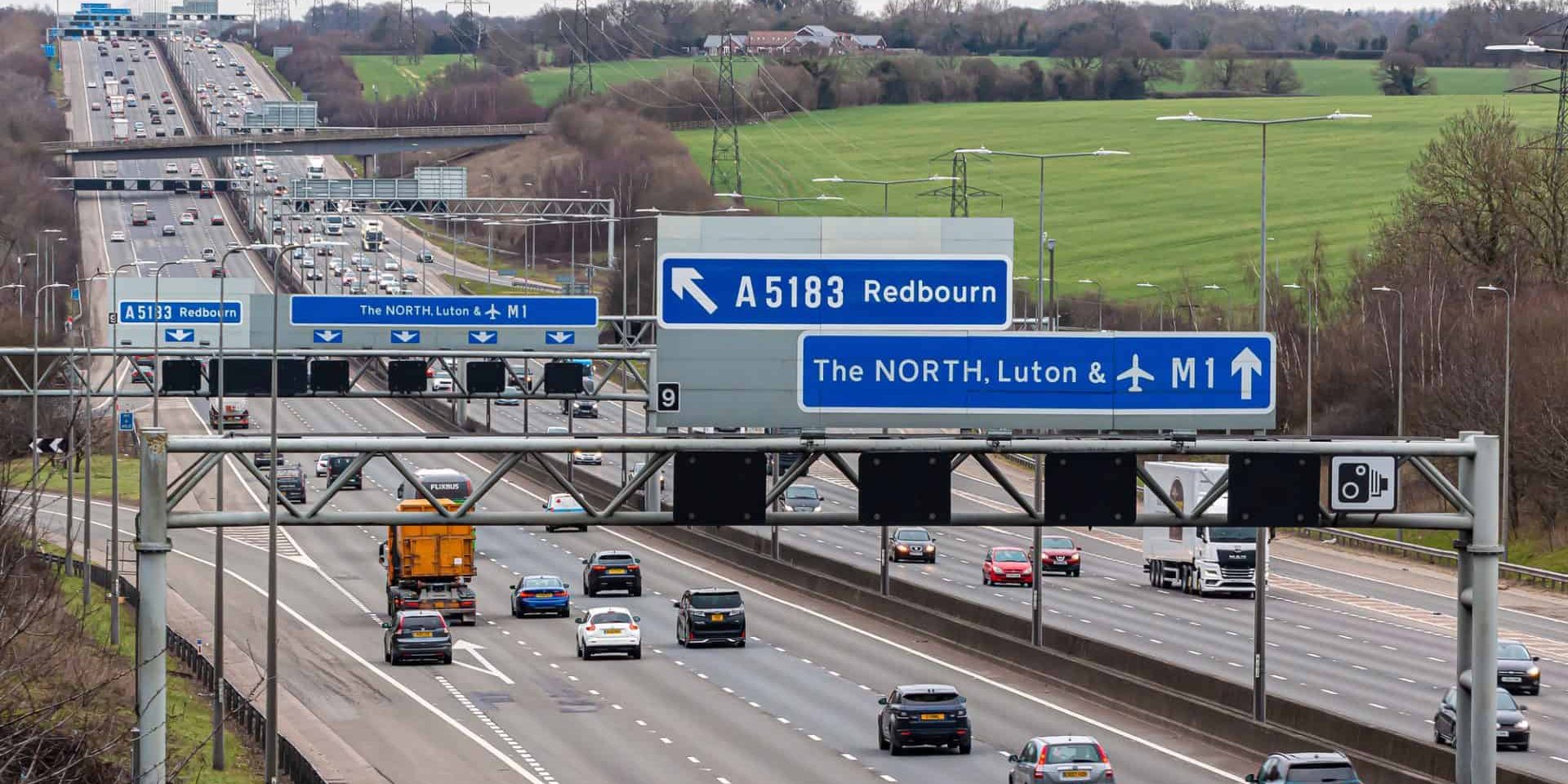
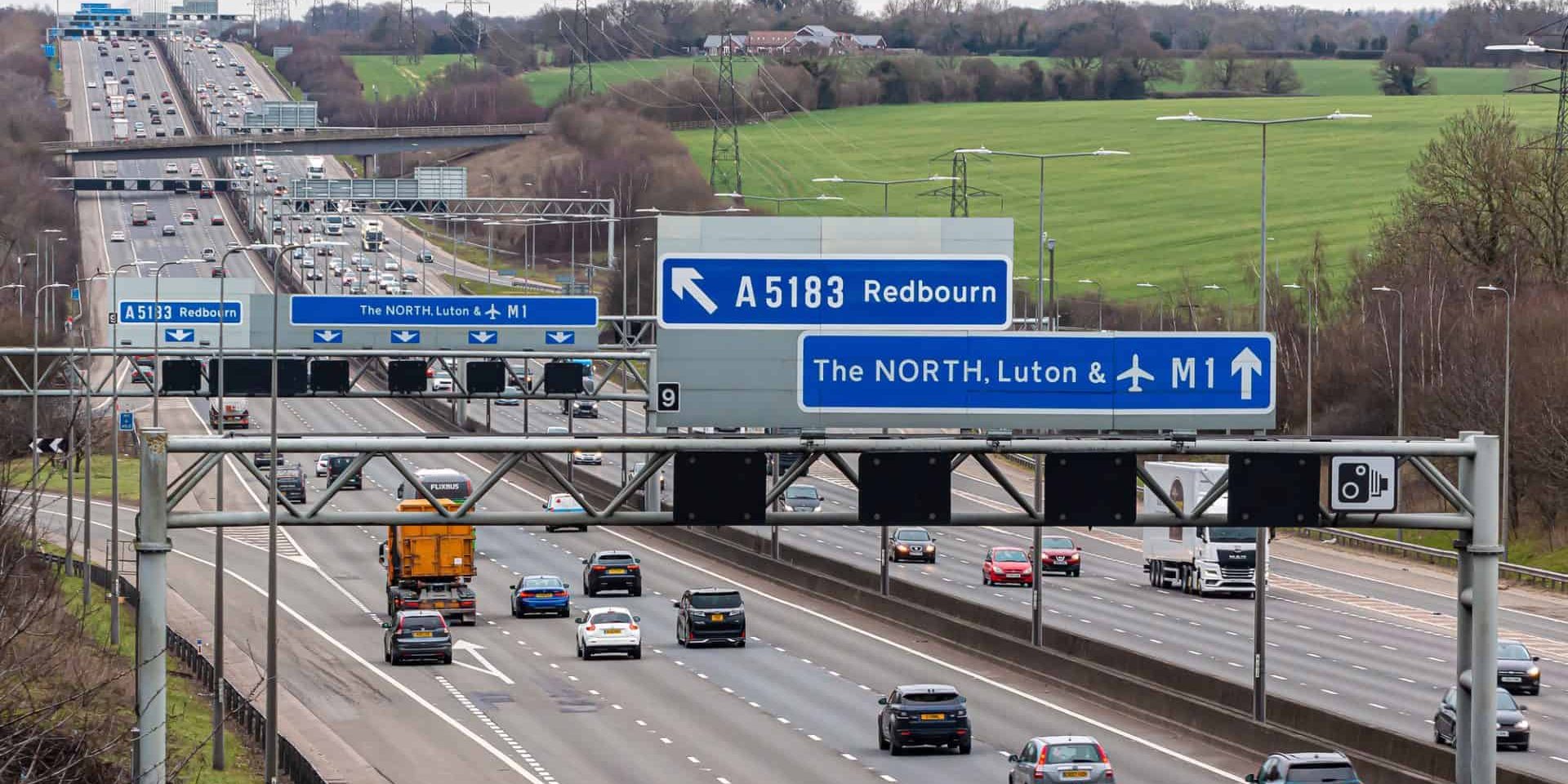
A new piece of legislation introduced in the King’s Speech on 13 May 2026 could fundamentally change how major road projects are funded in Britain — and who pays for them. The Highways Bill creates a legal framework allowing private investors to finance new road infrastructure in exchange for tolls paid by the drivers who use it. For millions of motorists, it raises a direct question: if a new road is built near you, could you soon be charged to drive on it?
The immediate and most significant project the bill is designed to enable is the Lower Thames Crossing, the proposed twin-tunnel link beneath the River Thames connecting Thurrock in Essex with Gravesham in Kent. But the government has been explicit that the Highways Bill is not a one-off mechanism for a single project. The legislation is intended to create a permanent framework that could be applied to future major road schemes across England.
What the Highways Bill Actually Does
The bill introduces a Regulated Asset Base model for road infrastructure — the same financial structure used to build the Thames Tideway Tunnel, the super-sewer beneath London completed in 2024, and currently being applied to the Sizewell C nuclear power station in Suffolk. Under the RAB model, private investors put up the capital to build a major piece of infrastructure. They then recover their investment over decades through regulated charges paid by users of that infrastructure.
For the Lower Thames Crossing, those charges would be tolls. Drivers using the tunnels would pay a per-journey fee set by an independent regulator and adjusted periodically to reflect construction costs, operating costs, and the investors’ allowed rate of return. The toll revenue flows to the private consortium that built and runs the crossing. The government does not fund construction from general taxation and does not appear on the balance sheet as the borrower.
The bill also creates a financial backstop mechanism. If toll revenues fall significantly short of projections — because fewer drivers use the crossing than modelled, or because an economic downturn reduces traffic — the government can provide support to prevent investor default. Critics have described this as a private profit, public risk arrangement. Supporters argue it is standard for regulated infrastructure and that equivalent backstops exist for water and energy networks.
The Lower Thames Crossing: What Is Being Built and When
The Lower Thames Crossing has been in planning for over a decade. National Highways describes it as the biggest road project in England since the M25 was completed in 1986. The scheme involves two bored tunnels running beneath the Thames, each carrying two lanes of traffic, linking the A1089 in Essex with the A2 in Kent. The tunnels would be approximately 4.3 kilometres long and would significantly reduce congestion at the Dartford Crossing, which currently handles more than 50 million vehicle crossings per year and regularly backs up for miles.
The total project cost has been estimated at approximately ten billion pounds, though the RAB model being enabled by the Highways Bill brings that notional cost down to around 9.4 billion in terms of the investor-funded portion. The discrepancy reflects the government’s direct contribution to certain enabling works and land acquisition costs that fall outside the toll-funded model.
Construction is expected to begin in 2028, subject to a final investment decision later this year. The crossing is projected to open in the early to mid 2030s. Once open, it would operate alongside the existing Dartford Crossing, with both crossings charging tolls. The combined toll system would be managed by a single regulated body rather than by National Highways as a public asset.
Toll levels have not been confirmed. National Highways’ pre-application modelling suggested a toll in the range of four to six pounds for a standard car crossing, though RAB financial models typically allow for annual inflation-linked increases. For context, the current Dartford Crossing charge is two pounds fifty for a car travelling during charging hours. Drivers in the area could find themselves paying considerably more for access to the new crossing than they currently pay at Dartford.
How the RAB Model Differs From Traditional Road Funding
Britain has funded road infrastructure through general taxation for most of the postwar period. Drivers pay fuel duty and vehicle excise duty into central government revenue, which is then allocated — in part — to National Highways for road building and maintenance. Under this model, there is no direct link between what a driver pays and which roads are built. A driver in Cornwall contributes to a motorway in Yorkshire through general taxation regardless of whether they ever use it.
The RAB model breaks this connection explicitly. Drivers who use a RAB-funded road pay its costs directly through tolls. Drivers who do not use it pay nothing. The government argues this is fairer for taxpayers as a whole, since major infrastructure projects no longer compete for general public spending. The practical consequence for drivers is that new road capacity comes with a price tag attached.
The AA and RAC have both called for any RAB toll regime to include a free or heavily discounted alternative route so that drivers are not effectively forced to pay a private toll to complete a journey. This condition has not yet been written into the Highways Bill, and campaigners are expected to push for an amendment during parliamentary scrutiny this autumn.
Could Tolls Spread to Other Roads Under This Bill?
The government’s position is that the Highways Bill does not introduce tolling on existing roads. Ministers have been clear that current motorways and A-roads will remain free to use. The legislation applies only to new infrastructure that would not otherwise be built without private financing — schemes where the cost is too large for the Road Investment Strategy budget to absorb.
However, the bill creates a legal and regulatory framework that could, in principle, be extended. Once the RAB model exists in statute for roads and a regulator is established with experience of setting road tolls, the machinery is in place. Any future government could use the same framework for additional projects. The Institute for Fiscal Studies noted that the Highways Bill represents the first time since the M6 Toll opened in 2003 that England has created a new legal pathway for privately funded road tolling, and that its ultimate scope will depend as much on political will as on the legislation itself.
The M6 Toll is instructive as a comparison. Opened in 2003 to relieve congestion on the M6 through Birmingham, it has consistently underperformed its traffic forecasts. Drivers have largely stuck with the free M6 rather than pay to use the toll road, even during significant congestion. The Lower Thames Crossing faces a different calculation — there is no free alternative river crossing in the vicinity — but the M6 Toll experience has made investors cautious about traffic projections for new UK toll roads.
What Drivers in the South East Should Watch
For drivers who live or work in Essex and Kent, the Highways Bill is not an abstract policy debate. The Lower Thames Crossing, if built, will reshape journey options across a wide area. Routes that currently avoid the Dartford bottleneck by going further east or west will be reconsidered once a second crossing exists. Local planning authorities in both counties are already updating transport assessments to reflect the possibility of a new crossing in the early 2030s.
Freight operators who currently route significant volumes through Dartford are monitoring toll levels closely. The logistics industry uses the Dartford Crossing extensively, and hauliers have flagged that a combined toll system at both crossings — with the new crossing priced above current Dartford levels — could add material cost to supply chains moving between the Midlands and the Channel ports.
For individual drivers, the most immediate practical consideration is registration. The current Dartford Crossing charges through a numberplate recognition system, with registered account holders paying a discounted rate. Any new crossing is expected to use the same or an equivalent system. Drivers who are not registered for a Dart Charge account may want to set one up ahead of any integration with a broader Thames crossing billing system.
The Highways Bill will now pass through parliamentary scrutiny, with committee stages expected in the autumn of 2026. The government has set a target of a final investment decision on the Lower Thames Crossing by the end of 2026. Whether that timeline holds — and whether the RAB model survives detailed parliamentary scrutiny intact — will determine whether the tunnels move from plan to construction or remain, as they have been for years, a very expensive proposal waiting to happen.

Leave a Comment
More in News

How to Remove Moisture From Inside Your Headlight Before It Costs You £500

What Red and Amber Warning Lights Actually Mean (and Which Fail an MOT)

How to De-Ice Your Windscreen Fast Without Cracking It (and Staying Legal)

New Cars Face Euro 7 Rules From 29 November With a £264 Price Rise
What the Traffic Penalty Tribunal’s 33 Percent Success Rate Means for Every Driver
Trending on Motoring Chronicle

A 1,065 HP V12 With Three Electric Motors, No Roof And A Top Speed Above 211 mph. This Is The Lamborghini Fenomeno Roadster
Speed Cameras Are Expanding in Cities Nationwide With Fines Up to $248

Hyundai N Redefines High-Performance EV Driving Experience with IONIQ 6 N

Why Cars and Watches Have Shared the Same Design Language for Decades
