
New Data on 1.6 Million Repairs Reveals Which Used Cars Cost the Most to Fix


A used Land Rover Discovery scored just 17.2 out of 100 on the latest Warrantywise Reliability Index, the worst mark of any model tracked. A Toyota Yaris scored 89.2, more than five times better, on the same scale. The gap between the two is not really about badge snobbery. It comes down to how much a repair bill is likely to cost, and new data drawn from 1.6 million repair requests shows exactly where that risk sits.
The index, built from real repair requests on vehicles aged three to fifteen years old, is one of the largest independent snapshots of what actually breaks on Britain’s used cars, and how much fixing it costs once the manufacturer warranty has run out.
Premium Badges, Painful Bills
Six of the ten lowest-scoring used cars on the index are Land Rover or Range Rover models. The Land Rover Discovery sits bottom at 17.2, followed by the BMW 7 Series at 18.7, the Mercedes S Class at 19.2 and the Audi A7 also at 19.2. The Range Rover Velar, Range Rover Sport, BMW X5, Discovery Sport, BMW X7 and Defender 110 fill out the rest of the bottom ten.
These are not cheap cars to start with, and the pattern in the data suggests they do not get cheaper to own once the depreciation curve has done its work and a buyer picks one up on the used market. Complex air suspension, advanced electronics and specialist parts sourcing all push labour time and bills higher on these models compared with mainstream family cars, and a specialist garage able to work on them is often thinner on the ground than a general mechanic, pushing costs up further still.
At the other end, Toyota placed four models in the top ten most reliable used cars: the Yaris, Aygo, RAV4 and Hilux. Kia, Peugeot, Citroen and Suzuki also feature, all small, mechanically simple cars without the complex options that tend to drive up premium-badge repair costs. A Kia Picanto scored 86.8 and a Toyota Aygo scored 83.8, both comfortably inside the top three overall.
Labour Costs Have Climbed Nearly 8 Per Cent in Three Years
Even choosing a reliable model does not fully protect a budget from a wider trend running through the whole data set. The average hourly labour rate quoted in repair requests rose from £104.11 in 2023 to £112.30 in 2025, an increase of 7.87 per cent in three years. That rise applies whether the fault sits on a Yaris or a Discovery, it just bites harder on cars that already need more hours on the ramp to diagnose and fix.
Software, sensors and diagnostics now feature heavily across repair requests industry-wide as vehicles rely more on electronic control units to run everything from emissions to driver assistance systems. A fault that used to mean swapping a mechanical part increasingly means specialist diagnostic time before a garage can even identify what has failed, adding hours to a bill before a single part gets fitted. Reliability is no longer purely a mechanical question, it is increasingly an electronics one too.
The EV Repair Surprise: It Is Not the Battery
Buyers shopping for a used electric car tend to fixate on one question: how healthy is the drive battery? The data suggests that question, while worth asking, only covers part of what actually goes wrong. High-voltage battery issues do not appear anywhere in the top five most common EV repair requests logged by Warrantywise.
Instead, the most frequent EV repair requests span electrical sensors, averaging £809.59 and reaching as high as £3,270, and central locking mechanisms, averaging £899.44 and reaching £4,056.82. On-board chargers come in third, averaging £2,158.75 and topping out at £10,454.98 in the most expensive cases recorded. Suspension wishbones, averaging £1,229.64, and 12V or 48V auxiliary batteries, averaging £532.94, round out the top five.
None of this means battery health should be ignored when buying a used EV. It means it should not be the only thing a buyer checks, when the data shows electrical and charging systems generate far more repair requests in practice. An on-board charger fault topping £10,000 in the worst case recorded is a bigger single risk than most buyers are prepared for going in.
What Warranty Cover Does Not Always Include
An extended warranty is not a blanket guarantee against every fault a used car develops. Providers assess each repair request individually, and claims can be declined where a component is judged to have failed through wear and tear rather than sudden mechanical failure, a distinction that is not always obvious to the person paying the bill. A handbrake or clutch fault, for example, is a common point of dispute between owners and warranty providers, with both sides able to reasonably describe the same failure differently.
Reading a warranty’s plan book before signing, rather than after a claim is refused, is the only way to know exactly which components and failure types are covered. If a claim is refused and a driver disagrees with the reasoning, the Financial Ombudsman Service and The Motor Ombudsman both handle disputes involving warranty providers, offering a route that does not require going straight to court.
What This Means Before You Sign
A used car’s purchase price tells a buyer almost nothing about what it will cost to keep on the road. A cut-price premium SUV can turn into a far more expensive vehicle to own than a slightly pricier but mechanically simpler alternative, once specialist parts and labour time enter the equation.
Before buying, check a specific model’s track record rather than relying on brand reputation alone. Ask to see the full service history and MOT record through gov.uk/check-mot-history, which lists every advisory and failure a car has had. Get an independent inspection on any premium or large SUV before handing over money, given how much more these models cost to repair once something does go wrong.
Anyone approaching the end of a manufacturer warranty should understand exactly what an extended warranty does and does not cover before buying one. Warranty providers assess repair requests individually and can decline claims classed as wear and tear rather than mechanical failure, so it pays to read the exclusions closely and query anything that seems vague before relying on the cover in an emergency.
How Age and Mileage Change the Numbers Further
The index covers vehicles between three and fifteen years old, and the data shows scores are not fixed for a model’s whole life. A car that performs well at three years old with low mileage can score very differently once it passes 100,000 miles or reaches the upper end of that age bracket, as seals, bushings and electronic components wear in ways that a fresh MOT pass does not always reveal. Buyers comparing two examples of the same model should weigh mileage and age together with the reliability score itself, rather than treating the model name alone as a guarantee of what to expect.
Higher mileage also changes how a warranty provider treats a claim. A component failing at 40,000 miles looks more like premature failure to an assessor, while the identical fault at 130,000 miles is easier to classify as ordinary wear and tear falling outside cover. Two owners with the same fault on the same model can get two very different outcomes from an identical warranty policy, purely down to how many miles separate their cars.
Comparing Models Before You Commit
The full Warrantywise Reliability Index for 2026 lists scores for dozens of models beyond the ten best and worst, covering everyday family cars, small SUVs and larger estates that most used car buyers are actually cross-shopping. Checking a shortlist of two or three specific models against the index, rather than relying on general brand reputation, gives a clearer sense of what a realistic repair bill looks like three, five or eight years into ownership. A car that costs slightly more to buy today can still work out cheaper across a typical ownership period if its repair costs stay lower and its parts remain easier to source.
Sources:

Leave a Comment
More in News

Nine in 10 Pothole Damage Claims Are Rejected Under a 1980s Legal Defence

Police Could Soon Access Your DVLA Driving Data for Any Investigation, Not Just Traffic Stops
How to Claim Your $2,000 Mercedes-Benz Settlement Before September 30

Tesla Recalls 20,349 Model 3 and Model Y Cars Over Illegally Bright Headlights
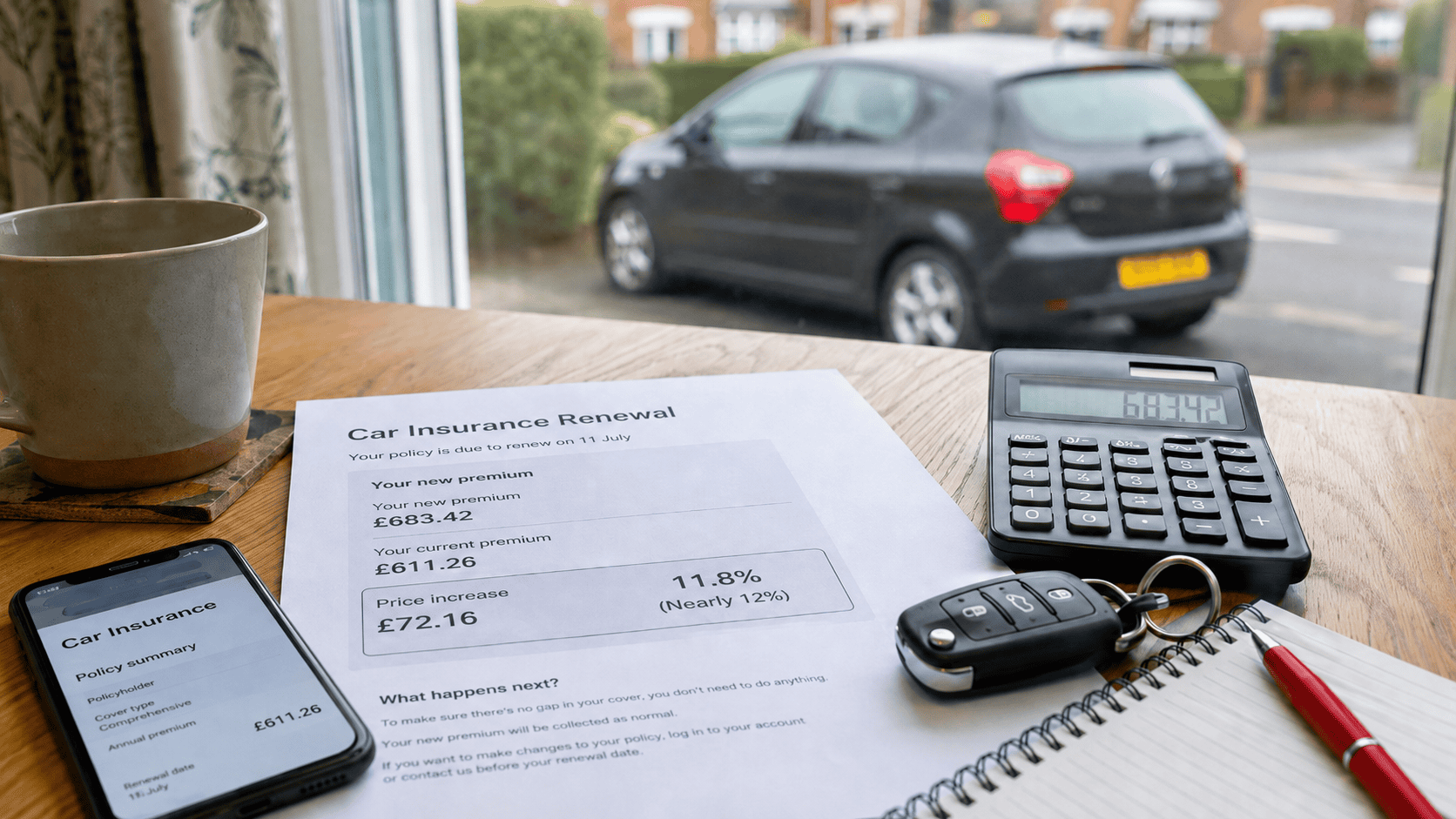
Car Insurance Rates Are Rising in 32 States as the Average Hits $2,237
Trending on Motoring Chronicle

Automobili Lamborghini talks about industry through art: the Museum hosts “The Industrial Perspective” [Photo Gallery]
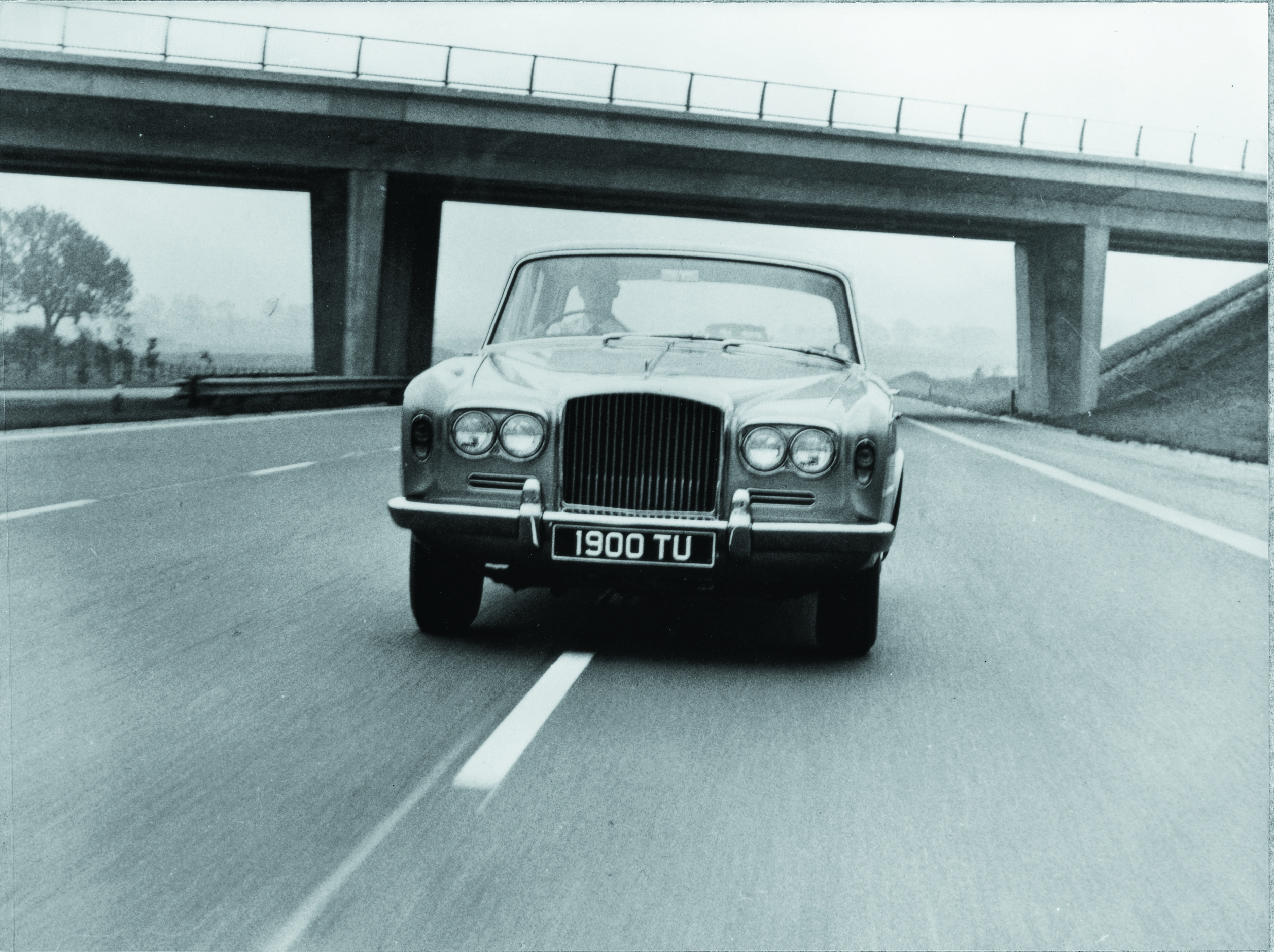
World’s oldest Bentley T-Series returns home [Photo Gallery]

Ferrari’s Four-Door V12 SUV Just Got A Track-Focused Upgrade And It Still Seats Four

What the New June 9 Driving Test Booking Rules Mean for Learners and Parents
