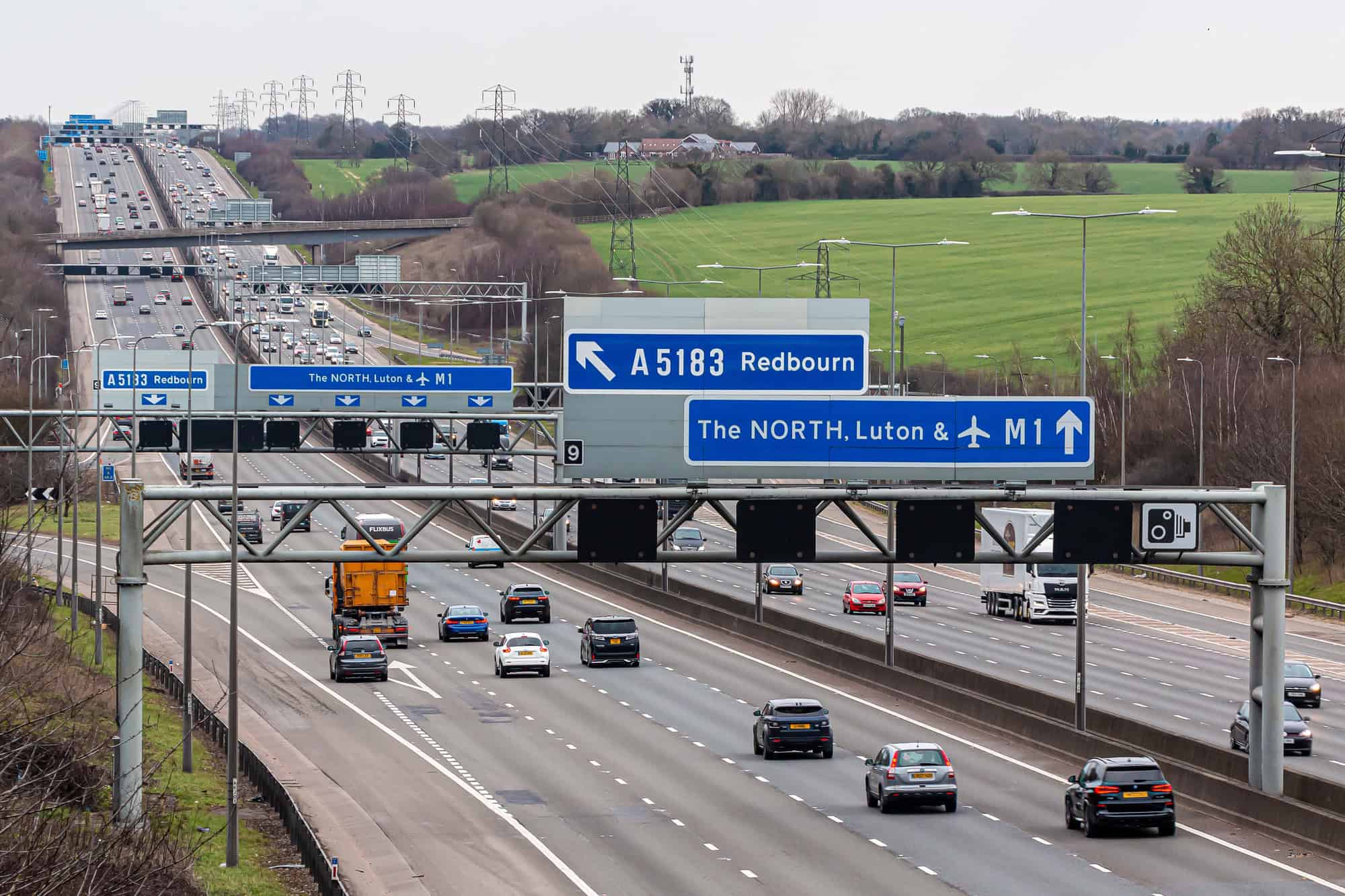
UK Drivers Have Paid £1 Billion in War Premium Fuel Costs as the Iran Conflict Drags On


- UK drivers have paid more than £1 billion extra at the pumps in the period from the Iran conflict’s start on 28 February 2026, according to RAC Foundation analysis of pump price data.
- Diesel drivers have carried 75 percent of that bill, around £752 million, as diesel is now roughly 24p to 33p a litre more expensive than petrol.
- £167 million of the total has landed with the Exchequer as extra VAT on the higher pump prices, some of which businesses can reclaim but ordinary drivers cannot.
Why your fuel bill has a war built into it, whether you notice or not
Every driver who has filled up from the end of February onward has been paying a premium they never voted for and cannot see itemised on a receipt. The RAC Foundation, the independent transport research charity that tracks pump prices against wholesale costs, calculates that UK drivers have paid a combined £1.002 billion more for petrol and diesel than they would have if forecourt prices had stayed where they were before the conflict in Iran began on 28 February 2026. The figure is not a projection. It is built from actual pump prices compared against the trend line that was in place before the fighting started disrupting oil markets.
The bill has not landed evenly. Diesel drivers have covered around 75 percent of the total, roughly £752 million, as diesel is both more heavily used across the UK vehicle fleet and has moved further in price than petrol from the conflict’s start. Diesel briefly spiked to around 192p a litre in April before a ceasefire and a sharp fall in June brought some relief, but both fuels have been climbing again from July onward. By late September, the UK average stood at roughly 172.6p a litre for petrol and 196.4p for diesel, a gap of close to 24p that has been as wide as 33p at points during the year.
Who is actually collecting the extra money
Part of what makes the war premium sting is where a slice of it ends up. VAT is charged at 20 percent on the price of fuel at the pump, which means a higher price automatically generates a higher VAT take without the government changing a single rate. The RAC Foundation puts the Exchequer’s windfall from this at around £167 million from the conflict’s start. Some of that will be reclaimed by VAT-registered businesses running commercial fleets, but the ordinary driver filling up a family car pays the higher VAT in full and has no way to claim any of it back.
None of this is the result of a policy decision by ministers. Oil is priced on global markets, and the conflict has disrupted supply routes through a region that handles a large share of the world’s crude and refined product. But the VAT windfall is a direct, mechanical consequence of how UK fuel tax is structured, and it means the Treasury benefits every time a geopolitical shock pushes prices higher, with no debate and no announcement required.
Why diesel drivers are paying more than everyone else
Diesel has historically been the fuel of choice for higher mileage drivers, tradespeople and larger family cars, on the basis that its better fuel economy pays for itself over enough miles. That calculation gets harder to make when diesel is trading at a 24p or more premium over petrol at the pump. A driver covering 12,000 miles a year in a diesel car averaging 50 miles per gallon is now paying noticeably more for the privilege of better economy than they would have done before the conflict pushed the gap open, even before accounting for the war premium sitting on top of both fuels.
The wider concern for the RAC Foundation is that diesel supply has been more exposed to the disruption than petrol, as a larger share of Europe’s diesel is refined from crude that has to pass through the affected region, or refined in facilities that compete for that same crude. That structural exposure is why diesel has moved further and stayed higher for longer through the year, even in the brief window of relief in June.
How this compares with previous oil shocks
UK drivers have been here before, though the details of each shock differ. Pump prices spiked sharply after Russia’s invasion of Ukraine in 2022, prompting the government to cut fuel duty by 5p a litre as an emergency measure, and again in earlier Middle East tensions that disrupted shipping through the Strait of Hormuz. What sets the current episode apart is the length of the disruption. Rather than a short spike followed by a fast return to normal, prices have moved in waves through 2026, climbing sharply after the conflict began in February, spiking again in April, easing after a June ceasefire, and climbing once more from July. Each wave adds to the running total the RAC Foundation is tracking, which is why the figure has now passed the symbolic £1 billion mark rather than settling after a single price shock.
Self-employed tradespeople and delivery drivers, who tend to cover higher mileage and lean more heavily on diesel vans and cars, have been especially exposed. Where a commuter driving a modest annual mileage might absorb the war premium as a few extra pounds a month, a van driver covering 25,000 or 30,000 miles a year in a job that depends on the vehicle is looking at a bill running into hundreds of pounds over the course of the year, on top of whatever they were already paying before the conflict began.
What you can actually do about it
There is no way to opt out of a global oil shock, but there are ways to stop paying more of it than necessary. Price comparison tools such as PetrolPrices.co.uk track station level prices by postcode and regularly show gaps of ten pence a litre or more between forecourts a short drive apart, especially between supermarket filling stations and motorway services, which routinely charge several pence more per litre than sites just off the motorway network. Filling up at a supermarket rather than a motorway services station, and checking prices before a long trip rather than assuming the nearest station is representative, is one of the few levers an individual driver actually has.
Driving style also matters more when prices are elevated. Smoother acceleration, keeping tyres correctly inflated and removing unnecessary load from the car are all steps the RAC and AA continue to recommend, and each can improve real world fuel economy by a meaningful margin over a year of driving, effectively clawing back some of the premium being paid at the pump. For drivers with a genuine choice between fuels for their next car, the shrinking gap in day to day running costs between diesel and hybrid or electric alternatives is now a bigger factor in the sums than it was before the conflict pushed diesel prices where they are.
What nobody can do is get the £167 million VAT windfall back. That money has already gone to the Exchequer, collected automatically as a consequence of a war on the other side of the world, and there is no mechanism for an individual driver to challenge or reclaim it. The only real defence is watching where you fill up, and not assuming that a fuel shock happening thousands of miles away has nothing to do with the number on the pump outside your local supermarket.
The RAC Foundation has said it will keep updating its running total as the conflict continues, which means the £1 billion figure is a milestone rather than a final number. Every week the disruption drags on adds a fresh instalment to the bill, and with both petrol and diesel already climbing again after the summer lull, there is little sign the total is about to level off. For a country that has just been through a cost of living squeeze driven largely by energy prices, a second front opening up at the pumps is the kind of thing most drivers would rather not have to budget for twice in the same decade.
Sources:

Leave a Comment
More in News

How to Remove Moisture From Inside Your Headlight Before It Costs You £500
What Red and Amber Warning Lights Actually Mean (and Which Fail an MOT)

How to De-Ice Your Windscreen Fast Without Cracking It (and Staying Legal)

New Cars Face Euro 7 Rules From 29 November With a £264 Price Rise
What the Traffic Penalty Tribunal’s 33 Percent Success Rate Means for Every Driver
Trending on Motoring Chronicle

EV Owners Face £6,830 Bills in a Battery Gap Warranty and Insurance Both Reject

Uber and Lyft Riders Face New Safety Rules This Summer as States Tighten Vetting

Ferrari 12Cilindri Manuale Revives the Manual Gearbox With 830cv V12 in 1,499-Car Run

Chinese Mural Art: a cultural tribute by Rolls-Royce [Photo Gallery]