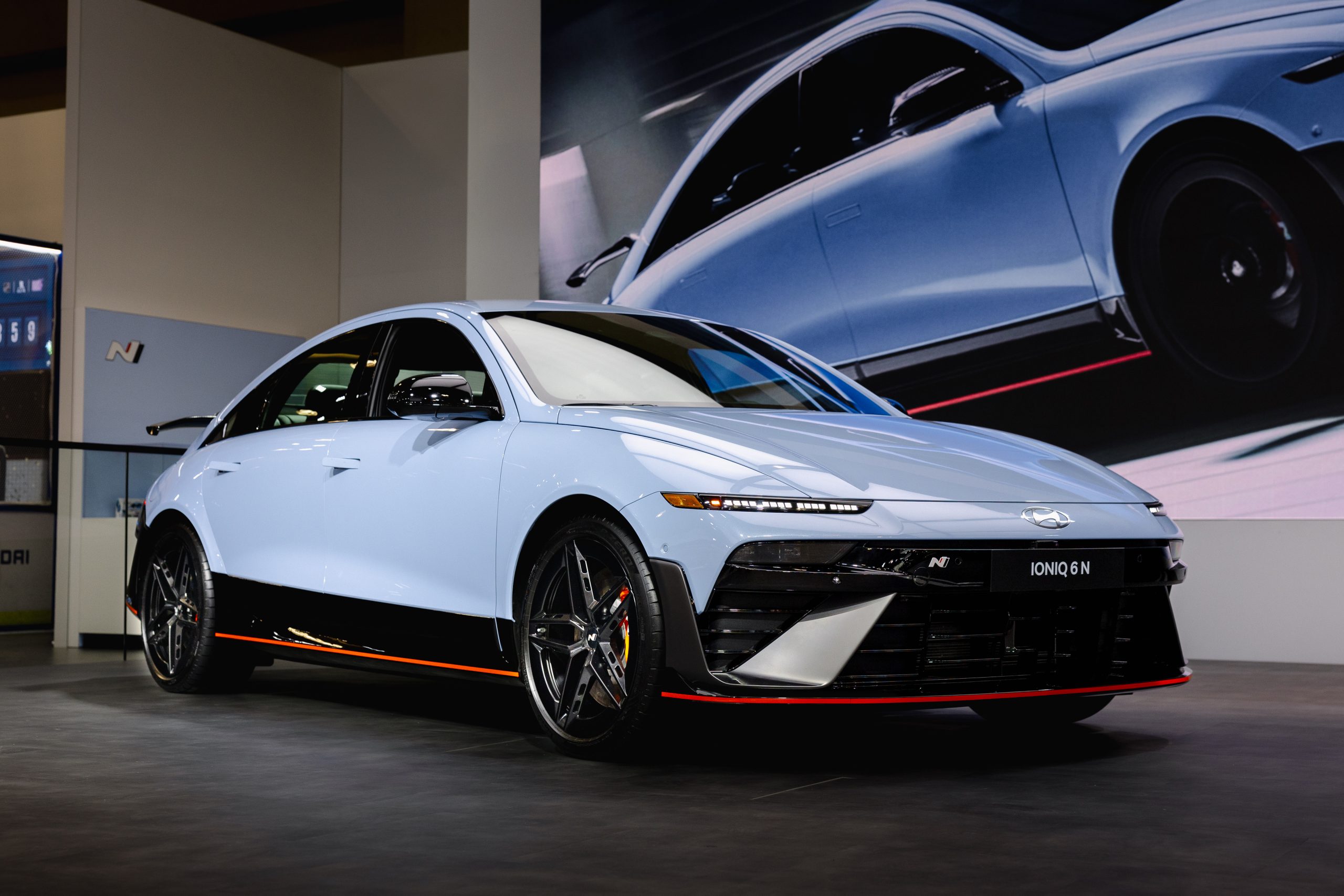
Why $145 Million in Hyundai and Kia Theft Payouts Is Stuck at the Supreme Court


Owners who filed a claim in the $145 million Hyundai and Kia theft settlement have been staring at an approved payout amount for months with no check arriving. That wait is not a processing delay. Distribution of the entire settlement fund is frozen while the U.S. Supreme Court decides whether to hear a last-ditch appeal, and there is still no date for when the money will actually move.
The settlement stems from millions of 2011-2022 Hyundai and Kia vehicles sold without engine immobilizers, a basic anti-theft feature that had been standard on nearly every competing automaker’s cars for years. The missing part turned these vehicles into an easy target once a viral trend showed how to start one with a USB cable and a flathead screwdriver in under a minute.
How the Theft Wave Started
The vulnerability traces back to a cost-cutting decision Hyundai and Kia made on affected models: skip the engine immobilizer chip that most other automakers had already made standard. Without it, anyone with basic tools and a phone showing the method could bypass the ignition entirely. Once the technique spread on social media, police departments in dozens of cities reported Hyundai and Kia thefts climbing by several hundred percent within a single year, with some cities recording spikes above 1,000 percent. Insurers responded by raising premiums on the affected models or refusing to write new policies on them altogether, and several state attorneys general began pushing the automakers publicly to act.
Why the Payments Are Frozen Again
The case looked settled more than once already. A federal judge granted final approval to the $145 million settlement back in October 2024, only for two objectors to appeal to the Ninth Circuit Court of Appeals, which paused every payment while the case worked through the courts. On January 8, 2026, a three-judge Ninth Circuit panel rejected both objections and affirmed the settlement in full, and the case returned to the district court on January 26 so the administrator could finally start issuing checks.
That progress lasted four months. On May 26, 2026, one of the two objectors filed a petition asking the U.S. Supreme Court to review the case, and that petition automatically pauses distribution of the entire $145 million common fund while the justices decide whether to take it up. The Supreme Court declines the overwhelming majority of petitions it receives, so most legal observers expect the case to eventually clear this hurdle too. But there is no deadline forcing a quick decision, and if the Court does agree to hear the case, class members could be waiting well into 2027 or beyond.
How Much Money Is Actually on the Table
Class members who filed valid claims already received notifications showing their approved payout amount, and some of those approvals have topped $3,375. The settlement pays out in tiers depending on what happened to the vehicle. A total loss from theft or attempted theft is reimbursed at 60 percent of the car’s Black Book value. Vehicle damage and lost personal property claims are paid at $3,375 or 33 percent of Black Book value, whichever is greater. Insurance deductible increases are covered up to $375, other out-of-pocket theft-related costs up to $250, and lost income or childcare costs tied to getting the anti-theft software upgrade installed are covered up to $250 as well.
Those approved amounts are not guaranteed to be final. The settlement administrator has warned that payouts are subject to a pro-rata reduction if the total value of approved claims exceeds the money available in the fund, meaning individual checks could shrink once every claim is tallied. The window to dispute an approved amount closed on April 10, 2026, so anyone who thought their payout was too low has already missed that opportunity.
A Second, Separate Settlement Is Still Open
Confusingly for owners, there are two different settlements running in parallel. The $145 million fund now stuck at the Supreme Court covers the original theft claims tied to the missing immobilizer. A separate $9 million multistate settlement, negotiated by a coalition of 35 state attorneys general and announced in December 2025, covers a narrower group: owners who already had the free anti-theft software upgrade installed but still had their car stolen or targeted for theft on or after April 29, 2025. That settlement pays up to $4,500 for a total loss, up to $2,250 for a partial loss, and up to $375 for expenses tied to an attempted theft, and it accepts new claims until March 31, 2027.
An owner whose car was stolen before the software fix went on can only pursue the $145 million common fund. An owner whose already-upgraded car was stolen anyway falls under the newer $9 million multistate deal instead. The two tracks do not overlap, which matters for anyone trying to figure out which claim applies to their situation.
What Affected Owners Should Do Now
Anyone who already filed a claim in the $145 million settlement does not need to file anything new. The claim and appeal deadlines have passed, and the only step left is waiting on the Supreme Court and keeping contact information current with the settlement administrator through HyundaiTheftSettlement.com or KiaTheftSettlement.com. Owners who have not yet had the free zinc-reinforced ignition cylinder protector installed should contact their dealer directly, since the upgrade itself is unrelated to the frozen payments and remains available regardless of how the appeal turns out.
Owners whose car was stolen or targeted after getting the software fix, and who have not yet filed with the multistate settlement, still have until March 31, 2027 to submit a claim through the separate portal. The original case has already dragged through appeals for years, so checking a vehicle’s VIN against both settlements now is a better bet than waiting for a payment date that nobody, including the settlement administrator, can currently promise.
Sources:
- OpenClassActions: Hyundai Kia theft settlement payments paused by Supreme Court appeal
- Hagens Berman: Hyundai/Kia theft defect settlement FAQ
- Insurify: Investigation into the Kia Challenge and insurance rate spikes
- Motoring Chronicle: Georgia makes odometer fraud a felony as rollbacks hit 2.45 million US cars

Leave a Comment
More in News

What Counts as Fair Wear and Tear When You Hand Back a PCP Car

Every Car Since 2012 Can Fail Its MOT Over a £60 Warning Light

Start Rescue Warns Nine in Ten UK Drivers Blinded by Headlight Glare

GEM Warns Drivers to Give Pedestrians and Horse Riders Extra Space This Weekend

How Often Should You Rotate Your Tyres (and What Skipping It Costs You)
Trending on Motoring Chronicle
Los Angeles Begins Turning On 125 Speed Cameras With Fines Up to $500
How Much More It Will Cost to Get Your Car Back If Police Seize It

Volvo XC40 Gains Google Gemini AI and New Safety Sensors for 2027
Van Drivers Now Pay £1,767 for Insurance as Consumer Intelligence Reveals a Rise