Hay Fever Can Impair Your Driving As Much As Alcohol, And Most Drivers Have No Idea


With pollen counts rising across the UK, millions of drivers are heading out onto the roads with streaming eyes, blocked sinuses and the kind of concentration levels that would fail a breathalyser test. That is not an exaggeration. Research published by the European Centre for Allergy Research Foundation found that severe hay fever symptoms can impair a driver’s ability to the same degree as a blood alcohol level of 0.5 grams per litre. For context, the legal drink-drive limit in England and Wales is 0.8 grams per litre, and in Scotland it is 0.5 grams per litre.
That means a driver in Scotland with bad hay fever could, in theory, be performing behind the wheel at a level comparable to the legal alcohol limit, without touching a drop.
And the physical mechanics of a simple sneeze tell their own story. At 70mph, a car covers roughly 31 metres every second. A single sneeze forces your eyes shut for around half a second. That is 15 metres of road covered completely blind. A sneezing fit lasting two or three seconds at motorway speed? You could travel the length of a football pitch with zero visibility and no real control over the steering wheel.
A separate study by researchers at the University of Iowa found that drivers who had taken diphenhydramine, a first-generation antihistamine found in many over-the-counter cold and allergy products, performed worse in a driving simulator than those who were over the legal alcohol limit. The same study found that fexofenadine, a newer non-sedating antihistamine, produced no measurable driving impairment at all.
The gap between those two results should alarm anyone who reaches for the first packet of antihistamines they find on the pharmacy shelf without checking the label.
It Is Not Just A Health Risk. It Is A Legal One
Tom Preston, Chief Executive Officer at Hippo Leasing, said the legal consequences of driving with hay fever symptoms or sedating medication are more serious than most people realise.
“Hay fever shows up at different times of year and affects people in different ways, but whatever the symptoms, they can make driving uncomfortable and, in some cases, dangerous,” Preston said.
“Research has found that severe hay fever symptoms can affect driving to a similar degree as being over the legal alcohol limit. It can hit your concentration, visibility and reaction times, with blurred vision, sneezing fits, watery eyes and coughing all common. Even something as minor as rubbing your eyes or blowing your nose can impair your driving, while many common antihistamines can cause drowsiness.
“It can land you on the wrong side of the law, too. Careless driving, where the standard of driving falls below that expected of a competent and careful driver, carries three to nine penalty points and either a fine or a discretionary ban. Dangerous driving brings an unlimited fine, a mandatory disqualification and up to 14 years in prison. And driving while unfit due to a drug, which can include some drowsy antihistamines, carries a minimum 12-month driving ban, an unlimited fine and up to six months in prison.”
Preston also shared practical advice for anyone who needs to get behind the wheel during hay fever season.
“Keep windows closed,” he said. “Try to keep pollen out of your car by keeping windows shut and using air conditioning on recirculation mode if you need to cool down. Stay on top of cleaning your car, especially when pollen counts are high. Frequently vacuum your car carpets and seats, wipe down all surfaces and replace the cabin pollen filter regularly.
“A pair of sunglasses while you drive helps stop pollen from getting into your eyes. Keep a set in the car so you have always got them to hand. Always read the label before taking any antihistamine and check whether it is safe to drive afterwards. If in doubt, ask a pharmacist to recommend a non-drowsy option.
“If your symptoms are severe, it may not be worth driving at all. Check the pollen forecast before you set off, and if levels are high, consider walking or taking public transport instead. Lastly, if you are out driving and a sneezing or coughing fit hits, pull over to a safe place if you can until it passes.”
A GP’s Warning From Personal Experience
Dr Suhail Hussain, a GP with more than 20 years of experience, said hay fever affects driving in two distinct ways that patients often overlook.
“In terms of driving I always remind patients that hay fever can affect it in two ways: first, the symptoms themselves, sneezing, streaming eyes, brain fog and poor concentration, and second, the medicines used to treat it,” Hussain said. “Many patients underestimate just how much even ‘mild’ hay fever can impair attention and reaction time on the road.”
Hussain shared his own experience as a reminder that even non-sedating antihistamines can catch people off guard.
“I once took cetirizine, a non-sedating antihistamine by all accounts, one night, but my sleep was then badly disrupted when my son woke up repeatedly,” he said. “The next afternoon, despite feeling OK, I unexpectedly nodded off while speaking with a patient, and she asked me ‘Are you ok Dr?’ It was an embarrassing reminder that antihistamines can have a stronger effect than people expect, especially if you’re already sleep-deprived. Cetirizine is generally less sedating than older antihistamines, but it can still make some people drowsy, and that risk is amplified by broken sleep.”
Hussain said the antihistamines most likely to cause problems behind the wheel are the older, first-generation types.
“The sedating antihistamines most likely to cause problems for drivers are the older, first-generation types, including diphenhydramine, chlorpheniramine and hydroxyzine,” he said. “These are the ones I would advise people to avoid before driving if possible, because they can slow reaction times, blur concentration and cause drowsiness. Even some newer antihistamines, including cetirizine, can still affect some people, so it is sensible to trial any medication when you are not planning to drive.
“For drivers, my advice is simple: if your hay fever is making you sneeze, tear up, or feel foggy, do not assume you are safe to drive just because it is ‘only allergies.’ And if you start a new antihistamine, test it when you are not driving first, because individual responses vary.”
The Antihistamine Problem Nobody Talks About
The legal risk around antihistamines deserves closer attention. Under UK law, it is an offence to drive while unfit through drugs, and that includes legal, over-the-counter medication. If a police officer suspects your driving is impaired and a sedating antihistamine is the cause, you can be charged under Section 4 of the Road Traffic Act 1988. A conviction carries a minimum 12-month driving ban, an unlimited fine, up to six months in prison and a criminal record that stays on your driving licence for 11 years.
First-generation antihistamines such as chlorphenamine (sold as Piriton) and diphenhydramine (sold as Benadryl and found in many “night-time” cold remedies) are the main offenders. These drugs cross the blood-brain barrier and can cause drowsiness, slowed reaction times and reduced concentration. The effects can last for hours after taking them, and many drivers may not even realise they are impaired.
Newer, second-generation antihistamines such as cetirizine (Piriteze), loratadine (Clarityn) and fexofenadine (sold as Allevia and available over the counter since 2021) are far less likely to cause drowsiness. Fexofenadine in particular has been shown in clinical studies to produce no measurable driving impairment. If you need to drive during hay fever season, these are the options worth asking your pharmacist about.
What The Pollen Forecast Actually Means For Your Commute
The Met Office publishes a five-day pollen forecast throughout the season, typically running from late March through to September. Tree pollen tends to peak between late March and mid-May, grass pollen from mid-May through July, and weed pollen from June to September. Knowing which type of pollen affects you can help you plan journeys around the worst days.
A study published in the Journal of Health Economics in 2024 analysed traffic fatality data alongside local pollen counts and found a statistically significant increase in fatal accidents on days when pollen levels were particularly high. The researchers concluded that pollen exposure itself, not just medication side effects, is a direct risk factor for road safety.
For drivers who commute daily, that finding is worth paying attention to. On high-pollen days, the combination of reduced concentration, watery eyes, sneezing fits and the temptation to rub your face while driving creates a cocktail of distraction that no amount of experience behind the wheel can fully compensate for.
Practical Steps That Actually Help
Beyond Preston’s advice, there are a few additional steps worth considering. Applying a thin layer of petroleum jelly around your nostrils before driving can help trap pollen before it enters your airways. Starting your antihistamine medication before the season begins, rather than waiting for symptoms to hit, gives the drug time to build up in your system and can reduce the severity of reactions when pollen counts spike.
If you wear contact lenses, switching to glasses on high-pollen days can reduce eye irritation significantly. And if your car has been sitting outside with the windows open or the sunroof cracked, running the air conditioning on recirculation mode for a few minutes before setting off can help clear airborne pollen from the cabin.
The simplest advice remains the most important: if your symptoms are bad enough that you would not feel safe concentrating on a work task for 30 minutes, you probably should not be driving either. There is no shame in choosing public transport, asking someone else to drive, or simply waiting until the worst of it passes.
Hay fever is one of those conditions that gets dismissed as a minor inconvenience. For the estimated 13 million UK adults who suffer from it, and for every other road user sharing the tarmac with them, the reality behind the wheel is anything but minor.
Sources:
- European Centre for Allergy Research Foundation, hay fever and driving study
- University of Iowa, antihistamine driving impairment study
- Journal of Health Economics, pollen and traffic fatalities study
- GOV.UK, drugs and driving law
- RAC, driving offences and penalties
- Giving up driving can feel like losing your identity

Leave a Comment
More in News
What a Speed Awareness Course Actually Costs (and Who Gets Offered One)
What Makes a Number Plate Illegal in the UK (and the £1,000 Fine)

Why Gas Prices Are Falling From Their October Record High
Mercedes Recalls 30,000 Maybach and S-Class Models Over Failing Brake Hoses

How to Clear a Musty Car AC Smell Before It Costs a £300 Repair
Trending on Motoring Chronicle

GM’s New 6.6L V8 Makes 481 Horsepower for 2027 Silverado and Sierra
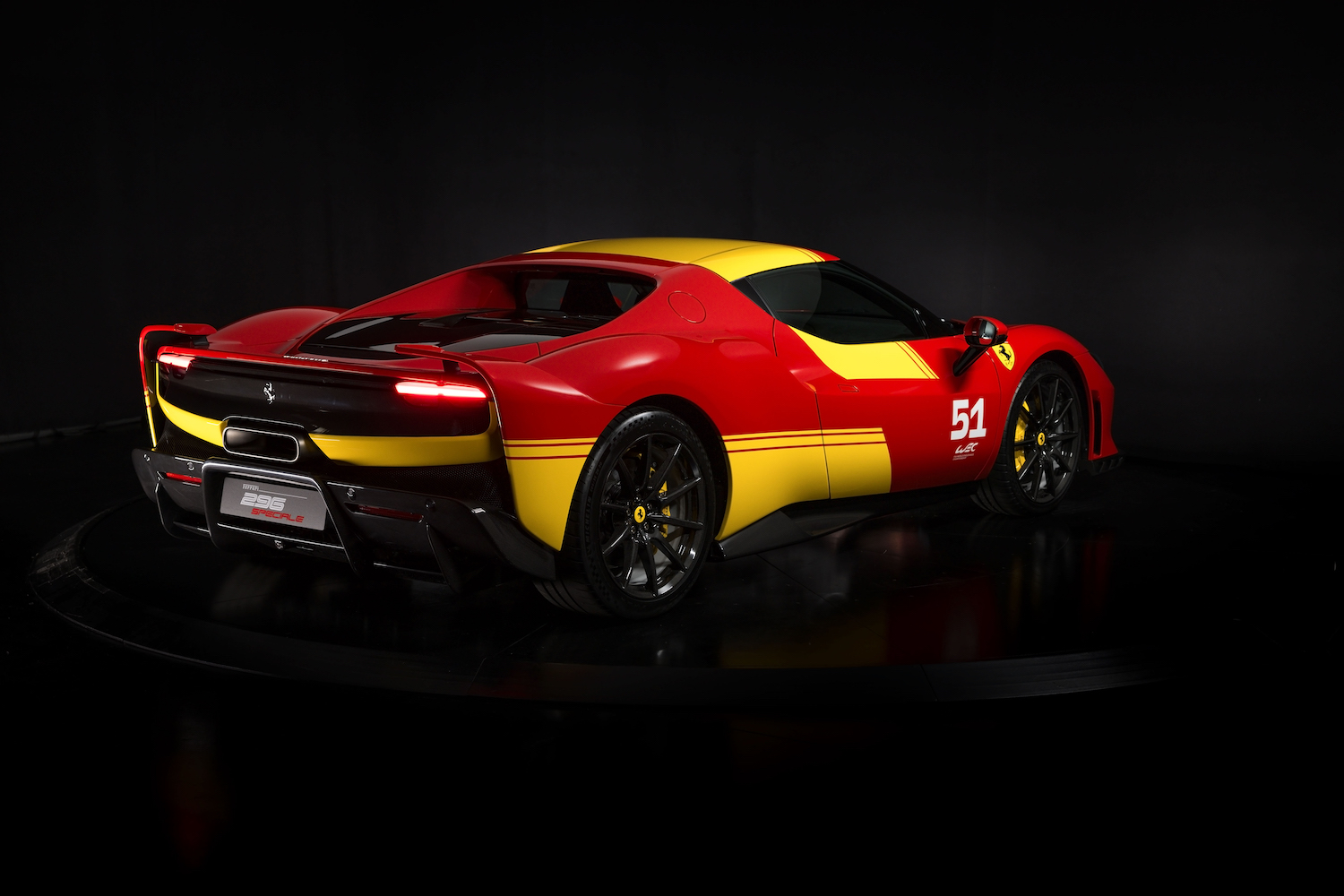
Piloti Ferrari 296 Speciale: an exclusive configuration reserved for Ferrari client-racing drivers [Photo Gallery]

What the World Cup Drink Drive Crackdown Means for Drivers This Summer

What Saltburn’s New Motorhome Parking Ban Means for Campervan Owners This Summer