Lift Kits and Wheel Offset Changes Could Throw Off Driver Assist Sensors, NHTSA Warns

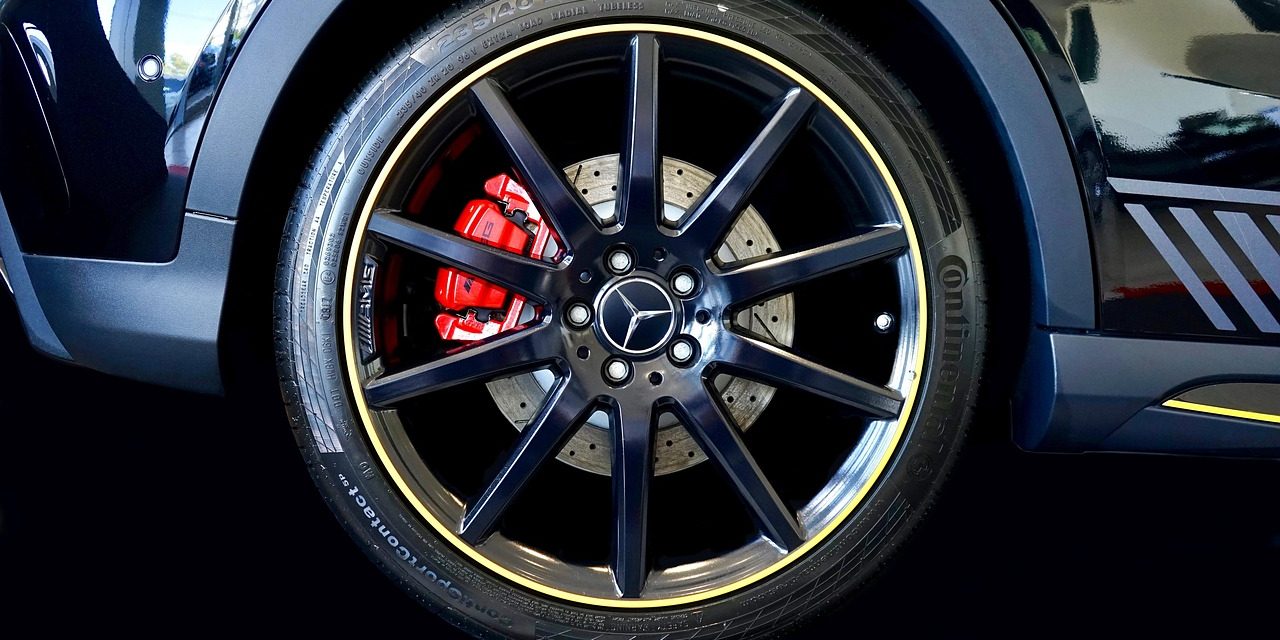
- NHTSA holds a free public workshop on Dec. 10, 2026, on how aftermarket changes affect the performance of driver-assist systems.
- The agency names ride height, bumper geometry, body panels and wheel offset as changes that could alter sensor calibration and weaken crash detection.
- The notice sets April 19, 2027 as the comment deadline, but Regulations.gov lists Jan. 27, 2027, so file early.
What Happens to Your Driver-Assist Sensors When You Change How Your Vehicle Sits?
If you lift a pickup, fit wheels with a different offset or replace a bumper cover, the National Highway Traffic Safety Administration is asking for your input. The agency says altering ride height, bumper geometry, body panels or wheel offset could hurt the performance of driver-assist systems by altering their calibration.
The stakes are spelled out in the agency’s own notice. Systems that are not calibrated accurately are likely to detect crash-imminent situations less well, and they could produce false activations, which the notice calls potential safety hazards. A false activation is the opposite failure, a system reacting to a threat that is not there.
NHTSA turns that concern into a one-day event on Thursday, Dec. 10, 2026. The workshop runs from 8 a.m. to 3:30 p.m. Eastern at the West Atrium of U.S. Department of Transportation headquarters, 1200 New Jersey Avenue SE in Washington. Registration is free and required by Dec. 3. The Federal Register document, number 2026-22067, is a notice of a public meeting. It proposes no rule and changes nothing for owners today.
What the Systems Do and Why the Agency Cares
NHTSA says 39,254 people died in motor vehicle crashes in 2024, and many of those crashes were tied to human error. Driver-assist technology is the agency’s answer, and its consumer page sorts the hardware into warnings and interventions.
Forward collision warning detects a potential collision with a vehicle ahead and alerts the driver. Lane departure warning tracks the car against lane markings and alerts the driver as the vehicle approaches or crosses them. Both are NHTSA recommended technologies. Blind spot warning and rear cross traffic warning cover the areas a driver cannot see.
Automatic emergency braking goes further and applies the brakes when a forward crash is imminent. NHTSA recommends the two types that meet its performance specifications. One adds braking when the driver brakes too lightly. The other, crash imminent braking, brakes when the driver does not brake at all. Lane keeping assistance steers the vehicle back toward its lane, and adaptive cruise control holds a set distance from the vehicle ahead.
The technology is spreading by design. Twenty automakers, representing 99% of U.S. light vehicle sales, committed with IIHS and NHTSA to make front crash prevention standard, and by the 2023 deadline each affirmed that at least 95% of its vehicles built in the preceding year, up to 8,500 pounds, carried it. In 2024 NHTSA finalized a requirement for front crash prevention on nearly all new vehicles rated at 10,000 pounds gross or less by September 2029. Under that rule, systems must brake automatically for a vehicle ahead at speeds up to 90 mph and for a pedestrian at speeds up to 45 mph, in daylight and in the dark.
IIHS research puts numbers on the payoff. Systems with forward collision warning and automatic braking cut rear-end crashes in half. Forward collision warning alone reduces them by 27%. Braking systems that recognize pedestrians cut pedestrian crashes by 27%, and blind spot detection reduces lane-change crashes by 14%. Those results come from systems working as designed.
What NHTSA Wants to Learn From the Workshop
The notice describes the workshop as a bridge between the automotive ecosystem and safety regulators. Industry stakeholders, technical experts and policymakers will examine engineering parameters, field realities and data frameworks. The stated goal is to explore practical, data-driven approaches to maintaining safety-critical driver-assist functions “while preserving vehicle owner autonomy in altering their vehicles.”
That wording leaves room for owners to keep modifying their vehicles, and the notice commits NHTSA to no outcome. The agenda arrives closer to the date on the NHTSA event page, and NHTSA recommends checking back for schedule changes. As time permits, attendees get a chance to ask questions after each panel.
Not everyone can fly to Washington. The workshop will not be live streamed, but NHTSA will record it and post the recording on its website afterward. The agency has also invited comments on the information presented, plus input on research needs, information gaps and actionable next steps. A truck owner who has run a lift kit for years, a collision shop that recalibrates sensors every week and a bumper manufacturer all hold the kind of field data the agency is asking for.
The Repair Bill Behind the Concern
Modifications are not the only way a sensor ends up out of line. A crash does it too, and that is where the money shows up. The U.S. Bureau of Labor Statistics puts the rise in the average price of vehicle repairs at more than 40% from 2020, much faster than inflation. Matt Moore, Chief Insurance Operations Officer at IIHS and its Highway Loss Data Institute, writes that the sensors behind automatic emergency braking and blind spot detection are expensive and often require calibration after replacement. Sensor work lands on top of the average car repair bill, a figure already climbing.
The Highway Loss Data Institute compared otherwise identical 2017 to 2022 model year vehicles with and without a bundle of driver assistance features. Collision claim severity, the dollar amount needed to settle a claim, ran about 10% higher for the equipped vehicles. Property damage liability severity ran 15% higher.
Claim frequency tells the other half. Equipped vehicles filed about 10% fewer collision claims and almost 40% fewer property damage liability claims. Overall losses, which multiply frequency by severity, came out about 5% lower for collision coverage and almost 30% lower for property damage liability. Moore puts the driver’s side of it in one line: “every crash avoided is a deductible you don’t need to pay.”
That is why calibration carries a dollar cost. NHTSA’s concern is that a system out of calibration detects crash-imminent situations less well, and the claim savings above depend on the system doing that job. The saving also depends on the owner leaving the systems on. In an IIHS-cited study of more than 2,000 vehicles arriving at dealerships of six automakers in 2023, automatic emergency braking was active in 93%. Among vehicles with lane departure warning but not lane departure prevention, 57% had the warning active. Drivers in many states also face insurance rises looming in 32 states, so every claim avoided counts.
What to Do Before and After You Change Your Vehicle
Nothing in the notice tells owners to stop modifying anything. The steps below are practical ones that follow from what NHTSA and IIHS have said.
Start with the owner’s manual. NHTSA tells drivers to review it for details on their vehicle’s technology and safety features, and it is the first place to learn which of the systems above your vehicle carries. NHTSA’s consumer page also lets you search by vehicle to see whether forward collision warning, lane departure warning or automatic emergency braking is available on your model.
Before a lift kit, a wheel and tire swap or a bumper replacement, ask the shop whether the work changes ride height, bumper geometry, body panels or wheel offset, the four parameters NHTSA names. Ask whether the shop recalibrates the driver-assist sensors afterward, whether that step is in the quote, and whether you will receive a record of it. IIHS says sensors often require calibration after replacement, so a bumper repair that skips the step is worth questioning.
After any of that work, watch the dashboard. A new warning light or a system that no longer engages is a signal to go back to the shop. So is a car that warns or brakes with nothing in front of it, which is the false activation NHTSA describes. NHTSA lists a Report a Safety Problem option on its website and its listed phone number is 888-327-4236.
Leave the systems switched on. IIHS notes that drivers who distrust the systems or find them annoying disable them, and a system that is off prevents nothing.
How to Take Part Before the Deadlines
To attend on Dec. 10, register through the link on the NHTSA event page by Dec. 3. Registration is free but required. NHTSA will provide a sign language interpreter and closed captioning. People who need another accommodation can say so when registering or email [email protected] by Dec. 3.
To comment, use docket NHTSA-2026-1882. Electronic comments go through the Federal eRulemaking Portal at regulations.gov, where the form limits a comment to 5,000 characters and accepts attachments. The notice also accepts fax at (202) 493-2251 and mail or hand delivery to Docket Management, U.S. Department of Transportation, 1200 New Jersey Avenue SE, West Building, Suite W58-213, Washington, DC 20590, between 9 a.m. and 5 p.m. on federal workdays. Every submission must carry the agency name and docket number, and NHTSA posts all comments without change, personal information included.
The deadlines do not agree with each other. The notice says the docket stays open for 90 days after the meeting and asks for comments no later than April 19, 2027. Ninety days after Dec. 10 is March 10, 2027, and Regulations.gov shows a comment due date of Jan. 27, 2027 for the same docket. Anyone who wants the comment counted should file by Jan. 27 and keep the confirmation.
Useful comments come from lived experience. Describe the vehicle, the modification, the shop and what the sensors did afterward. Those details are the field realities the workshop is built to collect.
Want more car content? Add us as a preferred source on Google to your favourites list for the best automotive news and analysis on the internet.
If you enjoyed this article, be sure to follow us on Microsoft Start.

Leave a Comment
More in News

Chery Omoda 5 Rear Axle Recall Covers 2023 Axle Parts (and What to Do)

Lexus Recalls 7,015 IS Models Over Takata Airbags, Free Fix Takes 4.5 Hours

Groton, Connecticut Cameras Issued 24,000 Tickets, $50 for a First Offense

Pittsburgh Red-Light Cameras Now Mail $100 Fines After 10,000+ Warnings
Ford Recalls 8,650 2022 Maverick Hybrids Over Loose Battery Cable Terminals
Trending on Motoring Chronicle

2027 Nissan Rogue Hybrid Reaches Dealers This Week With an EPA-Estimated 38 MPG Combined

120,000 Citroen Owners Face A Year Long Recall Queue

Why Carbon Build-Up Quietly Costs You Fuel and How to Tell If Your Engine Has It

Young Drivers Make Up 7% Of Licence Holders But Nearly 20% Of Those Killed Or Seriously Injured