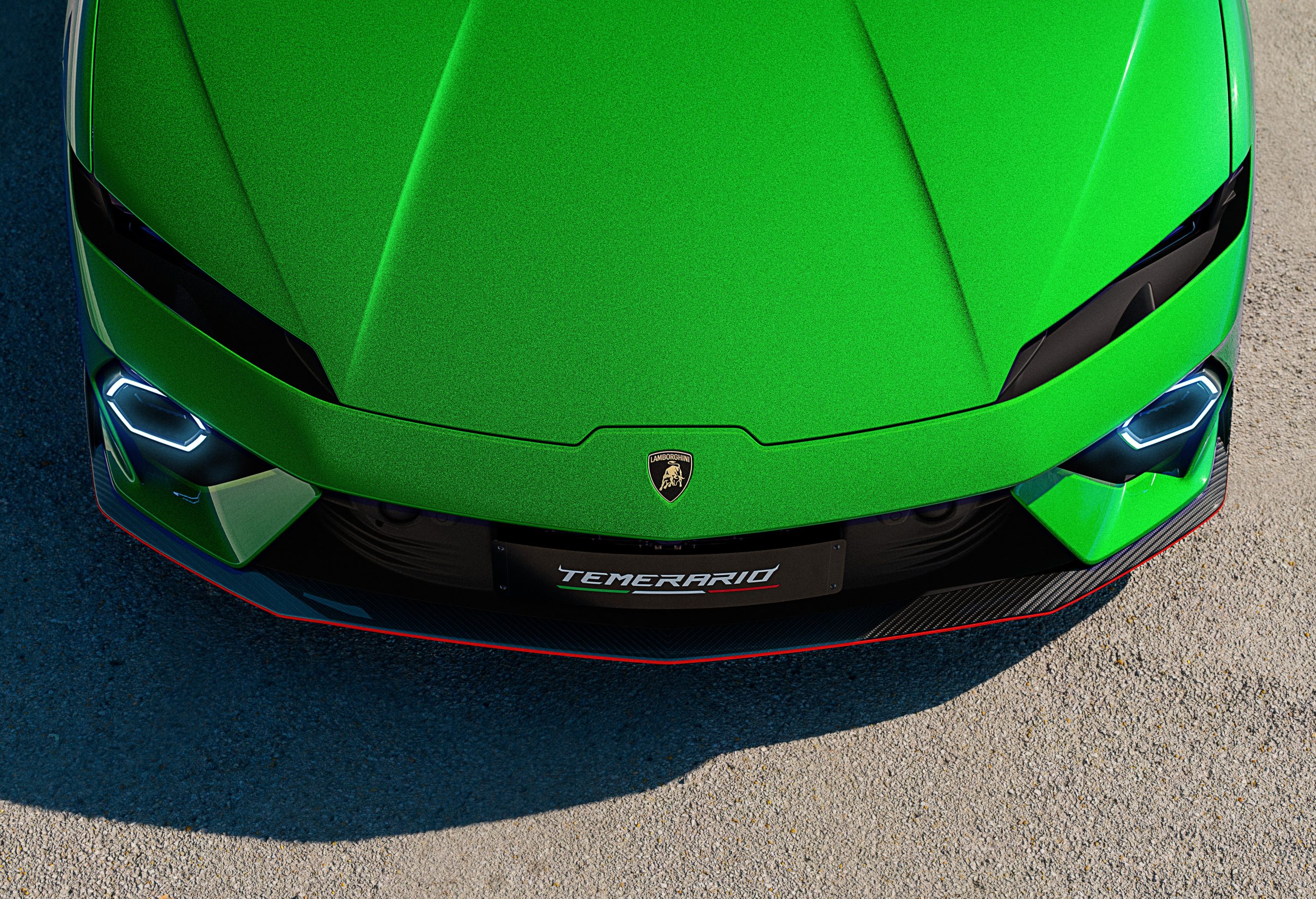
Introducing The Lamborghini Temerario: An Authentic “Fuoriclasse” [Photo Gallery]

Automotive image
Automotive image

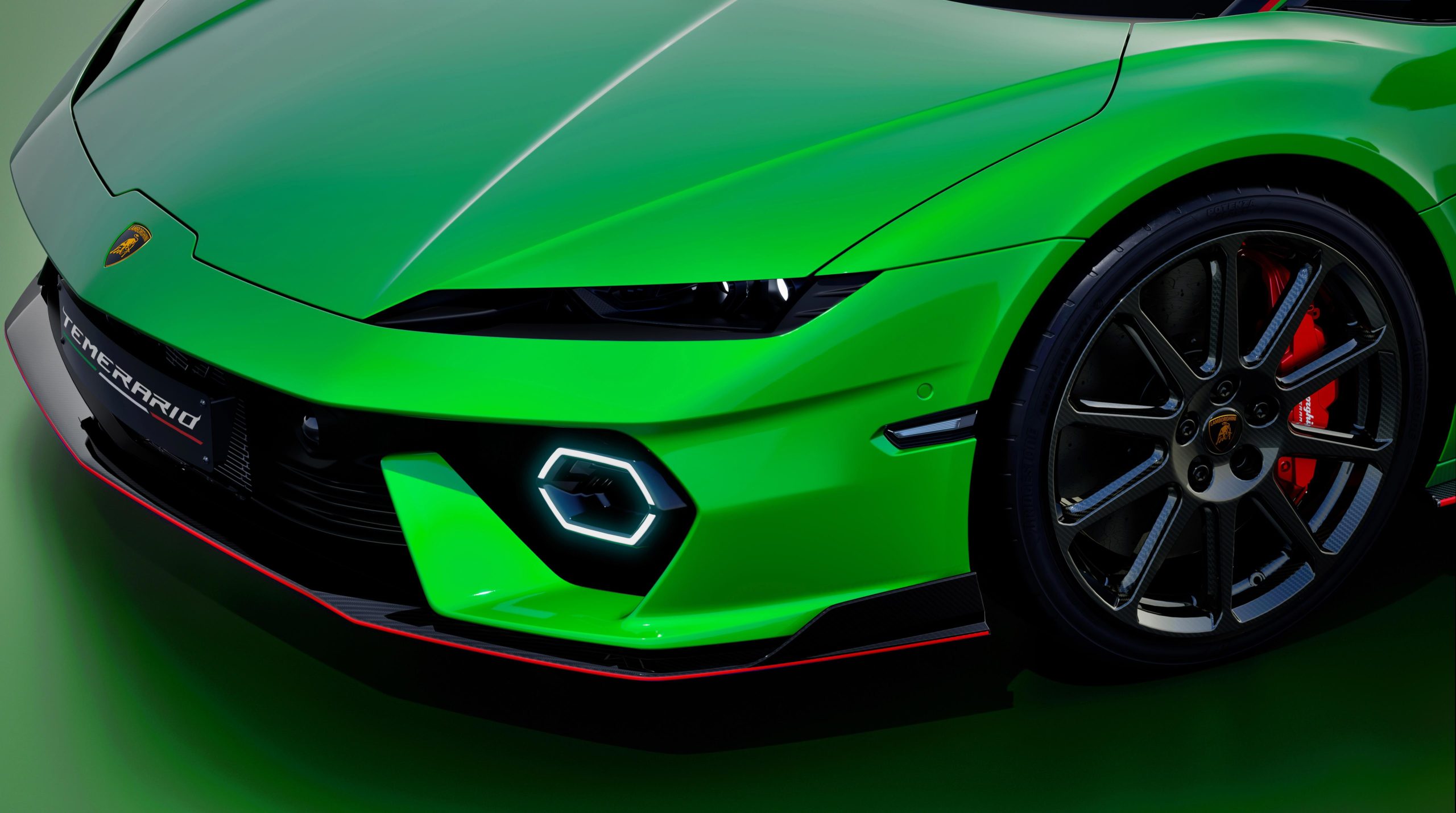
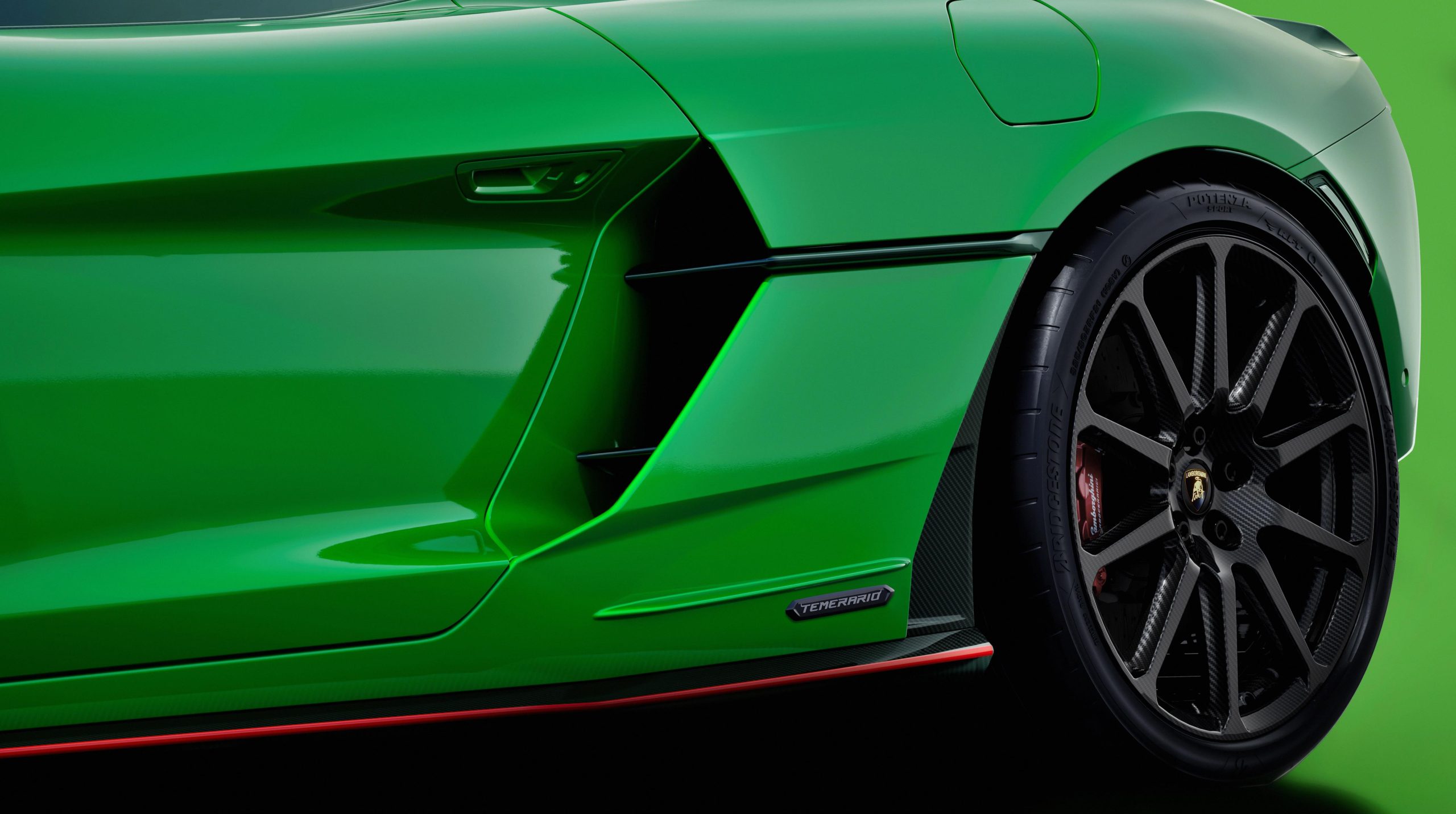
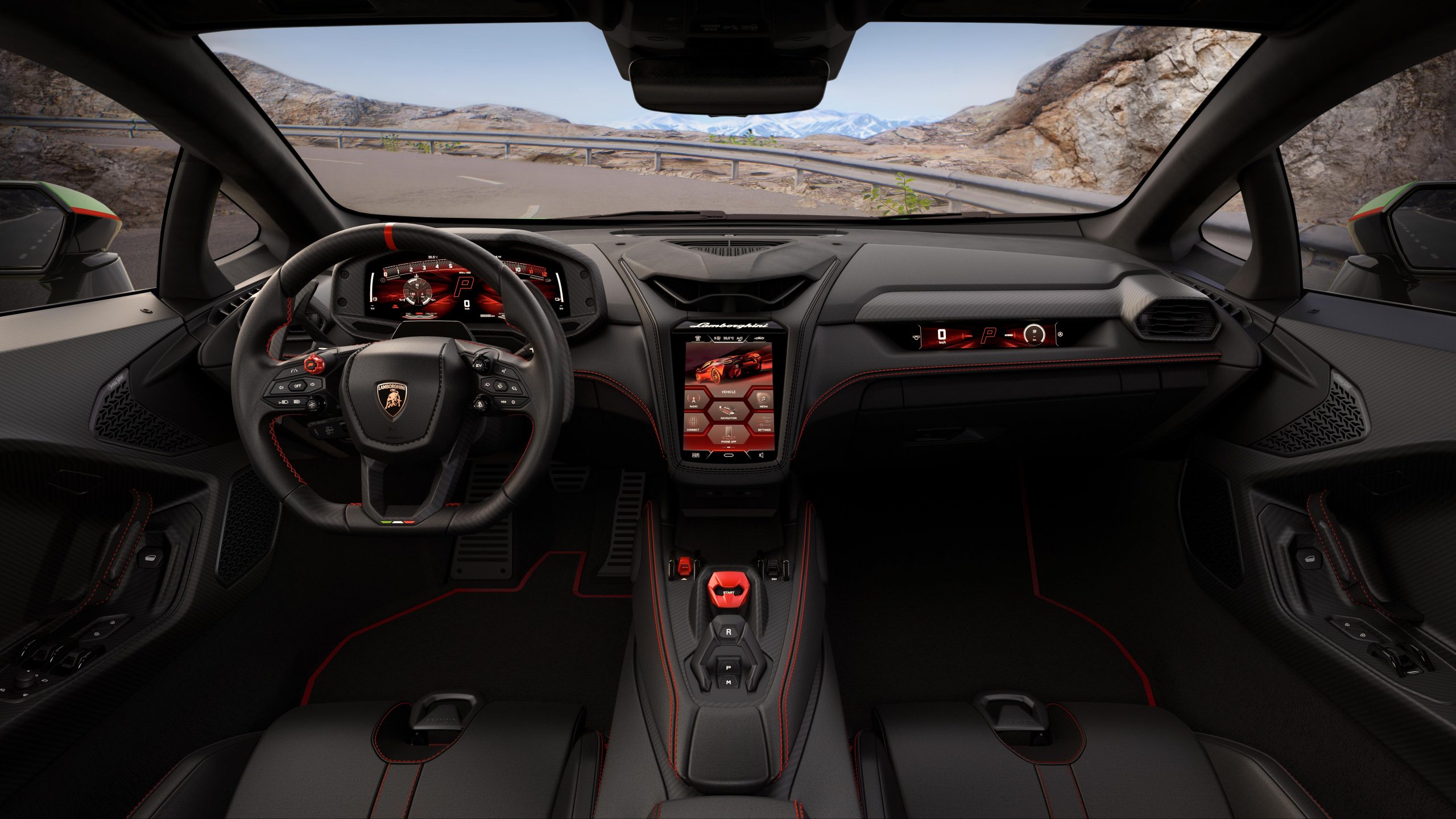
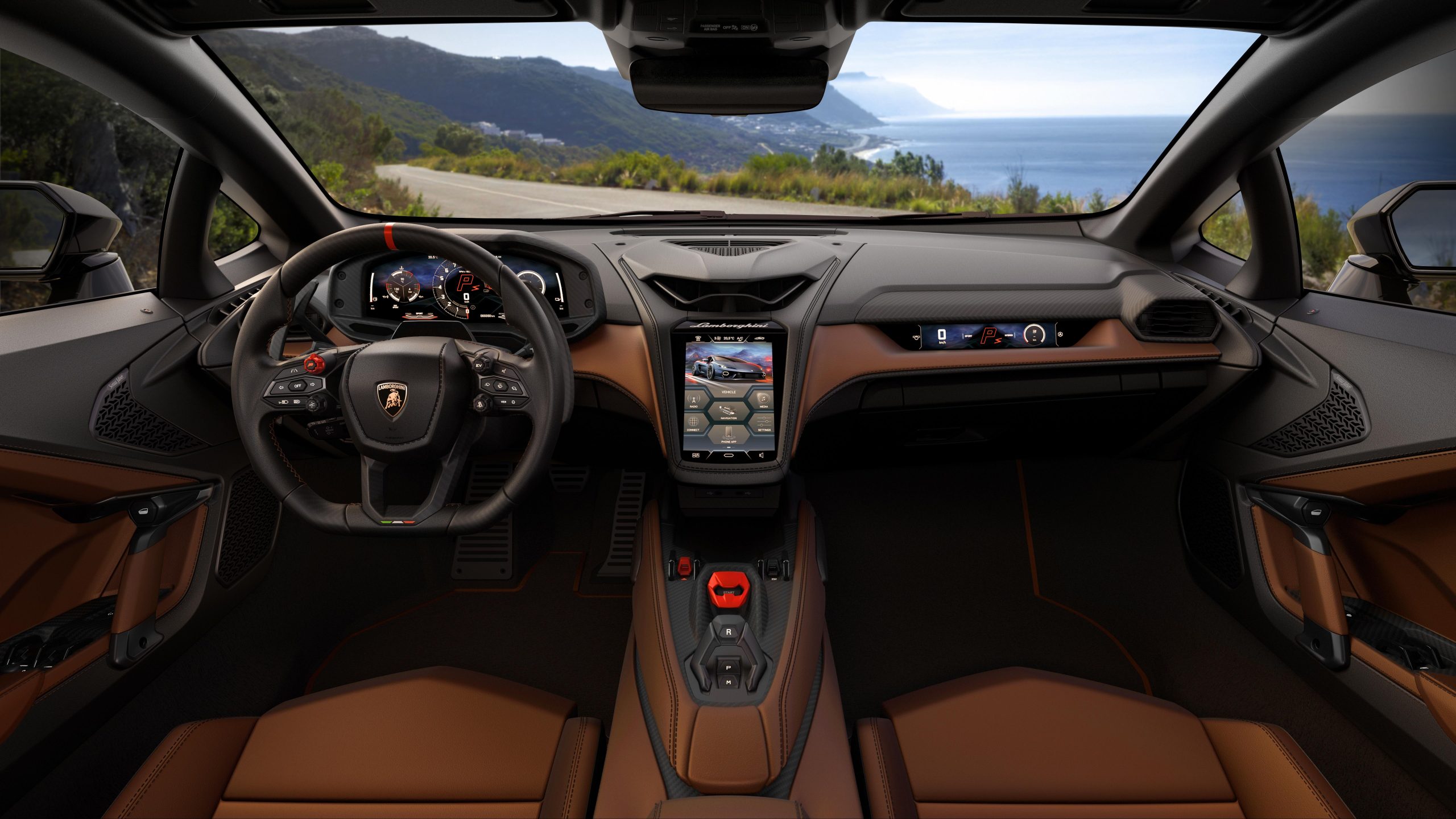
Automobili Lamborghini presents Temerario[1], the all-new super sports car equipped with a twin-turbo V8 hybrid powertrain that redefines the very concepts of performance, driving pleasure and comfort. The Temerario is the second model in the Lamborghini High Performance Electrified Vehicle (HPEV) range, after the Revuelto[2], and completes the hybridization of Sant’Agata Bolognese’s line-up following the market debut of the Urus SE[3].

A star of Monterey Car Week 2024, the Temerario presents itself as the new benchmark in the super sports car segment, thanks to class-beating performance. The new hybrid powertrain combines an entirely new twin-turbo V8 engine with three electric motors, providing a total power output of 920 CV. The twin-turbo V8 has been designed and developed from scratch in Sant’Agata Bolognese and is the first and only production super sports car engine able to reach 10,000 rpm. The performance is an absolute revelation: maximum speed of over 340 km/h (210+ mph), 0 to 100 km/h (0-62 mph) in just 2.7 seconds.

“The Temerario is a genuine ‘fuoriclasse’: a car in a league of its own, an extraordinary and innovative vehicle both from a technical and stylistic point of view,” says Stephan Winkelmann, Chairman and CEO of Automobili Lamborghini. “Every new Lamborghini must surpass its forerunners in performance terms, while at the same time being more sustainable from an emissions standpoint. With the Temerario, we have completed a key chapter in the electrification strategy included in our Direzione Cor Tauri plan: we also become the first luxury automotive brand to offer a completely hybridized range.”

[1] The vehicle is not yet offered for sale and is therefore not subject to Directive 1999/94 EC. The fuel consumption and emissions data are in the type of approval stage.

[2] Consumption and emission values of Revuelto: Combined fuel consumption: 11,86 l/100km; Combined power consumption: 10,1 kWh/100 Km; Combined CO2 emissions: 276 g/km; Combined CO2 efficiency class: G; Combined fuel consumption with discharged battery: 17,8 l/100km; Combined CO2 emissions and discharged battery efficiency classes: G; [WLTP].

[3] Consumption and emission values of Urus SE: Combined fuel consumption: 2,08 l/100km; Combined power consumption: 39,5 kWh/100 Km; Combined CO2 emissions: 51,25 g/km; Combined CO2 efficiency class: B; Combined fuel consumption with discharged battery: 12,9 l/100km; Combined CO2 emissions and discharged battery efficiency classes: G; [WLTP].

Jarrod

Jarrod Partridge is the founder of Motoring Chronicle and an FIA accredited journalist with over 30 years of experience following motorsport and the global automotive industry. A member of the AIPS International Sports Press Association, Jarrod has covered Formula 1 races and automotive events at venues around the world, bringing first-hand insight to every race report, car review, and industry analysis he writes. His work spans the full breadth of motoring — from the latest EV launches and road car reviews to the cutting edge of motorsport competition.

Leave a Comment

More in News

1920_youngdriversurveypic.jpg

Teenage Drivers in London Now Pay £2,928 for Car Insurance, Quotezone Reveals

Seventeen-year-olds insuring a car in London pay an average of ...
How Does Tire Pressure Affect Fuel Economy?

What Your Tyre Pressure Warning Light Actually Means (and How to Reset It)

The amber tyre pressure light means a tyre has lost ...
Photo of a windshield Chip Close-Up

How to Fix a Windscreen Chip Before It Fails Your MOT

A chip repair costs £40 to £70 in the UK ...
Doctor Explaining at the Consultation Desk

Millions of Older Drivers Could Now Pay Doctors £62.50 for a DVLA Medical Letter

The fee doctors charge to complete a DVLA driving licence ...
Closeup above application for a driving licence on the table.

What Every UK Driver Needs to Know Now the Digital Driving Licence Is Live

A digital version of the driving licence is now rolling ...

Trending on Motoring Chronicle

Parents can have a lesson at Young Driver to make sure bad habits haven’t slipped in

What Every Learner Must Know About the Theory Test Changes Coming in June 2026

The UK driving theory test is changing on 9 June ...
Depositphotos_165523768_L

How to Check All Your Car’s Fluids in Under 10 Minutes

Checking all of your car's key fluids takes less than ...
Freedom or safety for young drivers? UK can and must deliver both, says GEM 11/05/2026 SHARE: Images are for editorial use only. Experts gathering at Young Driver Focus in London on 13 May to press for action, not further delay Young drivers remain disproportionately at risk, with preventable deaths continuing on UK roads International evidence shows graduated driver licensing can cut crashes by up to 40% GEM Motoring Assist will return to the RAC Club, London, on 13 May as headline sponsor of Young Driver Focus 2026, renewing calls for decisive action to improve protection for newly-qualified drivers. Despite years of evidence and advocacy, the UK has yet to introduce a comprehensive system of graduated driver licensing (GDL) - a move GEM and other road safety groups say is costing young lives. GEM head of road safety James Luckhurst said: “We are long past the point of asking whether we should act. The evidence is overwhelming, and the consequences of delay are measured in lives lost and families devastated.” GDL is a phased approach that allows new drivers to gain experience under lower-risk conditions before progressing to full driving privileges. Common measures include limits on late-night driving and restrictions on carrying same-age passengers during the months after passing the test. International research consistently shows crash reductions of between 20% and 40% where GDL systems are in place. In some regions of Canada, reductions in young driver deaths have exceeded 80%. In the UK, drivers aged 17 to 24 account for around 20% of road deaths, despite making up just 7% of licence holders. Inexperience, distraction and overconfidence remain key risk factors - precisely the issues GDL is designed to address. GEM stresses that a well-designed system supports rather than penalises young people, and a recent TRL review1 found no significant negative impact on access to education, employment or social activity. GEM supports a system that extends structured learning, reduces known high-risk conditions and allows young drivers to build skills progressively and safely. GEM head of road safety James Luckhurst said: “We do many things well in the UK, particularly in driver training, but the current system offers too little structured support once someone passes the test. That’s where the real risk begins. “The choice is simple: continue with a system we know is failing too many young people, or take proven steps that will save lives. Doing nothing is not a neutral position - it is a decision with consequences… and Young Driver Focus offers a chance to translate the latest insight into real-world action.”
What the UK’s First Graduated Driving Licence Means for Every Learner Driver From October

Northern Ireland is set to introduce the most significant reform ...
ZF LIFETEC rearranges driver airbag on the steering wheel and creates design freedom

Toyota Owners Can Claim Up to $250 From a $78.5 Million Airbag Settlement

Toyota has agreed to pay $78.5 million to settle claims ...
KGM Musso Rhino

KGM Musso Rhino Pickup Launches in UK From £38,995 With 3.5-Tonne Towing

KGM Motors UK, the brand formerly known as SsangYong, has ...