Electric Car Repairs Now Cost UK Drivers 19 Percent More Than Petrol Cars


Fixing an electric car after a non-fault accident now costs UK drivers 19 percent more than fixing a petrol or diesel car, new repair industry data shows, with the average bill reaching £6,363.
- Average non-fault accident repair: £6,363 for an electric car versus £5,338 for a petrol or diesel car, a 19 percent gap
- Electric cars spend 25 days in the workshop on average, two days longer than petrol or diesel cars at 23 days
- The most common electric car repair requests are not battery-related: sensor failures average £809 and central locking failures average £899
Owning an electric car in the UK now means a bigger repair bill if it is ever in a crash. The AX Repair Index, drawn from data on more than 40,000 accidents handled annually by accident repair specialist AX and published in June 2026, found that non-fault accident repairs for electric vehicles cost an average of £6,363, compared with £5,338 for petrol and diesel cars. That is a gap of 19 percent, and AX says the cars also spend longer off the road: 25 days in the workshop on average for an EV repair, against 23 days for a combustion car.
AX puts the gap down to two factors: electric car parts cost more to source and replace, and even minor repairs on an EV frequently require sensor and camera calibration that petrol and diesel cars do not need, adding time and labour to jobs that would otherwise be simple on an older car.
The repairs that actually break are rarely the battery
A second, separate dataset published by warranty provider Warrantywise in July 2026 challenges the assumption that battery failure is the main financial risk of running a used electric car. Analysing its own repair request data, Warrantywise found the two most common electric car repairs are both ordinary components also found on petrol and diesel cars: sensor failures, averaging £809 per repair request, and central locking failures, averaging £899.
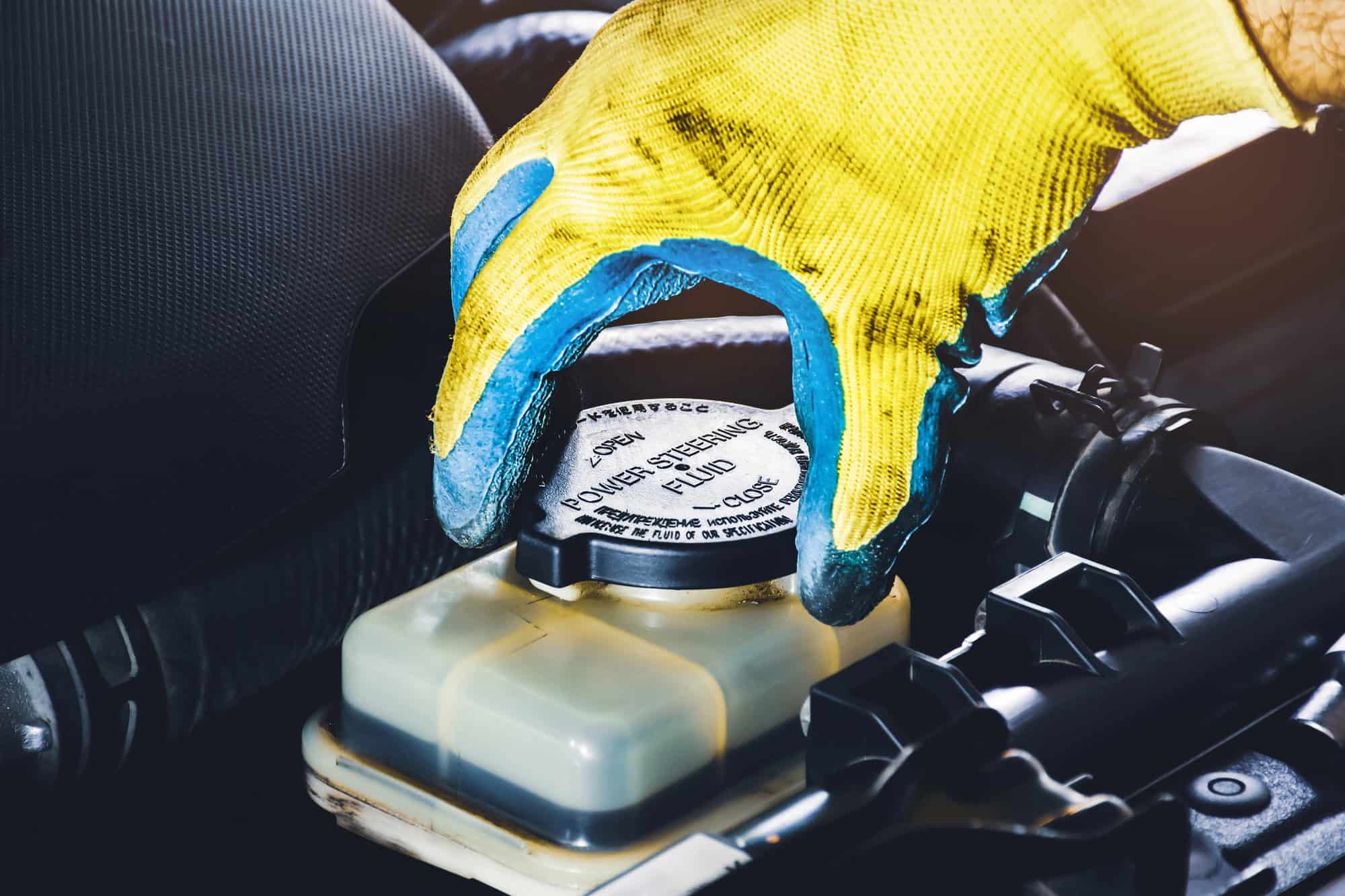
The third and fourth most common repair requests were wishbones, a suspension component, at £1,229, and auxiliary batteries, the small 12-volt battery that runs a car’s electronics rather than its motor, at £532. The only electric-specific item on Warrantywise’s top five list was the on-board charger, averaging £2,158 to repair. Battery pack failure did not make the top five at all. When it does happen, Warrantywise recorded an average repair request of £6,435, but the company says these cases remain rare relative to the volume of claims for standard components.
Antony Diggins, managing director at Warrantywise, said the data gives a “more balanced” view than the fear many used EV buyers have about battery costs. “The most regular repair requests we see are linked to familiar used-car components, from sensors and central locking to suspension and aux batteries, rather than the EV battery itself,” he said, adding that the figures were “an important message for dealers” in helping reduce misconceptions about used EV ownership without downplaying that repair costs can still be significant.
Put together, the two datasets tell a consistent story from different angles. AX’s figures show that when an electric car is in a collision, the bill and the wait are both bigger than for an equivalent petrol or diesel car, largely a result of parts costs and calibration requirements rather than the battery itself. Warrantywise’s figures show that outside of collisions, the components most likely to fail and need repairing on a used EV are the same everyday parts that fail on any car, just at broadly similar or higher cost than their petrol equivalents, with the on-board charger as the one EV-specific weak point worth budgeting for.
Neither dataset suggests battery replacement is a routine cost. Warrantywise’s own figures show battery failure sits outside the five most common repair requests, and previous industry reporting on EV battery health has found outright failure requiring full pack replacement remains uncommon within a normal ownership period. The bigger, more reliably documented cost pressure, according to both datasets, is what happens to an EV in an accident, and what breaks on the everyday components that every car, electric or not, eventually needs fixing.
The gap between what buyers fear and what actually breaks is worth understanding before anyone shortlists a used electric car. A £6,435 battery repair request sounds alarming next to a £532 auxiliary battery fault, but Warrantywise’s ranking puts the auxiliary battery, the sensor and the central locking mechanism well ahead of the main battery pack in terms of how often a claim is actually made. A buyer budgeting purely around the worst-case battery figure risks overestimating their real running cost, while underestimating how often the ordinary, cheaper parts on the ranked list are the ones that actually fail first.
The AX figures add a second layer that Warrantywise’s data does not capture on its own: what happens when the car needs bodywork rather than a mechanical or electrical repair. A car with a perfectly healthy battery and no sensor faults can still generate a bill 19 percent above a petrol equivalent simply by being in a low-speed, non-fault collision that requires a bumper, sensor and camera recalibration. That distinction, between mechanical and electrical faults on one side and collision repairs on the other, is the clearest way to read the two datasets together rather than as competing claims about EV running costs.
Can you reduce the cost if your electric car needs a repair?
The calibration requirement behind much of the AX gap is largely unavoidable. Advanced driver assistance systems on electric cars, including cameras and sensors used for lane-keeping and automatic braking, generally need recalibrating after even minor bodywork repairs, and skipping this step is not a safe way to cut costs, as it can leave safety systems misaligned. Drivers can, however, ask their repairer directly whether a bodyshop is manufacturer-approved and equipped to calibrate EV-specific systems in-house, as sending a car elsewhere for calibration adds the extra days AX’s data shows EVs already spend off the road.
For the everyday failures in the Warrantywise data, an extended warranty or used-car warranty that explicitly covers sensor, central locking, suspension, auxiliary battery and on-board charger faults is worth checking before buying a used electric car, as these are now shown to be the parts most likely to generate a claim. Buyers should ask what a warranty excludes as much as what it covers, as some cheaper policies limit or exclude on-board charger claims specifically, the one EV-specific item in Warrantywise’s top five.
Owners worried about battery health ahead of a used purchase can ask for a battery state-of-health check, now offered by most main dealers and a number of independent EV specialists, rather than assuming the worst from headline repair figures. Given how rarely battery failure appears in the claims data compared with sensors, locks and suspension components, a state-of-health check is a more targeted way to spend money than paying extra for battery-specific cover on a car that is statistically more likely to need a new sensor than a new battery pack.
Finally, drivers comparing insurance or warranty quotes for an electric car should ask providers directly whether their pricing accounts for the 19 percent repair cost gap AX identified, and whether the policy reflects the actual average repair times electric cars are recorded as needing. A quote that does not appear to account for either figure might not reflect the real cost of keeping the car on the road after a claim.
Drivers switching from petrol or diesel to electric for the first time should treat these figures as a running cost to plan around rather than a reason to abandon the purchase. Fuel and servicing costs for electric cars remain lower over most ownership periods than for petrol or diesel equivalents, and the AX and Warrantywise figures cover a specific slice of ownership, accident repairs and warranty claims, rather than total cost of ownership. A realistic budget means setting aside a higher repair contingency than a petrol driver would, while recognising that the components most likely to need that contingency are ordinary parts rather than the battery pack itself.
Sources: AX Repair Index, AX, published June 2026, based on data from more than 40,000 accidents handled annually; Warrantywise electric vehicle repair request analysis, published July 2026.

Leave a Comment
More in News
DfT Proposes Unlimited Fines for Removing Emissions Filters on Vehicles From 2001 Onwards

Windscreen Repairs Now Cost £283 on Average as ABI Reports Record £3.2bn Motor Payouts

What a Dangerous MOT Fail Means (and Whether You Can Drive Home)

2027 Jeep Gladiator Adds Sport S Trim and Factory 35-Inch Tire Package

Used Cars Under £5,000 Lost 3.4% of Value in August, Cap HPI Data Shows
Trending on Motoring Chronicle
Cabin air quality in cars: what helps and what doesn’t

The Updated Audi Q4 E-Tron Can Power Your House, Tow 1,800 Kg And Starts From £46,260
How to Jump Start a Car Safely (and Avoid Damaging the Electronics)

Blue Badge Holders Now Pay to Park as More Councils Scrap Free Spaces