How One App Could End the Chaos of Paying for Council Parking
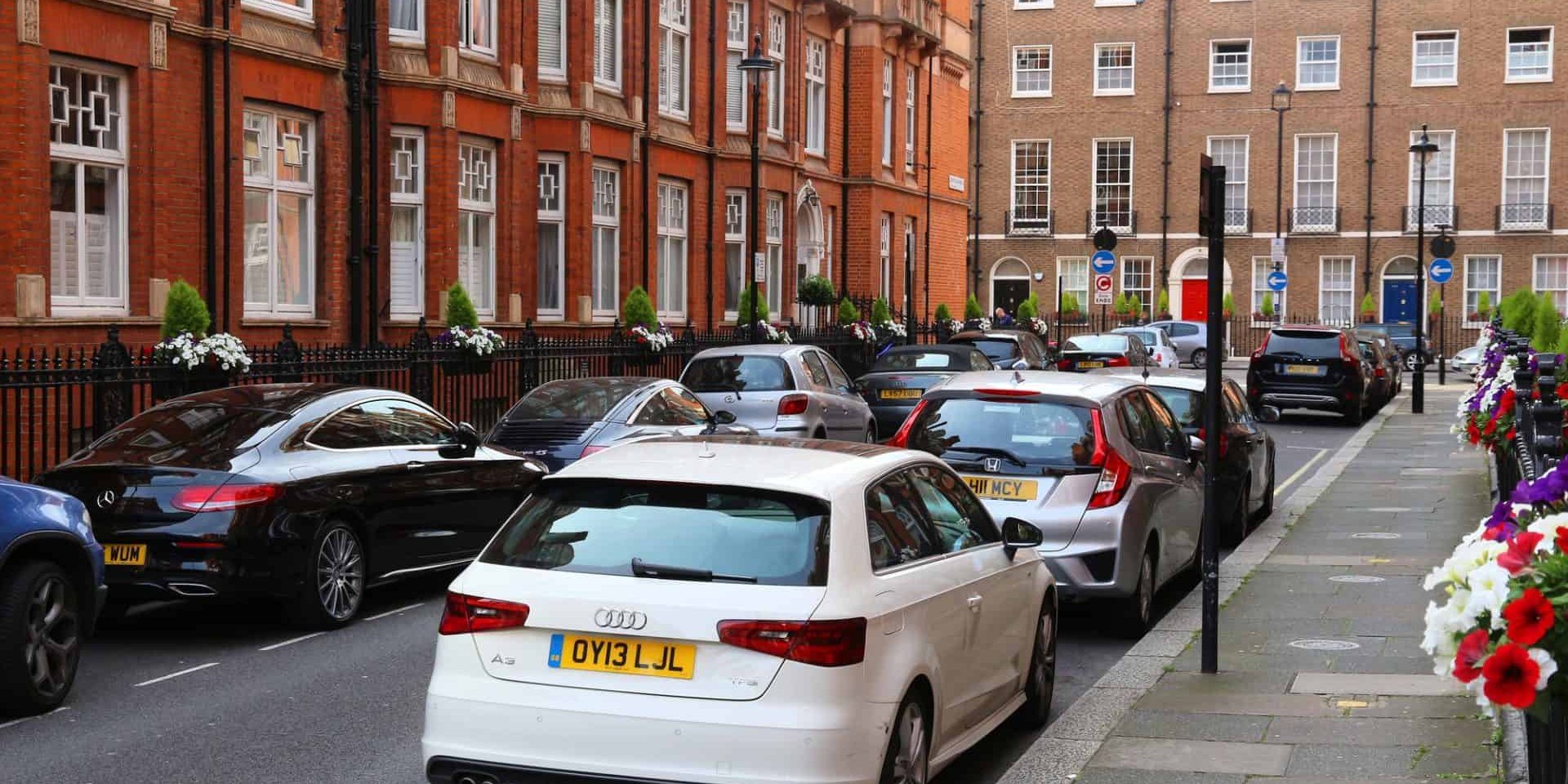

If you have ever stood in the rain in a strange town, squinting at a parking sign and trying to download yet another app before the next car bay sensor times out, relief is on the way. The Government is pushing councils across England to adopt the National Parking Platform, a behind the scenes system that lets you pay for council parking using whichever app you already have on your phone, in any car park that has signed up. No new download, no new account, no fumbling for the right one of half a dozen logos.
For the millions of drivers who have come to dread the app scramble, it is one of the more useful changes coming to everyday motoring. Here is how it works, who has signed up so far, whether it will cost you more, and what to do if an app failure has already landed you with a fine.
What the National Parking Platform actually does
The National Parking Platform, or NPP, launched as a pilot in May 2025. It is a not for profit, open system that connects parking apps and council car parks so they can talk to each other. Instead of each council tying its bays to one provider, the platform acts as a universal link, letting any approved app take a payment at any participating site.
In plain terms, that means you can keep using the app you already trust, whether that is RingGo, PayByPhone or JustPark, and pay with it wherever the platform operates. Six apps have signed up so far. The British Parking Association now runs the platform on a not for profit basis, and has pledged that it will not be used to push up parking charges.
The system has already proven it works at scale. During its pilot phase it processed more than 10 million payments without major problems. The Department for Transport has now issued fresh statutory guidance to speed up the roll out nationally, with the stated aim of doubling the number of councils taking part.
RAC senior policy officer Rod Dennis welcomed the move. “Paying to park a car should be one of the simplest tasks any driver does, but with a plethora of different mobile parking payment apps now in existence things have got a little more complicated,” he said. “The roll-out of National Parking Platform has the potential to change that, giving drivers the chance to use a single app of their choice. We now need as many operators as possible to join the scheme to make parking easier for everyone.”
Why the current system frustrates so many drivers
The scale of the problem is laid bare in the RAC’s own research. A 2025 survey of around 1,700 drivers found that almost three quarters, 73 per cent, of those who had used a mobile app to pay for parking in the previous 12 months had run into difficulties doing so. Many said they preferred the reliability of paying by bank card or cash, where it was still available.
The same survey found 13 per cent of drivers simply could not work out how to use a parking app at all. The picture is sharper for older motorists: the RAC reports that more than a quarter of drivers aged 75 and over have struggled with the existing patchwork of apps. For some, a failed payment at the checkout has meant a penalty charge notice for a space they fully intended to pay for.
App friction also feeds a wider grievance about how much paying by phone can quietly add to the bill. Convenience fees, text message charges and account top ups vary widely from one app and location to the next, a problem we examined in our look at how parking apps can add up to 50 per cent in hidden fees. The NPP does not abolish those individual app charges, but by letting you stick with the app you know, it at least removes the trap of being forced onto an unfamiliar provider with its own fee structure.
Which councils have signed up
So far around 15 local authorities have joined, including Tower Hamlets, Oxfordshire, Peterborough, Stevenage, Buckinghamshire, Walsall and Welwyn Hatfield, with Birmingham City Council named as one of the latest to come on board. Bolton began offering the platform to drivers in late February 2026. JustPark went live across Tower Hamlets through the NPP as one of the early roll outs.
The new statutory guidance is what should accelerate things. Statutory guidance is official Government advice that councils are expected to follow. It is not a fresh law, but it carries real weight: councils that decline to adopt the platform will need to justify that decision with solid evidence or risk legal challenge for holding out. That makes wider take up close to inevitable over the next couple of years.
Will it cost drivers more, and what comes next
On cost, the reassurance from the body now running the system is clear. The British Parking Association has confirmed the NPP will remain not for profit, meaning the platform itself should not push up parking tariffs. The aim, in the Government’s framing, is to make parking fairer and easier rather than more expensive.
The longer term ambition stretches well beyond car parks. The platform sits at the heart of a wider Better Connected initiative, and the goal is eventually to link road tolls, public EV charging and other travel payments into the same digital system. The vision is a single trusted app handling a toll on the motorway, a charge point top up and a town centre parking session on one journey. That is some way off, but the parking piece is the foundation being laid now.
It also lands at a moment when the rules around parking penalties themselves are being tightened up in drivers’ favour, as set out in our guide to what the new private parking code means for anyone who gets a ticket.
What to do
For now, keep the parking app you already use and watch for the platform reaching your area. The simplest check is to look at whether your local council appears on the list of participating authorities, which is growing steadily as the guidance takes effect. Where the NPP is live, you should be able to pay with your existing app at council run car parks rather than downloading the local provider.
If you have recently been hit with a penalty charge because an app failed to process your payment, do not just pay up. Council issued penalty charge notices can be challenged, and evidence that you attempted to pay, such as a bank record of a failed or pending transaction, can support an appeal. Many drivers win these cases when they can show the intention to pay was there.
Finally, if you struggle with apps, or you are helping an older relative who does, remember that many councils still accept card or cash at the machine, and you are entitled to use that option where it exists. The whole point of the platform is to reduce the digital barriers that have crept into something as routine as parking the car, and it should make the job noticeably less stressful as more councils sign up.
Sources:

Leave a Comment
More in News

How to Remove Moisture From Inside Your Headlight Before It Costs You £500
What Red and Amber Warning Lights Actually Mean (and Which Fail an MOT)

How to De-Ice Your Windscreen Fast Without Cracking It (and Staying Legal)

New Cars Face Euro 7 Rules From 29 November With a £264 Price Rise
What the Traffic Penalty Tribunal’s 33 Percent Success Rate Means for Every Driver
Trending on Motoring Chronicle

What the Mileage Allowance Jump From 45p to 55p Means for Every UK Driver

Private Parking Tickets Set to Hit a Record 17 Million as Drivers Confuse the Charges

Smoke Returns to NASCAR, Tony Stewart Joins Ram’s Free Agent Program With Kaulig Racing at Daytona Truck Race

Paris Motor Show 2026 highlights, with BYD and Denza leading the charge