
Classic Car Owners Now Pay £154 a Year to Insure, Up 26 Percent


Classic car insurance now costs £154.59 a year on average, up 26 percent from £123 in 2025, new data from Heritage Insurance shows.
- Average classic car insurance premium: £154.59 in 2026, up from £123 in 2025, a 26 percent rise
- Insuring a 2000s “modern classic” now costs £296.36 a year, more than three times the £89.01 paid for a 1940s car
- Drivers aged 25 to 34 pay £257.58 on average, almost £116 more than the cheapest group, drivers aged 65 to 74, who pay £141.46
Owning a classic car in the UK just got noticeably more expensive to insure. The Heritage Classic Car Report of 2026, published by Heritage Insurance, puts the average classic car insurance premium at £154.59, a rise of just over 26 percent on the £123 average recorded in the company’s 2025 report. The figures come from Heritage’s own book of policies rather than a survey of opinions, so they reflect what classic car owners are actually being charged, not what they expect to pay.
The increase lands at an awkward moment for a market that has otherwise been growing steadily. Heritage’s data shows the UK classic car insurance sector is now worth £835.9 million in 2026, according to research firm IBISWorld, up from £753.1 million in 2024 and comfortably past the pre-pandemic peak of £786 million recorded in 2019. The market dipped to £710.8 million in the pandemic years, as owners switched some vehicles to reduced-mileage Laid Up policies, before climbing back at a compound annual growth rate of 3.5 percent between 2020 and 2025.
Why “modern classics” are now the most expensive cars to insure
The clearest surprise in the data is which cars cost the most to cover. Heritage’s breakdown by decade of manufacture shows premiums rising steadily the newer the car gets, right up until they peak with vehicles built in the 2000s, which now attract an average premium of £296.36. That is more than three times the £89.01 charged for a car from the 1940s, and well above the £218.27 average for a 1990s car, the next most expensive decade.
Heritage puts this down to the values these “modern classics” now command as they cross the 20 to 25-year mark that typically defines classic status, alongside higher repair costs for cars with more complex electronics than pre-war or 1950s models. Pre-war vehicles, by contrast, tend to be worth less and are driven fewer miles, keeping their premiums down even as they age further.
Age of the driver, not just the car, also shapes the bill. Heritage’s figures show drivers aged 25 to 34 pay £257.58 on average, the highest of any age bracket, while those aged 65 to 74 pay just £141.46, the lowest. The gap narrows through middle age before premiums climb again for the oldest drivers, reaching £178.88 for those aged 85 and over. Heritage attributes the pattern to claims history: insurers price younger, less experienced drivers higher regardless of how carefully they treat a cherished classic.
The choice of car affects the bill too. Among the ten makes most commonly insured by Heritage, Mercedes-Benz owners pay the most at £208.66 a year on average, followed by Jaguar at £203.16 and Porsche at £185.50. At the other end, Triumph owners pay just £91.98, with MG at £99.88 and Austin at £105.60. Heritage says the gap broadly tracks the agreed values of the cars themselves, with premium German marques commanding higher valuations than the more affordable British classics that dominate club garages.
The report, based on a survey of 841 classic car owners combined with Heritage’s own policy data, also points to a wider historic vehicle movement that is growing even as insurance costs rise. The Federation of British Historic Vehicle Clubs’ 2025 National Historic Vehicle Survey found 1,934,178 historic vehicles now registered with the DVLA, up from around 1.5 million in 2020, with owners spending an average of £4,567 a year maintaining and enjoying them. The federation says the sector now contributes £7.3 billion annually to the UK economy and supports 34,500 jobs across 2,700 specialist businesses, while historic vehicles account for just 0.2 percent of all UK road mileage.
Ownership itself remains concentrated among older drivers. Heritage’s survey found the average classic car owner is around 66 to 67 years old, with 64 percent of respondents aged 65 or over, up from 58 percent in the 2025 report. The South East of England remains the country’s classic car heartland, home to 21 percent of the owners Heritage surveyed, ahead of the South West on 16 percent and the East of England on 13 percent.
Attitudes to the cars as investments have cooled alongside the premium rises. Just 43 percent of owners now agree classic cars are a good investment, down from 53 percent a year earlier, and only 22 percent expect values to rise over the next 12 months, down from 31 percent in 2025. Owners remain attached to their cars regardless: 47 percent said they would not sell the car were its value to double, and 92 percent agreed classic cars should be protected as part of Britain’s cultural heritage.
Can you avoid paying more?
There is no way around the fact that classic car insurance has become more expensive across the board, but the data points to several ways owners can keep their own premium closer to the lower end of the range.
Agreed value cover, offered free by Heritage and most specialist classic insurers, fixes a payout figure in advance rather than leaving a claim to a standard market valuation, which protects owners from being underpaid after an accident or theft without adding to the premium. Limited-mileage policies are worth checking too: Heritage’s survey found most owners drive under 2,000 miles a year, and low-mileage declarations typically bring meaningful discounts, as insurers price risk partly on how often a car is on the road.
Storage affects the quote as well. The survey found 82 percent of owners keep their classic in a private garage rather than on a driveway or at a commercial storage facility, and secure off-road storage is one of the more reliable ways to reduce a premium, as it lowers the risk of theft or weather damage that insurers factor into their pricing.
Club membership can also help. Some insurers, including Heritage, offer discounts for members of recognised car clubs, and 69 percent of owners in the 2026 survey belonged to at least one. Joining a club relevant to a specific marque is free or low-cost in most cases and can bring a modest reduction alongside the community and technical support clubs typically offer.
Owners of pre-1980s vehicles are, on the current data, already paying less than those with newer “modern classics”, so anyone with a car from the 2000s facing a steep renewal quote would find it worth asking their insurer directly what is driving the figure, whether that is the agreed value, the specification, or wider claims trends for that model. Comparing quotes across two or three specialist brokers rather than accepting a single renewal offer remains the most direct way to test whether a premium reflects the wider market or sits above it.
Owners with more than one classic car, a group that made up 47 percent of Heritage’s 2026 survey, can also look at multi-car policies, which bundle several vehicles under a single agreement and can bring the combined premium below the total of separate policies for each car. Brokers who specialise in a particular marque or era, rather than general insurers who also cover classics as a side line, tend to have a clearer grasp of typical repair costs and parts availability for older vehicles, which can translate into a more accurately priced quote rather than a defensive one based on limited data.
The timing of a renewal is worth planning around too. Owners who declare accurate, lower annual mileage well ahead of a renewal date, rather than adjusting a policy mid-term, are more likely to see that figure reflected cleanly in the new quote. With the market now larger than at any point on Heritage’s record and premiums up across every age and make bracket in the 2026 data, the clearest lever most owners have left is shopping the renewal properly rather than assuming last year’s insurer remains the cheapest option.
Sources: The Heritage Classic Car Report of 2026, Heritage Insurance (published 2026, comparing 2026 survey and policy data with the Heritage Classic Car Report of 2025); classic car insurance market valuation data from IBISWorld, July 2025; the Federation of British Historic Vehicle Clubs’ 2025 National Historic Vehicle Survey, published October 2025.

Leave a Comment
More in News
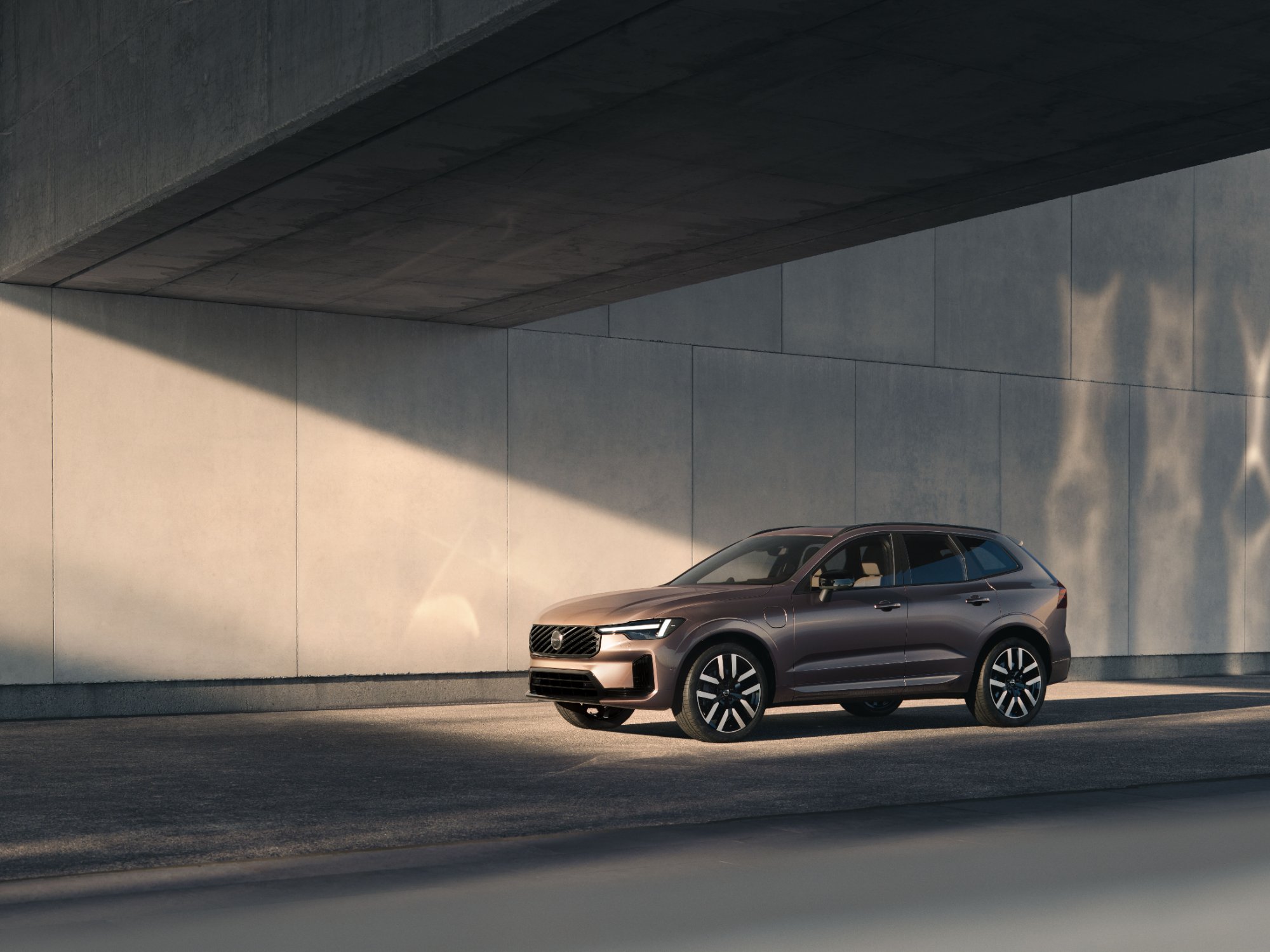
Volvo XC60 and XC90 Add Long-Range Hybrids with 124-Mile EV Range
How to Remove Moisture From a Car Headlight (and Stop It Coming Back)
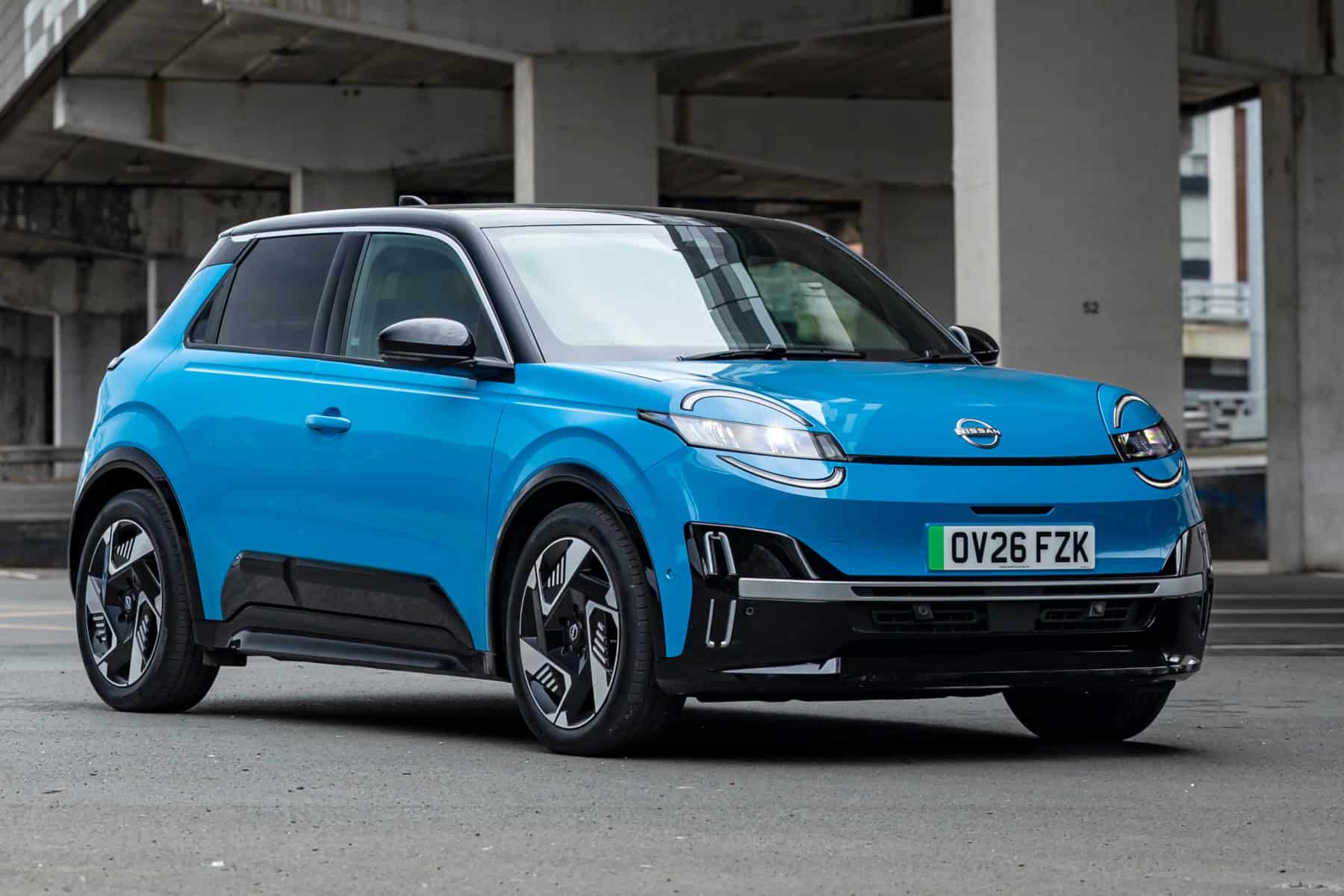
Nissan Micra review: Impressive EV supermini with seriously good genes

TfL Rolls Out Speed Cameras in Nine London Boroughs That Detector Apps Cannot Find

DVSA Rolls Out MOT Photos Nationwide After 1,809 Cases of Fraud
Trending on Motoring Chronicle

What Actually Changed Inside the UK Driving Test on 12 May and What Learners Must Do Now

Half of Gen Z drivers give their car nicknames, with Baby being the most common

One in Three New Cars Must Be Electric in 2026 – Car Makers Face £15,000 Fines Per Vehicle for Every Shortfall
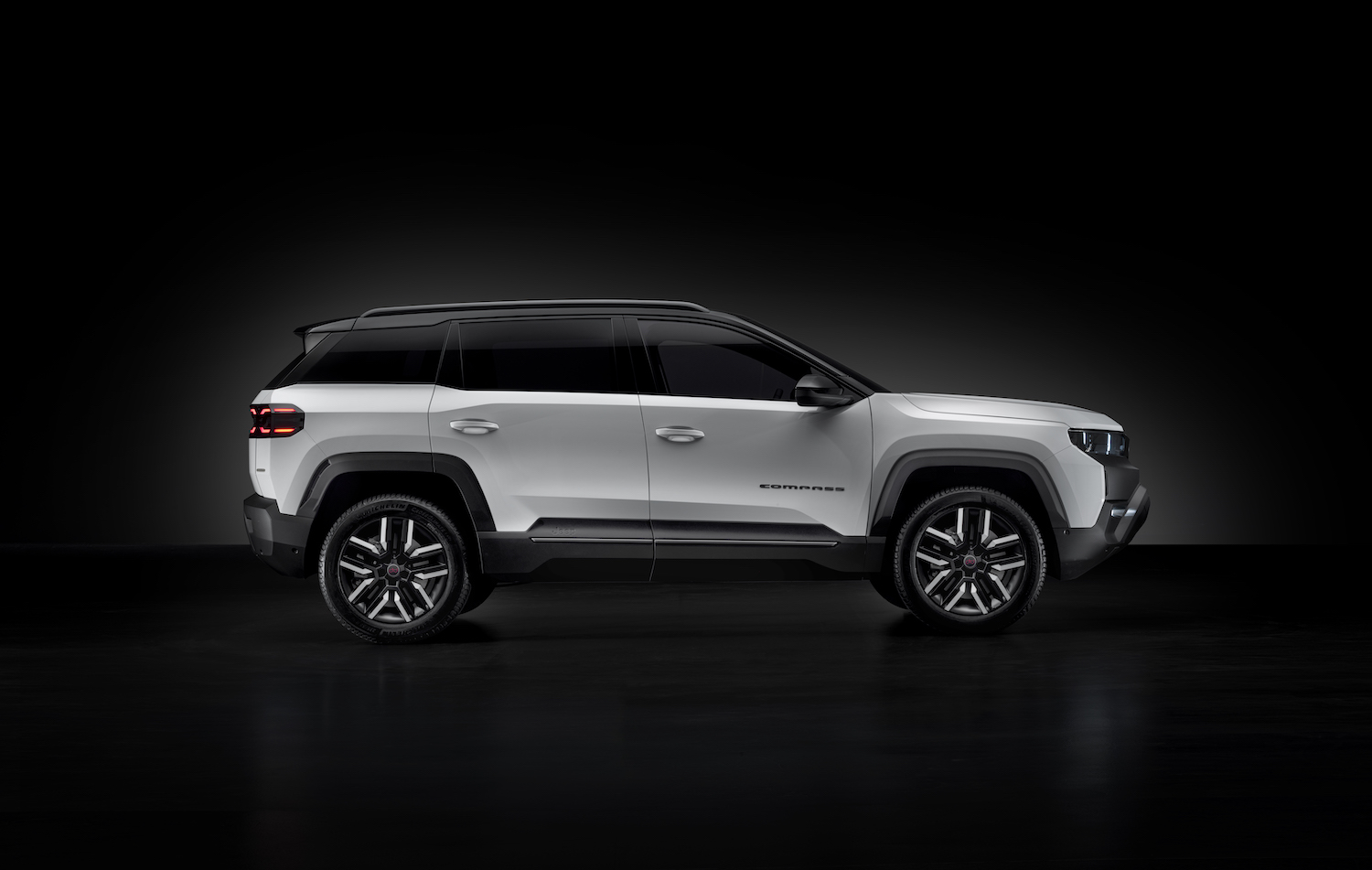
Introducing the all-new Jeep Compass [Photo Gallery]
