
Why Flood Damage Now Costs UK Drivers £6,638 a Claim as Risk Peaks This Month

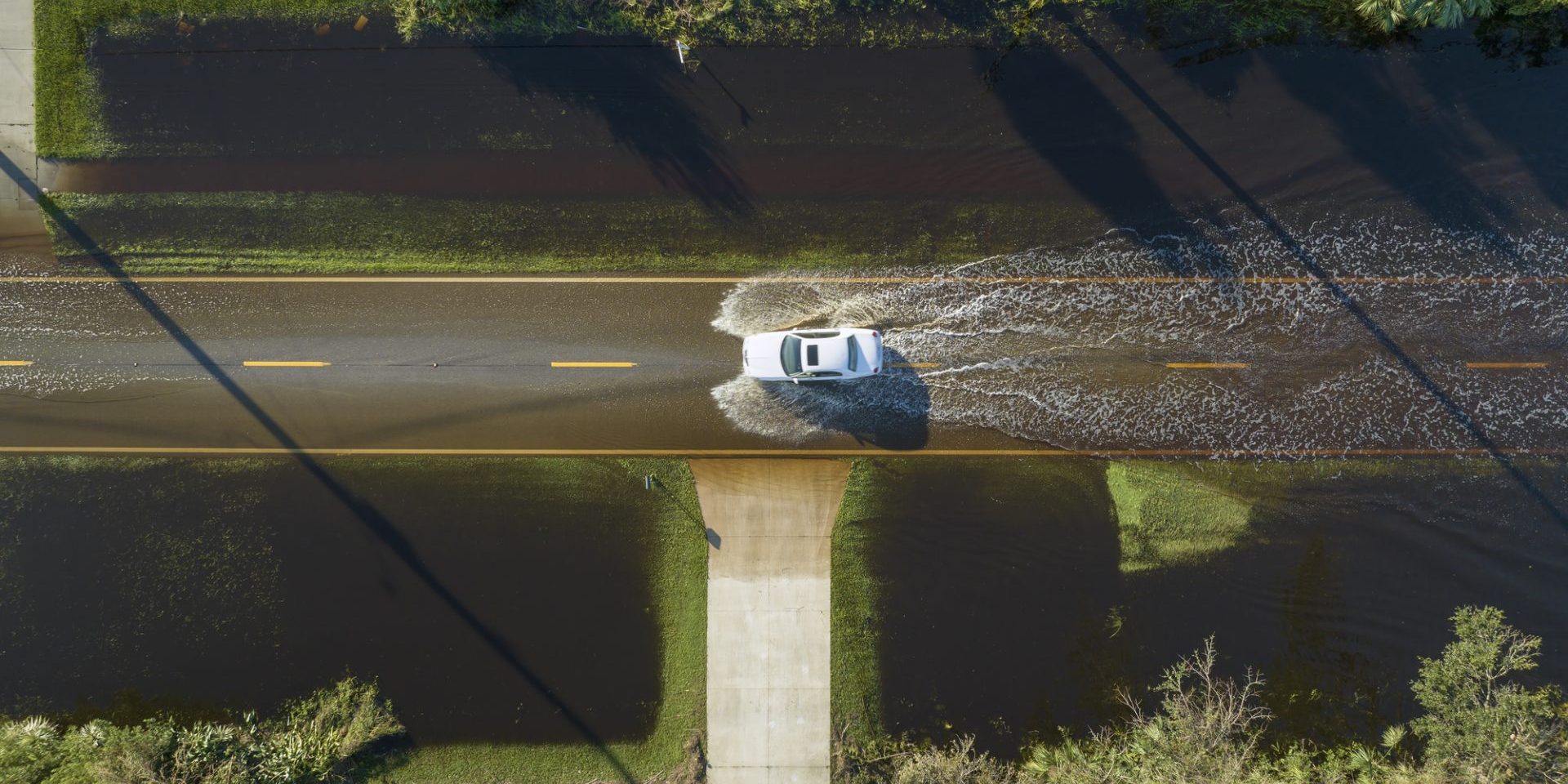
- Aviva data shows October produces almost a fifth of all motor flood claims made each year, with the average flood claim now costing £6,638 in vehicle damage.
- Around 60 percent of flooded cars end up written off rather than repaired. Water reaching a car’s wiring and electronics is rarely worth fixing on anything but the newest models.
- Fully inclusive cover policies protect against flood damage as standard, but third party only cover does not, and driving through standing water after a flood has already started can void a claim entirely.
The Month Insurers Dread Most
Motor flood claims do not arrive evenly across the year. Aviva’s claims data shows a rise of 149 percent between August and September, followed by a further jump of 190 percent between September and October, with October alone accounting for close to a fifth of every flood claim an insurer sees annually. For drivers, that means the next few weeks carry a far higher chance of flood damage than any other point on the calendar, well before winter ice and snow start making headlines.
The average flood claim now costs £6,638 in vehicle damage, and around 60 percent of claims end with the car written off completely rather than repaired. For cars that can be saved, the average repair bill still runs to £5,872, according to the same insurer figures, which is not far behind the cost of a full write-off once labour, parts and inspection time are added up.
Why So Many Flooded Cars Get Written Off
Water does not need to reach the seats to total a car. Modern vehicles route dozens of electronic control units, sensors and wiring looms through the footwells and under the floor, exactly where floodwater sits longest. Even 30cm of standing water can reach this wiring and cause damage that costs more to trace and repair than the car is worth, especially on older or lower value models. Insurers weigh the repair estimate against the vehicle’s market value, and once electronics are involved that estimate climbs fast, which is why deeper or prolonged flooding so often ends in a Category N write-off rather than a repair.
Newer cars with advanced driver assistance systems face an added complication. Cameras, radar units and parking sensors mounted low on the bumper or behind the windscreen are among the first components exposed to rising water, and replacing them individually can cost more than insurers are willing to authorise once a vehicle is already several years old.
Who Pays, and When Cover Does Not Apply
Fully inclusive car insurance covers flood damage as standard in the UK, treating it in the same category as storm damage. Third party, fire and theft policies, and basic third party only policies, do not cover flood damage to your own car at all. Drivers on those cheaper policies who lose a car to flooding get nothing back for the vehicle itself, only for damage they cause to someone else’s property.
Cover can also be reduced or refused if a driver knowingly drives into standing water after a flood warning has already been issued for the area. Insurers treat this as avoidable risk rather than an unforeseeable event, so a claim made after deliberately crossing a flooded road can be challenged or reduced even under a full cover policy.
The Hidden Cost of a Write Off: Negative Equity
A car written off for flood damage is paid out at its market value immediately before the flood, not at the price the owner originally paid for it or the balance still owed on any finance agreement. For anyone still paying off a PCP or HP agreement, that payout can fall well short of the settlement figure needed to clear the finance, leaving the driver with no car and an outstanding debt. GAP insurance, bought separately from the main policy, covers exactly this shortfall, and drivers who financed a car within the last two or three years are the ones most exposed if they do not already have it in place. Checking whether an existing GAP policy is still active, and what it actually covers for a flood specifically rather than just a collision, is worth five minutes before the risk period begins rather than after a claim has already been refused on a technicality.
Commercial and van drivers face a sharper version of the same problem. A written off van used for work often needs replacing within days rather than weeks, and business insurance policies vary far more than personal ones on whether a replacement vehicle or loss of earnings is covered while a claim is processed, so tradespeople in particular should check the small print on their own policy now rather than assuming standard cover applies.
A Trend That Keeps Getting Worse
Flood claim costs have not simply held steady from one year to the next. The average claim for a total loss has climbed from £4,133 in 2022 to £13,966 more recently, an increase of well over 200 percent in under three years, far outpacing general inflation or the rising cost of car parts and labour on their own. Insurers point to two compounding factors behind that rise: more frequent and more intense rainfall events overwhelming drainage systems built decades ago, and the growing share of a typical car’s value sitting in electronics that water destroys instantly rather than in mechanical parts that can sometimes be dried out and reused.
For drivers, that trend is worth more attention than the headline average claim figure. A policy that felt adequately priced two or three years ago can easily fall short of what a real flood claim now costs to settle, and premiums have adjusted upward as a direct result. Checking the actual level of cover on a policy, rather than assuming last year’s premium still buys the same protection, is a five minute job worth doing before the risk period arrives rather than after a claim has already gone in.
What to Do Before and After a Flood
The Environment Agency’s flood warning service at gov.uk lets drivers check live flood alerts for their postcode and sign up for text warnings before water rises. Moving a car to higher ground, a multi storey car park, or simply a road on a slope away from rivers and low lying junctions, is the single most effective way to avoid a claim altogether. Several insurers, including Aviva, now offer app based flood alerts tied to a customer’s registered address and vehicle location for exactly this reason. Local council flood defence pages, published for most river and coastal towns, also list historic flood extent maps that show which streets and car parks have flooded before, which is often a more useful guide than a live warning for deciding where not to leave a car parked overnight in a wet spell.
If a car has already been driven through water, or floodwater has risen around it while parked, the advice from breakdown providers is consistent: do not attempt to start the engine. Water pulled into the engine through the air intake can cause instant and expensive damage known as hydrolock, turning a survivable soaking into a written off engine. Call for recovery instead, photograph the water level against the car for the insurance claim, and report the loss to your insurer as early as possible. Flood claims processed quickly tend to secure a faster courtesy car and a quicker written off decision than ones reported days later.
With river levels already elevated in parts of the country after a wet end to summer, the four week window that typically produces the year’s worst flood claims is only just beginning. Drivers who check their cover now, rather than after water is already at the door handles, are the ones most likely to avoid becoming part of next year’s claims data.
Sources:

Leave a Comment
More in News

America Is Investigating This Engine. Britain Has Not Recalled One Car

Why Connecticut Drivers Cruising in the Left Lane Now Face an $88 Fine
Hurricane Isaias Flooded Thousands of Cars That Could Reach Used Lots

Gas Prices Jump to $4.36 a Gallon as the National Average Rises 40 Percent in a Year

NHTSA Recalls Over 346,000 Vehicles From Ram, Ford, VW and Land Rover
Trending on Motoring Chronicle
Why Your Car Battery Dies in Cold Weather and the Fix That Works

The ‘Few Off’ Lamborghini Fenomeno: a ‘Design Manifesto’ and the most powerful V12 ever [Photo Gallery]

How Does Tire Pressure Affect Fuel Economy?

Bentley breaks the ice with FAT International
