
Nissan Micra review: Impressive EV supermini with seriously good genes
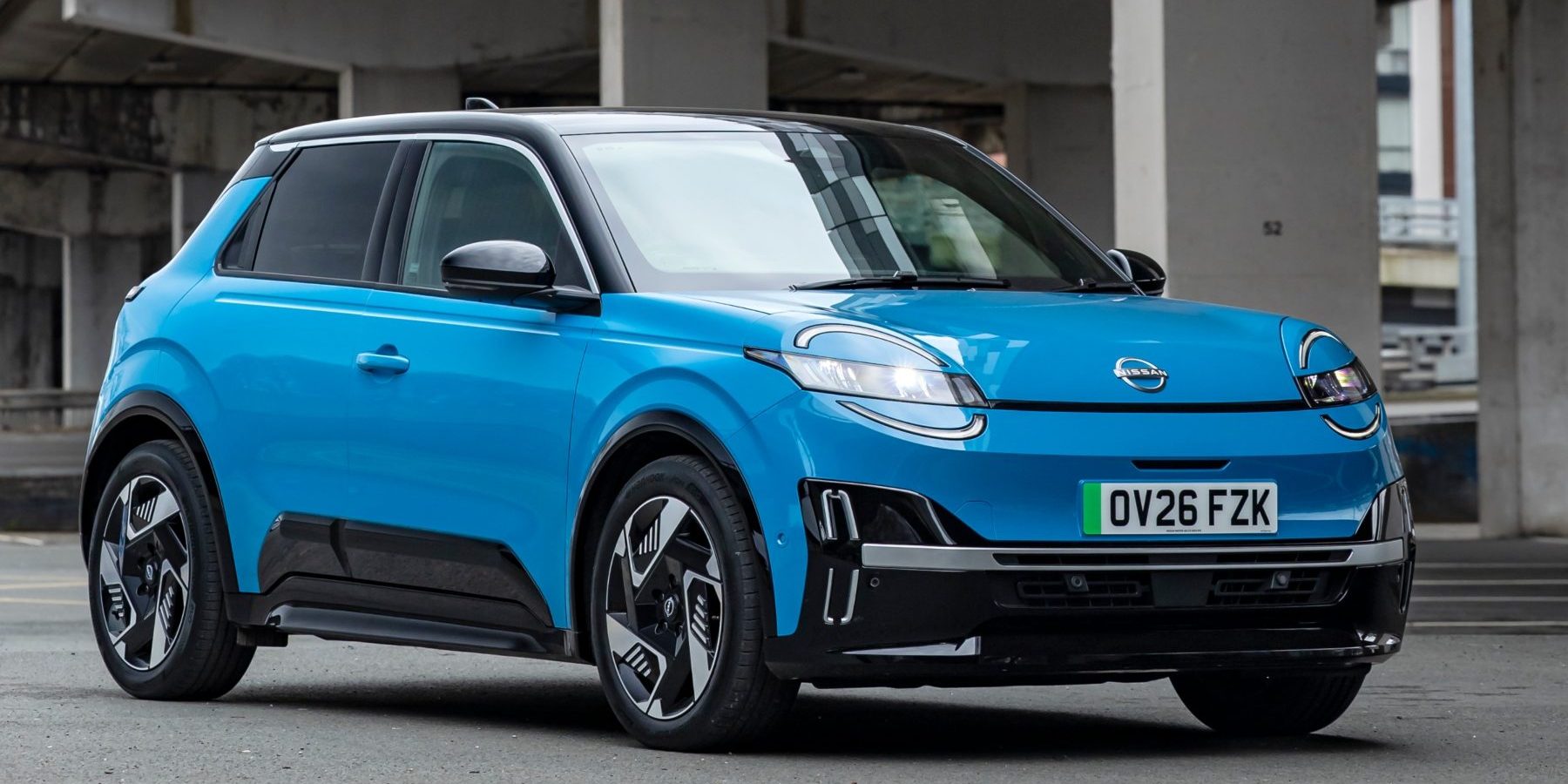
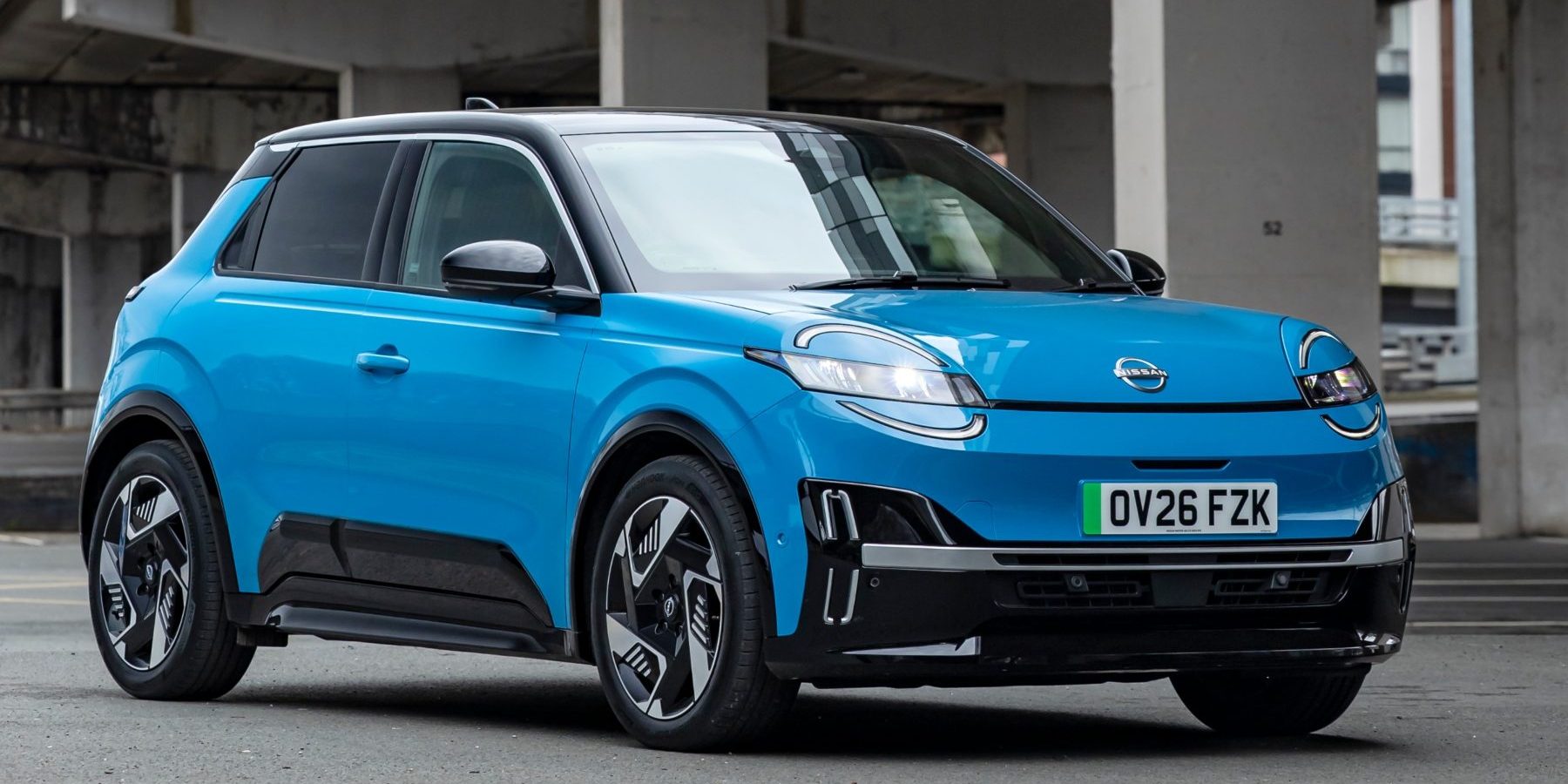

We get behind the wheel of the best-ever Nissan Micra – now reborn as an electric supermini
In an ideal world, I suspect Nissan would prefer it if I waxed lyrical about the sixth-generation Micra without mentioning its cousin, the Renault 5 E-Tech.
Unfortunately, the fact is that apart from different badges and some styling tweaks, these two EVs are much the same.
And I don’t mean that in a bad way. After all, the Renault 5 has won multiple awards, including UK Car of the Year.

Believe it or not, all the exterior metal and plastic panels, including the doors and bonnet, are unique to each car.
Anyway, Nissan and Renault have been collaborating for years, but this is the most obvious example because the two cars look so similar.
Of course, collabs are nothing new. In fact, they are essential at the moment as manufacturers race to launch pure electric and hybrid models.
Look no further than other partnerships between Suzuki and Toyota (e Vitara, Urban Cruiser), Volkswagen and Ford (ID.4, Explorer), plus Mazda and Changan (Mazda 6e, Deepal L07).

Clearly the latest Nissan Micra is a huge leap from the first-generation city car originally launched in 1982.
The 2026 all-electric model is available with a choice of 40kWh (Standard Range) or 52kWh (Extended Range) batteries. The former is paired with a 120bhp electric motor, while the latter gets 148bhp.
Nissan quotes a range of 196 miles and a 0-62mph time of 9.0 seconds for the Standard Range, while the Extended Range is good for 257 miles and it’s a second quicker to 62mph. Power is sent to the front wheels on both models.
The 40kWh battery has a maximum DC charging rate of 80kW, so expect a 15-80% top-up in 30 minutes. The larger 52kWh battery matches that time thanks to its 100kW charging speed.

The Micra comes with a heat pump as standard, which should help with efficiency in the colder months.
Talking of energy, the Micra also gets paddles behind the steering wheel that let you adjust the amount of regenerative braking on the fly (a feature not available on the Renault 5 when it was first launched).
This is a huge tick for the Micra because this system is so simple to use. There’s also a one-pedal mode that’s capable of bringing the car to a complete stop without the need to use the brakes.
First impressions are good. The Micra is a little more understated on the retro side than the Renault 5, but those distinctive circular lights are clearly a nod to the third-generation car.

Some people even prefer the looks of the Nissan Micra to the Renault 5. I’ll leave you to decide.
Inside, it’s harder to differentiate the duo, because the cabin is much the same except for some different materials and finishes.
The overall build quality and finish is good, though there are plenty of hard plastic surfaces lower down in the cabin.
All versions of the Micra are well equipped, with LED lights, a 10.1-inch infotainment touchscreen (with wireless Apple CarPlay and Android Auto), a driver’s display, and 18-inch alloy wheels all standard.

Move up the grades to get a wireless phone charger, a reversing camera, a larger driver’s display, a Google-powered infotainment system, a Harman/Kardon sound system and two-tone paint job.
The system works well enough, but I think four stalks behind the steering wheel is excessive and can be confusing. For the record, there are three on the right (gear selector, wipers and audio controls), plus one on the left for indicators and lights.
The seating position is good for an EV, but I’d still prefer to have the option to sit even lower so that I feel more involved with a car.
Space is decent up front, but just like the Renault 5, rear legroom is compromised and the back doors are on the short side too. That said, there are useful storage spaces dotted around the cabin and the boot is a healthy 326 litres, expanding to 1,106 litres with the 60-40 split seats folded down. Sadly, there’s no ‘frunk’ under the bonnet to store cables.

Not surprisingly, the Micra drives much like its French cousin, but then I’m not complaining because the 5 is one of the more engaging EVs to drive.
Delivering a blend of comfort and refinement, it’s also quick off the line and handles well.
It’s nippy in town and a doddle to drive thanks to light and quick steering, and good visibility.

Push it in more challenging corners and it stays reassuringly flat, yet on faster cruises it’s composed and never out of its depth. Add responsive brakes and good grip, and you have an impressive all-rounder.
I tested the version with the larger battery on mixed roads over a week, and though it fell short of the claimed 257-mile range, it wasn’t far off. Average efficiency was around the 4.0 miles/kwh-mark (good), so I would expect a real-world range closer 200 miles in the winter, but more if it operates mostly in urban areas.
Ultimately, good though it is, the Nissan Micra’s biggest issue is the Renault 5.
Apart from their looks, there’s not much to choose between them, because both cars are priced from £21,495.

Perhaps one consideration might be when it comes to long-term peace of mind.
Both vehicles feature identical eight-year/100,000-mile battery warranties, plus a standard three-year manufacturer warranty.
However, the 5 is unlimited for first 24 months, but then capped at 100,000 miles in year three, while the Micra is capped at 60,000 miles. But, you get an additional three years of coverage when you service at a Nissan dealership.
Verdict: The Nissan Micra is reborn as a cool electric hatchback for its sixth generation. Affordable, good to drive and efficient, it’s one of the best EVs in its class. Developed alongside the Renault 5, there’s not much between them other than styling. You pay your money and you takes your choice.
Review in association with AutomotiveBlog

Leave a Comment
More in News

Will Cracked Tyres Fail an MOT? The Line the Tester Works To

Home Charging Saves EV Drivers £1,240 a Year Over Diesel, Ofgem Cap Shows

How to Open a Frozen Car Door Without Breaking the Handle or Seal

Diesel Drivers Covering 10,000 Miles Now Pay £2,020 in Fuel, RAC Data Shows

What Your Car Service Actually Includes (and Which One You Need)
Trending on Motoring Chronicle

Jeep Brand Unleashes Wrangler Willys 392 With Heritage Roots, a HEMI Heart and Full Throttle Fun

Ten Classic Cars Tipped to Rise in Value This Year, One Costs Under £22,000
Sporty vRS versions complete the new Škoda Enyaq family as range toppers [Photo Gallery]

12 Winter Driving Habits That Damage Cars
