How to Wash a Black Car Without Scratches: Complete Guide
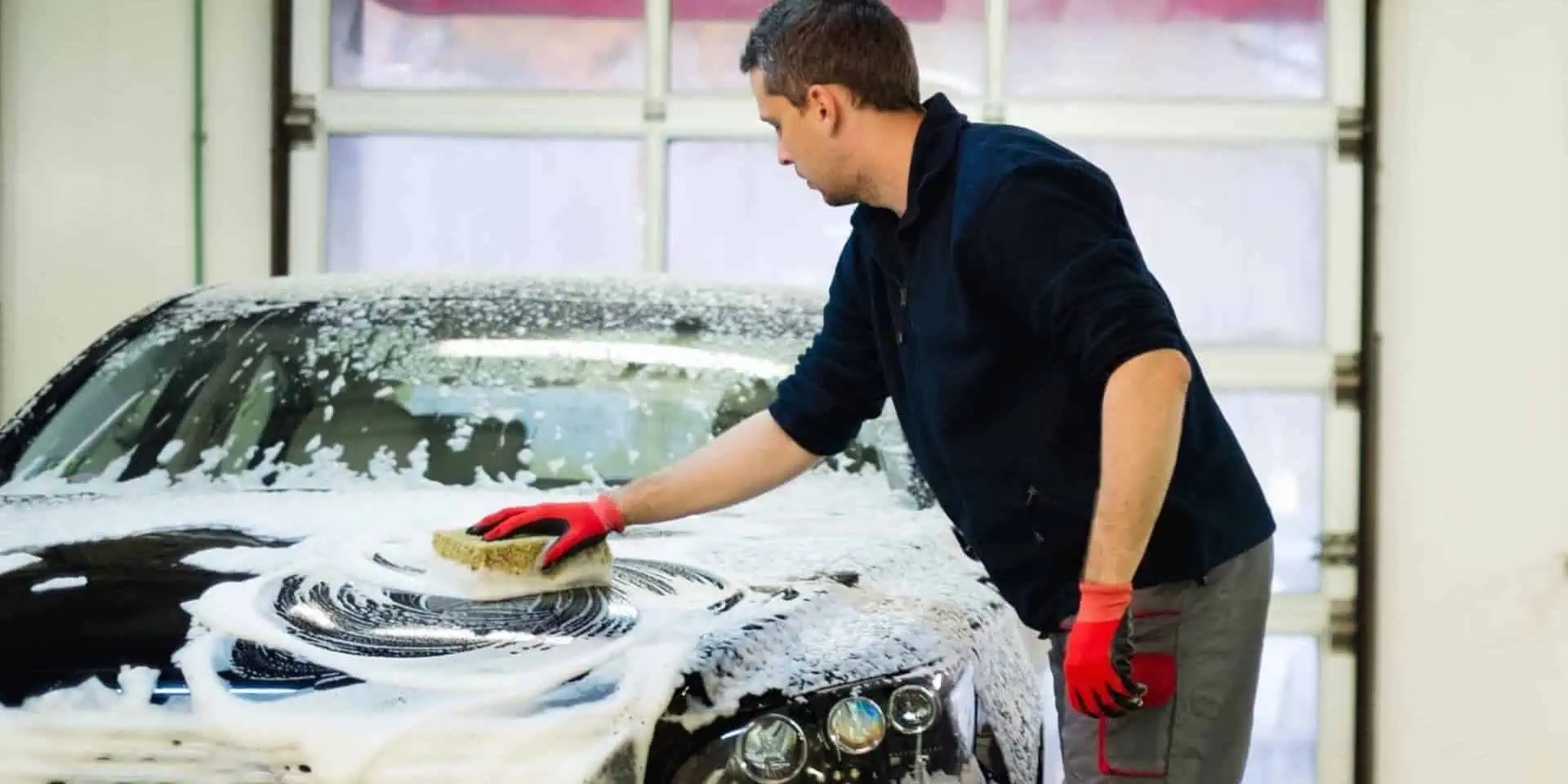
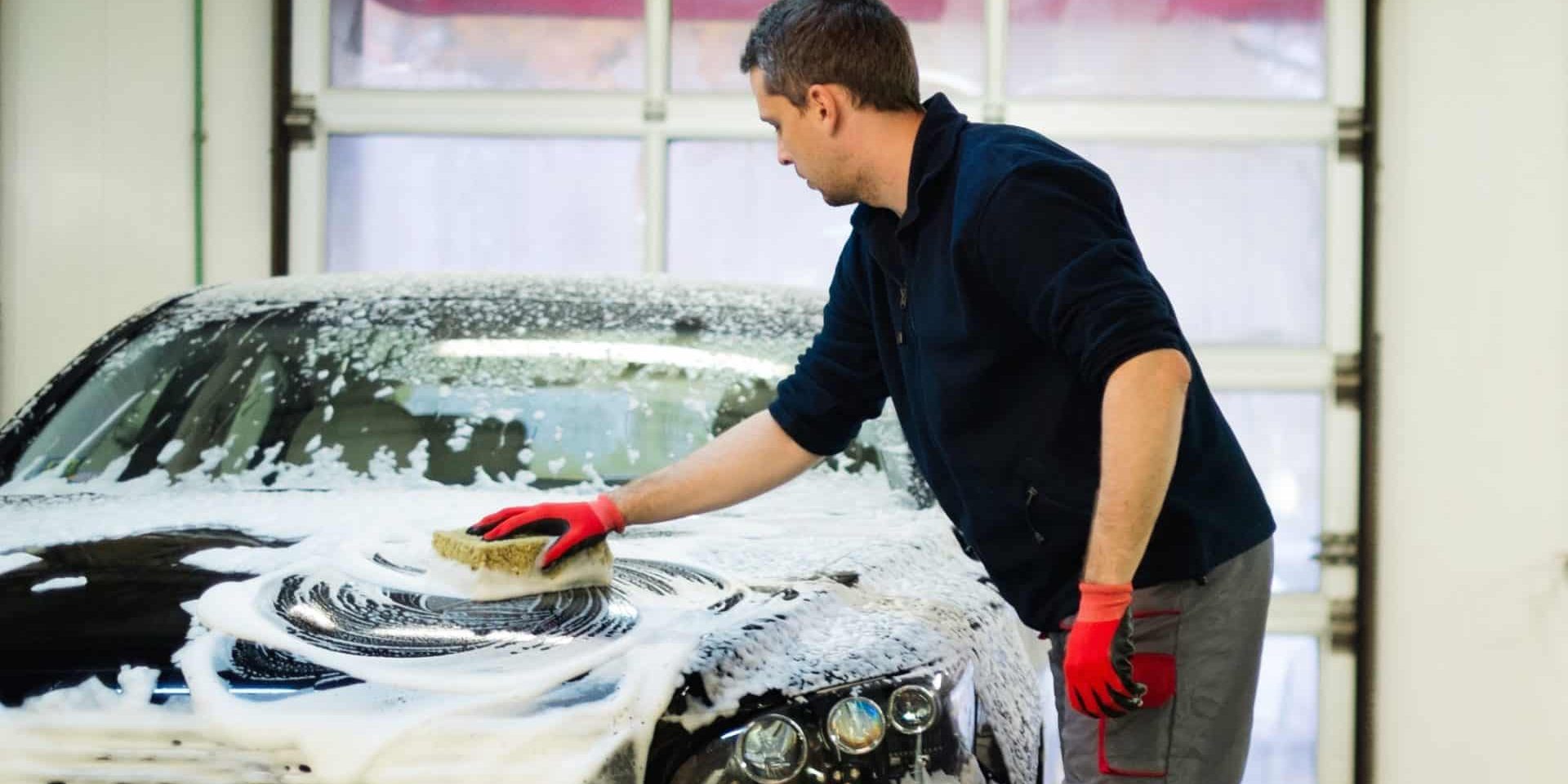
Black cars need the two-bucket washing method to prevent scratches. Use one bucket with soap and another with clean rinse water. Wash each section with a wool mitt, rinse it in the rinse bucket between panels, and dry with microfibre towels using minimal pressure. This technique reduces scratch risk by 80 percent compared to single-bucket washing, protecting your paint’s reflective finish and deep gloss for years.
Why Black Paint Shows Every Imperfection
Black paint absorbs light rather than bouncing it away. This absorption means scratches become visible from metres away. A scratch invisible on silver stands out starkly on black. This isn’t from weaker paint. The issue is contrast and light reflection. Your eye interprets reflections differently on dark surfaces compared to lighter colours, making swirl marks obvious even when they’re microscopic.
Dust particles settle on black cars and stay visible. When you wash without proper technique, you’re dragging gritty dust across the paint with a sponge. Each grain acts like sandpaper. The paint thickness is identical to lighter colours, but the consequences of poor washing are far more visible on black. You can’t hide careless technique with black paint.
Black paint gets applied in multiple layers at the factory. Manufacturers use a darker basecoat under the clearcoat layer. This basecoat is slightly softer than the protective clearcoat sitting above it. Aggressive washing can wear through the clearcoat faster, exposing this softer layer underneath. Damage compounds quickly from there, spreading beneath the surface.
The chemistry of black pigments creates additional challenges. Black pigment is carbon-based and absorbs more light than other colours. This absorption heats the paint slightly more in sunlight, causing thermal expansion that weakens the clearcoat over time. This is purely from pigment properties, not from inferior paint quality. Every black car experiences this effect regardless of manufacturer.
Black cars are not inherently fragile. They simply show damage more obviously. The goal is prevention through proper technique, not through special products that promise miracle solutions. Correct washing method matters more than expensive additives.
Understanding the Two-Bucket Method
The two-bucket method is the foundation of scratch-free washing. One bucket holds clean soapy water. The second bucket holds rinse water with a grit guard at the bottom. After washing each section, you rinse your sponge in the rinse bucket to remove dirt. Only then do you dip back into the soap bucket. This simple system keeps grit separated from your washing medium.
Single-bucket washing guarantees swirl marks. As you wash each panel, grit accumulates in your soapy water. By the tenth panel, you’re washing with contaminated water. Every dip reintroduces particles to your sponge, which you then drag across the paint. The two-bucket system interrupts this cycle entirely. It’s the most important technique you can adopt.
The rinse bucket requires a grit guard, a plastic grid sitting on the bucket floor. When you drop your sponge into the rinse bucket, the grit guard catches particles as they fall. Grit settles below the guard while your sponge stays relatively clean. This passive separation works from physics alone. Heavier particles fall naturally. The guard prevents them bouncing back up into your sponge.
Professional detailers have used this method for decades. It’s genuinely the single most important technique for preventing scratches. Everything else builds on this foundation. Fancy microfibre towels won’t save your paint if you skip the two-bucket method. Many home enthusiasts underestimate how much this one step prevents damage.
Many people ask if one bucket with two separate sections works. Don’t bother. Mixing between sections defeats the purpose. Use two completely separate buckets. One bucket exclusively for soap, one exclusively for rinsing. This simple setup prevents more scratches than any other single factor. It’s cheap insurance.
The Right Products Make a Real Difference
You don’t need a garage full of cleaning products. You need the correct ones chosen specifically for black paint. A dedicated black car wash product is essential. These formulas include additional lubricants beyond standard car shampoos. The lubricants reduce friction between the sponge and paint, making the sponge glide rather than drag. Products for dark colours often include gloss enhancers that restore depth to black paint during the wash itself.
Your sponge matters more than the product. A natural wool wash mitt is far superior to synthetic foam. Wool fibres are softer and create a buffer between rough material and delicate paint. The fibres don’t shed into your rinse water like inferior synthetics do. A good wool mitt costs more but lasts longer and protects paint far better. This is one area where saving money backfires.
Grit guards are non-negotiable equipment. A quality grit guard costs a few pounds and prevents thousands in paint correction later. This is where budget shopping makes no sense. Buy durable grit guards for both buckets. They outlast multiple wash mitts and represent the best value investment in your washing setup.
Your drying setup requires high-quality microfibre towels. Microfibre absorbs water far better than cotton. Each towel dries larger surface areas with less aggressive rubbing. Rub less, scratch less. Use two towels minimum. Let the first saturate completely, then switch to the second. Never wring out a microfibre towel by twisting it. Squeeze gently from the middle to preserve the fibres.
A spray detailer should be part of your arsenal. This product lubricates the paint during drying. It fills minor swirls and dust particles with a protective layer, preventing them scratching against the paint. Apply it to your drying towels in sections for a hybrid wash and protection approach in one step.
A pressure washer with a wide fan nozzle handles initial rinsing and final rinses. Avoid narrow-jet nozzles that can etch paint or cause crazing. The fan spreads water pressure evenly, rinsing effectively without aggression. A fan nozzle is safer than a pencil jet by a massive margin.
Using distilled water for the final rinse is excellent practice. Tap water contains minerals that leave hard water spots. Distilled water prevents these spots entirely. It costs very little and saves time on spot removal later.

Step-by-Step Washing Technique
Start with a pressure wash on a wide fan setting. Position the nozzle so water flows away from door seals and panel gaps. Hold the nozzle at least one metre away from the paint. This pre-rinse removes loose dust and grit before your sponge touches the paint. This single step alone prevents most scratches from loose particles getting dragged across the surface.
Fill both buckets with appropriate water levels. The soap bucket should have water warm enough to feel hot to the touch but not so hot you can’t keep your hand in it for ten seconds. Temperature helps the wash product work harder and dissolve residue. The rinse bucket needs cold water to encourage particles to drop quickly to the bottom.
Start at the top of the car and work systematically downward. Gravity helps here. Dirty water flows down, not up. Wash the roof, then the bonnet or hood, then the sides, and finally the lower panels that collect the most grime. This sequence prevents moving contaminated water over clean sections. It’s the order professionals use for good reason.
Use gentle straight-line motions throughout. Avoid circular scrubbing. Circles concentrate pressure in certain areas, creating visible swirl marks. Straight lines distribute pressure evenly across the paint. Move from one side to the other in single passes. Lift the sponge and start fresh rather than overlapping randomly.
Apply minimal pressure with your hand. The soapy water does the actual cleaning work. Your sponge is just the delivery mechanism. Pressing hard doesn’t clean better. It creates friction and risk. Let the product work while your sponge barely touches the surface.
After each panel or two, drop the sponge into the rinse bucket. Push it down gently to submerge it. Let the grit guard catch particles naturally. Stir the sponge slightly to dislodge stubborn grit stuck in the fibres. Then return to the soap bucket. This cycle is simple but genuinely protective.
Pay extra attention to lower panels and wheel arches where grit accumulates heavily. These areas need careful handling from the start as they’re already contaminated with dirtier particles. Don’t rush this section. Take extra time to ensure your sponge is genuinely clean before touching these areas.
Work systematically so you don’t miss sections. People often miss the gap between the bonnet and windscreen, or the area inside the door jambs. These spots collect dirt and look terrible on black cars. Give them attention during the main wash.
When the entire car is washed, rinse thoroughly with fresh water. Use your pressure washer again on a wide fan setting. Start at the top and work down. Ensure all soap residue is gone. Soap left on the paint dries and dulls the finish, creating a hazy appearance that’s difficult to polish away.
Do a final distilled water rinse if possible. This removes mineral deposits from tap water before they can dry and leave spots. A few litres of distilled water costs nothing and saves frustration later.
Drying Without Creating Swirl Marks
How you dry the car matters as much as how you wash it. Many scratches happen during the drying phase as people rush it or use improper technique. Black paint shows every drying mark permanently.
Use two clean microfibre towels. The first is your primary drying towel. The second is your finish towel. Don’t be stingy with towel size. A small towel forces you to squeeze and rub more aggressively. Use towels large enough to cover an entire panel in one or two passes.
Gently press the first towel against the paint. Let it absorb water through contact rather than active rubbing. Once it’s saturated, move to the next section. Never drag a dry towel across wet paint. The friction creates scratches. The technique is about absorption, not agitation. This requires patience but delivers flawless results.
When the first towel is saturated, set it aside and grab the second towel. Continue the same absorption technique. Your goal is zero friction during the drying process. The towel should glide across the surface with virtually no pressure from your hand.
For the final pass, apply a spray detailer to the second towel before it dries the last sections. The detailer adds lubrication and fills minor swirls and dust particles with protective product. This hybrid approach combines drying with paint protection in one efficient step.
Hard water spots are common after drying with tap water. These are mineral deposits left from water evaporation. Use a microfibre cloth dampened with distilled water for a final polish. Or use a dedicated hard water spot remover product available from car care suppliers. This final step makes the difference between an acceptable finish and a showroom finish.
The entire drying process should take longer than the washing itself. Don’t rush. A properly dried black car with no swirls is worth the extra ten minutes. Black cars reward patience and punish speed during drying.
Consider drying in shade if possible. Direct sunlight heats the paint and makes water evaporate faster. Faster evaporation means you’re working against time. Shade lets you work at a comfortable pace while water dries evenly without leaving spots.
Common Mistakes That Damage Black Paint
People make the same errors repeatedly that damage black paint. Knowing these mistakes helps you avoid them and protect your investment.
Using a single bucket is the most common mistake. People think they’re saving time. They’re not. They’re guaranteeing swirl marks. The couple of minutes saved washing isn’t worth the hours later trying to polish out scratches. Never use one bucket. The risks vastly outweigh any time savings.
Washing in direct sunlight is another major problem. The paint dries too fast, trapping soap residue before you can rinse it properly. Dry soap combines with remaining water droplets to create films and hard water marks. Wash in shade or overcast conditions when possible. Morning or evening washing is ideal for black cars.
Using the wrong sponge is genuinely dangerous to your paint. Foam sponges are cheap but rough. Each stroke leaves tiny lines in the clearcoat. Budget sponges shed particles that act like abrasive grit. Invest in a quality wool wash mitt. The cost is minimal compared to paint correction expenses.
Applying too much pressure is a subtle mistake many people make. People press the sponge hard against the paint, thinking this makes it cleaner. It doesn’t. Hard pressure forces grit into the paint rather than lifting it away. Let the soapy water do the work. Your sponge should barely touch the surface.
Sharing a sponge between the wheels and the body is problematic and a common shortcut. Brake dust and road grime on wheels are far more abrasive than body dirt. Keep separate wash mitts for wheels and body. This prevents contaminating your body sponge with particles that destroy paint.
Drying in circular motions is just as bad as washing in circles. Every circular motion creates visible swirl marks on black paint. Use straight lines, vertical or horizontal, never circular patterns. The pattern you use during drying stays visible permanently.
Using a squeegee is risky. Rubber edges can stick and drag, creating scratch lines. Stick with microfibre towels. They’re safer and more effective.
Letting the car air dry is lazy and destructive. Even if you think spots are acceptable, they’re not on black paint. Minerals in water create permanent etch marks. Air drying guarantees spots and marks on your finish.
Washing the same bucket water for multiple cars is ridiculous but people do it. The first car’s grime carries over to the second car. Each car adds more contamination. The last car gets washed with extremely dirty water. Refresh your bucket water with each vehicle.
Washing with hard water exclusively damages paint. Hard minerals accumulate on the surface. Over time, these minerals etch the clearcoat. A final rinse with distilled water prevents this damage entirely. The cost is negligible.
What Most People Get Wrong About Black Car Care
Most car owners assume black paint is weaker than other colours. This misconception leads to overcomplicating their washing routine. Black paint is identical in thickness and quality to silver or white paint. The difference is entirely visual. Black shows damage more obviously, nothing more.
People also believe expensive products are necessary for black cars. In reality, the washing method matters far more than product cost. A quality wool mitt and the two-bucket method outperform expensive specialty shampoos used with cheap sponges. Technique trumps product every time.
Another misconception is that ceramic coatings make cars immune to scratches. They don’t. Coatings protect against oxidation and UV damage, but they don’t prevent scratches from washing technique. Proper washing method remains essential regardless of protective coatings.
Many people think washing more frequently damages paint. This is false. Regular washing prevents damage by removing contaminants before they bond to the surface. A two-week wash schedule protects paint far better than a monthly schedule as fresh dirt washes away more easily.
People often believe swirl marks are just cosmetic. They’re not. Swirls indicate clearcoat damage. Damaged clearcoat allows moisture and oxygen to reach the basecoat underneath. This starts the corrosion process. What looks cosmetic becomes structural damage if ignored.
Washing Frequency for Black Cars
Black cars need washing more frequently than light colours, not from weaker paint, but from visibility. A black car looks dirty after two weeks without washing. A silver car could go a month looking acceptable.
In normal conditions, wash your black car every two weeks. This keeps dirt from settling and bonding to the clearcoat. Fresh dirt that hasn’t oxidised washes away more easily than month-old grime that’s fused to the surface.
In harsh conditions, increase frequency significantly. Winter driving, coastal areas with salt spray, and regions with heavy industrial fallout all require more frequent washing. Salt water accelerates corrosion and etches clearcoat. Industrial fallout contains metal particles that rust and create permanent marks.
Don’t wash more than weekly unless absolutely necessary. Excessive washing wears the clearcoat faster. The protective layer is finite. Once gone, paint underneath suffers rapidly. Find the balance between keeping the car clean and preserving the protective coating.
Weather affects washing frequency. After rain, check for acid deposits. Acid rain leaves marks that become permanent if left to oxidise. Wash within 48 hours of rain in areas prone to acid precipitation.
After driving on salted roads, wash as soon as possible. Salt corrosion begins immediately and compounds rapidly. Don’t wait for convenient timing. Salt damage happens exponentially. An hour of salt exposure is manageable. A day of exposure creates serious problems. A week of salt on paint causes structural corrosion of the clearcoat and basecoat.
Summer bird droppings and tree sap require quick washing too. These substances contain acids that etch paint. Remove them within 48 hours for best results.
Protection Between Washes
Washing is only half the equation. Protection between washes determines how long your paint stays scratch-free and how it looks long-term. The best protection follows a layered approach.
Waxing creates a sacrificial layer between the environment and your clearcoat. When you apply quality wax every three months, contaminants bond to the wax layer instead of the paint. When you wash next time, the wax layer releases the contamination easily. Your actual paint stays cleaner and safer underneath the protective barrier. Professional brands like Autoglym and Meguiar’s offer formulas specifically designed for black paint durability.
A ceramic coating is a step beyond traditional wax. These advanced formulas bond to the clearcoat chemically rather than sitting on top like wax does. A ceramic coating lasts six months to a year depending on type. It provides superior water beading and makes washing easier. The smoother surface means less friction during washing, preventing scratches before they happen. Gtechniq produces professional-grade ceramic coatings that offer exceptional durability for black cars.
Paint protection film is an option for high-risk areas on your black car. Your bonnet, front wings, and door handles take the most damage from stones and debris. A clear protective film prevents scratches before they happen. The investment is worth it for peace of mind on expensive cars.
Keep your car in a garage when possible. This simple step eliminates about 70 percent of environmental damage. UV exposure, acid rain, bird droppings, and tree sap all cause damage that leads to paint degradation and dullness. A garage removes these threats entirely.
Regular inspection catches problems early. Once a month, check for new scratches or swirl marks. Early detection means you can address the issue before it worsens. A tiny scratch buffed out immediately doesn’t become a deep scar later.
Consider a regular maintenance schedule. There are top tips for maintaining car paint effectively that professionals use. These include regular inspections, protective treatments, and washing routines. Building preventive maintenance into your schedule prevents most paint problems before they start.
Advanced Protection Strategies for Black Paint
Beyond basic waxing, several advanced techniques protect black paint from the damage that leads to visible scratches and swirls. These strategies work together to create multiple protective barriers.
Paint sealants differ from wax in their chemistry and durability. Where wax lasts three months, a synthetic sealant lasts six months. The chemical bond with the clearcoat makes them more durable. For black cars, this extra durability means longer protection periods and less frequent reapplication. Chemical Guys produces premium sealant formulations that bond strongly to black finishes.
Coating maintenance is crucial with ceramic coatings. You can’t just apply once and forget it. Maintenance washes every month preserve the coating’s properties. A coating that’s neglected loses its hydrophobic properties and protection value within months. Proper maintenance makes the investment worthwhile.
Professional detailing twice yearly provides benefits beyond washing. Professional equipment removes contaminants invisible to the eye. This includes bonded iron particles, industrial fallout, and paint overspray from nearby vehicles. These contaminants permanently damage paint if left to sit. A professional claybar treatment removes embedded particles that regular washing misses.
Claybar treatment is underrated by home enthusiasts. A claybar removes contaminants that washing misses entirely. Used properly, the paint feels smooth as glass when complete. This treatment prevents scratching by removing particles that would otherwise scratch during subsequent washes. It’s an essential step in preparation for waxing or coating application.
Preventive measures to avoid rust on your car apply to black finishes as much as any colour. Keeping protective layers active prevents rust starting in the first place. Waiting for rust to appear costs far more in repairs than prevention spending.
Understanding Paint Damage and Prevention
Black paint damage falls into several categories, each requiring different prevention approaches. Understanding these categories helps you target your protection efforts effectively.
Swirl marks are fine scratches in the clearcoat that catch light at certain angles. They’re invisible in some lighting but obvious in others. Swirls come from incorrect washing technique, aggressive drying, or careless buffing. They’re preventable through proper technique but difficult to remove once present.
Water spots appear when minerals in water dry on the paint. Hard water spots etch the clearcoat if left for weeks. They start as cosmetic issues but become permanent damage over time. Prevention through distilled water rinses is far easier than removal after hardening.
Oxidation occurs when UV light breaks down the clearcoat. Black paint oxidizes faster than lighter colours from absorbing more light energy. Regular waxing prevents oxidation by blocking UV rays before they reach the clearcoat.
Overspray from nearby vehicles settles on black paint more noticeably. This overspray etches the clearcoat if left for weeks. Quick washing removes fresh overspray. Hardened overspray requires professional removal.
Fallout from industrial sources contains metal particles that rust on the paint. These particles create small rust marks that spread if not removed quickly. Monthly claybar treatment removes bonded fallout before it causes damage.
Regional Considerations for Washing
Different regions require adjusted washing approaches. Coastal areas with salt spray need more frequent washing. Industrial regions with heavy air pollution need monthly claybar treatments. Cold climates with road salt need immediate post-winter washes. Understanding your local environment helps you develop a washing schedule that works.
UK drivers face particular challenges with winter salt and persistent damp. The combination of salt spray and moisture accelerates corrosion. Understanding how to wash salt off properly in winter becomes essential for preserving paint. Don’t skip winter washes thinking cold weather makes it pointless.
US drivers in northern states face identical salt challenges. The difference is that northern US winters can be even harsher than UK winters. Increased salt application on roads means more aggressive corrosion. Washing as soon as salt exposure ends becomes critical for paint preservation.
Southern US drivers face different challenges from UV intensity. The constant sun exposure breaks down protective coatings faster. More frequent reapplication of wax or sealant becomes necessary. What protects a car in Seattle won’t protect the same car in Arizona.
Australian and European drivers in coastal areas face particular salt challenges. Salt spray travels kilometres inland from the ocean. Constant salt exposure means continuous protection is essential.
Tools and Equipment Essentials
Having the right equipment before you start washing prevents improvising with unsuitable substitutes. Proper equipment protects paint more than any product.
Your wash bucket setup should include two five-gallon buckets minimum. Smaller buckets force you to refill frequently, interrupting your rhythm. Each bucket needs a grit guard and lid. The lid prevents dust settling in the water between washes.
A wool wash mitt is essential. Natural lambswool is superior to synthetic alternatives. Quality mitts cost between fifteen and thirty pounds or dollars but last years with proper care. This is one investment that pays dividends immediately.
Microfibre towels require quality selection. Cheap microfibre sheds particles and scratches paint. Premium microfibre from reputable brands like Autoglym absorbs water better and lasts longer. Buy at least four towels, two for drying and two backups.
A pressure washer with adjustable nozzle is valuable but optional if you have access to a garden hose with spray nozzle. If buying one, choose models with wide fan nozzles. Narrow jet pressure washers risk paint damage.
A spray detailer should be dedicated to drying use. Keep this separate from other products to avoid confusion. Quality spray detailers cost less than five pounds or dollars per bottle and last multiple washes.
Distilled water for the final rinse requires advance planning. Buy large bottles and keep them ready in your garage. Use this only for the final rinse, not for the main wash buckets.
Troubleshooting Common Washing Problems
Even with proper technique, problems sometimes occur. Knowing how to address them prevents escalating damage. Most problems come from technique adjustment rather than product changes.
If you see swirl marks appearing even with proper technique, the issue is usually water temperature or sponge condition. Wash in slightly warmer water and replace the sponge if it’s older than six months. Old mitts shed particles regardless of technique.
If hard water spots appear even with using distilled water for the final rinse, the issue is incomplete drying before water evaporates. Use larger towels and dry more aggressively. The goal is removing all water before it dries on the paint.
If the paint looks dull after washing, soap residue remains on the surface. Rinse more thoroughly with your pressure washer. Ensure no soap bubbles remain visible before moving to drying.
If your wax or sealant won’t apply smoothly, the paint surface has contaminants. Use a claybar treatment before applying the protective product. Contaminants prevent proper adhesion.
Sustainable Washing Practices
Washing your black car frequently using proper technique requires water and energy. Being mindful of environmental impact makes sense.
Use a driveway wash point or bucket system that captures runoff. This prevents contaminated water flowing into storm drains. Proper disposal of wash water with detergents matters for water quality.
Buy eco-friendly car wash products when possible. Many brands now offer biodegradable formulations that work just as well as conventional products. These protect your paint and the environment.
Reuse wash water where possible. The soap bucket water can be used for general garage cleaning before disposal. Minimising water waste makes sense even if not mandated.
Consider drying in natural sunlight rather than electric drying equipment. The sun costs nothing and dries paint quickly once you’ve removed standing water with towels.
Car Wash FAQs
What is the two-bucket washing method and why does it matter?
The two-bucket method uses one bucket with soapy water and another with clean rinse water. After washing each section, you rinse your sponge in the rinse bucket to remove particles before dipping back into soap. This keeps grit separated from your washing medium and prevents dragging contaminated water across your paint. It’s the single most important technique for preventing scratches.
Can I use a regular sponge instead of a wool wash mitt?
Regular sponges are rough and shed particles that create micro-scratches. Even soft foam sponges leave swirl marks over time. A wool wash mitt costs more but protects your paint exponentially better and lasts longer. The investment pays for itself by preventing paint correction expenses.
What’s the best water temperature for washing?
Warm water between 40 and 50 degrees Celsius is ideal. Hot water helps the wash product work harder and removes grease more effectively. Cold water doesn’t dissolve soap residue properly. Warm water strikes the balance between effectiveness and safety for the paint.
Should I wash my black car in winter?
Yes, absolutely. Winter requires more frequent washing, not less. Salt on roads accelerates corrosion immediately. You need to understand how to wash salt off properly in winter to protect your paint. Don’t skip winter washes thinking cold makes it pointless. Winter damage happens fast and the lack of washing makes it worse.
Is a pressure washer dangerous for my paint?
A pressure washer is safe if used correctly. Keep the nozzle at least one metre away. Use a wide fan nozzle, not a narrow jet. Never point it directly at panel gaps or door seals. Use it for rinsing and pre-rinsing only, never for scrubbing. Properly used, a pressure washer protects your paint by removing grit before hand-washing.
How do I remove swirl marks that are already visible?
Light swirls respond to polishing with a microfibre cloth and paint correction compound. Medium swirls need machine polishing with a dual-action polisher. Deep scratches require professional attention. Prevention is far easier and cheaper than correction. Adopting these washing techniques now saves you the expense and effort of fixing damage later.
Can I wax my black car immediately after washing?
No. Paint must be completely dry before waxing. Water droplets prevent proper wax adhesion. Wait at least two hours after washing, or preferably overnight, to ensure the clearcoat is fully dry before applying protective products.
How should I handle contamination from nearby traffic?
Iron particles from brake dust settle on black cars more noticeably than on lighter colours. Every month, use a claybar treatment to remove bonded contaminants. This prevents them scratching during future washes. Industrial fallout from factories or construction sites requires the same treatment for removal.
What protective products work best for black cars?
Quality wax applied every three months provides solid protection. Ceramic coatings lasting six months to a year offer superior durability. Brands like Autoglym, Meguiar’s, Chemical Guys, and Gtechniq produce formulations specifically designed for black paint protection and gloss enhancement. Choose based on your maintenance preferences and budget.
Why does my black car look dull even after washing?
Dullness usually comes from soap residue, mineral deposits, or oxidation. Rinse more thoroughly to remove all soap. Use distilled water for the final rinse to eliminate mineral deposits. If dullness persists, the clearcoat can be oxidised. Apply a quality wax to restore gloss and protect against future oxidation.
Sources

Leave a Comment
More in News

76% of Car Buyers Say the Luxury Badge Isn’t Worth the Markup. Are They Right?

Is the Toyota Land Cruiser Worth the Price? What Buyers Need to Know for 2027
Car Prices Are About to Spike: Up to $8,900 More Per Vehicle (2026 Tariff Explained)
How Long Does Power Steering Fluid Last?

How Fast Can You Drive on a Spare Tire?
Trending on Motoring Chronicle

New benchmark in the compact class: the Audi Q3 [Photo Gallery]

Timeless Elegance: A Journey Through the Decades at Salon Privé Blenheim Palace 2024 [Photo Gallery]

Largest fleet of bespoke Flying Spurs commissioned by world class resort [Photo Gallery]

Pioneering technology meets pure driving pleasure: testing BMW iX3 prototypes [Photo Gallery]